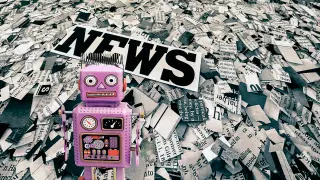
CNN has filed a lawsuit against AI company Perplexity, alleging it unlawfully copied CNN's content after licensing talks failed; the action marks CNN's first AI copyright suit and is part of a broader wave of publisher legal actions aimed at securing compensation as AI tools reuse news content.
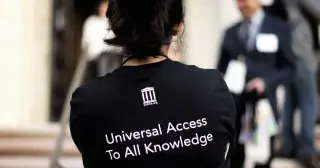
Publishers are restricting or blocking the Internet Archive’s Wayback Machine—citing bot scraping and AI-training concerns—leaving journalists and advocates to rally in defense. With outlets like USA Today and The New York Times limiting access and the Guardian narrowing its exposure, the tool’s public-record mission hangs in the balance as advocacy groups push back. If access continues to erode, accountability journalism, legal evidence, and historical web records could suffer, and there’s no widely available public alternative beyond the Wayback Machine. The Internet Archive remains in talks with some publishers, but the broader trend threatens digital history’s preservation.
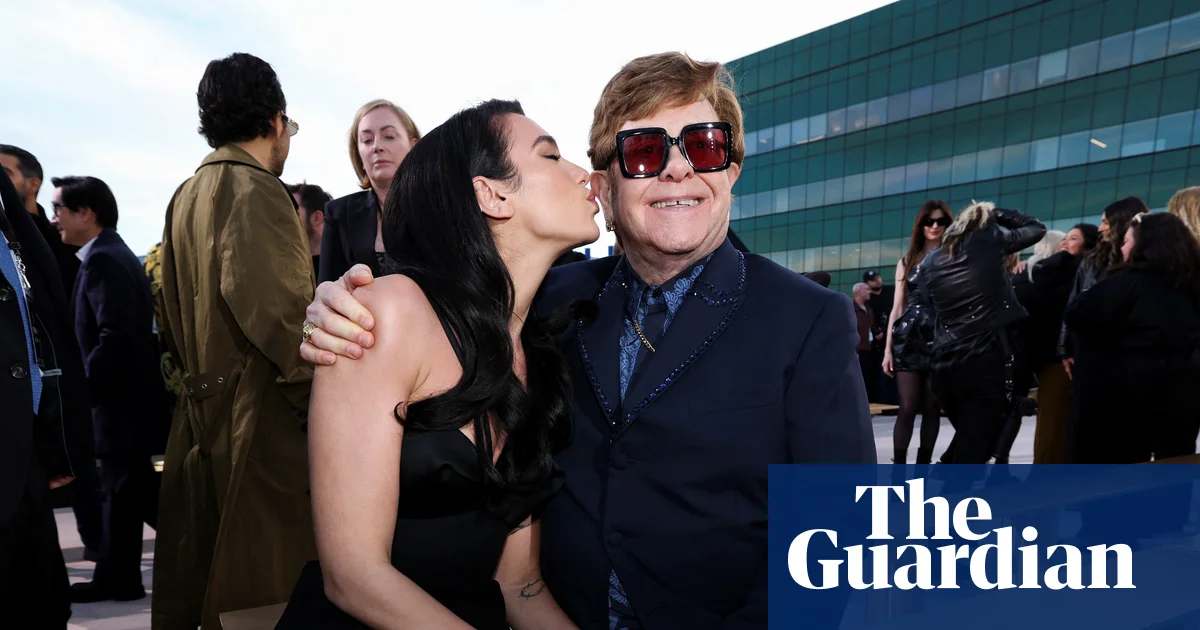
A UK government consultation on AI copyright has overwhelmingly favored strengthening artists' rights, with 95% supporting copyright protections and only 3% backing a controversial opt-out plan for AI training. Campaigns led by artists and celebrities have pushed for fair compensation and licensing, opposing the government's initial tech-friendly approach. The government plans to develop policies by 2026, aiming to balance innovation with artists' rights amid ongoing debates.
The Motion Picture Association has urged OpenAI to take immediate action to prevent copyright infringement on its Sora 2 app, which allows users to create videos using major studios' IP. The MPA emphasizes the importance of following established copyright laws and has called for OpenAI to implement better controls to protect creators' rights, especially after the app's launch led to widespread infringing content. OpenAI has responded by promising to give rights holders more control, signaling a potential shift in their approach amid legal pressures from Hollywood.
A federal judge rejected Anthropic's $1.5 billion AI copyright settlement due to concerns over transparency, claim process, and potential unfairness to authors, delaying the approval of what could be one of the largest copyright deals in US history.
Warner Bros. has sued AI image-generating platform Midjourney, accusing it of copyright infringement by creating images and videos of its characters without permission, and criticizing the platform for removing safeguards against such violations. The lawsuit follows similar actions by other studios and seeks damages and an injunction to stop the infringing activities.
Former Arkansas governor Mike Huckabee and other authors have filed a lawsuit against Meta, Microsoft, and Bloomberg, accusing them of using their work without permission to train artificial intelligence systems. The lawsuit claims that the companies used the "Books3" dataset, which allegedly contains pirated books, to teach their large language models. The authors argue that their books were misused and seek damages and an order to block the misuse of their work. This is one of several recent lawsuits filed by copyright holders against tech companies over the unauthorized use of their content for AI training.
Stephen Thaler, the inventor of an artificial intelligence (AI) system called DABUS, is appealing a federal judge's decision that he cannot claim copyright for an artwork created by the AI. Thaler has been involved in multiple lawsuits in different countries, arguing that DABUS should be recognized as an inventor. One of his main supporters, Ryan Abbott, believes that machine inventions should be protected to incentivize the use of AI for social good. However, legal experts argue that copyright and patent laws require human authorship and an independent mental conception, which AI systems like DABUS do not possess. The outcome of these cases will have implications for the future of intellectual property rights in the age of generative AI.