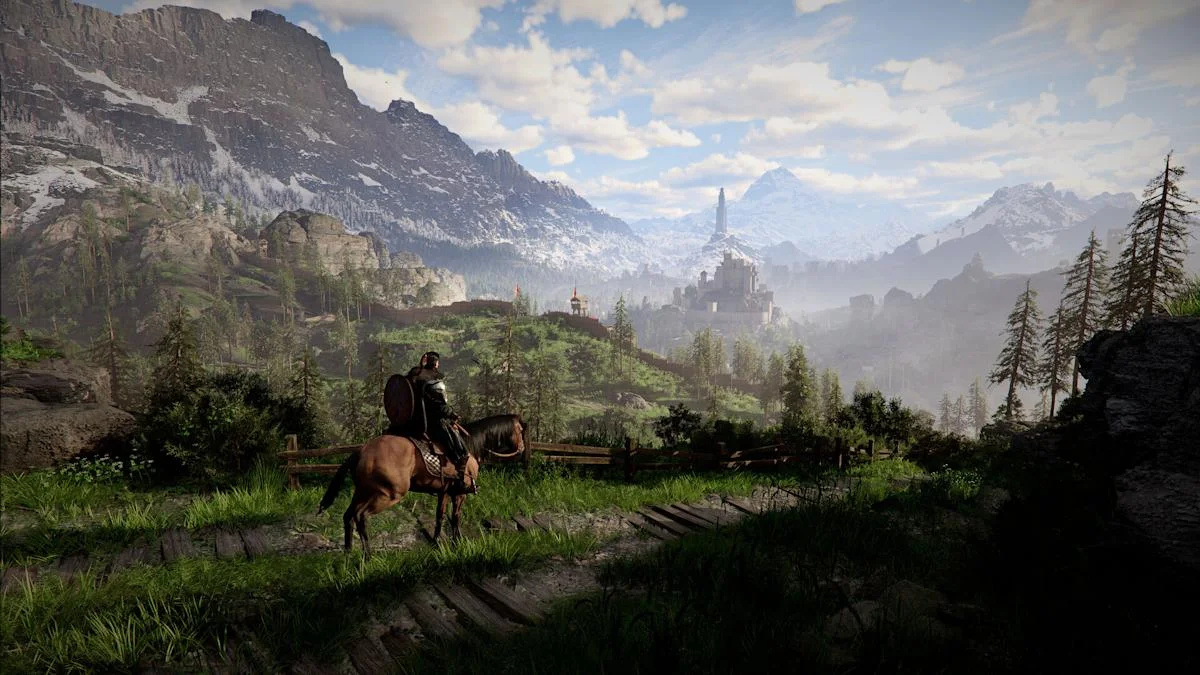
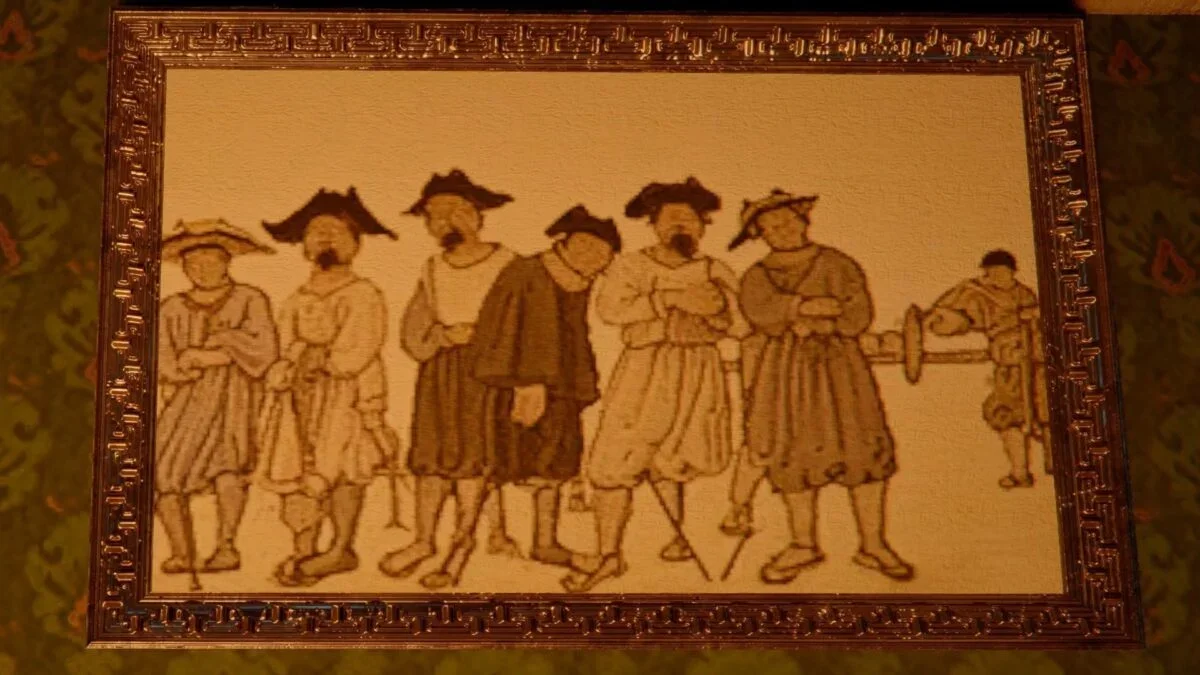
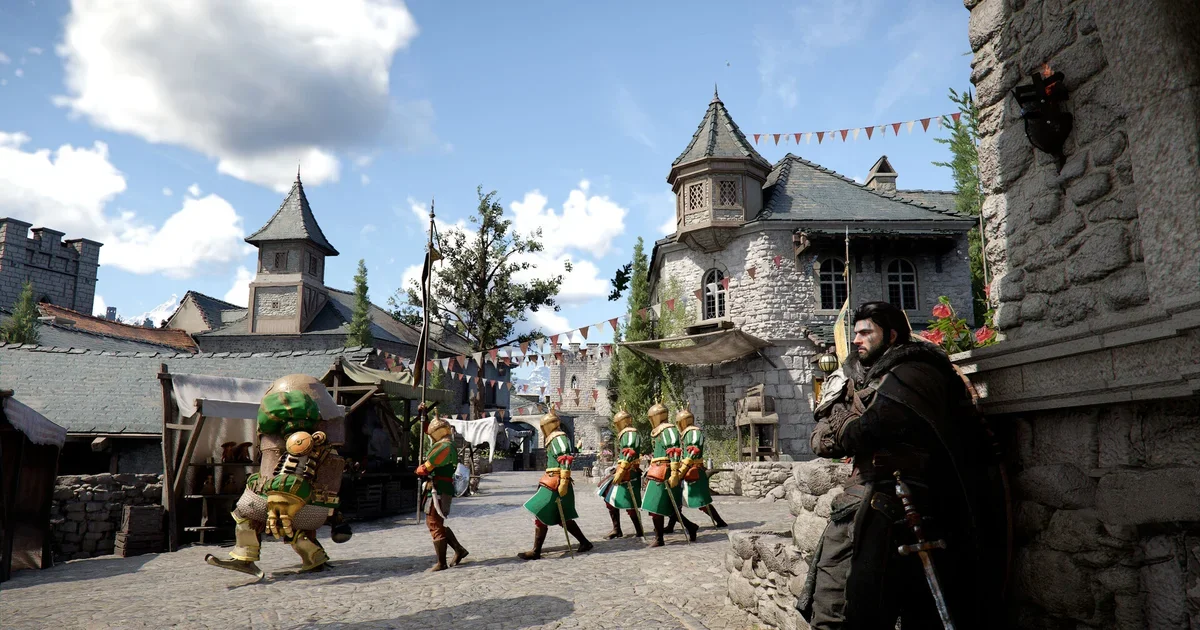
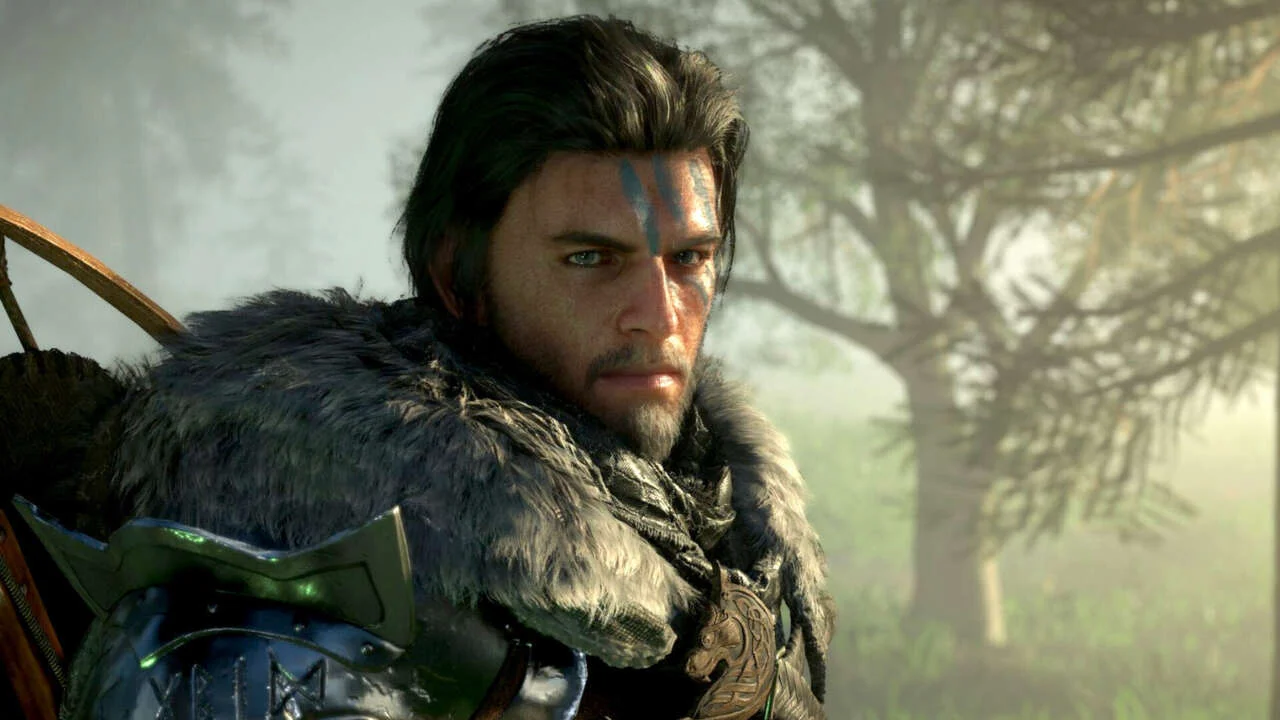
Pearl Abyss apologized on X after players found AI-generated 2D visual props in Crimson Desert and said it will conduct a comprehensive audit of all assets, replacing AI-generated content in upcoming patches and aiming for greater transparency with players.
Pearl Abyss apologized for including AI-generated art in Crimson Desert and for not clearly disclosing its use, saying some early-stage 2D props were created with experimental AI tools. The studio will audit in-game assets and replace affected content in upcoming patches, while tightening processes to improve transparency with players.
Crimson Desert is accused of using AI-generated artwork in its in-game assets, with images showing impossible horse anatomy and other suspicious drawings; Pearl Abyss has not commented, and the lack of disclosure could raise questions about AI usage and Steam's terms of service.
Crimson Desert sold 2 million units within a day of release, but players are raising a controversy over possible AI-generated environmental art. Screenshots circulating on Reddit and Bluesky show AI-like details—e.g., inconsistent fingers and linocut patterns—while the Steam page lacks any AI-disclosure. This echoes a past incident and raises questions about Valve's guidelines. Pearl Abyss has not yet commented.
Crimson Desert players are debating whether some in-game paintings are AI-generated or simply sloppy placeholders. Screenshots circulating online have sparked questions about AI usage and potential nondisclosure, with some players convinced by the art and others not; Pearl Abyss has not commented, and if AI is involved there could be a required disclosure or a patch to remove or fix the artwork.
Hooded Horse, the publisher of Manor Lords and Terra Invicta, has implemented a strict ban on AI-generated assets in their games due to ethical concerns, emphasizing the difficulty of policing AI use and advocating for more detailed policies. They view AI art as problematic and potentially harmful to artists and the industry, reflecting broader debates about AI's role and impact in creative fields.
A record deal was signed with an AI-generated artist, raising complex questions about copyright law and the future of music, as the law struggles to keep pace with AI-created content and the distinction between human and AI contributions.
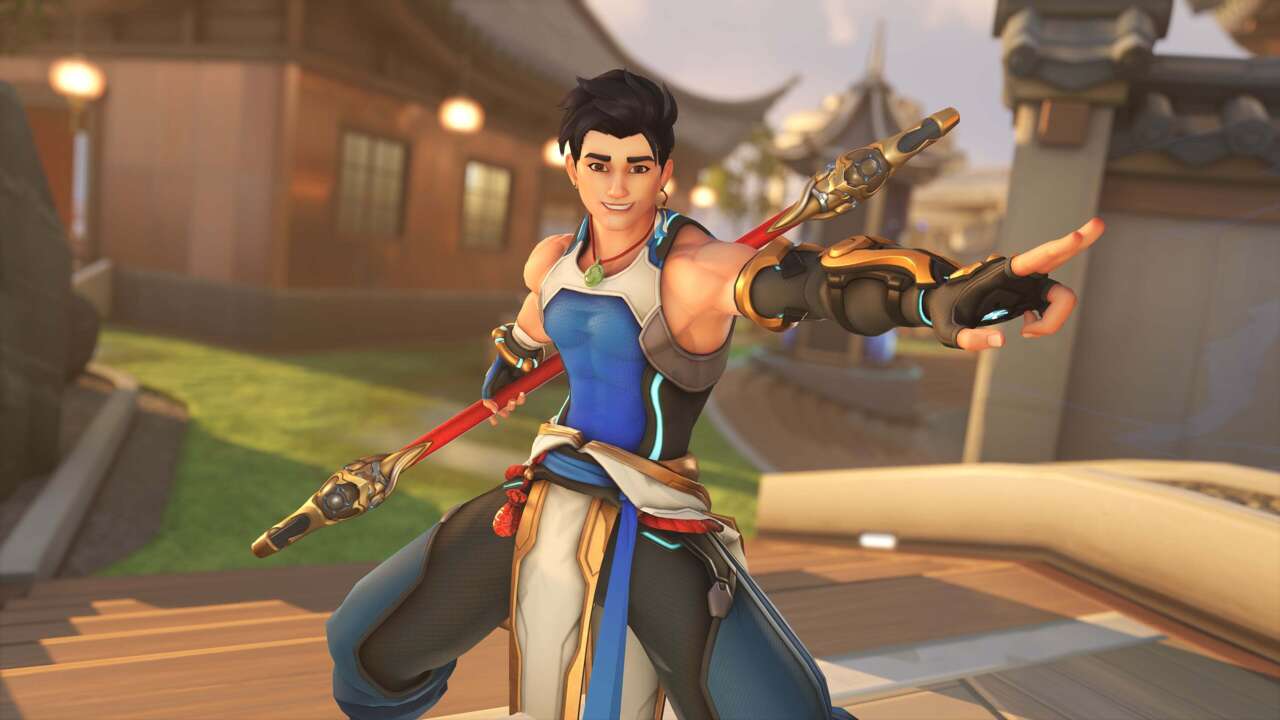
Blizzard has denied allegations that the new sprays for Overwatch 2 were created using AI, asserting that the artwork was artist-made despite fan suspicions and previous AI-related controversies.
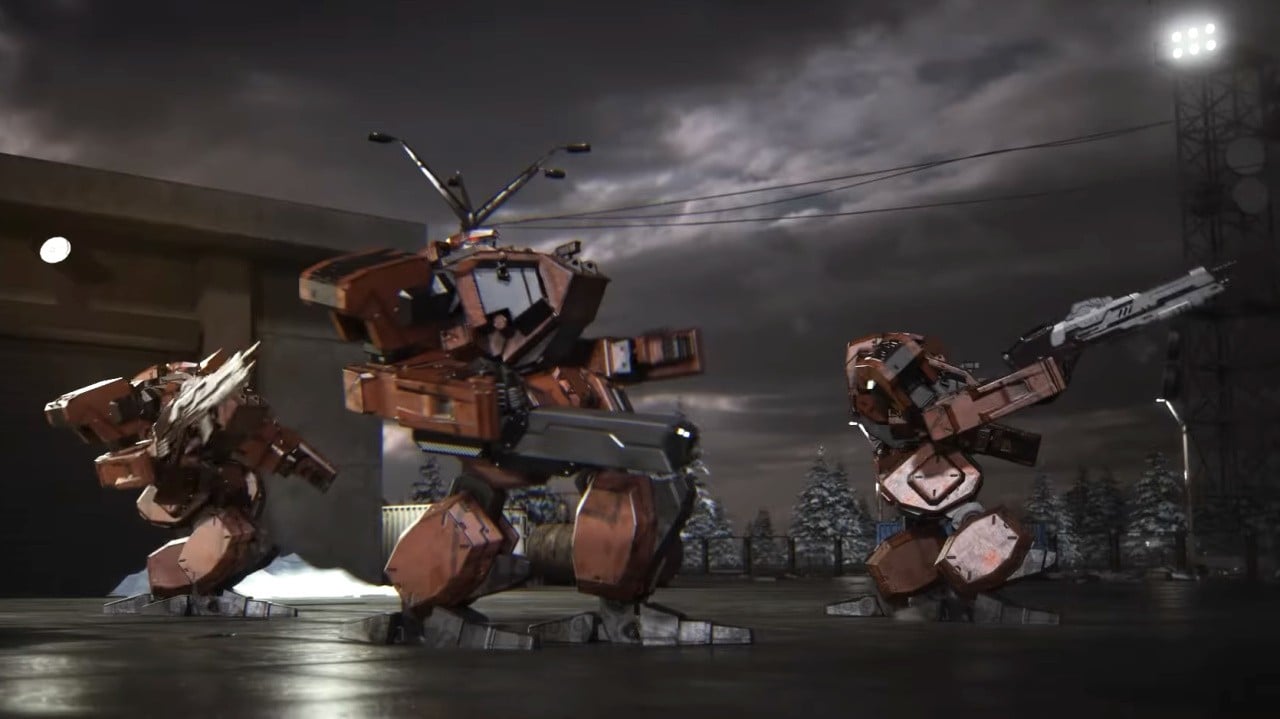
The remake of Front Mission 3, released in June 2025, has faced criticism for replacing original 2D art assets with AI-upscaled versions, resulting in noticeable quality issues and fan disappointment, raising concerns about the use of AI in game art restoration.
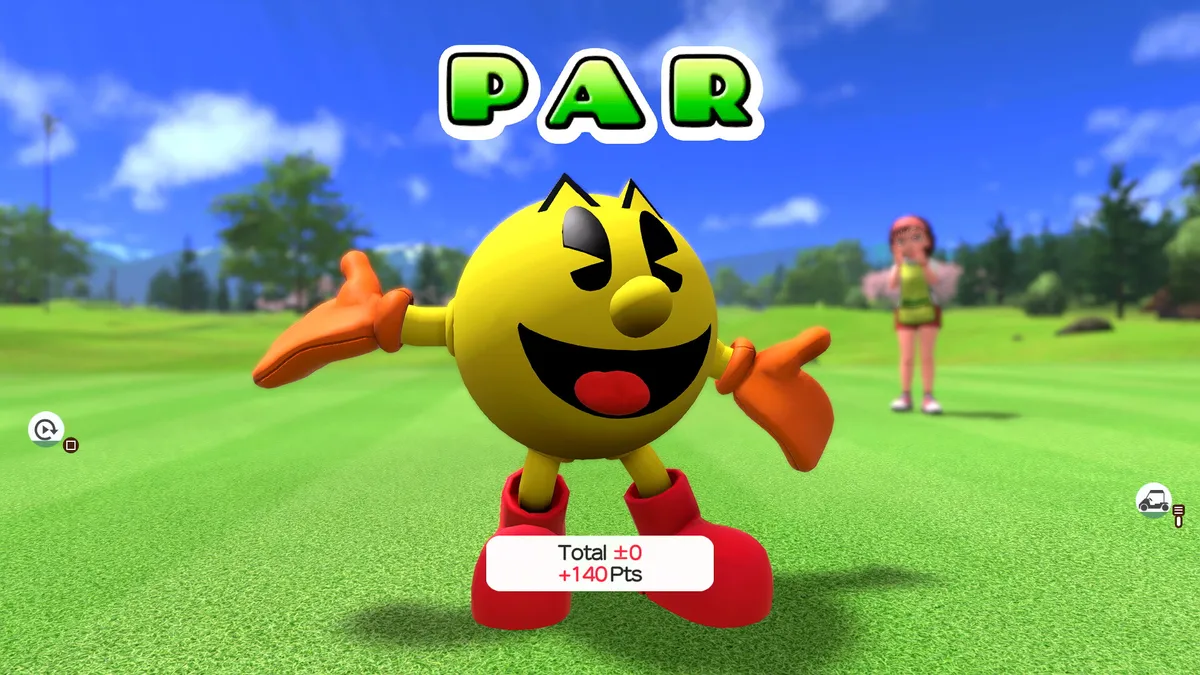
The new Hot Shots Golf game uses AI-generated textures for trees and leaves across its courses, sparking ethical and quality concerns among players, despite the game's return after nearly a decade.
Fortnite's user-created content is currently inundated with AI-generated artwork featuring racist depictions of people, including crude caricatures of large, shirtless men holding food. Despite thousands of players engaging with these modes, Epic Games appears unaware or unwilling to remove the offensive images flooding the game. The platform's easy access to a large audience has led to an overflow of copycats and clones, with some user-made games featuring racist imagery gaining significant popularity. Players are expressing concerns about Epic's lack of moderation, prompting questions about the company's stance on AI-generated art and its impact on the platform.
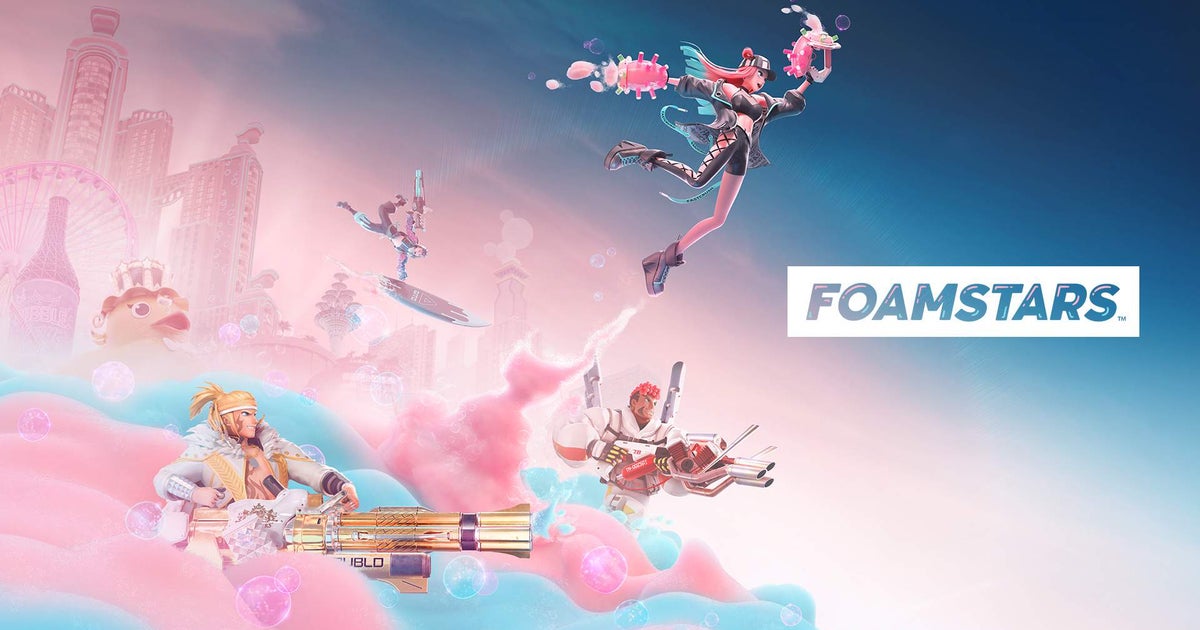
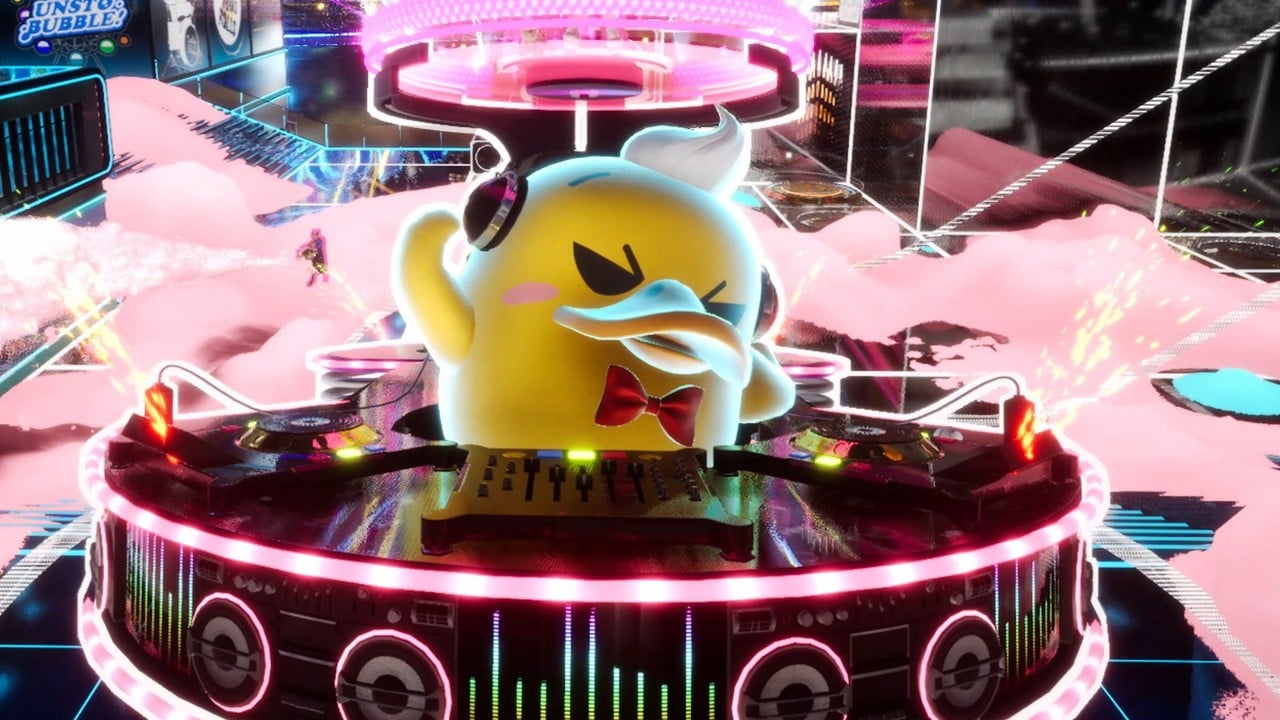
Square Enix has confirmed that the upcoming online shooter Foamstars includes AI-generated art, specifically for album covers featured in the game. The generative AI tool Midjourney was used to create abstract images from simple prompts, with the publisher clarifying that the core elements of the game were still handmade by the development team. This move aligns with Square Enix's recent exploration of how generative AI can be utilized in internal game development, as company president Takashi Kiryu expressed the potential for AI to fundamentally change the creative processes in game development.
Square Enix confirms the use of AI-generated art in the upcoming PlayStation exclusive Foamstars, with most of the game being traditionally made but a small percentage of icons and in-game album covers created using AI tools. The company aims to implement an "aggressive" AI policy, with plans to use AI to enhance development productivity in future projects. The use of AI-generated assets in video games raises questions about the balance between artistic expression and technological progress.
Square Enix's upcoming game Foamstars, a Splatoon-like shooter, will be released on February 6 and will be available on PlayStation Plus. The game's producer revealed that while most of the artwork was handcrafted, some in-game assets, specifically album covers for in-game tracks, were created using AI art generator Midjourney. This has sparked controversy due to ongoing legal disputes involving Midjourney's use of copyrighted material and raises concerns about the impact of AI-generated art on the video game industry and the artists involved.
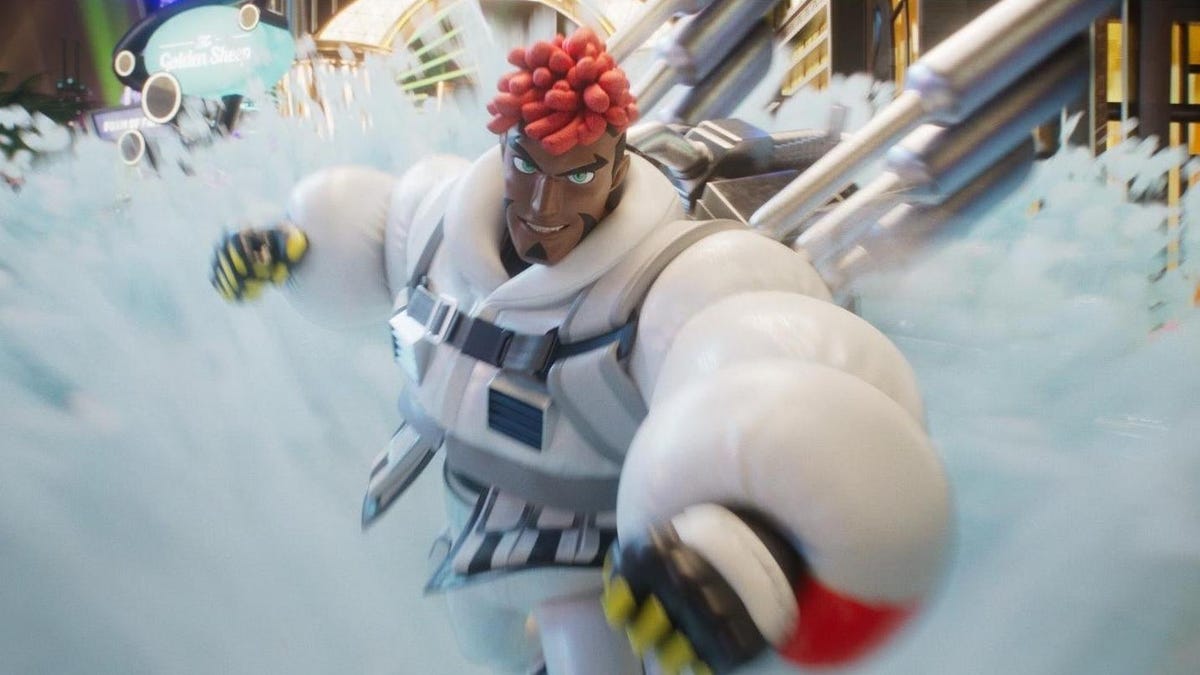
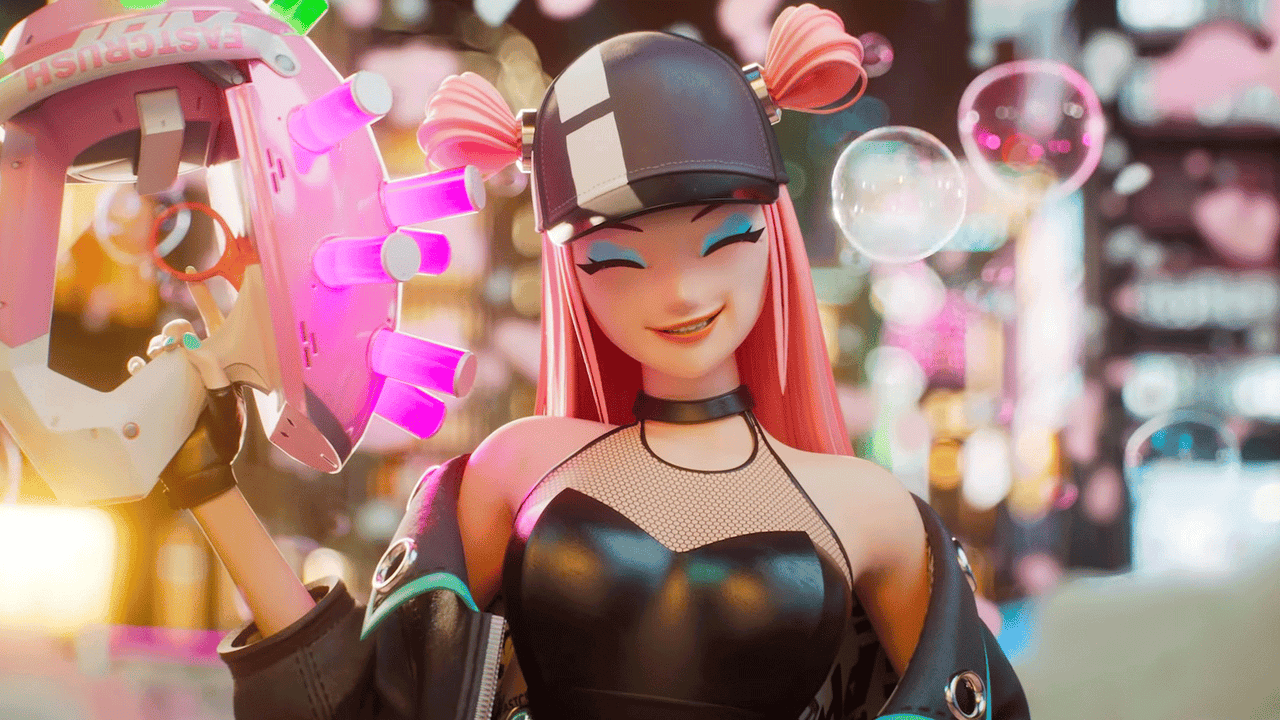
Square Enix has confirmed that the PlayStation exclusive game Foamstars utilizes AI-generated art for certain assets, particularly in creating in-game album covers for music tracks using the controversial AI tool Midjourney. The use of AI in the game constitutes a very small percentage, with the core elements and gameplay being predominantly handcrafted by developers. The inclusion of AI in Foamstars reflects Square Enix's commitment to applying cutting-edge technologies, but it also adds to the ongoing controversy surrounding AI's impact on creative industries, particularly in the context of video game voice actors and artwork.