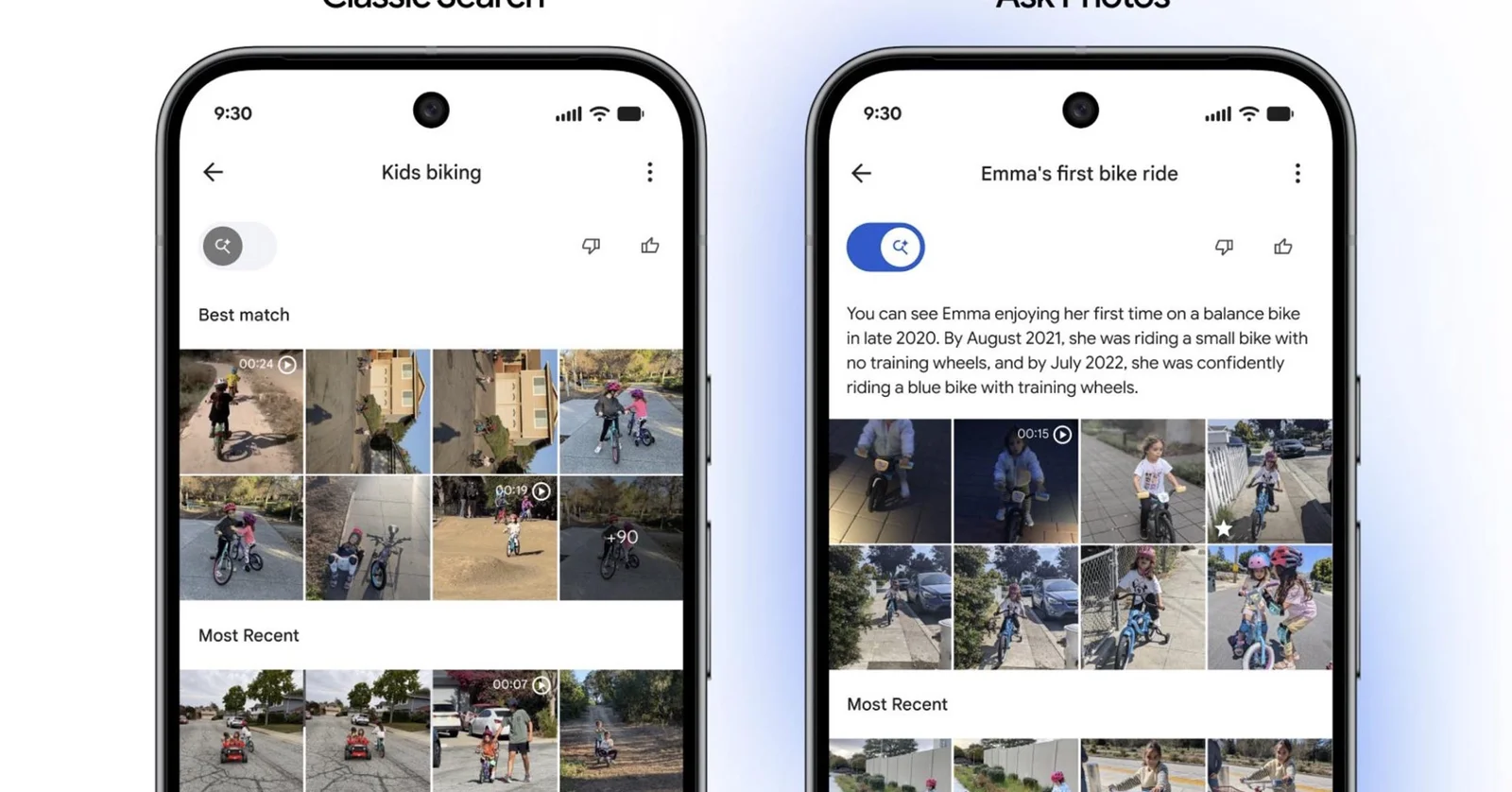
Google Photos is continuing to refine its AI-powered Ask Photos search; a new toggle lets users switch between Classic Search and Ask Photos results, without changing the underlying search function, and Google says some popular searches have improved while AI results may still feel slow.
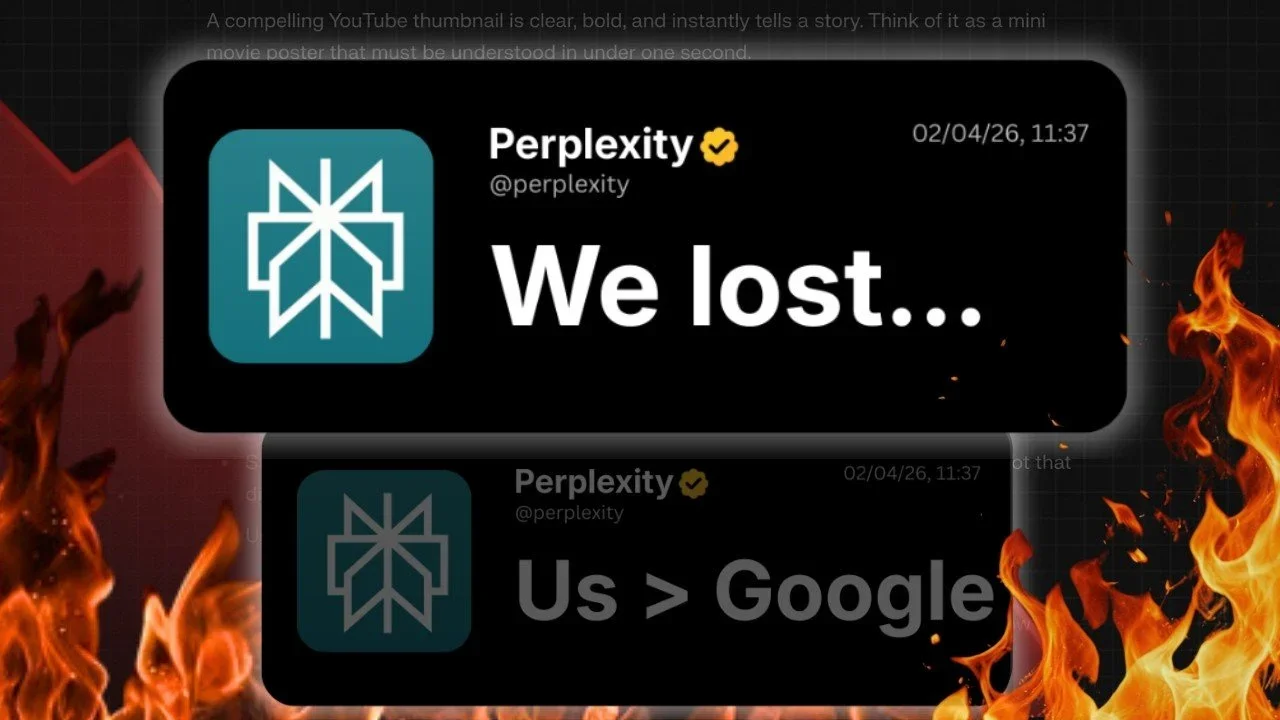
Perplexity launched in 2022 as an ad-free, citation-backed AI search, drawing early interest but failing to scale against Google and OpenAI due to reliance on external AI models, high operational costs, weak monetization, legal disputes over content scraping, and an unsuccessful Comet browser expansion, leaving it as a niche tool despite initial momentum.
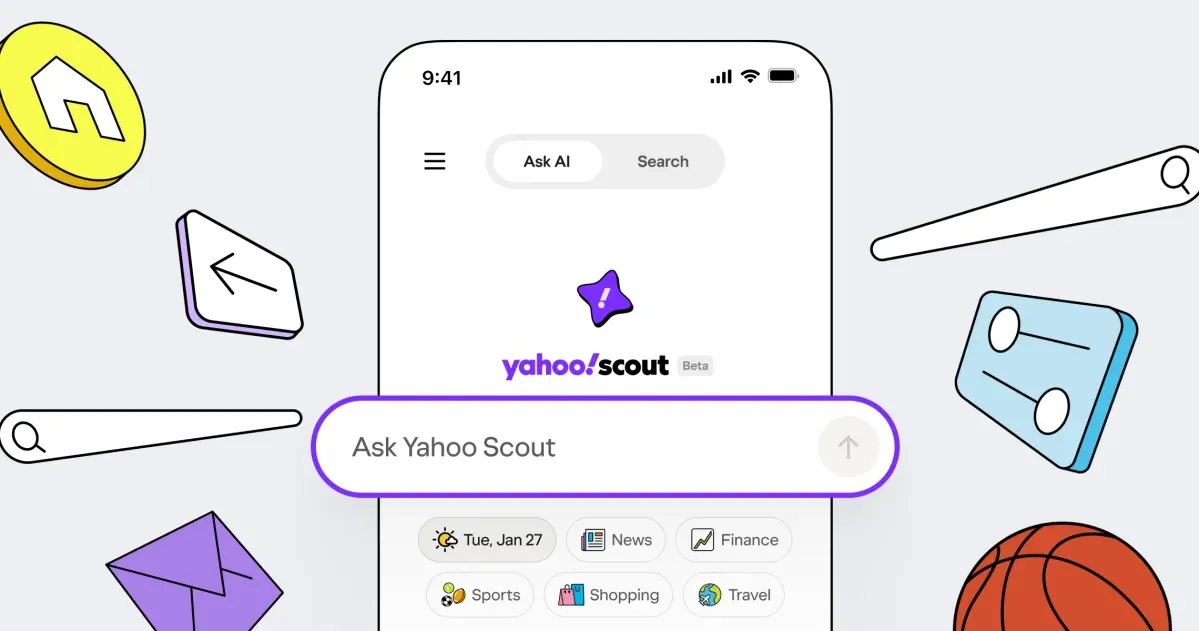
Yahoo re-enters the AI game with Scout, an AI-powered 'answer engine' built into Yahoo Search that aims to guide users through the web rather than be a chatty assistant. Scout combines Yahoo’s vast content and data with Anthropic’s Claude and Bing-powered search data, promises structured summaries and a page of sources, and is designed to monetize with shopping affiliate links and bottom-ads while keeping Scout free. Yahoo says it won’t build a new foundation model, preferring grounding and personalization on top of others’ models. Early tests show Scout is more like a traditional search engine with conversational results than a conversational bot, and Yahoo envisions Scout becoming central to Yahoo Search over time, potentially challenging Google but with a long trajectory.
Google's Danny Sullivan advises SEOs to focus on traditional SEO practices and content quality rather than dramatic changes for AI search, emphasizing that technical SEO has become less critical due to advanced CMSs, and that prioritizing AI-specific SEO efforts currently offers minimal returns.
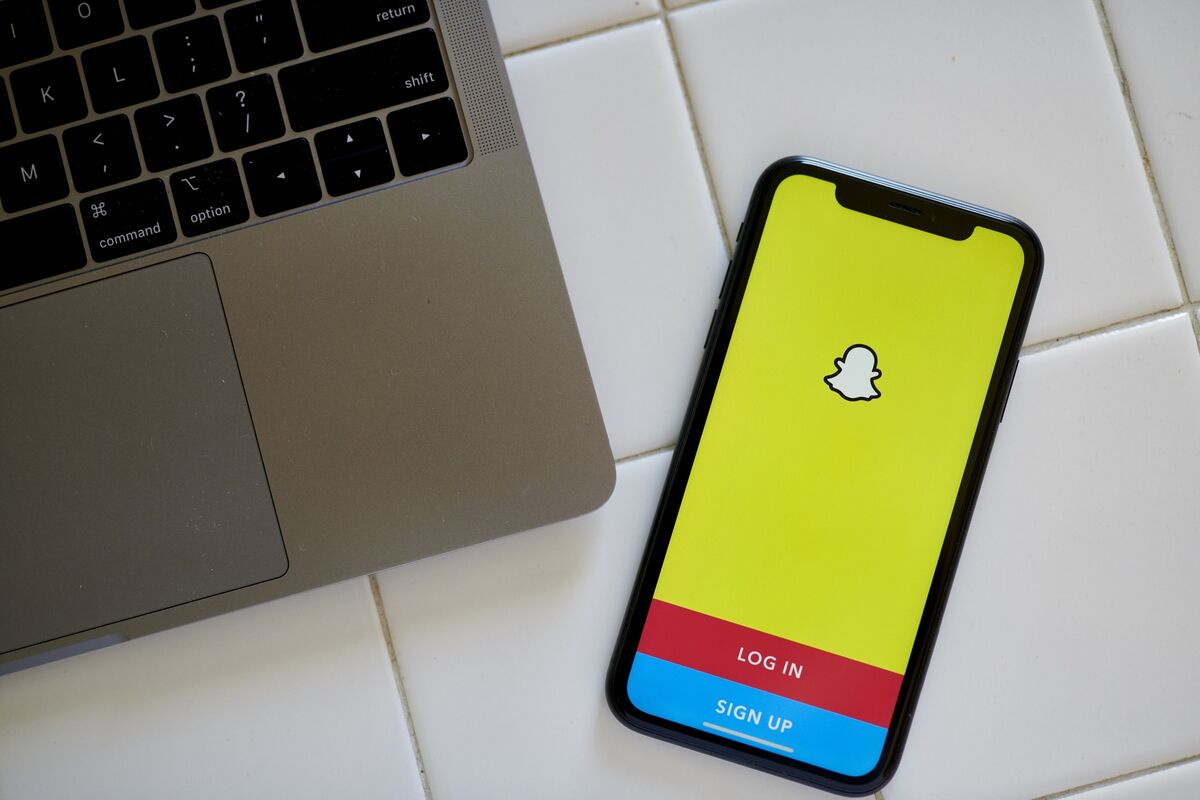
Snap Inc. announced a $400 million partnership with Perplexity AI to integrate its AI-powered search engine into Snapchat, enhancing its AI chatbot capabilities and opening new business avenues, with the integration expected in 2026. The company reported solid Q3 earnings, user growth, and a rebound in advertising revenue, despite challenges related to user engagement and regulatory compliance.
Snap Inc. and Perplexity are partnering to integrate Perplexity’s AI-powered answer engine into Snapchat, starting in early 2026, allowing users to ask questions and receive verifiable, conversational answers within the app, expanding Snapchat's AI capabilities and user engagement.
Google's VP of Product for Search highlights the growing importance of PR and high-quality content for AI-driven recommendations, emphasizing that AI search behaves similarly to human research, and that understanding user intent through multimodal and specific queries is crucial for ranking success in the evolving AI landscape.
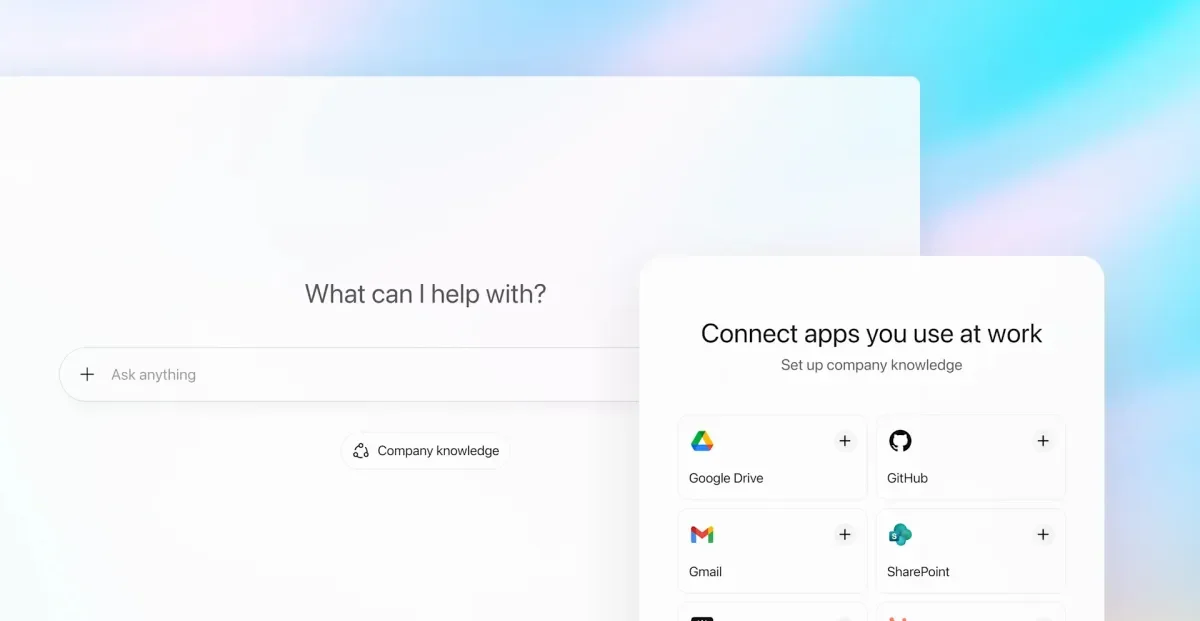
OpenAI has introduced a new ChatGPT feature powered by GPT-5 that enhances its ability to search and analyze workplace information across multiple sources like Slack, Google Drive, and SharePoint, providing more accurate and comprehensive responses with citations, aimed at improving productivity for business, education, and enterprise users.
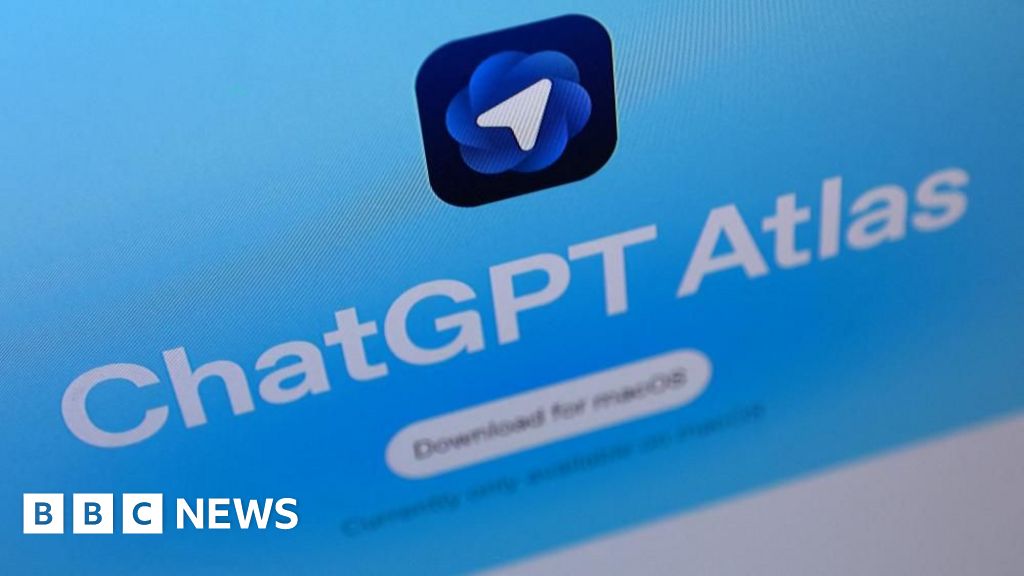
OpenAI has launched a new AI-powered web browser called ChatGPT Atlas on MacOS, aiming to compete with Google Chrome by integrating ChatGPT for search and browsing, including a paid agent mode for subscribers. The move reflects OpenAI's efforts to monetize its AI technology amid increasing competition and the rising popularity of AI-driven search solutions, although experts believe it may not significantly challenge established browsers like Chrome or Edge.
Apple faces setbacks in AI with the departure of its AI search leader to Meta, which is aggressively hiring top AI talent and investing heavily in AI projects, including a $30 billion deal with Blue Owl Capital. Meanwhile, Meta's Ray-Ban Meta glasses are boosting revenue for EssilorLuxottica, and AI stocks are significantly impacting the US market, increasing household wealth and consumer spending.
Ke Yang, Apple's head of AI search development, is leaving for Meta, amid a series of departures from Apple's AI division, which is working on making Siri more ChatGPT-like and competitive in AI-powered search, as part of broader efforts to revamp Siri and catch up with industry leaders like OpenAI and Google.
Google Lens now supports Nano Banana, an image generation feature from the Gemini app, within Google Search, allowing users to create and transform images directly from their search interface, initially available in the US and India, with more regions coming soon.
Google appears to restrict AI search results for queries about Trump's mental health, such as signs of dementia, while providing such information for other presidents like Biden and Obama. The company has not explained the inconsistency, raising concerns about potential bias or sensitivity around political figures and health topics.
Apple's upcoming Siri upgrade, delayed until 2026, may incorporate Google Gemini's AI technology to enhance web search capabilities, potentially competing with other AI engines and improving features like Spotlight and Safari on iPhone.
Apple is developing an AI-powered search feature for Siri, potentially using Google's help with a custom Gemini model, to provide web-based summaries and multimedia results, aiming to enhance Siri's capabilities alongside the upcoming iPhone 17 and iOS 26.4 release.