Israel’s air force achieved a rare air-to-air kill in the Iran conflict, downing an Iranian Yak-130 with an F-35—its first such victory in over four decades—highlighting a striking military edge even as political leadership over the war appears chaotic and the long-term consequences remain uncertain.
Despite chaotic political leadership, the Iran war has produced notable operational gains for Israel, including an air-to-air kill by an Israeli F-35 against an Iranian Yak-130 and a sustained air campaign, raising questions about the long-term regional costs and strategic direction.
A Kuwait incident where three U.S. F-15Es were downed by apparent friendly fire underscores a long-standing risk in modern air warfare, echoed by past cases (1994 Iraq Black Hawks, 2003 Tornado and F/A-18 incidents) and recent Red Sea and Ukraine air-defense challenges, showing that even with advanced tech and training, misidentifications and chaotic multi‑domain environments keep blue-on-blue losses possible in high-threat operations.
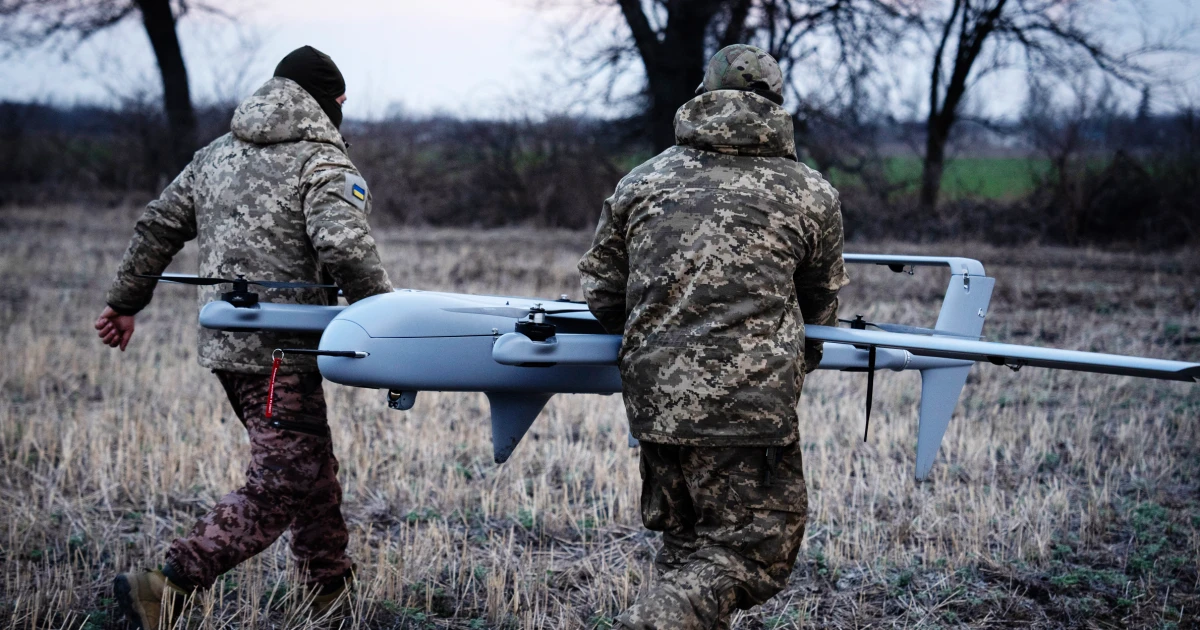
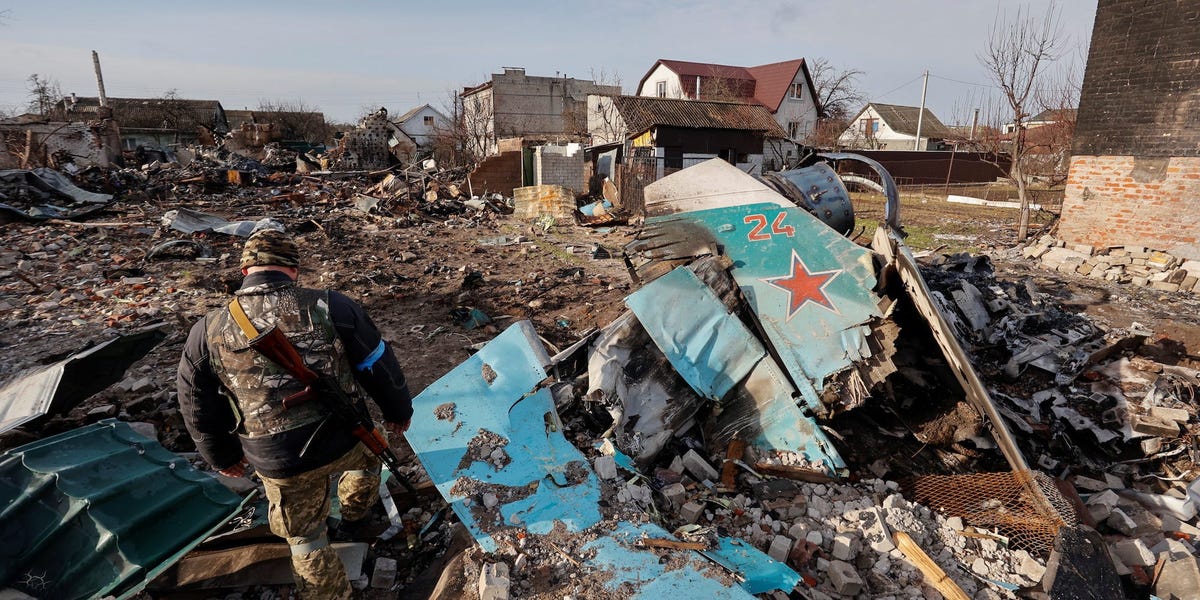
Ukraine claims to have used a barrage of drones to destroy at least six Russian military aircraft and damage eight others at an airfield in Russia's Rostov region, in one of Kyiv's biggest air attacks in the war. Russian defense officials, however, claimed they intercepted 44 Ukrainian drones and that only a power substation was damaged in the attack. The assault signals a new and potentially dangerous phase in the conflict as both sides struggle to achieve significant advances on the ground, with drone warfare playing a key role.
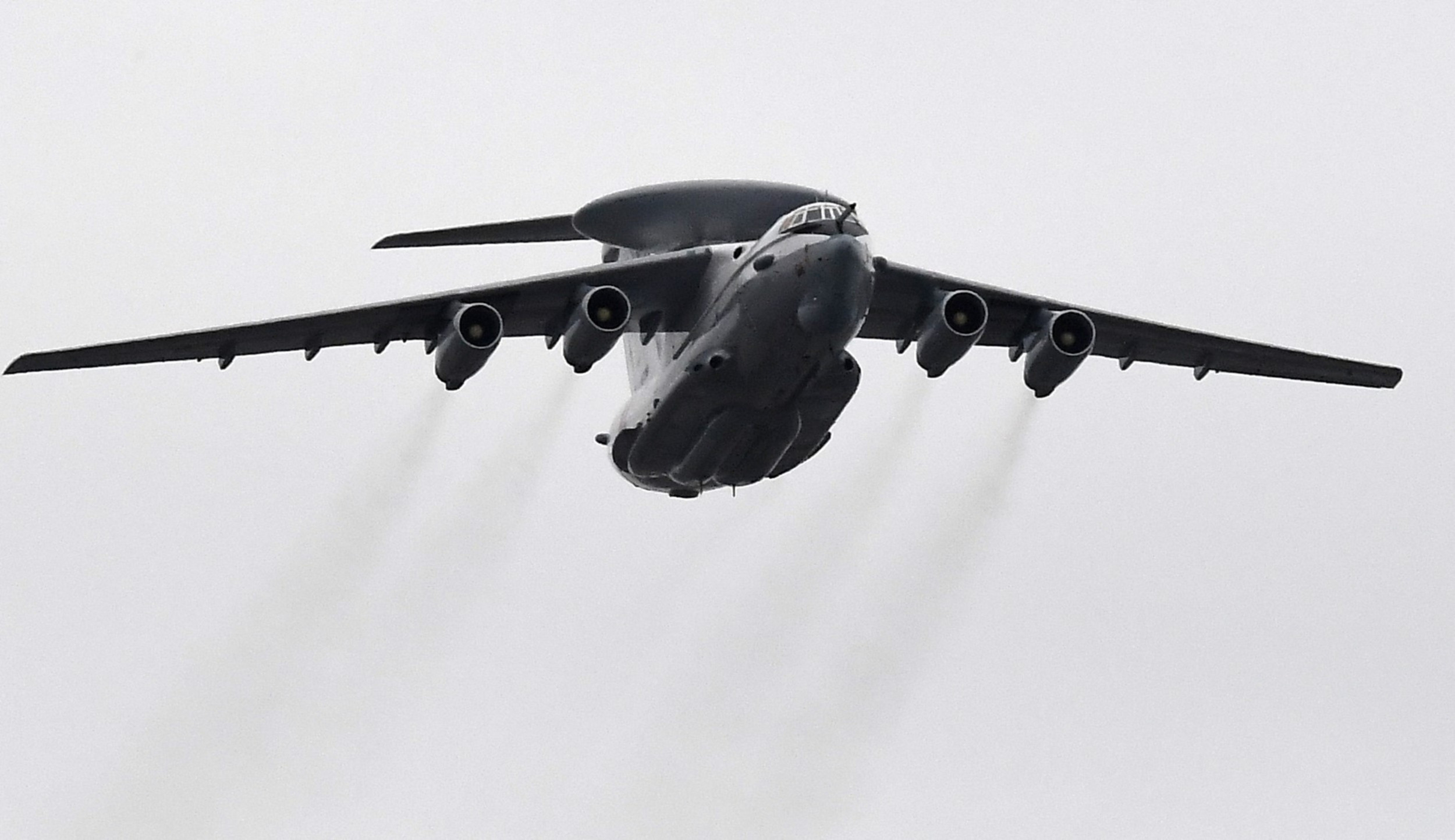
The UK Ministry of Defense reported that Russia's A-50 early warning aircraft fleet is likely grounded following Ukraine's success in shooting down two of these high-tech planes in recent months. With only a handful of these costly aircraft in its fleet, Russia's loss significantly degrades its situational awareness and air support capabilities. Ukraine has claimed a string of victories in shooting down Russian warplanes, forcing Russian pilots to fly further away to protect themselves, resulting in less accurate bomb strikes.
Russia has grounded its A-50 early warning and control planes after losing two of the valuable aircraft within a few weeks, following reported losses in Ukraine. The British Defense Ministry highlighted Russia's losses and Ukrainian gains, stating that the loss of the A-50 significantly degrades Russia's situational awareness and air support capabilities over contested airspace in eastern and southern Ukraine. The grounding comes after Ukraine claimed to have downed 14 Russian aircraft in 14 days, including the A-50, and as Russia looks to mitigate the threat posed by Ukrainian air defense.
Experts suggest that Russia's strategy of keeping its aircraft at a distance and using glide bombs to protect them may be giving Ukraine more time to shoot them down. By launching glide bombs from higher altitudes, Russian jets are exposed to longer-range Ukrainian air defense systems, making them more vulnerable. While Ukraine's recent success in shooting down Russian jets is unlikely to change the course of the war, it has hindered Russia's air operations. However, Ukraine's missile stocks are running low, posing a serious threat to its ability to continue repelling Russian aircraft.
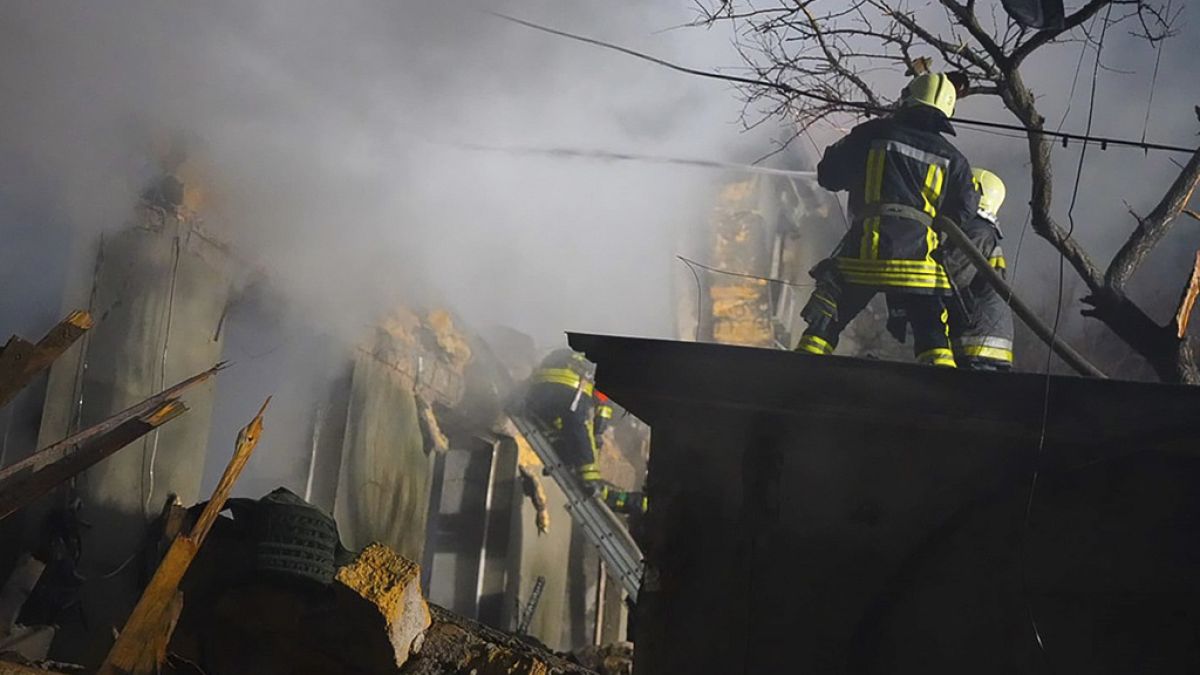
Ukraine's military claims to have shot down a second Russian AWACS plane, marking a significant victory as the conflict with Russia enters its third year. The downing occurred over the Krasnodar region, with intelligence sources indicating the plane's role in directing Russian battlefield movements in Ukraine. Meanwhile, Odesa was targeted twice in one day, resulting in casualties, underscoring Russia's continued aggression against Ukrainian cities. While the Russian military has not commented on the claim, some Russian military bloggers have suggested the plane may have been accidentally shot down by friendly fire.
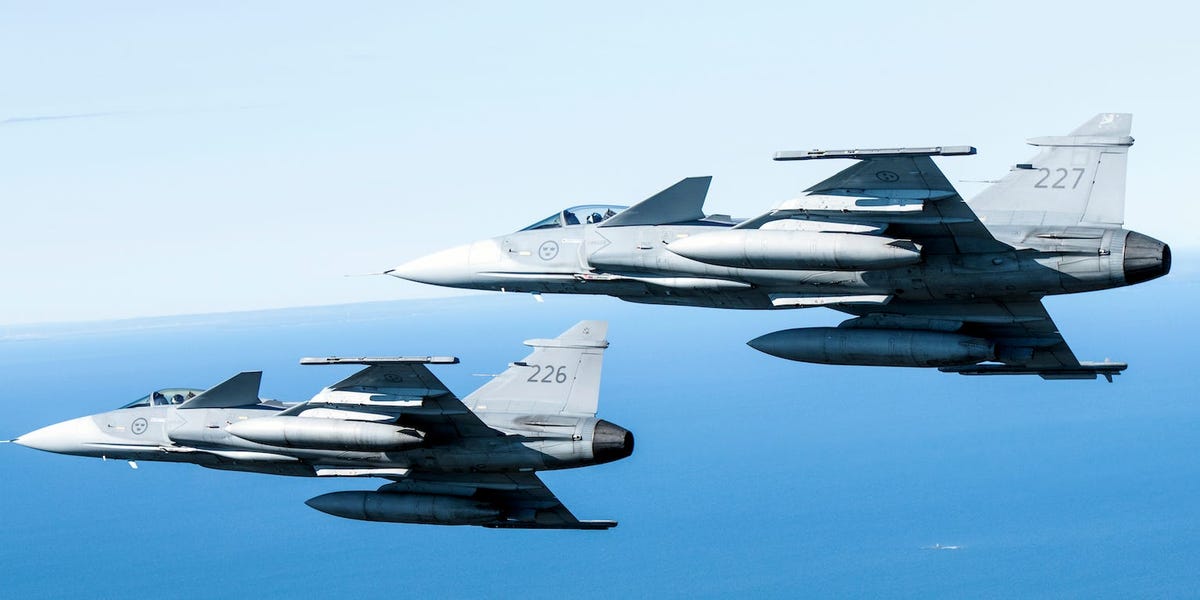
Ukraine has requested F-16 fighter jets from Western countries to counter Russia's technological edge in the air war. However, Ukrainian officials are also interested in acquiring Sweden's JAS 39 Gripen, which experts believe would be well-suited for Ukraine's needs. The Gripen has advanced capabilities, including supersonic speeds, a range of air-to-air missiles, and a pilot-friendly design. It is also cost-effective to operate and has a short-takeoff-and-landing capability. Despite its reputation, the Gripen has lost previous competitions to the F-35. Ukraine hopes to showcase the Gripen's combat experience against the Russian Air Force to secure its delivery, but finding available aircraft may prove challenging.