Tag

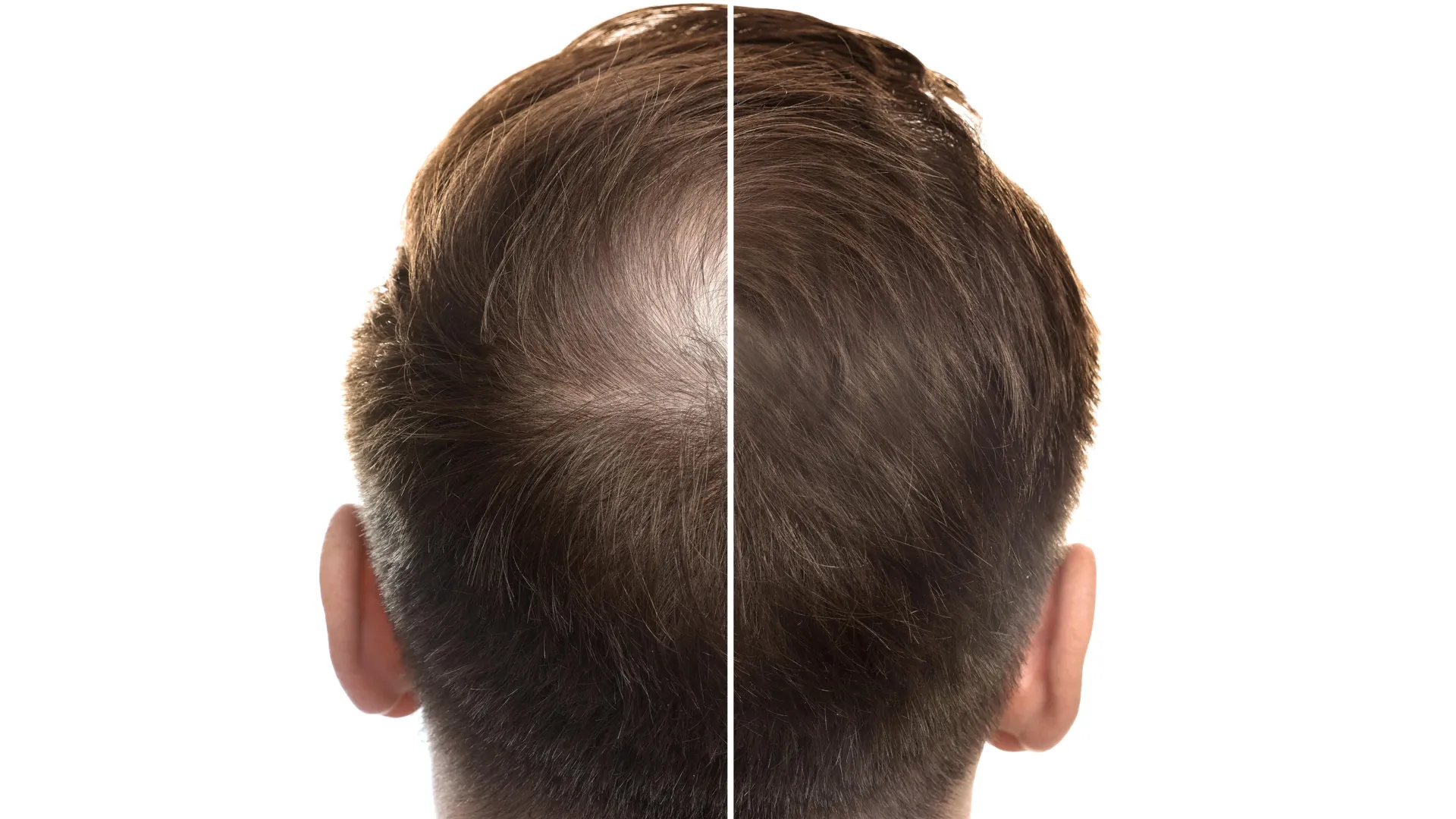
Alopecia

All articles tagged with #alopecia

Tirzepatide Might Trigger More Hair Loss Than Semaglutide, Early Study Suggests
health7 days ago

Tirzepatide Might Trigger More Hair Loss Than Semaglutide, Early Study Suggests

A preprint study comparing tirzepatide (Zepbound/Mounjaro) with semaglutide (Ozempic/Wegovy) in 8,985 women found higher incident alopecia with tirzepatide (5.44% vs 3.63%). At six months, 1.55% vs 1.24%; at twelve months, 4.20% vs 2.88%. After adjusting for weight loss, hair loss remained more common with tirzepatide (4.24% vs 3.33%), suggesting weight loss alone doesn’t explain the difference. The study is observational and not yet peer‑reviewed. Experts note GLP-1 meds can cause temporary shedding, and persistent patches should be evaluated by a dermatologist; patients should not stop their medication without physician guidance. The differing receptor targets (GIP/GLP-1 for tirzepatide vs GLP-1 alone for semaglutide) may influence the hair follicle environment, but mechanisms are not yet clear.

GLP-1 Meds May Trigger Rare Hair Loss, Study Finds
health1 month ago

GLP-1 Meds May Trigger Rare Hair Loss, Study Finds

A BMJ study links GLP-1 diabetes/weight‑loss meds (semaglutide and tirzepatide) to a small but higher risk of non-scarring hair loss (alopecia) compared with SGLT-2 or DPP-4 therapies. After roughly 2.7 years, GLP-1 users had about 37% higher odds than SGLT-2 and 68% higher than DPP-4, with absolute rates of about 3–9 cases per 1,000 people per year. Hair shedding is usually non-permanent and may reflect telogen effluvium triggered by rapid weight loss or nutrient gaps; while the benefits of GLP-1 drugs remain substantial, patients should be aware of this potential trade-off and monitor for hair changes.

Hair-loss risk linked to GLP-1 weight-loss drugs in large study
science1 month ago

Hair-loss risk linked to GLP-1 weight-loss drugs in large study

A BMJ study of about 50,000 patients finds that GLP-1 receptor agonists used for diabetes and obesity (Mounjaro, Wegovy, Ozempic) are linked to a higher risk of hair loss than other diabetes meds, with a 37% higher risk vs SGLT-2 inhibitors and 68% higher vs DPP-4 inhibitors; most hair loss is non-scarring and may relate to weight loss/caloric restriction and micronutrient changes, though regulators are reviewing safety signals; hair loss is usually not physically harmful but can affect quality of life.

GLP-1 Weight-Loss Drugs Show Small, Reversible Link to Hair Loss
health1 month ago

GLP-1 Weight-Loss Drugs Show Small, Reversible Link to Hair Loss

A BMJ study of electronic health records finds GLP-1 receptor agonists, used for type 2 diabetes and obesity, are associated with a higher but still rare risk of alopecia compared with SGLT-2 and DPP-4 inhibitors; most cases are reversible as hair follicles remain intact; rapid weight loss and nutritional factors may contribute; the risk could affect patient satisfaction and adherence, and more research is needed to understand mechanisms and identify who is at greatest risk.

GLP-1 Weight-Loss Drugs May Bring Tiny Hair-Loss Risk
health1 month ago

GLP-1 Weight-Loss Drugs May Bring Tiny Hair-Loss Risk

A Penn Medicine study of about 12,000 adults with type 2 diabetes newly started on GLP-1 drugs (including Ozempic and tirzepatide) found a small but higher risk of alopecia compared with users of other diabetes meds—about 1.6% developed hair loss over roughly two to three years, with GLP-1 users 37% more likely than SGLT-2 inhibitors and 68% more likely than DPP-4 inhibitors. The effect is mainly non-scarring and may be reversible; weight loss and possible nutrient deficiencies (iron, zinc) could drive a telogen effluvium mechanism. The study is observational and cannot prove causation; FDA labeling already lists alopecia as a potential adverse reaction, and ongoing dermatologic surveillance is advised.

New Study Flags Hair Loss Risk with GLP-1 Drugs
health1 month ago

New Study Flags Hair Loss Risk with GLP-1 Drugs

A BMJ study led by the University of Pennsylvania finds that GLP-1 receptor agonists used for obesity and type 2 diabetes are linked to a higher risk of non-scarring hair loss compared with SGLT-2 and DPP-4 inhibitors, though the absolute risk is small (about 7 in 1,000 per year). The researchers suggest rapid weight loss and nutritional changes as potential mechanisms and call for more research, while noting the need to weigh this potential side effect against the drugs’ benefits in shared decision-making.

Beyond Minoxidil: A multi-modal guide to boosting hair growth
health2 months ago

Beyond Minoxidil: A multi-modal guide to boosting hair growth

Minoxidil remains effective but requires ongoing use and can cause scalp irritation or unwanted facial hair; experts review alternatives such as low-dose oral minoxidil, mesotherapy, rosemary oil, copper peptides, low-level laser therapy, PRP, saw palmetto, microneedling, ketoconazole shampoo, caffeine-based products, stem-cell therapies, and Regenera activa. These options often work best as part of a multi-modal plan that supports scalp health and the follicle environment rather than replacing minoxidil outright. Always consult a clinician for personalized guidance, and be aware of safety considerations like hormonal effects and pet toxicity from topical minoxidil.

Protector Protein MCL-1 Could Enable Hair Regrowth
science4 months ago

Protector Protein MCL-1 Could Enable Hair Regrowth

A Nature Communications study identifies MCL-1 as a cellular safeguard that lets activated hair follicle stem cells survive the stress of regrowth; without MCL-1, p53-driven cell death destroys the stem cells and halts hair regeneration, while blocking p53 can resume growth. ERBB signaling boosts MCL-1, and removing just one copy of the Bak gene can restore normal growth even without MCL-1, pointing to new therapeutic avenues for alopecia and broader insights into stem‑cell repair and cancer.

2026 Hair-Loss Treatments: proven therapies, new drugs, and promising trials
health7 months ago

2026 Hair-Loss Treatments: proven therapies, new drugs, and promising trials

The Healthline piece surveys current and prospective hair‑loss treatments, highlighting established options finasteride and minoxidil as effective, affordable therapies, noting three FDA‑approved JAK inhibitors (Olumiant, Litfulo, Leqselvi) for alopecia areata with safety warnings, and surveying emerging approaches such as clascoterone, PP405, ET-02, stem-cell therapies, and fatty‑acid treatments. While these newer options show promise, many are still in early trials, and long‑term durability and safety remain uncertain. Experts emphasize early intervention and consulting ABHRS‑certified physicians for accurate diagnosis and personalized treatment planning.

Deoxyribose Gel Prompts Hair Regrowth in Balding Mice
science7 months ago

Deoxyribose Gel Prompts Hair Regrowth in Balding Mice

UK/Pakistan researchers report that a biodegradable gel made from the DNA sugar deoxyribose, when applied daily to shaved balding mice, triggered robust hair regrowth comparable to minoxidil, with no additional boost when combined with minoxidil; the effect is linked to increased blood supply to hair follicles, suggesting a potential new alopecia treatment, though findings are early and limited to male mice.

Shelter Rescuers Uncover Identity of Mystery Animal
animal-welfare2 years ago

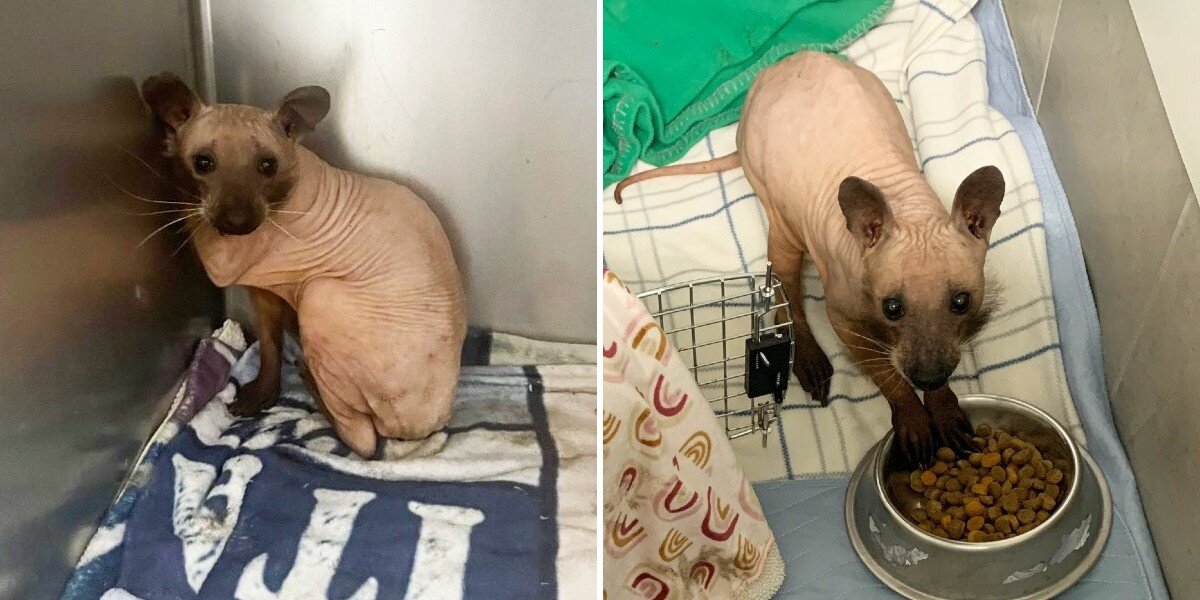
Shelter Rescuers Uncover Identity of Mystery Animal

A hairless raccoon was taken to a wildlife rehabilitation center in Nova Scotia, Canada, after a homeowner found her in their backyard. Rescuers discovered that the raccoon, named Rufus, was suffering from alopecia, causing her to lose all her fur. Despite her condition, Rufus has been accepted by other rescue raccoons and is being cared for by Hope For Wildlife. Rescuers are working to determine the cause of her alopecia and whether she can be released back into the wild in the future.