A federal judge declined to force Google to divest its AdX ad exchange or publisher ad server, opting for behavioral remedies to spur competition in online advertising, preserving Google's core ad businesses and marking another setback for the DoJ in its antitrust actions against Alphabet.
Alphabet shares slid about 3% after GuruFocus reported OpenAI’s ChatGPT Ads reached a $1 billion annualized ad revenue run rate, up from a $100 million pilot and expanding to more markets. Google Services posted roughly $94.5 billion in Q2 revenue, so OpenAI’s run rate represents only a small fraction of Alphabet’s annual ad sales (about 0.3%), but the rapid growth signals a potential challenger to Alphabet’s ad monopoly.
Alphabet plans to raise up to $25 billion in investment-grade bonds to fund data-center and AI infrastructure, after boosting its 2026 capital expenditure forecast to $195–$205 billion. Q2 spending remained high as Google Cloud revenue surged 82% and backlog reached $514 billion, while free cash flow was negative (-$5.9 billion) despite substantial cash on hand. The move signals financing for an AI-driven expansion, but it raises questions about whether cloud revenue and margins will offset depreciation, energy and interest costs; the strategy’s durability depends on continued cloud growth, backlog conversion and monetization of AI products.
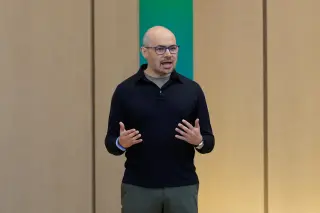
An anonymously sourced Semafor report says Demis Hassabis has been planning to step down as Google DeepMind CEO for about a year to become Alphabet’s chief scientist, while remaining DeepMind chair and heading Alphabet’s AI drug‑discovery arm Isomorphic Labs. Alphabet confirmed a broader leadership shakeup to sharpen its AI strategy, with Hassabis continuing to influence DeepMind’s and AlphaFold’s ecosystem.
Alphabet’s DeepMind is undergoing a leadership shake-up: Demis Hassabis will become DeepMind chair and Alphabet chief scientist; Koray Kavukcuoglu will become DeepMind senior vice president; Jeff Dean and Sanjay Ghemawat are leaving to form Discovery Loop. The moves come as Alphabet reports strong AI-driven growth (latest quarter revenue up 82% to $24.77B) but Gemini 3.5 Pro delays and higher capex guidance (to about $195–$205B) weigh on sentiment, with GOOG stock falling roughly 4% on the news.
Alphabet’s Q2 capex rose to $44.9B with full-year guidance raised to $195–$205B and a big step-up expected in 2027. The market sold GOOG/GOOGL in premarket trading, sending the stock below its 100-day moving average for the first time since April and into potential test of the 200-day around $323. Investors weigh AI-spending costs against upside from Cloud growth (up 82% to $24.8B) and Gemini-enabled monetization, with analysts arguing Alphabet is best positioned to capitalize on AI despite mounting capex.
Alphabet posted 24% YoY revenue growth in Q2 2026, driven by Google Services (up 15%) and an 82% jump in Cloud revenue to $24.8B, supported by a cloud backlog of $514B. Operating income was $40.8B on a 34% margin; net income benefited from unrealized equity gains. Free cash flow was negative $5.9B due to $44.9B in capex. YouTube ads rose 13% while Other Bets remained loss-making at $1.8B. Management highlighted AI initiatives, rolling out Gemini 3.6/4 models and expanding TPU/GPU capacity, with supply constraints in AI infra and ongoing capex to support growth into 2027.
Alphabet raised about $84.75 billion in a record equity offering—the largest ever and its first in more than two decades—with $35 billion sold publicly, $40 billion in secondary sale over time, and a $10 billion Berkshire Hathaway private placement after strong demand from more than 75 investors. The deal, along with new debt taking Alphabet’s total to about $100 billion, is aimed at funding a massive AI infrastructure push—including roughly $190 billion of AI-related capex this year—while cloud and hyperscaler spending remains a focus; Berkshire will hold about $32 billion of Alphabet stock, making it one of Berkshire’s largest public stakes. CFO Anat Ashkenazi described the move as boosting Alphabet’s financial flexibility.
Alphabet plans to raise up to $80 billion in equity to fund its AI infrastructure investments, including a $10 billion private placement to Berkshire Hathaway—its first stock sale in more than two decades. The move accompanies an expected up to $190 billion in capital expenditure this year, funded in part by debt, as Alphabet seeks to diversify funding sources. Berkshire would own about $32 billion of Alphabet, elevating its stake among Berkshire’s top holdings. Proceeds will also cover changes to taxes on vesting employee stock grants, with about $30 billion from common/convertible shares and up to $40 billion from open-market sales expected starting in Q3. Goldman Sachs acted as placement agent for Berkshire and joint bookrunner on the equity raise with JPMorgan Chase and Morgan Stanley. Google Cloud posted a 63% YoY revenue rise to $20 billion in Q1, highlighting AI-driven growth.
An opinion piece argues that AI-optimized smartphones could disrupt Apple’s iPhone-centric business, with OpenAI and Google leading the charge. Apple’s current AI investments and mature hardware leave it vulnerable to rapid shifts and ecosystem migration, while the author contends Google will ultimately win the AI smartphone battle, absorbing a meaningful portion of Apple’s roughly $4 trillion market value.
Kalshi traders are betting Alphabet's upcoming earnings call will spotlight artificial intelligence, with bets on AI-related mentions like Wiz climbing to about 81% earlier in April before easing, suggesting markets expect discussions of Wiz, DeepMind, Gemini and other AI initiatives.
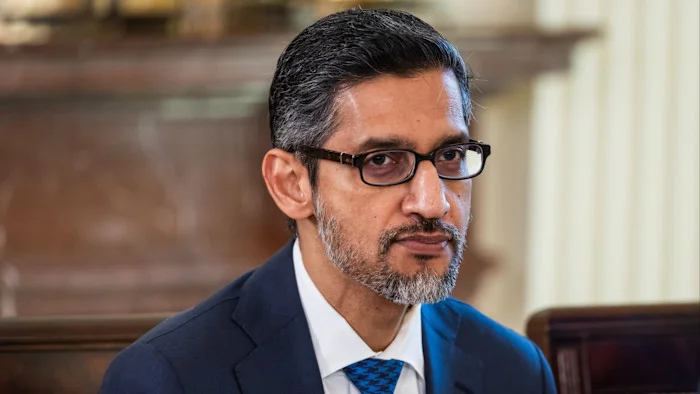
Alphabet has boosted Sundar Pichai’s total potential compensation to up to $692 million over the next three years, largely through performance stock units tied to shareholder returns, plus $84 million in restricted stock and a $2 million annual salary. The package also adds up to $350 million in incentives linked to its Waymo autonomous‑driving unit and Wing drone delivery business, with Waymo ($130 million target) and Wing ($45 million target) able to pay out up to 200% of target, for a baseline of about $391 million in stock and salary and a maximum of $692 million if performance is exceeded.
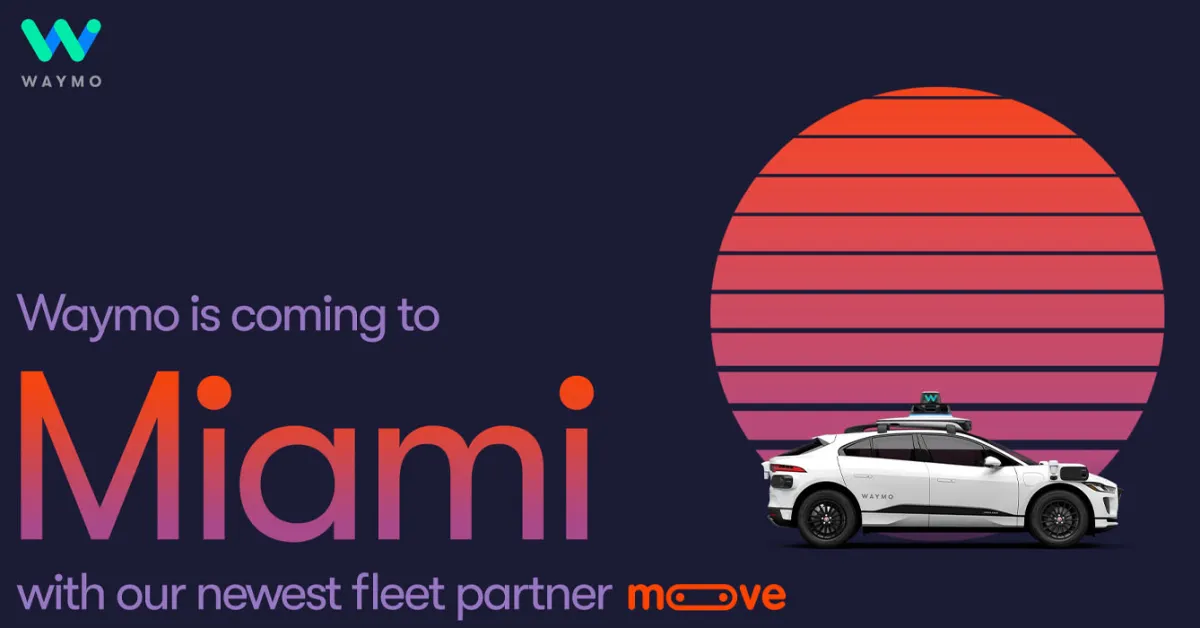
Waymo is set to expand its Waymo One robotaxi service to Miami, with testing beginning in early 2025 and public rides expected by 2026. This expansion is part of Waymo's broader strategy to introduce autonomous taxi services in new cities, backed by significant investment from Alphabet Inc. and other firms. The company has partnered with Moove to manage its fleet, initially starting in Phoenix before moving to Miami. Waymo has previously tested its technology in Florida's challenging weather conditions to enhance its self-driving capabilities.
Google is in advanced talks to acquire cybersecurity startup Wiz for about $23 billion, which would be its largest acquisition ever. This follows Alphabet's decision not to pursue HubSpot due to antitrust concerns. Wiz, founded in 2020, has seen significant revenue growth and is backed by major venture capital firms. The deal would surpass Google's previous largest acquisition of Motorola Mobility for $12.5 billion in 2012.
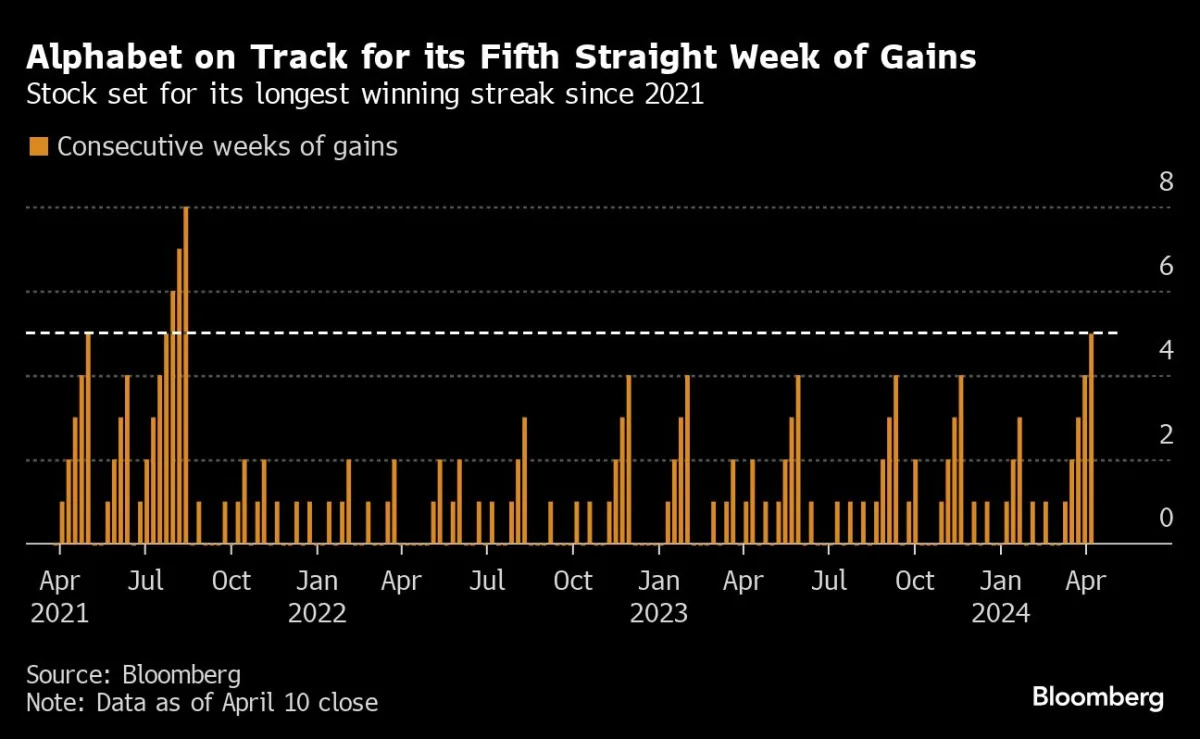
Investors are showing increased optimism in Alphabet Inc.'s artificial intelligence strategy, propelling the company's stock toward a potential $2 trillion market value. Despite recent glitches and misfires, the company's focus on AI progress and enterprise-ready cloud offerings has boosted investor confidence. With upcoming earnings and a developer's conference, Alphabet aims to demonstrate its AI monetization potential. The stock's relatively cheap valuation and advancements in AI capabilities have attracted Wall Street's attention, despite some skepticism. Additionally, news of Apple considering using Google's AI technology has further fueled the stock's rebound.