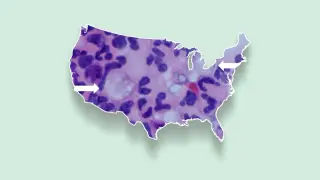
A man-made water feature at a Durham mental health center is the likely source of a fatal brain-eating amoeba infection that killed a 17-year-old boy. CDC data shows 180 cases in the US since 1937, with Texas and Delaware having the most.

A North Carolina teenager died on August 31, 2026, from a rare brain-eating amoeba infection. This death follows the August 22 death of an 8-year-old girl in Louisiana from the same pathogen. Health officials are investigating the source of the infection, which is transmitted through the nose during water activities.
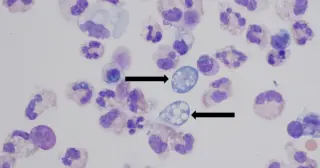
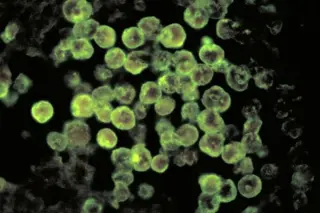
A North Carolina teenager, identified by his mother as Moises Ponce Mendoza, died on August 31, 2026, after contracting Naegleria fowleri, a rare and often fatal brain-eating amoeba. The North Carolina Department of Health and Human Services (NCDHHS) confirmed the death, noting the infection is almost always fatal once symptoms begin. The teen had been hospitalized at UNC after severe headaches, with NCDHHS and the CDC investigating the source of exposure in warm freshwater.
A teenager in central North Carolina is critically ill with Naegleria fowleri, a rare brain-eating amoeba found in warm freshwater. The infection, known as primary amebic meningoencephalitis (PAM), is usually fatal and progresses rapidly. Health officials have not disclosed the specific location of exposure, but they are coordinating with the CDC to investigate potential sources. The case follows the recent death of a child in Louisiana from the same pathogen.
A teenager in central North Carolina is in critical condition after contracting Naegleria fowleri, a rare brain-eating amoeba found in warm freshwater. State health officials confirmed the case on August 27 but withheld patient details to protect privacy. The infection, known as primary amebic meningoencephalitis, is almost always fatal and progresses rapidly. While the specific source of exposure is under investigation, officials warned that the amoeba thrives in warm lakes, rivers, and ponds, particularly during hot weather. This case follows the recent death of an 8-year-old girl in Louisiana from the same pathogen.
A teenager in central North Carolina is critically ill with Naegleria fowleri, a rare brain-eating amoeba found in warm freshwater. State health officials confirmed the case on August 27, 2026, urging swimmers to protect their noses while in lakes and rivers. The infection is almost always fatal, with fewer than 10 cases reported annually in the U.S.
An 8-year-old girl from Ruston, Louisiana, died after contracting Naegleria fowleri, a rare brain-eating amoeba, likely during a swim in Lake Claiborne. The infection, known as primary amebic meningoencephalitis, is almost always fatal and affects the nose and brain. Louisiana has recorded three such cases since 2011, with most occurring in summer months. Health officials advise precautions in warm freshwater, including keeping heads out of the water and using nose clips.
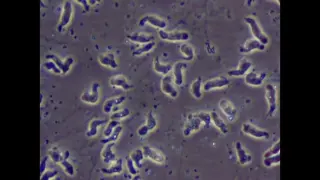
A newly discovered single-celled amoeba, Incendiamoeba cascadensis, can survive and grow at temperatures up to 63°C, surpassing previous records for eukaryotic organisms, challenging assumptions about the thermal limits of complex life.
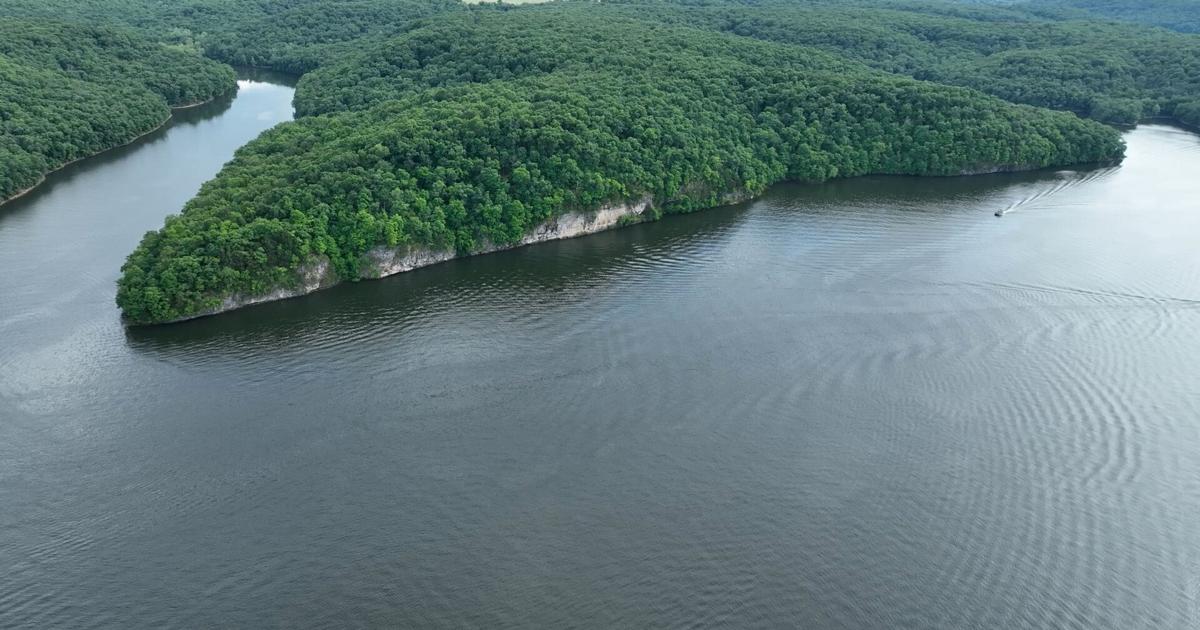
A man in Missouri died after contracting primary amebic meningoencephalitis, a rare and deadly brain infection caused by a 'brain-eating' amoeba, likely from water skiing at Lake of the Ozarks. The amoeba is present in warm, fresh water and poses a very low risk, with symptoms including severe headache, fever, and seizures. Prevention includes avoiding warm freshwater bodies or using nose clips during water activities.
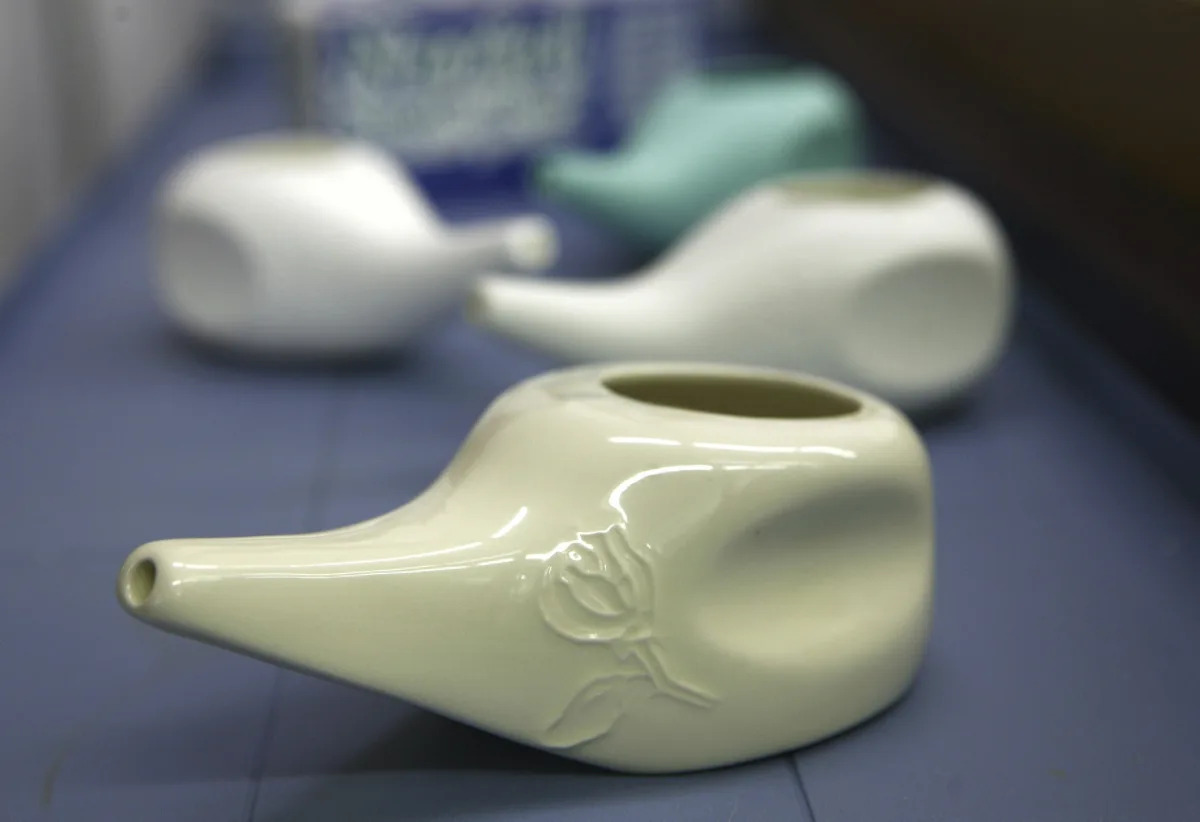
The CDC has linked Acanthamoeba infections to neti pots and nasal rinsing, renewing warnings about the potential dangers of using tap water for nasal irrigation. A study focused on 10 patients who fell ill between 1994 and 2022, three of whom died, revealed commonalities such as weakened immune systems and nasal rinsing practices. Acanthamoeba, a deadly amoeba found in tap water, can cause serious and potentially life-threatening illnesses, with a fatality rate of 85% in reported cases. The CDC recommends using boiled, sterile, or distilled water for nasal rinsing to mitigate the risk of infection.