Tag

Extreme Conditions

All articles tagged with #extreme conditions

New Laser Experiments Reveal Diamond Melts Directly to Liquid, Skipping Predicted Phase
science3 months ago

New Laser Experiments Reveal Diamond Melts Directly to Liquid, Skipping Predicted Phase

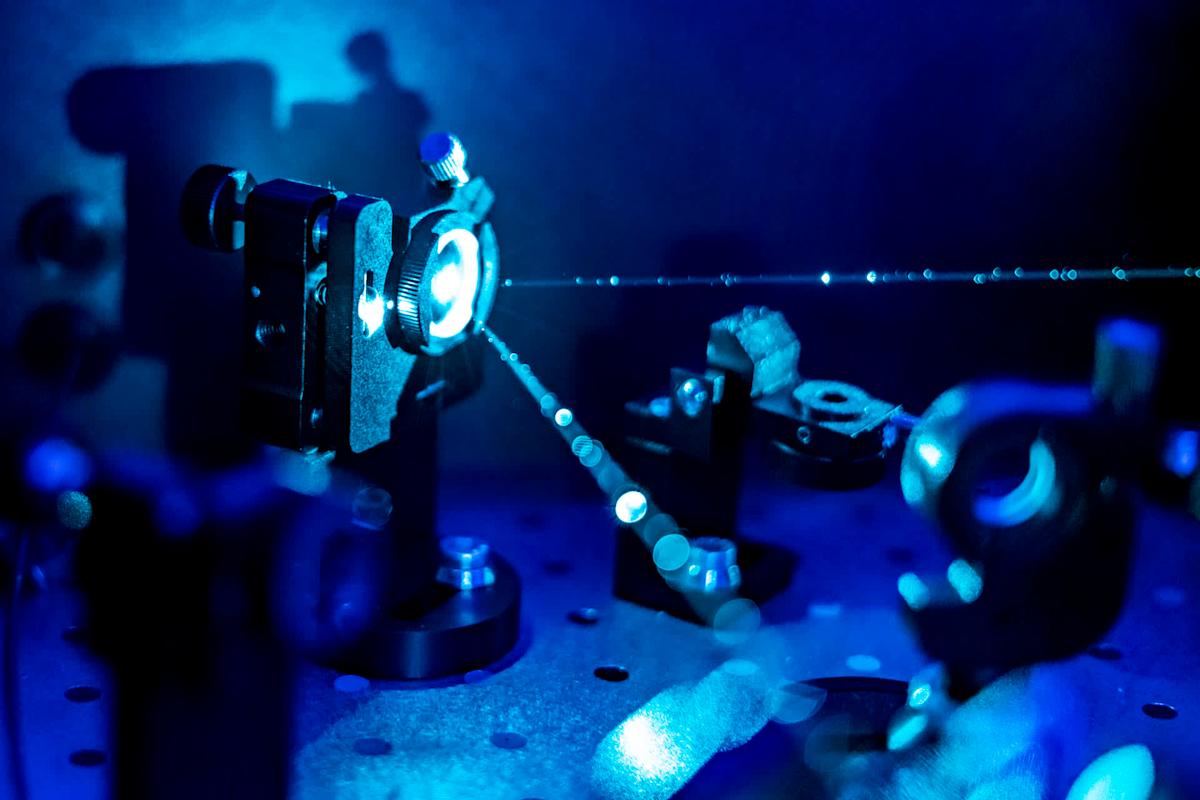
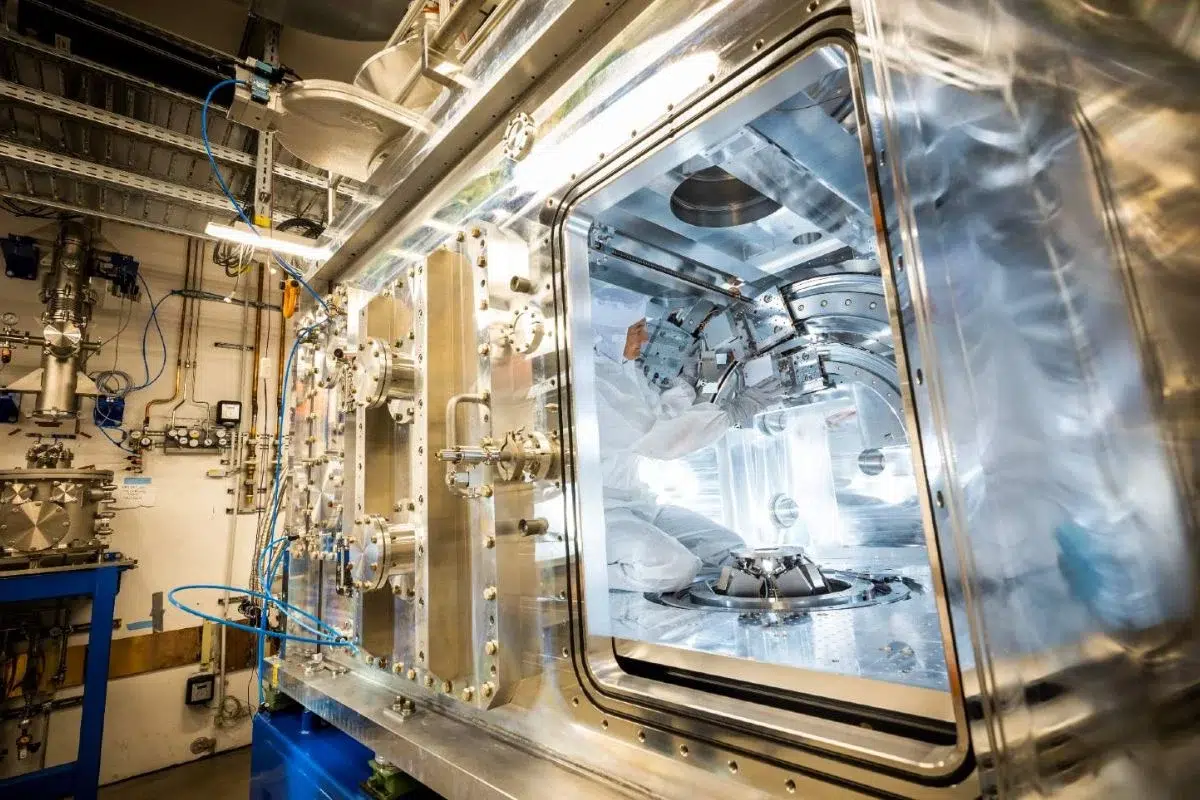
A team led by Marius Millot at Lawrence Livermore National Laboratory has resolved a long-standing discrepancy in diamond melting physics. Using the OMEGA Laser Facility, they shocked diamond samples to pressures between 600 gigapascals and 1.8 terapascals. The experiments confirmed a melting temperature of approximately 7,300 Kelvin at 1 terapascal, aligning with theoretical predictions and correcting previous experimental errors by over 1,000 degrees. Crucially, X-ray diffraction showed that diamond retains its cubic crystal structure until it fully melts, skipping the predicted BC8 intermediate phase. This finding implies that solid diamond is less dense than the resulting liquid carbon, a property similar to ice, which has significant implications for modeling inertial confinement fusion targets and planetary interiors.

Hiroshima Blast Forged a Novel Metallic Alloy, Scientists Confirm
science3 months ago

Hiroshima Blast Forged a Novel Metallic Alloy, Scientists Confirm

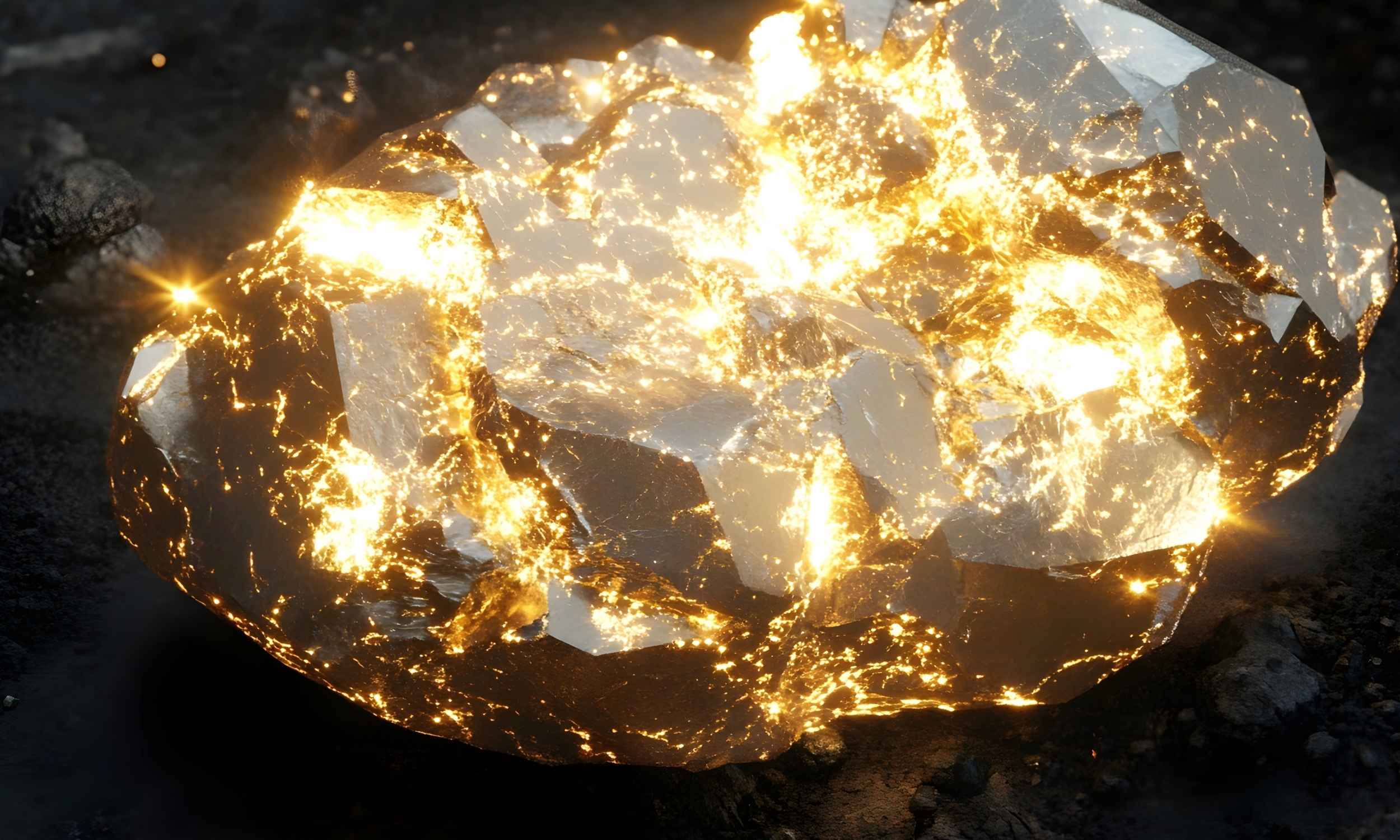
A team led by Luca Bindi of the University of Florence has identified a previously unknown metallic alloy within microscopic debris from the 1945 Hiroshima atomic bombing. Published in Science Advances, the discovery reveals that the extreme heat and rapid cooling of the blast created a complex cubic lattice of iron, chromium, nickel, manganese, molybdenum, silicon, and aluminum. This material, found in beach sands of Hiroshima Bay, represents a unique crystalline structure not seen in nature or laboratories, highlighting how violent events can forge new matter.

Hiroshima debris reveals a novel alloy forged by the blast
science3 months ago

Hiroshima debris reveals a novel alloy forged by the blast

Researchers analyzing microscopic debris from Hiroshima Bay identified a previously unseen alloy consisting of iron, chromium, nickel, manganese, molybdenum, silicon, aluminum and other elements arranged in a complex cubic lattice. forged by the explosion’s extreme, rapid heating and cooling, these microdroplets act as tiny laboratories, preserving a record of conditions that existed for fractions of a second. The finding, published in Science Advances, broadens understanding of how extreme events can create novel materials and may shed light on related structures like quasicrystals.

Gold Surprises as It Behaves Unusually When Superheated Beyond Melting Point
science1 year ago

Gold Surprises as It Behaves Unusually When Superheated Beyond Melting Point

A new study reveals that gold can be heated up to 14 times beyond its traditional melting point without melting, challenging existing models of superheating limits and suggesting that some solids may not have a definitive melting point under ultra-fast heating conditions. This discovery has significant implications for understanding matter behavior in extreme environments like space and nuclear reactors.

Scientists Create Liquid Carbon in Lab, Boosting Nuclear Fusion Research
science1 year ago

Scientists Create Liquid Carbon in Lab, Boosting Nuclear Fusion Research

Scientists have successfully created liquid carbon in the lab for the first time, using high temperatures and pressures, which has significant implications for nuclear fusion technology, understanding planetary interiors, and advancing materials science. This breakthrough could accelerate fusion energy development and provide insights into cosmic phenomena, demonstrating the power of advanced laser technology and international collaboration.

"Journey to the Core: Exploring the Consequences of Drilling Through Earth"
science-and-technology2 years ago

"Journey to the Core: Exploring the Consequences of Drilling Through Earth"

Scientists have explored the hypothetical scenario of drilling through the Earth's layers to the other side. The process would require a massive drill and decades of work. The deepest human-made hole, the Kola Superdeep Borehole in Russia, is only 7.6 miles deep, far from reaching the mantle, which is about 50 miles away. The extreme pressures and temperatures, such as 2,570 degrees Fahrenheit in the mantle and 7,200 to 9,000 degrees Fahrenheit in the outer core, would pose significant challenges. Additionally, the drill would have to overcome the pull of gravity and work against it to reach the other side.

"Inside the World of America's Elite Hotshot Firefighters"
environment3 years ago

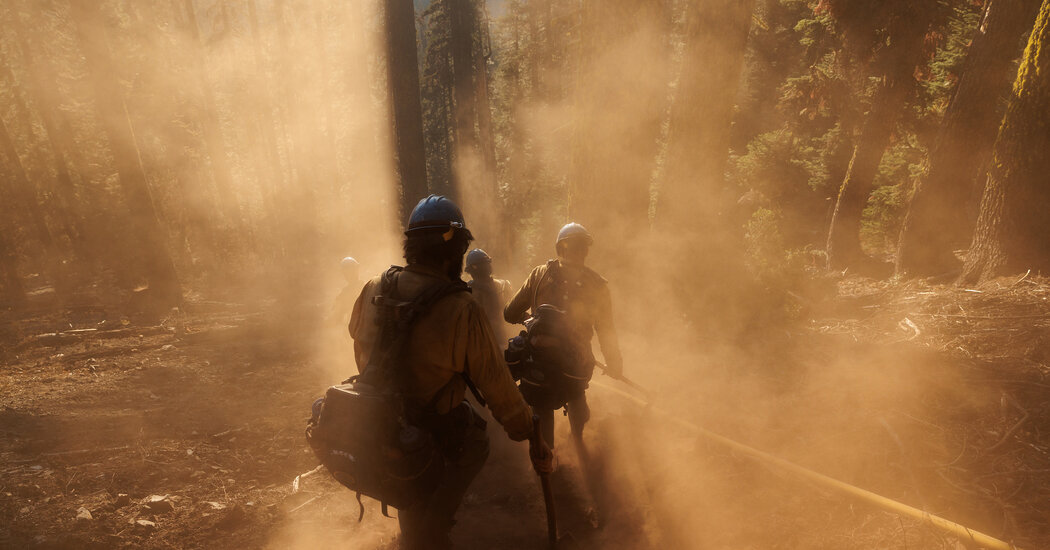
"Inside the World of America's Elite Hotshot Firefighters"

Hotshot fire crews, elite U.S. firefighters who battle the biggest wildfires in the American West, work in extreme conditions for long periods of time, often without access to basic amenities like showers or cellphone signals. They use hand tools and chain saws to carve out dirt tracks to control the spread of fires. Despite the dangers and low pay, hotshots are drawn to the camaraderie and the challenge of the job. A report by the University of Washington highlights the pay disparity between federal firefighters and their counterparts in state agencies, leading to legislation that aims to raise the base pay of entry-level federal firefighters.