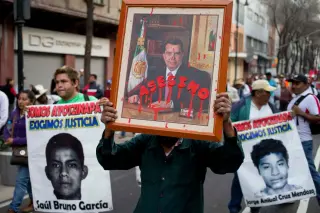
A former Mexican governor has been arrested in connection with the 2014 disappearance of 43 students in Ayotzinapa, a case that has long been marred by allegations of state cover-ups.
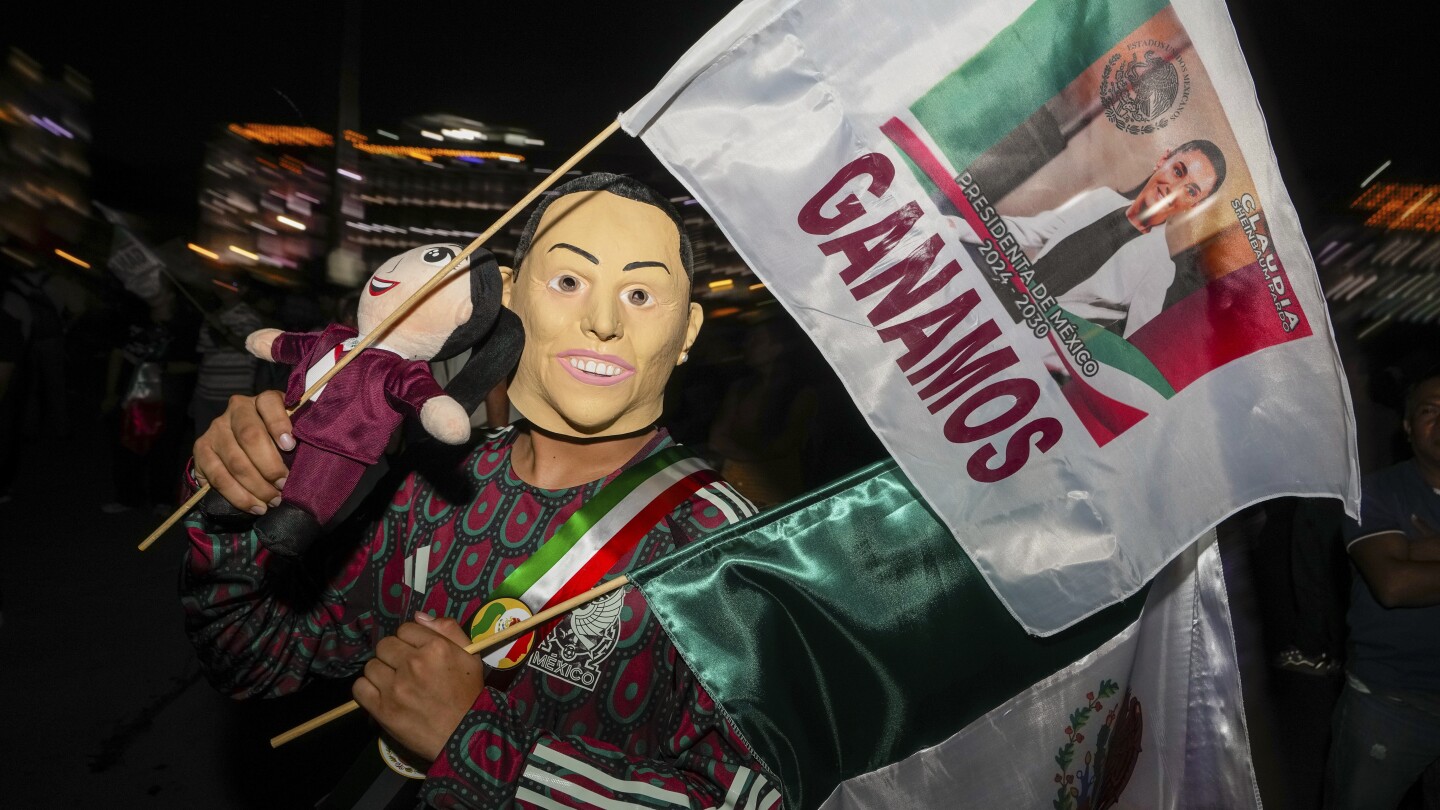
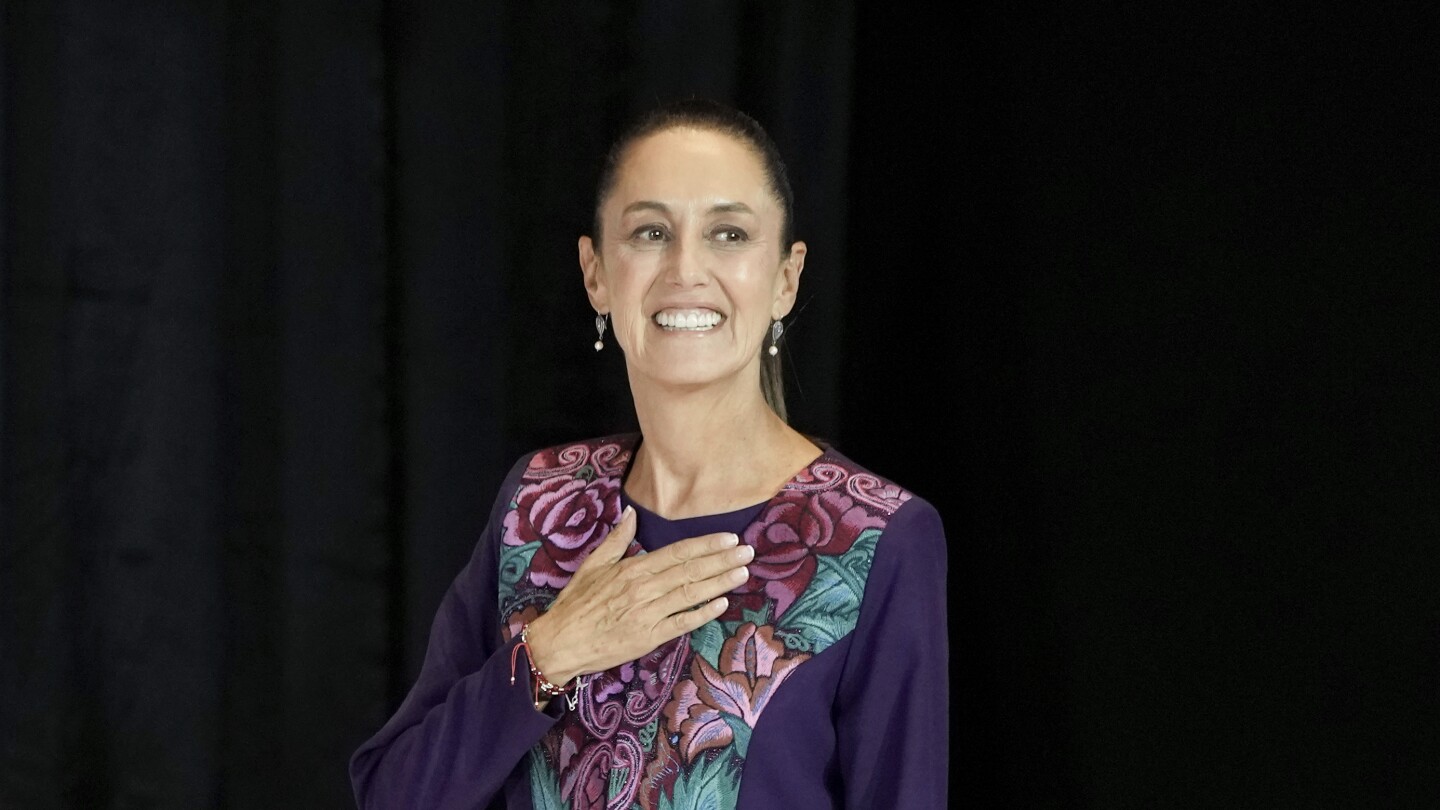
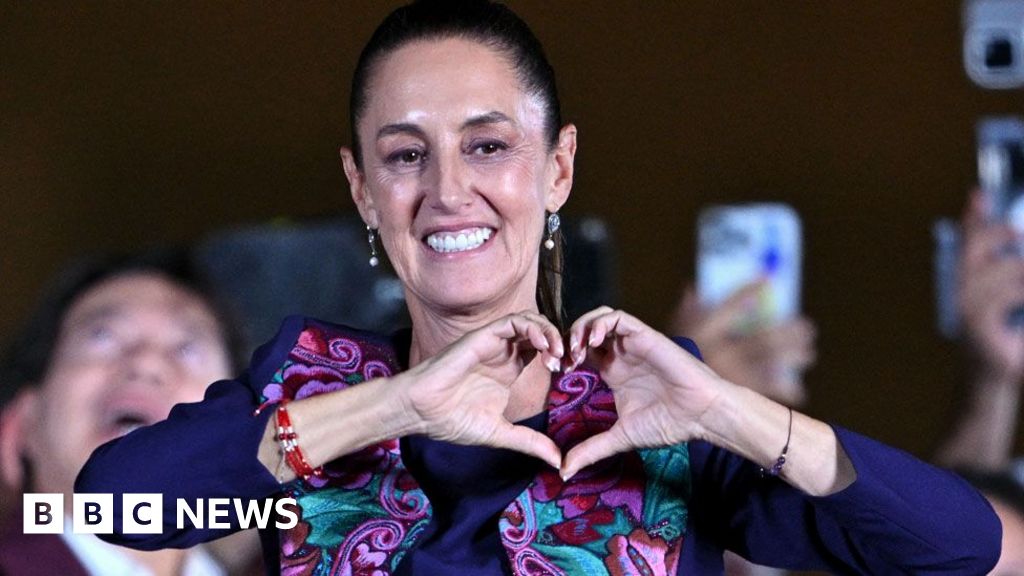
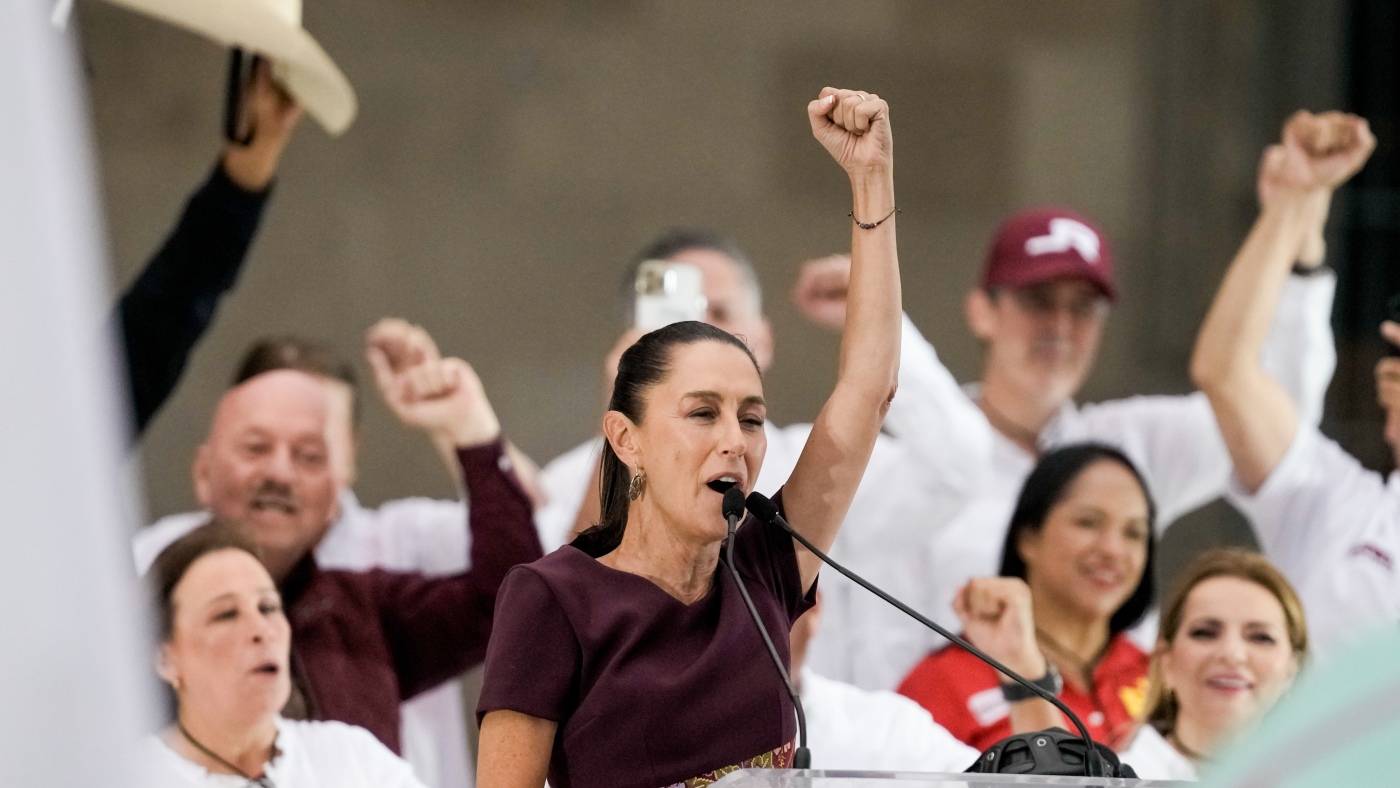
Claudia Sheinbaum has been elected as Mexico's first female president, promising to continue the populist policies of her predecessor, Andrés Manuel López Obrador. Her victory has caused market jitters, with the peso dropping 3.5% and the stock exchange falling over 5%. She faces the challenge of uniting a deeply divided country and addressing concerns over cartel violence and weakening democratic institutions. U.S. President Joe Biden congratulated Sheinbaum, expressing hope for continued collaboration between the two countries.
Claudia Sheinbaum has been elected as Mexico's first female president, promising continuity with her predecessor Andrés Manuel López Obrador's policies but with a more data-driven and less combative approach. A former Mexico City mayor with a Ph.D. in energy engineering, Sheinbaum is expected to focus on addressing social inequalities and violence, while promoting clean energy and maintaining a strong welfare state. She will take office on October 1, 2024.
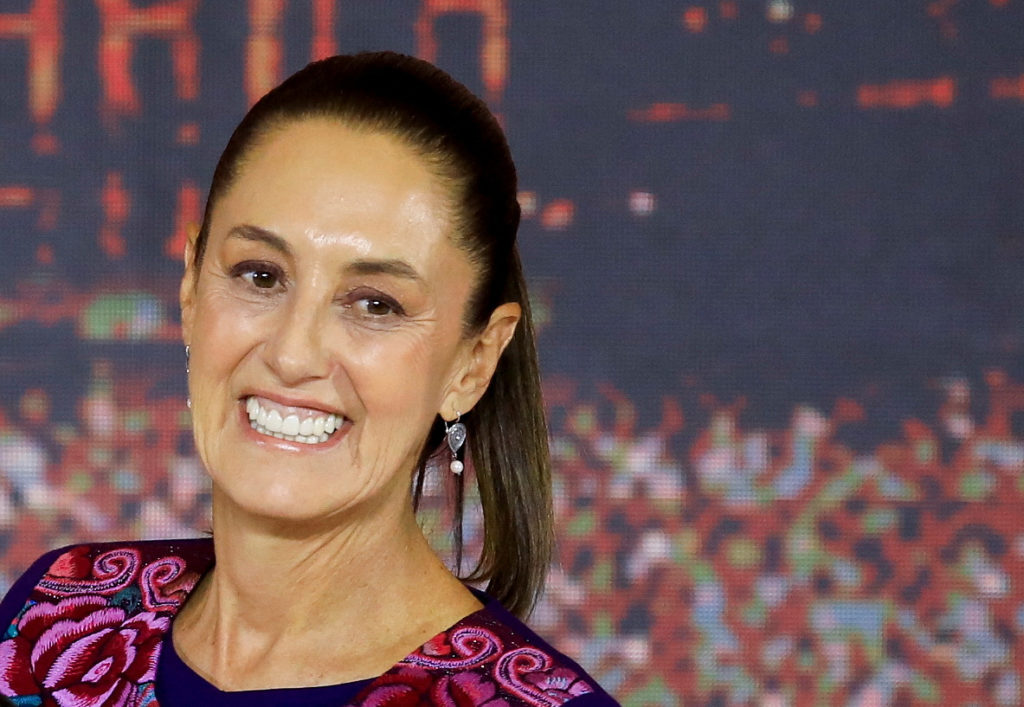
Claudia Sheinbaum has been elected as Mexico's first female president, succeeding Andrés Manuel López Obrador. Sheinbaum, a former Mexico City mayor and climate scientist, won with a significant margin and has pledged to continue López Obrador's populist policies. This historic election also marks the first time Mexico's two main presidential candidates were women.
Claudia Sheinbaum, a former Mexico City mayor and lifelong leftist, has become Mexico's first female president, promising continuity with her predecessor Andrés Manuel López Obrador's policies. Known for her scientific background and data-driven approach, Sheinbaum handled the COVID-19 pandemic differently from López Obrador, emphasizing testing and safety measures. She aims to tackle violence by expanding the National Guard and addressing social issues, while promoting a strong welfare state and clean energy. Sheinbaum is also the first person of Jewish background to lead the predominantly Catholic country.
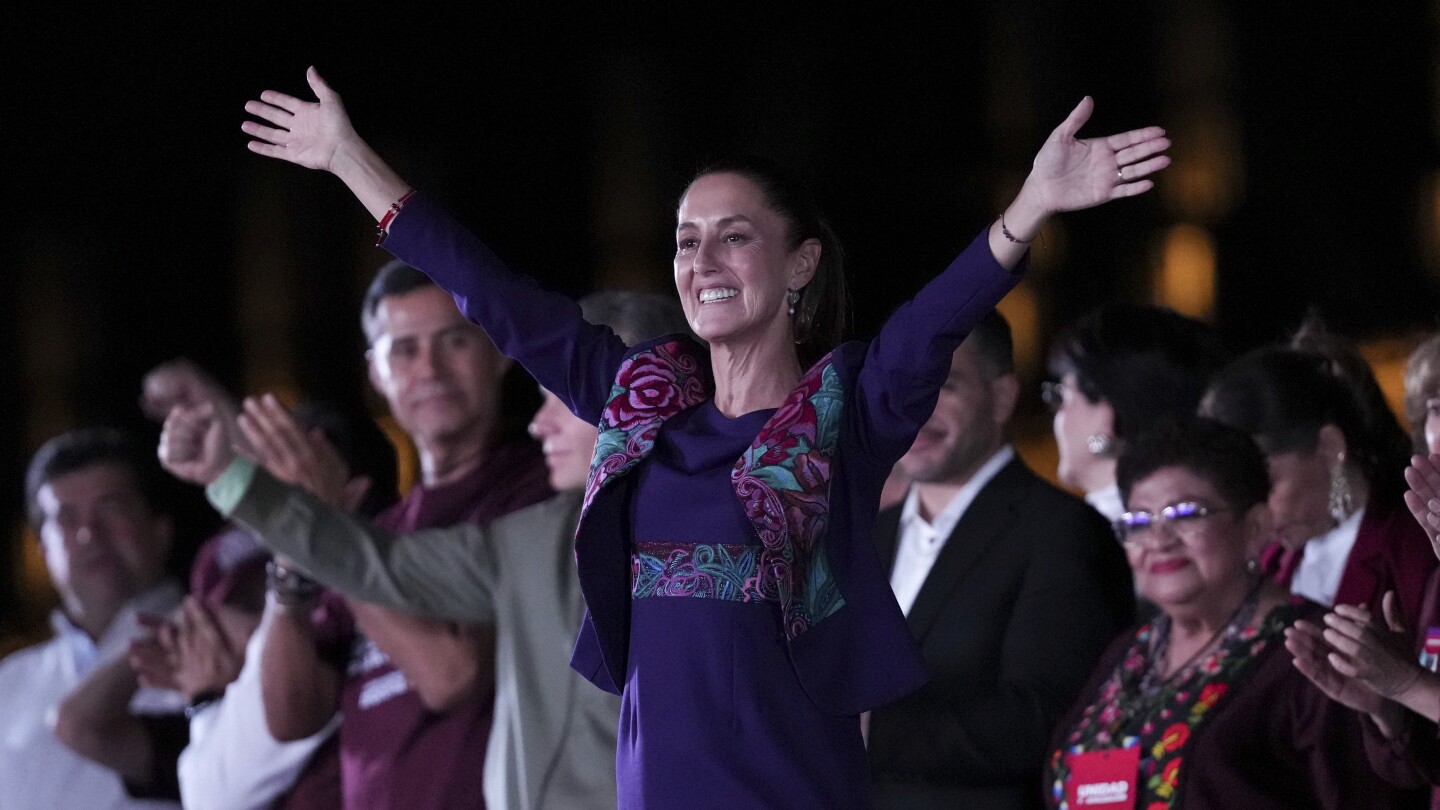
Claudia Sheinbaum has been elected as Mexico's first woman president in a historic landslide victory, securing between 58% and 60% of the vote. She will replace outgoing President Andrés Manuel López Obrador on October 1 and has promised to continue his popular welfare programs. The election marks a significant milestone for women in Mexico, although it was marred by violence against local candidates. Sheinbaum, a former mayor of Mexico City and energy scientist, aims to address the roots of violence and maintain strong relations with the United States.
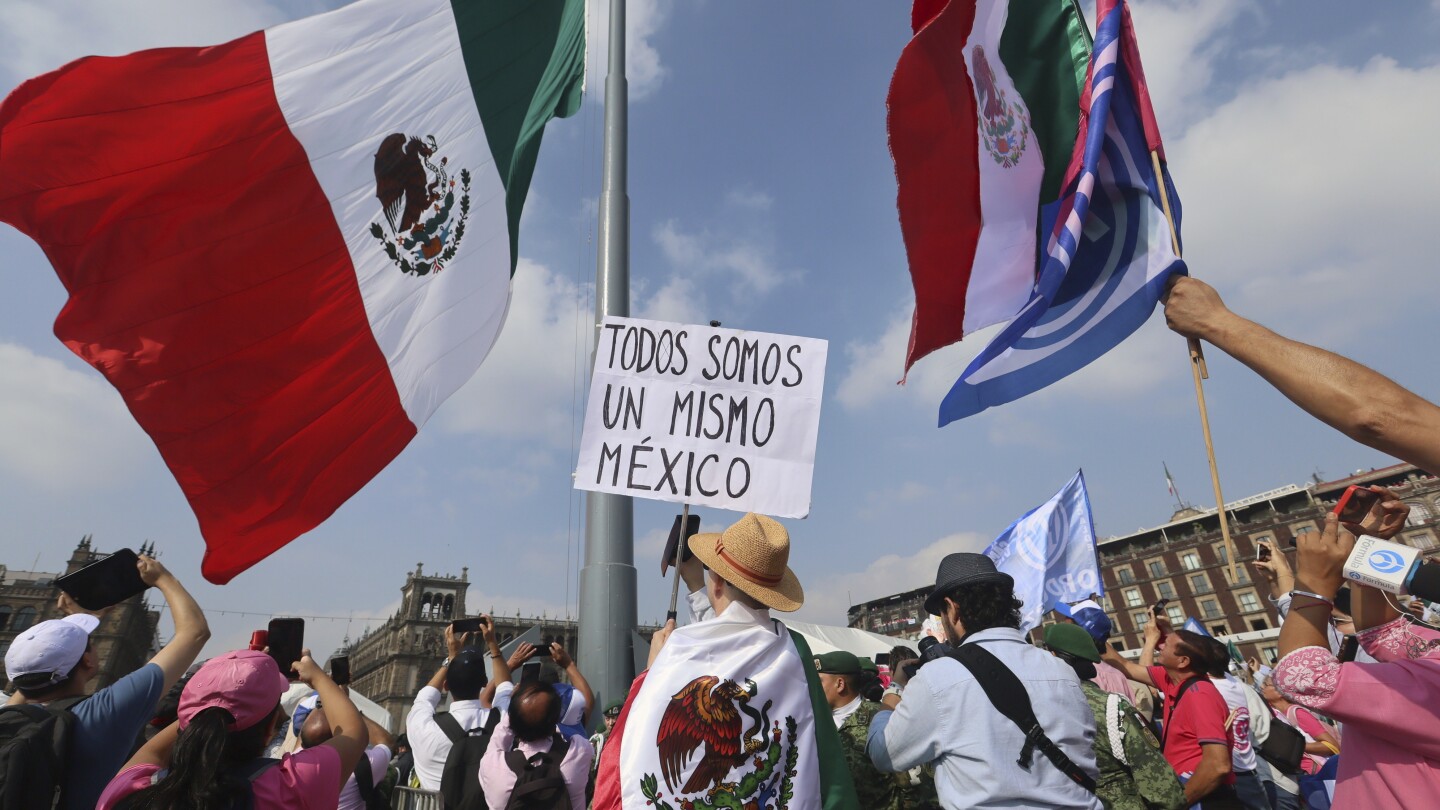
Mexico's general election on June 2 is poised to elect Claudia Sheinbaum as the first female president, continuing the policies of current president Andrés Manuel López Obrador. The election is seen as a referendum on López Obrador's administration, with Sheinbaum leading by 20 points over her nearest competitor, Xóchitl Gálvez. Key issues include security, with high rates of violence and extortion, and the continuation of social programs. Despite significant gender representation in politics, security remains the top concern for voters.
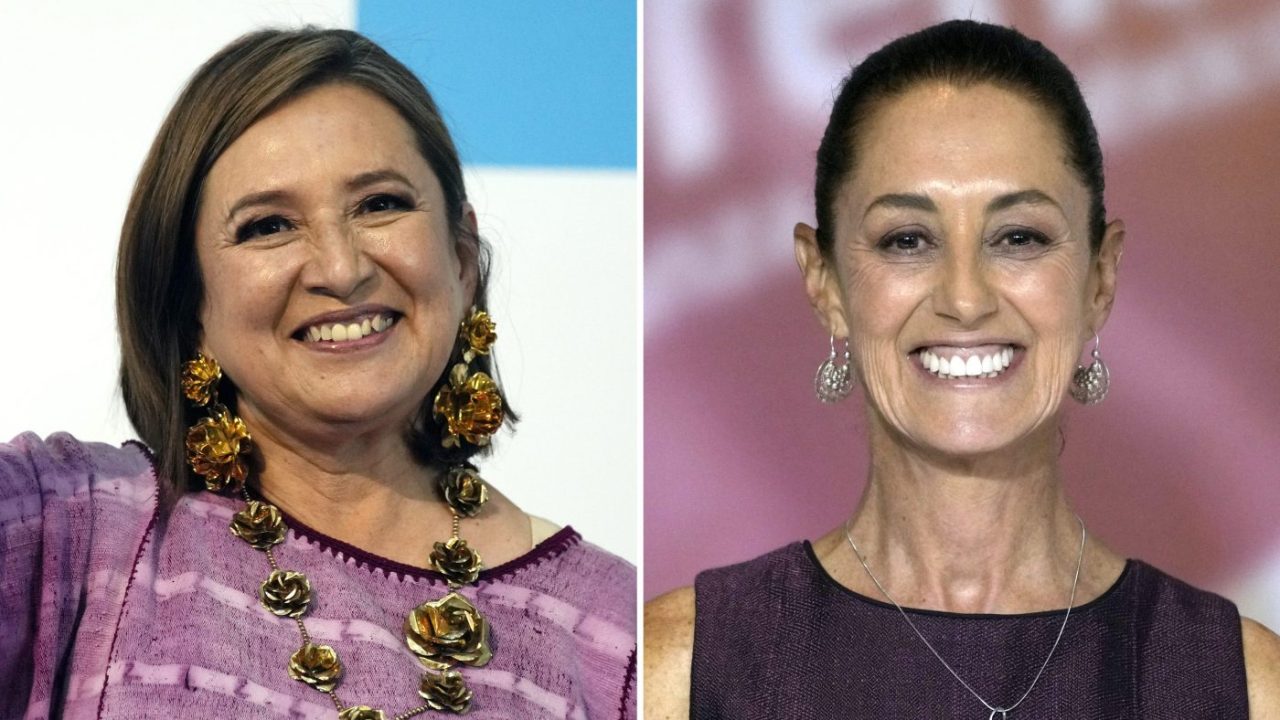
Mexico's historic elections on Sunday are set to likely elect the country's first female president, with Claudia Sheinbaum and Xóchitl Gálvez leading the race. The election, the largest in Mexico's history, is marked by cartel violence and the political legacy of President Andrés Manuel López Obrador. Over 20,000 positions are up for grabs, and the campaign has seen significant bloodshed, with criminal groups vying for power. The election also highlights issues of gender-based violence and gender disparities in a country with a strong "macho" culture.
Mexico is preparing for a crucial presidential election on Sunday to replace outgoing President Andrés Manuel López Obrador. The leading candidates are Claudia Sheinbaum from López Obrador's Morena party and Xóchitl Gálvez from the opposition alliance. Sheinbaum, a former Mexico City Mayor, is the front-runner and could become Mexico's first female and Jewish president. The election will also determine all 628 seats in Mexico's Senate and Chamber of Deputies, with significant implications for the USMCA trade agreement.
Mexico's upcoming presidential election on June 2nd will determine the successor to Andrés Manuel López Obrador, whose tenure has seen setbacks in healthcare, education, and economic growth. Claudia Sheinbaum, his protégée, is the frontrunner against Xóchitl Gálvez. The new president will face significant challenges in drug-trafficking, security, migration, and trade, with implications for both Mexico and its relationship with the United States.
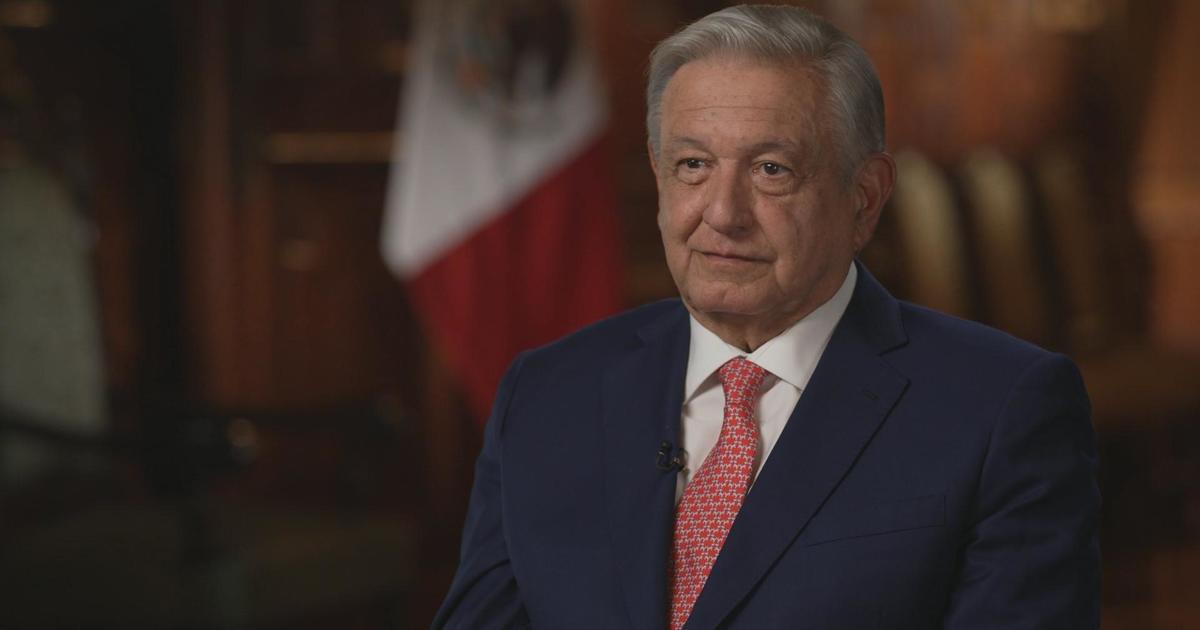
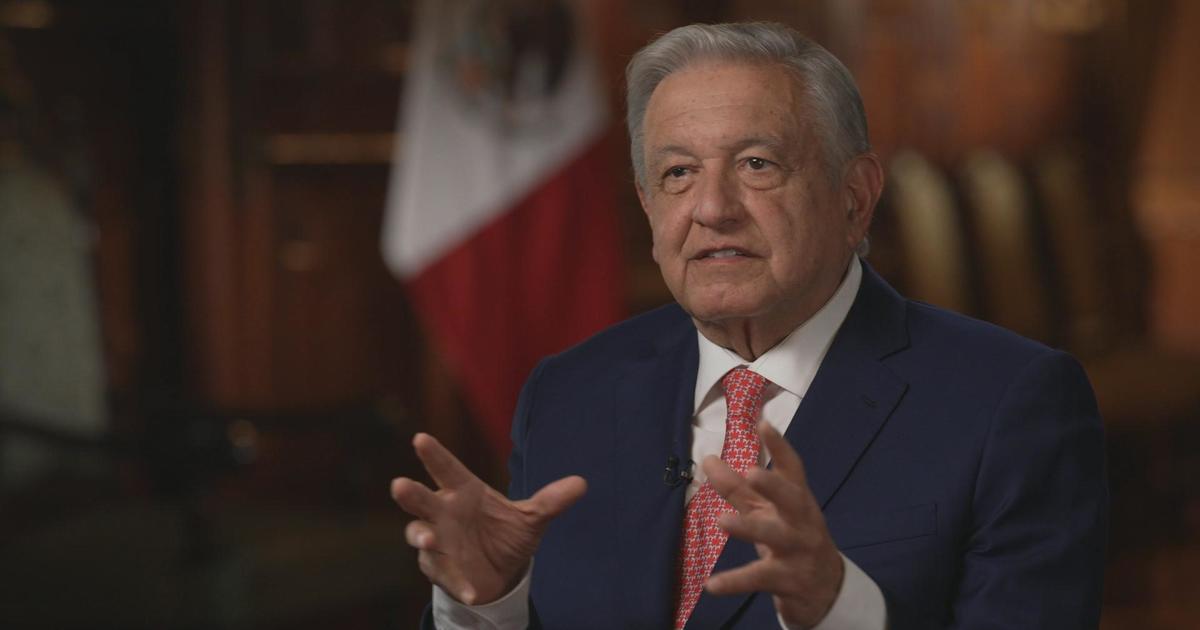
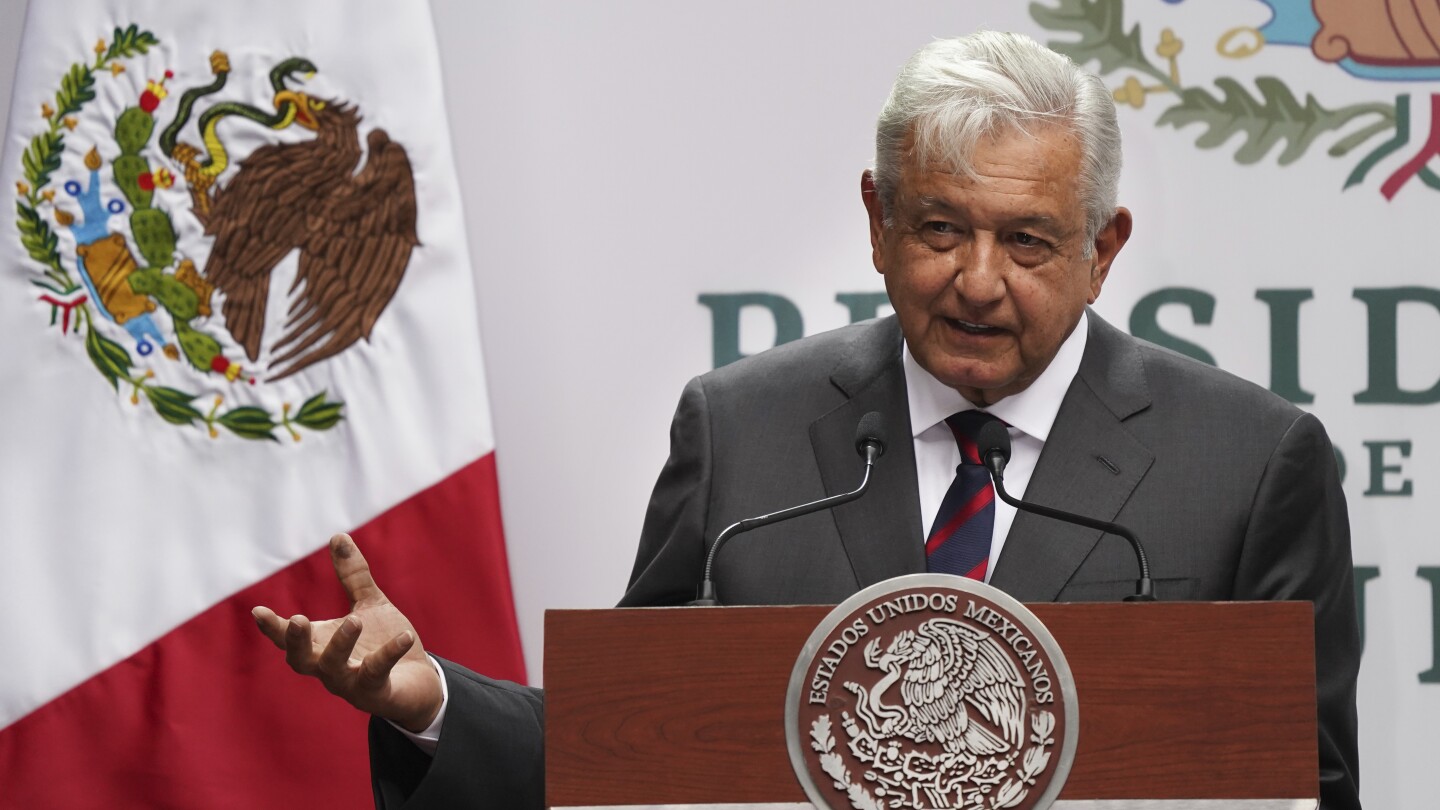
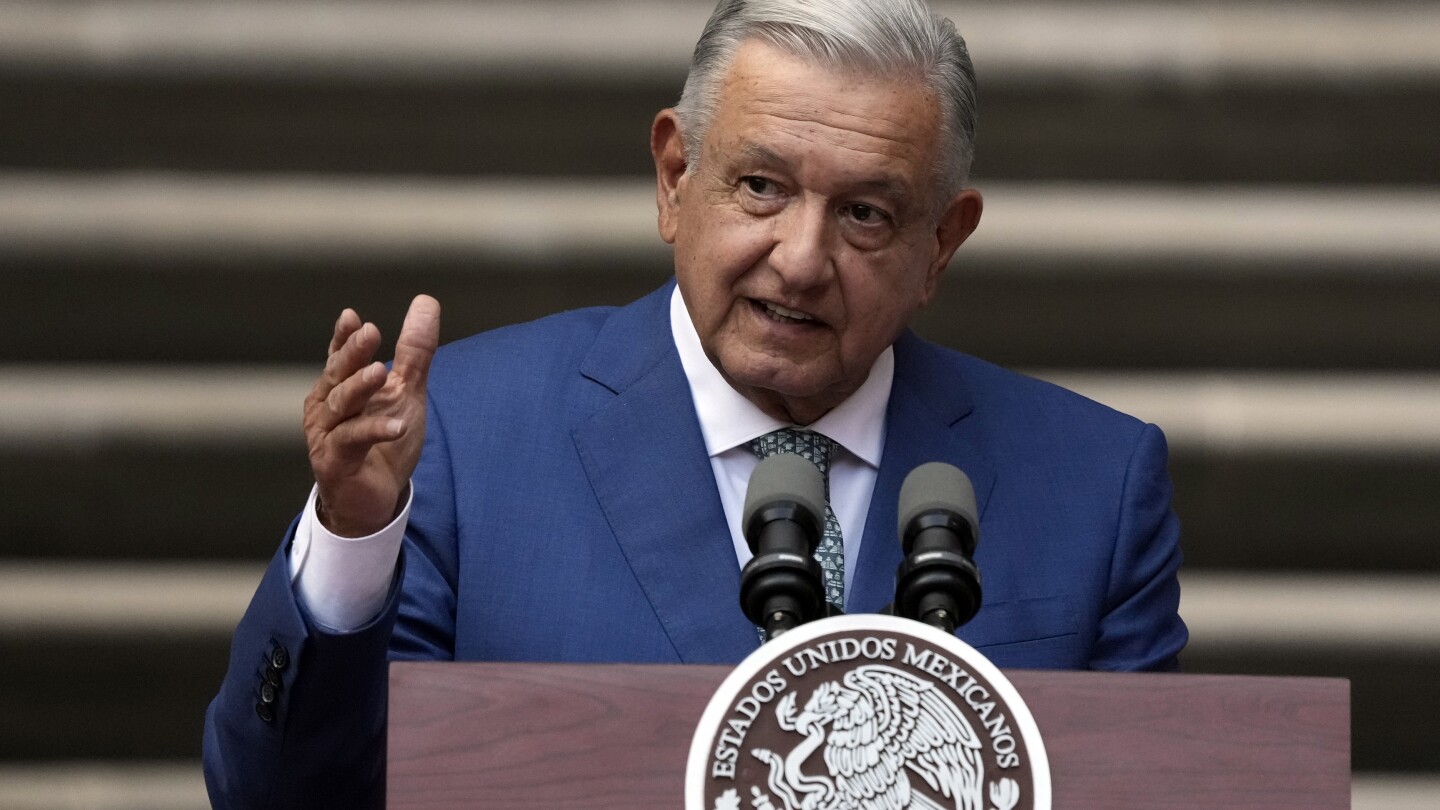
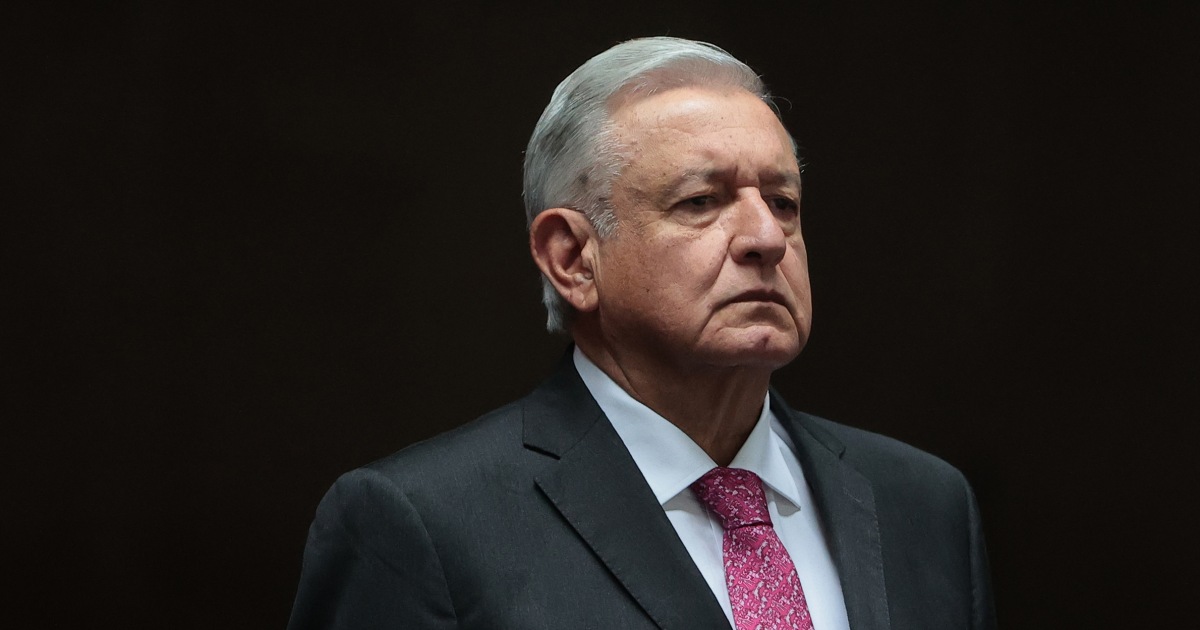
Mexican President Andrés Manuel López Obrador discusses immigration, trade, the fentanyl crisis, and cartels in a candid conversation, asserting that President Trump's border wall threats are bluffing and emphasizing the need for addressing root causes of migration. He defends his approach to cartels as "hugs, not bullets," denies U.S. claims of Mexico being the primary source of fentanyl, and highlights the mutual economic dependence between the U.S. and Mexico. López Obrador also addresses criticisms of corruption, infrastructure spending, and upcoming elections, while expressing his intention to retire from politics after his term.
Mexican President Andrés Manuel López Obrador reflects on his legacy and his country's ties to the U.S., emphasizing the need for addressing root causes of migration issues and proposing a $20 billion annual commitment from the U.S. to Latin America and the Caribbean. He dismisses the possibility of a border closure, citing the economic interdependence between the two countries. López Obrador also discusses his approach to combating cartels, addressing violence and corruption, and his administration's achievements and challenges.
Mexican President Andrés Manuel López Obrador defended his decision to disclose a reporter's phone number, claiming that the law prohibiting officials from releasing personal information doesn't apply to him. This move has been criticized by press freedom groups and has raised concerns about the safety of journalists in Mexico, a country known for being dangerous for reporters. The president's actions have sparked an investigation by Mexico's National Institute for Transparency and Information Access, and have drawn condemnation from the U.S. government and media organizations.
Mexico's President Andrés Manuel López Obrador has proposed guaranteeing people pensions equal to their full salaries at the time they retire, a move that no other country has implemented. This is part of a series of 20 constitutional reforms that he hopes will attract voters in the upcoming presidential elections. However, analysts believe it may also be an attempt to set the agenda for the next administration and saddle them with high expectations. The proposed reforms also include guaranteed annual increases in payments to the elderly, increases in the minimum wage, and a ban on fracking, open-pit mining, GM corn, cruelty to animals, and vaping pens. The cost of the proposed pension plan is striking, as it would need to cover the entire workforce and significantly increase pension savings.
Mexico's President Andrés Manuel López Obrador criticized Texas Governor Greg Abbott for signing a law that allows peace officers to arrest individuals they suspect of entering the country illegally, accusing him of seeking popularity as the Republican Party's vice presidential candidate. López Obrador vowed to defend Mexican migrants and challenged Abbott's actions, reminding him that Texas was once part of Mexico. The new law makes illegal entry a state crime, and a lawsuit has been filed against it, arguing that it violates the U.S. Constitution. Abbott's immigration enforcement efforts have faced criticism for encroaching on federal authority.