
Zen Browser Emerges as Privacy-Focused Alternative to Arc
As Arc browser faces a December 2026 shutdown, Zen Browser is gaining attention as a visually similar but privacy-centric alternative that lacks AI features.

All articles tagged with #arc browser
As Arc browser faces a December 2026 shutdown, Zen Browser is gaining attention as a visually similar but privacy-centric alternative that lacks AI features.

The Verge’s latest newsletter highlights the search for new web browser options following the impending discontinuation of Arc. The publication notes that while Grand Theft Auto VI is the year’s major gaming release, the tech community is currently focused on finding reliable replacements for Arc. This recommendation comes as The Browser Company prepares to sunset Arc in December, shifting resources to its AI-focused successor, Dia.

The Browser Company announced it will sunset its Arc browser on December 22, 2026, following a phased shutdown that begins with the cessation of new account creation today. The company is redirecting its engineering and security resources to Dia, an AI-focused browser, citing the increasing difficulty of maintaining two separate products securely. Arc users are encouraged to migrate their data to Dia, which supports many of Arc's core features, or export their information before the final shutdown date.
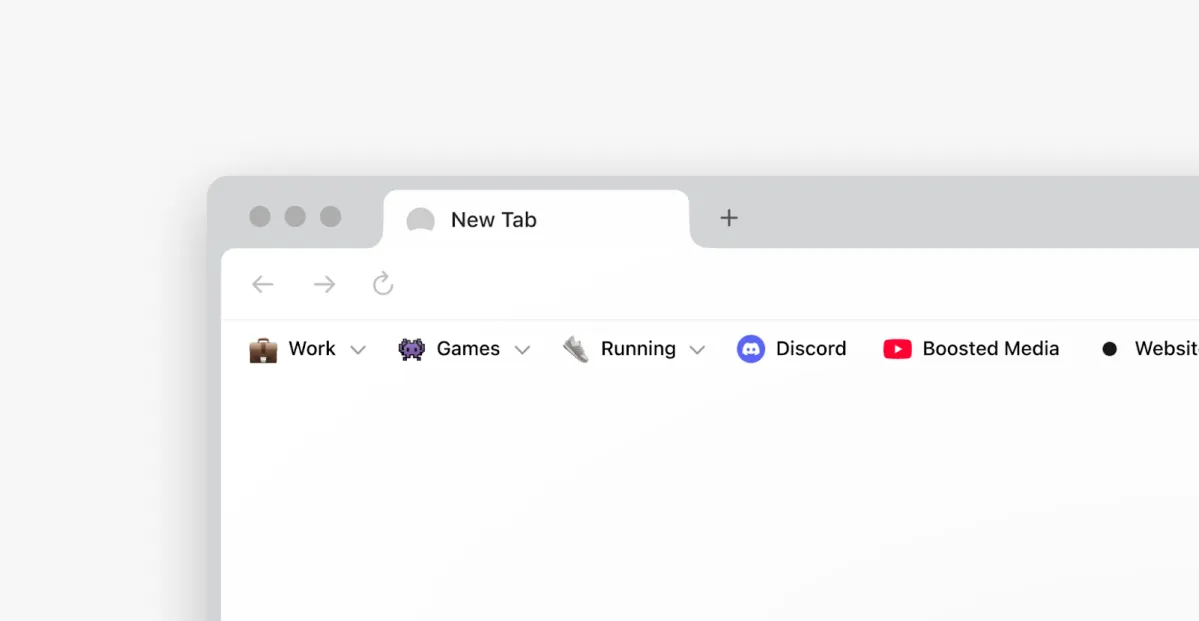
Atlassian is acquiring The Browser Company for $610 million to focus on Dia, an AI-powered browser and chatbot, aiming to enhance enterprise and individual productivity tools, with plans to maintain Dia as a standalone product and gradually integrate features from Arc, while emphasizing rapid market growth and stability.
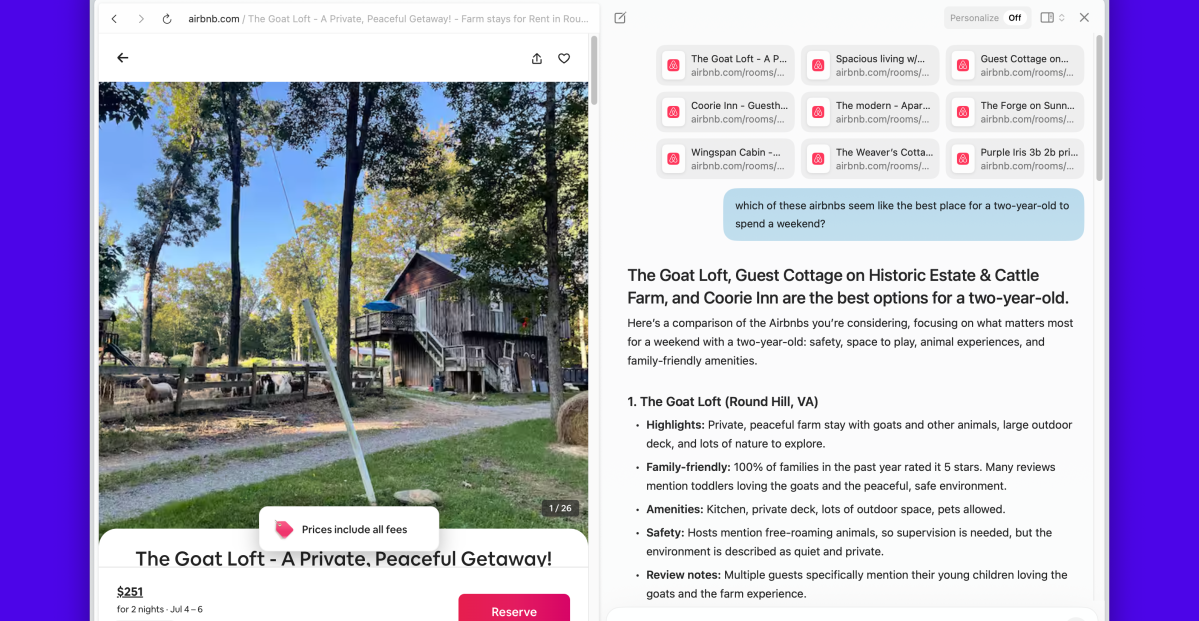
The Browser Company has launched a $20/month Dia Pro subscription for its AI-powered Arc browser, offering unlimited access to its AI chat feature, while free users have limited access. The company plans to introduce additional subscription tiers and continues to develop AI integration in browsers amid industry competition.

The Browser Company has ceased active development of its Arc browser to focus on Dia, an AI-powered browser environment that enhances user productivity through intelligent features, with plans to test and potentially expand access soon.

The Browser Company has stopped developing new features for the Arc browser to focus on its new AI-centric Dia browser, citing security concerns and the complexity of maintaining Arc. While Arc will still receive security updates and bug fixes, the company plans to keep it proprietary, not open-source or sold, until it is safe to do so, emphasizing a focus on security and AI integration.
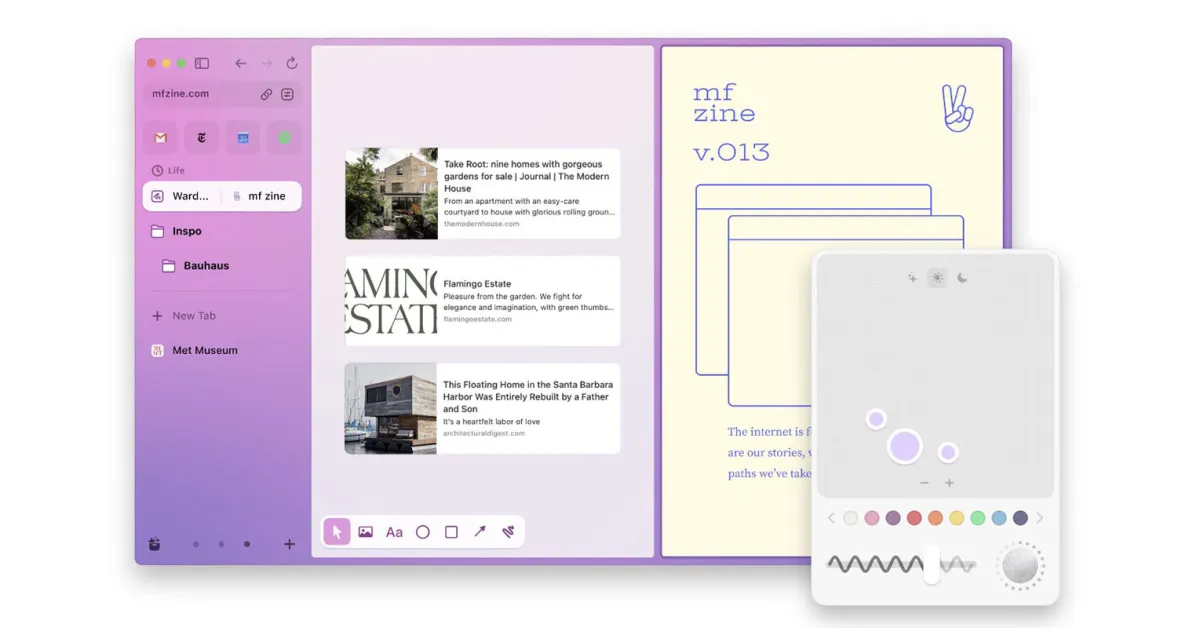
The Arc browser for Mac, aimed at reinventing web browsing as a personal 'internet computer,' is being discontinued less than two years after launch, in favor of a new app called Dia, which focuses on simplicity and AI integration. The company cited the steep learning curve and complexity of Arc as reasons for the shift, emphasizing a move towards more accessible, familiar interfaces with Dia.

The Browser Company is considering selling or open-sourcing its Arc Browser as it shifts focus to developing a new AI-powered browser called Dia, citing the complexity and user adoption challenges of Arc, and highlighting the difficulty of open-sourcing it due to its core SDK, ADK, which is vital for their new product.

The Browser Company, known for its Arc Browser, has teased a new AI-focused browser called Dia, set to launch in early 2025. Dia aims to integrate AI tools directly into the browsing experience, offering features like writing assistance, command-based actions, and automated tasks such as adding items to an Amazon cart. The company envisions AI as an integral part of the browser environment rather than a separate app or feature. While promising, the effectiveness and uniqueness of Dia's features remain to be seen until its release.

Arc's mobile browser is now available to all Android users after a successful beta phase. The Browser Company aims to offer a better alternative to Chrome with features like ad-blocking and an AI tool that summarizes search results. The Android version includes improvements such as support for Android 12, voice search, and landscape mode. This launch is part of Arc's broader strategy to expand its mobile presence, following earlier releases for Mac, iOS, and Windows.
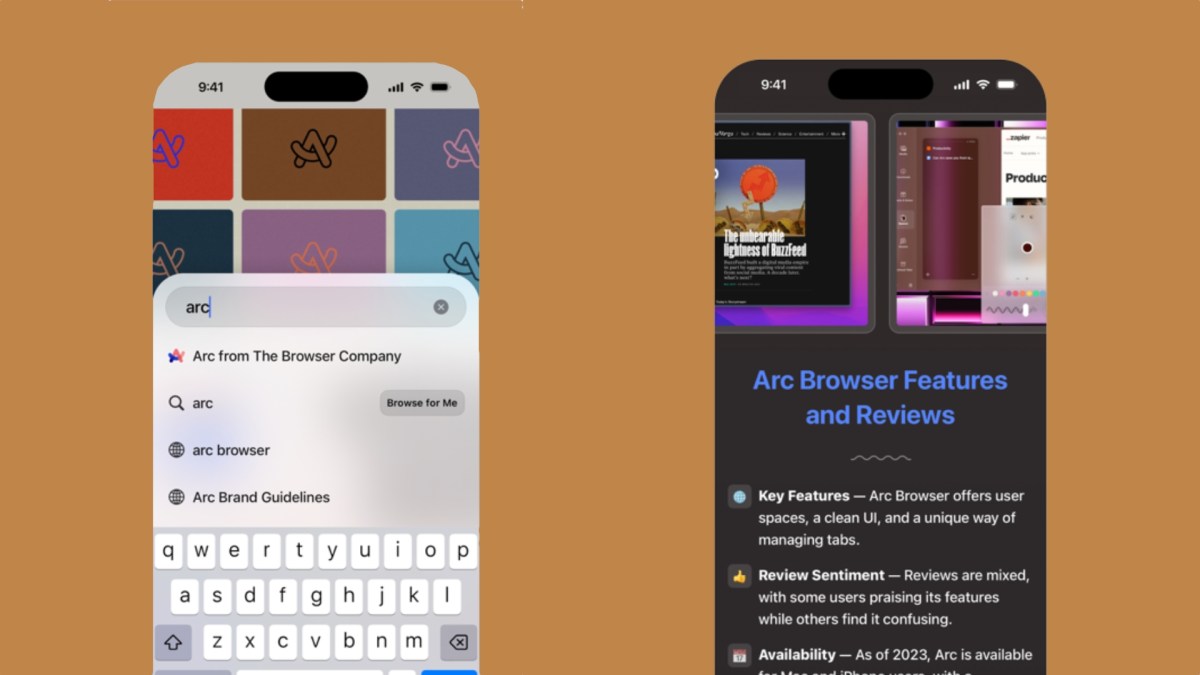
Apple may be planning to "sherlock" Arc Browser's AI-powered features like web page summaries with its upcoming "smart recaps" in iOS 18, potentially reducing the demand for alternative browsers. Despite this, The Browser Company remains optimistic and continues to innovate with new features.

The Browser Company, maker of the Arc browser, has raised $50 million in a round led by Pace Capital at a $550 million valuation. The company, founded in 2019, has raised a total of $128 million across multiple rounds with well-known investors. The startup's Arc browser has garnered attention with its feature set, and it has recently introduced AI-powered search features. However, the company is facing criticism for its approach, and it is yet to reveal its plans for monetization. Despite its ambitious goal to build an "internet computer" for users, it faces challenges in incentivizing users to switch browsers and finding a sustainable monetization strategy.

The Arc browser from The Browser Company offers a fresh take on web browsing with features like Spaces for tab management, customizable themes, and visual bookmarks, a user-friendly interface reminiscent of Opera, a pop-out sidebar Library for media, downloads, and boosts, and boosts that add fun and efficiency to the browsing experience. While currently available for MacOS with a Windows version in the works, the absence of a Linux version is a drawback, but Arc's innovative approach may make it a compelling alternative to traditional browsers like Chrome.

The Browser Company's AI-powered web browser, Arc, is openly challenging Google's dominance in search with new features like Instant Links, which bypasses search result pages, and Arc Explore, which uses AI to suggest content based on user queries. The company aims to reduce reliance on traditional search engines and cut off ad revenue associated with search queries. Additionally, the company announced Live Folder, a feed for personalized content, and plans to release new features regularly.