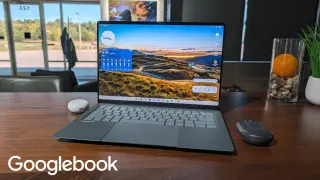
Google has officially launched the Googlebook, a new line of premium laptops running a revamped Android-based OS. While hardware quality is praised for its build and display, the new software presents a significant learning curve for users accustomed to ChromeOS.
The Walt Disney Company has initiated its fourth round of layoffs in 2026, eliminating approximately 300 positions primarily within human resources and technology departments. This move follows a series of cost-cutting measures under CEO Josh D'Amaro, who has streamlined operations since taking over in March. The cuts were preceded by a voluntary early retirement program for senior executives and align with the company's broader strategy to reduce labor costs while investing in artificial intelligence and strategic growth areas.
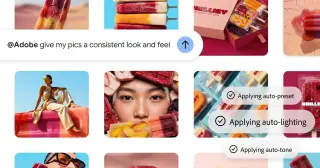
Adobe has launched its creative suite within Google Gemini, allowing users to edit photos and designs via chat. Simultaneously, Adobe expanded its Claude integration with Acrobat tools and interactive editing features.
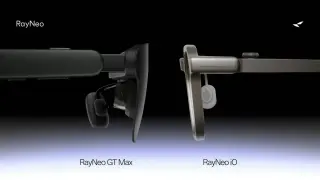
RayNeo announced two new smart-glass lines: the IO, a lightweight, AI-enabled productivity glasses with a monochrome display and two-day battery life; and the GT/GT Max, portable monitor glasses aimed at entertainment with features like a 59° field of view and Dolby Vision support. Both lines arrive on September 4, 2026, with prices not yet announced.
Epic Games unveils Unreal Engine 6, merging UE5 and UEFN into one workflow, shifting from C++ to Verse, and deprecating Blueprint/Actor systems as the framework matures. The update adds AI-driven pipeline features and embraces open standards like glTF/USD to enable cross-game portability of assets and code, with a vision for interoperable content across ecosystems and a late-2027 Early Access window.
Epic unveiled Unreal Engine 6, promising deep AI-model integration (e.g., Claude, Gemini) to automate tedious content tasks while preserving creator control, and unifying UE5 and Fortnite editor workstreams into a single product. UE6 centers on Verse, portable content/code, and AI-assisted workflows to speed up level setup, rigging, lighting, and other authoring tasks. Developers can bring their own models, with on-stage demos showing AI prompts generating scenes and adjusting lighting. Early access is planned for late 2027 with a full release about 12–18 months later.
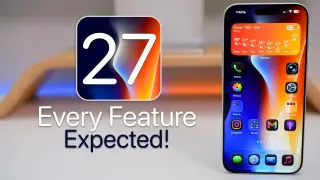
iOS 27 emphasizes stability, performance, and usability by narrowing device support (e.g., dropping iPhone SE 2nd gen and iPhone 11 series) while introducing practical upgrades: a Liquid Glass Slider for display fine-tuning, Undo/Redo for Home Screen edits, and long-awaited split-screen multitasking; Siri becomes Siri 2.0 with Gemini AI for smarter queries and a dedicated Siri Chat app; accessibility gets broader features (voice-over, magnifier, expanded language support, better hearing aid handoff); core apps gain AI-powered and smarter capabilities, plus Apple Intelligence tools like image and writing enhancements. Additional refinements include battery/mic indicators, AirPods management, expanded satellite connectivity, and Sony Access Controller support—overall a focus on reliability and everyday usability.
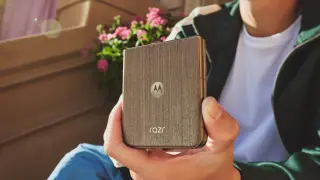
Motorola unveiled its 2026 Razr lineup: a tablet-style Razr Fold plus three flip phones (Ultra, Plus, Razr) with modest upgrades and higher prices—Fold at $1,900, Ultra $1,500, Plus $1,100, Razr $800, launching May 21. Specs vary by model (Dimensity 7450X on the base Razr; Snapdragon 8 Elite Gen 5 on Fold; up to 16GB RAM and 512GB storage). The Fold features an 8.1-inch inner display and a 6.6-inch external screen; Ultra/Plus/Razr differ in cameras and battery sizes (Fold up to 6,000 mAh; Ultra 4,500 mAh; Razr+ 5,000 mAh; Razr 4,800 mAh). All run Android 16 with five years of security patches and three OS updates and include Moto AI features (Gemini, Copilot, Perplexity). A $99 Moto Stylus is launching with the Fold, and the Fold will be sold unlocked at first with carrier launches to follow.
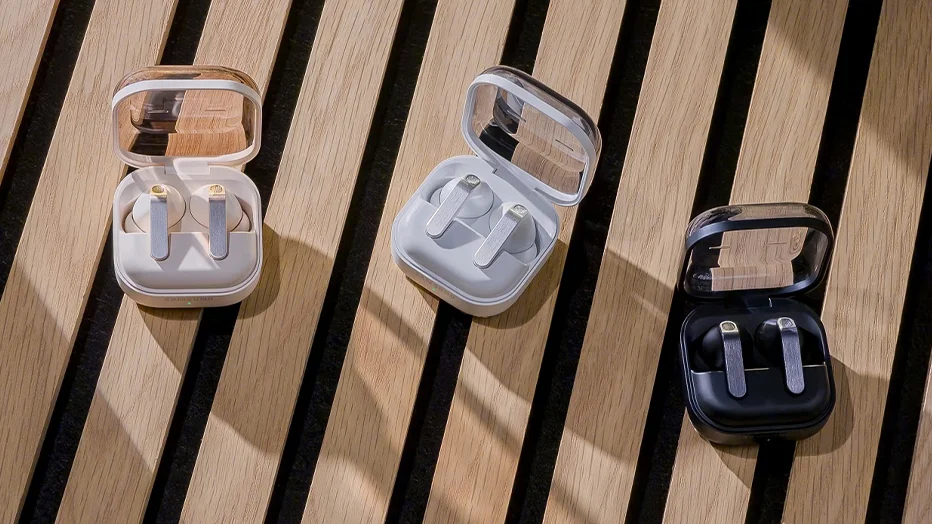
Samsung unveiled the Galaxy Buds4 Pro and Buds4, pairing hi‑fi sound with a refined, computational fit, a wider woofer, and enhanced ANC with Adaptive EQ, plus AI-powered hands‑free controls within the Galaxy ecosystem; they offer 24‑bit/96 kHz audio on compatible devices, multiple color options, and easy setup. Pre‑orders begin now with the Galaxy S26 launch and general availability starts March 11.
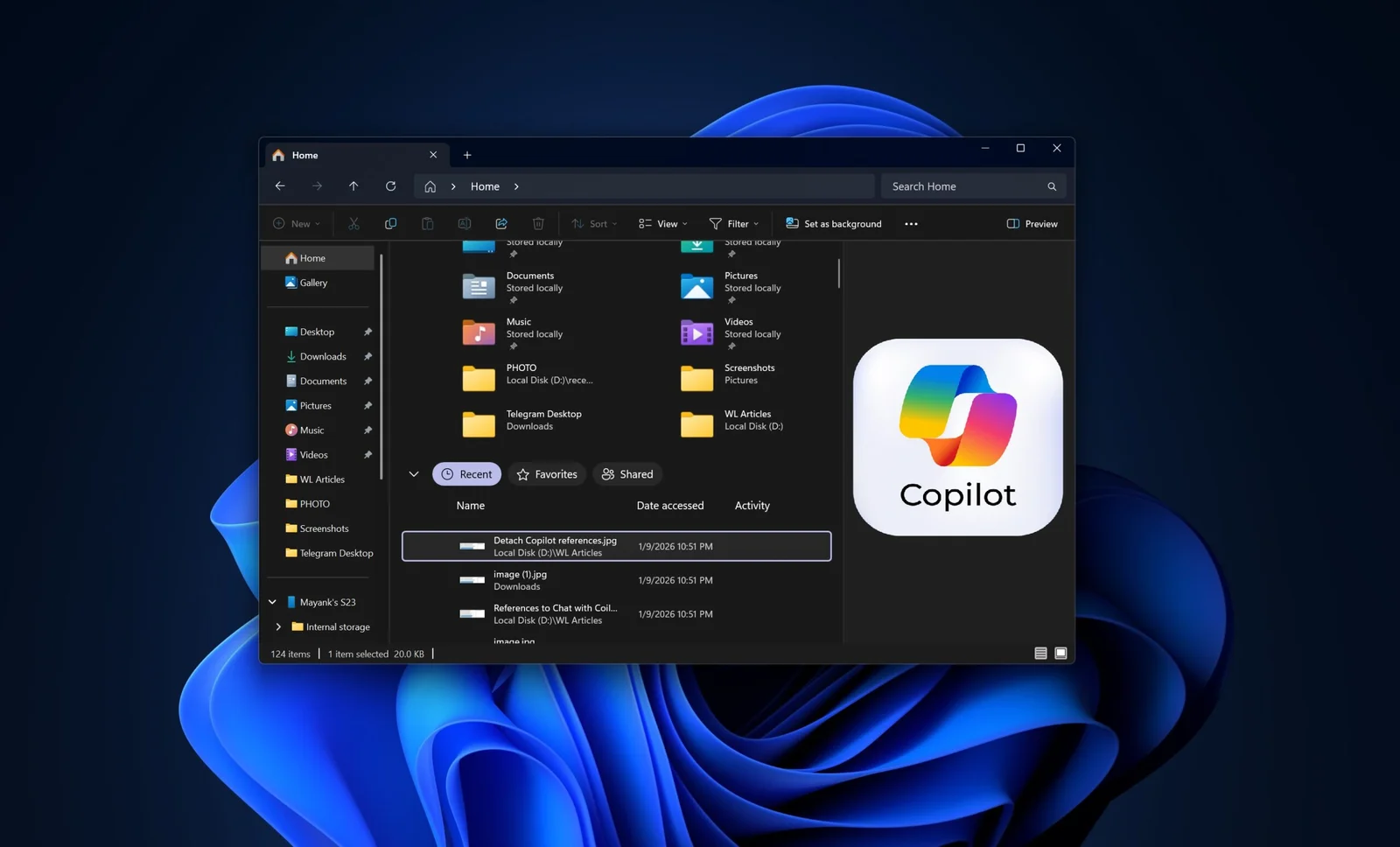
Microsoft is testing a new feature to integrate Copilot directly into Windows 11's File Explorer, likely as a sidebar or chat pane, moving beyond the current right-click 'Ask Copilot' option. This could allow users to chat with Copilot within Explorer itself, with references suggesting a dockable or detachable interface. Despite ongoing development, Copilot's market share on the web remains low, and Microsoft has not yet confirmed the full rollout.
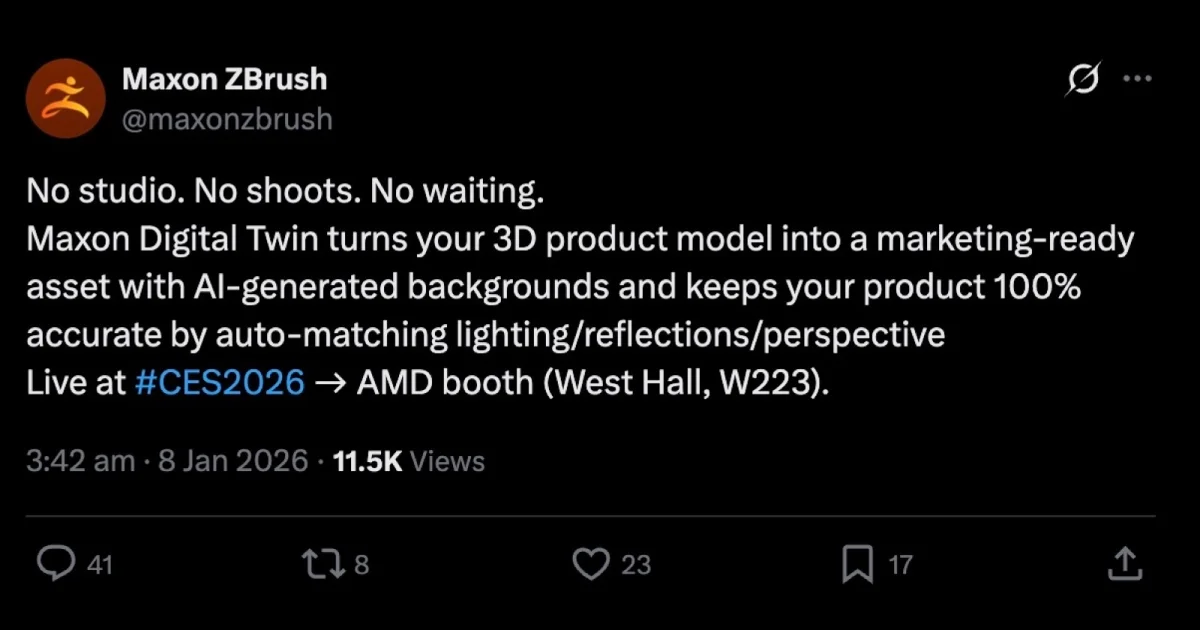
Maxon has introduced a standalone AI-powered tool called Maxon Digital Twin (MDT) designed for creating digital representations of physical objects for marketing and commercial use. The company clarified that MDT uses a third-party AI agent, not trained on user works, and plans to integrate with other AI-enabled graphic apps, raising questions about future AI tools across its product lineup.
SoundHound AI is expanding its in-car voice services through collaborations with OpenTable and Parkopedia, aiming to embed conversational AI into everyday driving and dining experiences. While these integrations could boost real-world usage and enterprise appeal, the company's profitability remains uncertain due to ongoing losses and high costs. Analysts project significant revenue growth by 2028, but investor caution is advised given the wide range of fair value estimates and the company's financial risks.
In 2025, Google Keep received several updates including design refreshes with Material 3, new features like note sorting, and UI improvements, maintaining its simplicity and speed. The article explores the potential future of note-taking apps, especially with AI advancements, suggesting a more proactive, assistive, and integrated experience could be on the horizon, possibly evolving into a smarter, more powerful tool beyond the current basic functionality.
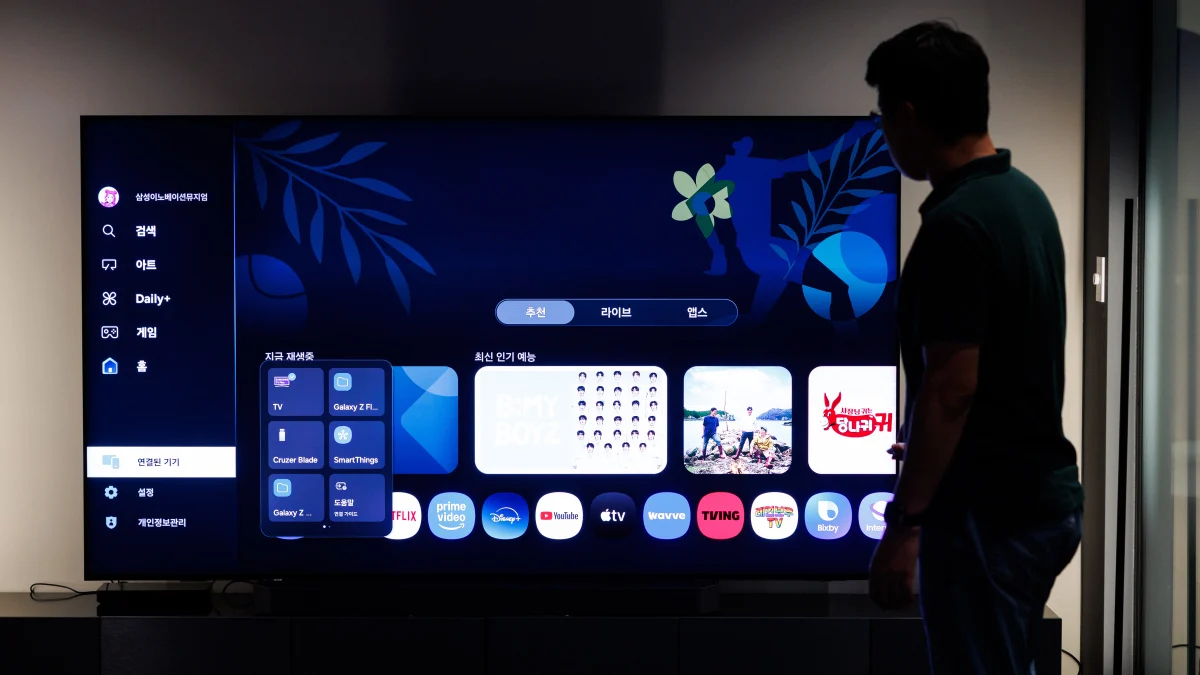
Samsung is partnering with Google Photos to bring a new Memories feature to its AI TV lineup in 2026, transforming TVs into digital frames that display curated photo stories to evoke nostalgia and enhance family bonding, with additional AI-powered photo creation tools planned for later in the year.
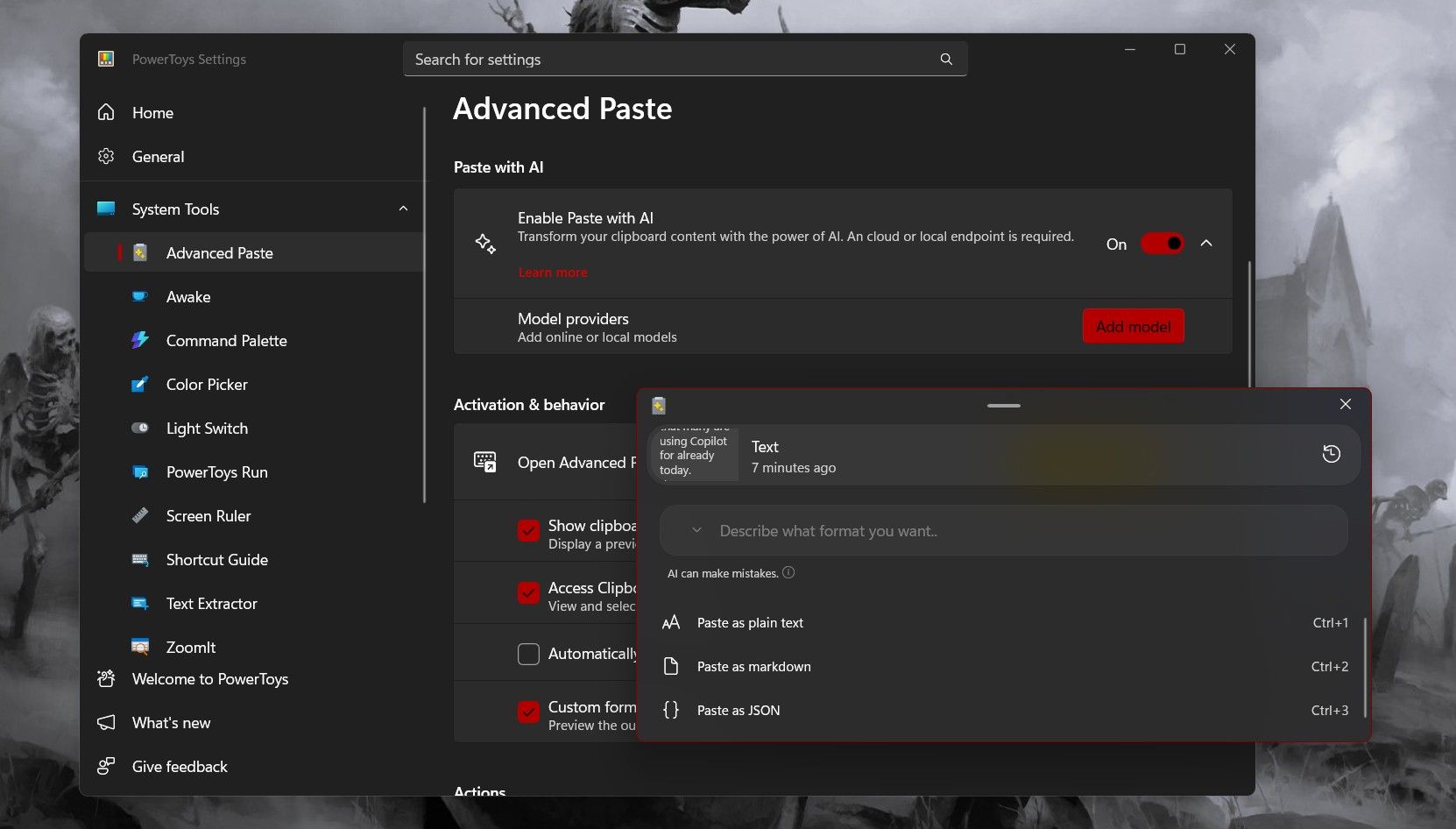
Microsoft is developing an AI-powered 'Advanced Paste' feature for Windows Clipboard, currently available via PowerToys, which leverages Copilot to enhance data manipulation, such as background removal and format conversion, aiming for deeper integration into Windows 11 to improve user workflows.