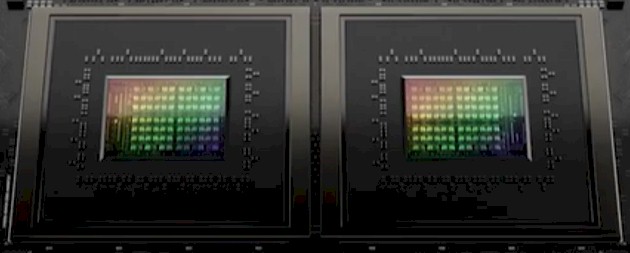
Nvidia forecasts about $20 billion in stand-alone server-CPU revenue this year and says its Vera CPU opens a $200 billion TAM for Arm-based server CPUs, signaling a potential shift in the data-center market that could challenge Intel and AMD as hyperscalers move AI workloads to Nvidia-powered architectures.
Leaks from HyperOS point to Xiaomi's next-gen ARM SoC, possibly named Xring O3, which reportedly drops big cores in favor of a 4.05 GHz Prime core, a 3.42 GHz Titanium Core, and faster 3 GHz little cores, plus a GPU up to 1.49 GHz, aiming to power the Mix Fold 5 / Xiaomi 17 Fold in 2026 as a Snapdragon alternative with a new architecture.
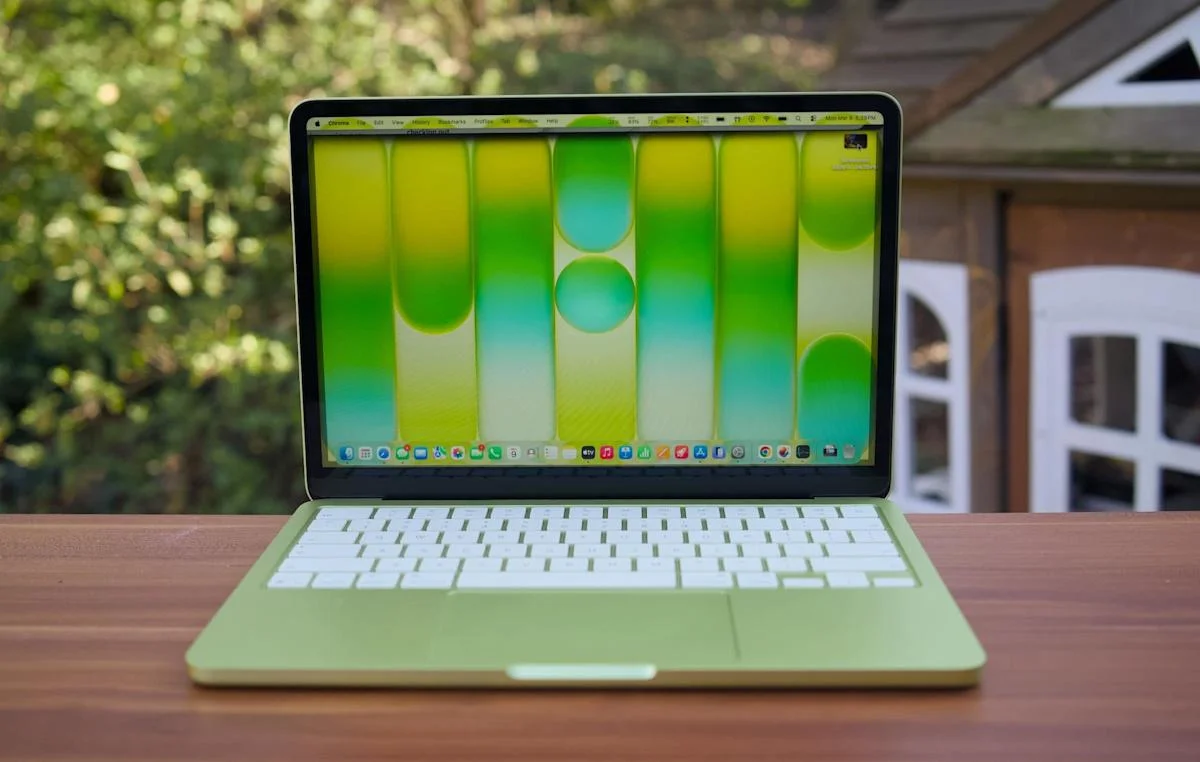
Parallels says its Desktop software can run Windows apps on the MacBook Neo’s ARM-based A18 Pro chip, with early tests showing stable performance while the team continues evaluation. However, Neo’s 8GB of RAM and fanless cooling mean sustained Windows workloads will throttle performance, so it’s best for light Windows use. Parallels even recommends 16GB+ RAM Macs for heavier Windows tasks, while the Neo remains a budget option (~$600) for users who dabble with Windows on macOS.
Parallels Desktop has been tested and shown to install and run Windows virtual machines on Apple’s new MacBook Neo. However, with only 8GB of RAM total, Windows VMs are viable only for light, occasional use; CPU- or GPU-intensive tasks are not recommended. For heavier Windows workloads, consider a MacBook Air with 16GB RAM (M5) or refurbished M4 models with 16GB.
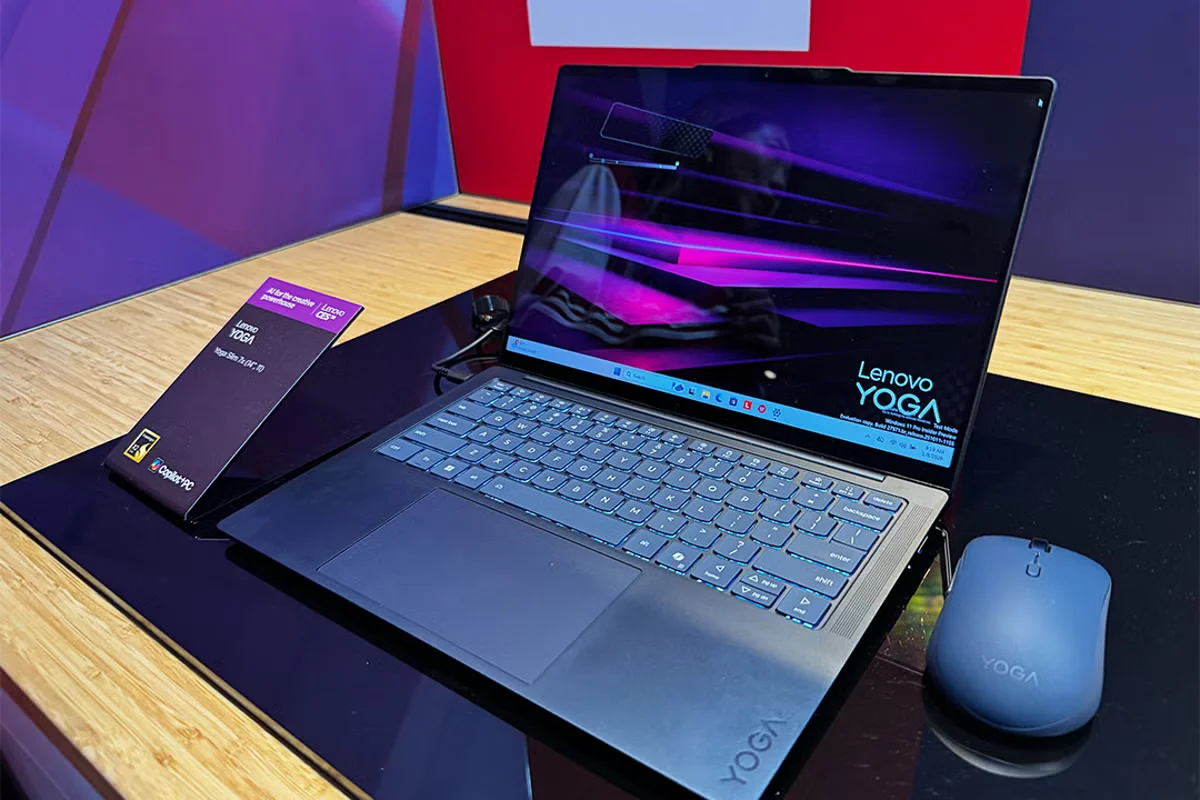
The article discusses Qualcomm's new Snapdragon X2 series chips for Windows laptops showcased at CES 2026, highlighting their efficiency, AI capabilities, and potential to rival MacBooks, which may persuade the author to consider switching from Mac to Windows.
Qualcomm is preparing its Snapdragon X Elite chips for upcoming Android PCs, signaling a move towards high-performance, ARM-based desktop devices that could rival traditional laptops, as part of the Android/ChromeOS merger.
The new Samsung Galaxy Book 4 Edge, powered by the ARM-based Snapdragon X Elite chipset, faces significant software compatibility issues, unable to run popular apps like Fortnite, Adobe apps, and Google Drive. This highlights the challenges of ARM architecture on Windows, despite Microsoft's efforts with the Prism emulation layer. Similar limitations are expected on other Snapdragon X Elite-powered laptops.
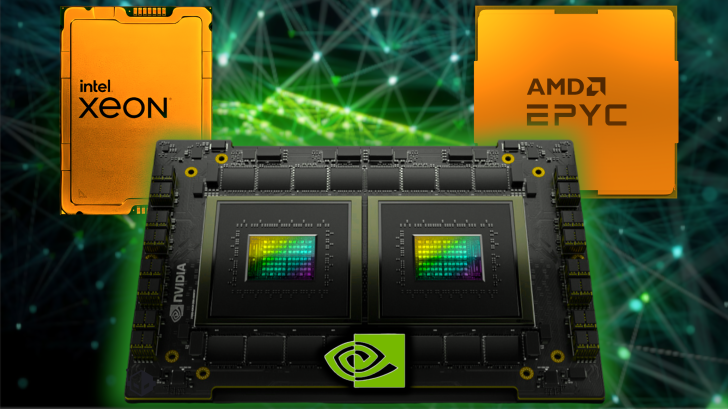
NVIDIA's GH200 Grace Hopper Superchip, featuring a 72-core ARM CPU, has been tested and performs competitively against AMD EPYC and Intel Xeon counterparts. The chip, designed for high-performance computing and cloud applications, offers up to 144 Arm v9 CPU cores and boasts impressive specifications, including LPDDR5x with ECC Memory and a coherent interface 7X faster than PCIe Gen 5. In benchmarks, the Grace CPU demonstrated performance close to top Intel and AMD CPUs, with potential for further optimization. While power and efficiency testing is pending, the chip's lower estimated power consumption compared to leading CPUs is promising, positioning NVIDIA's entry into the Arm CPU segment as a strong start.
Nvidia's "Grace" CG100 server processor, designed for HPC simulation and modeling workloads, holds its own against X86 for HPC, with high core count, low thermal footprint, and LPDDR5 memory. The Grace-Grace superchip, with 144 Arm Neoverse "Demeter" V2 cores and 1 TB of physical memory, shows promising performance in benchmark tests conducted by major supercomputing labs. Early results from the Barcelona Supercomputing Center and the State University of New York campuses in Stony Brook and Buffalo demonstrate the Grace CPU's ability to handle HPC workloads effectively, making it a competitive option for HPC applications.