Washington’s drift away from explicit extended deterrence is pushing allies to reconsider their own nuclear options, raising the risk of a proliferation cascade as major powers modernize arsenals and the Nonproliferation Treaty faces renewed strain.
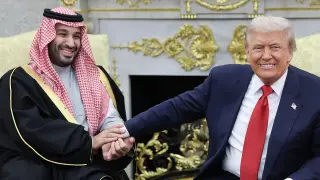
Lawmakers are split over the White House’s plan to advance a civilian nuclear program with Saudi Arabia, with Republicans praising the regional partnership to counter Iran and Democrats warning that permitting uranium enrichment could spark a Middle East nuclear arms race, unless strict safeguards and verification are imposed. The DOE outlined safeguards, while critics like Rep. Jamie Raskin and Rep. Gregory Meeks urged caution, and supporters like Rep. Tim Burchett and Rep. Mark Alford emphasized Congress’s role and regional alliance.
Vox explains that a 30-year civilian nuclear deal between the U.S. and Saudi Arabia could let Riyadh enrich uranium on its soil, a first in U.S. nuclear policy, with details still undisclosed. President Trump added new conditions that sow confusion, and experts warn the safeguards may be insufficient, potentially accelerating a regional arms race while Congress weighs possible opposition amid unclear terms and outcomes.
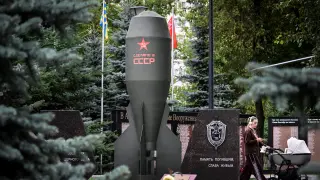
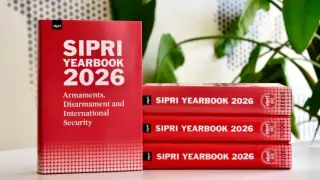
SIPRI Yearbook 2026 warns that states are increasingly relying on nuclear weapons, reversing post‑Cold War disarmament as arsenals are modernized and expanded. Global stockpiles stood at about 12,187 warheads in January 2026, with around 9,745 in military stockpiles and 4,012 deployed; roughly 2,100–2,200 deployed on high alert. Russia and the United States together hold about 83% of usable warheads. Major powers—US, Russia, China, UK, France, India, Pakistan, North Korea and Israel—are expanding and diversifying capabilities, while geopolitical tensions and the expiry of New START deepen uncertainty. The NPT Review Conference failed to produce a final outcome, signaling a weakening non-proliferation regime and raising the risk of miscalculation as dialogue erodes. SIPRI warns that increasing weaponization of security and trade, plus European moves toward greater nuclear sharing, could further destabilize strategic balance.
Generative AI is flooding institutions with machine-made content—submissions, letters, filings—overwhelming editors, editors, and authorities and triggering rapid, adversarial ‘arms races’ between detectors and AI-written material; while this democratizes access and aids tasks when disclosed, it also raises risks of fraud and governance breakdown, with no simple way to stop the flood.
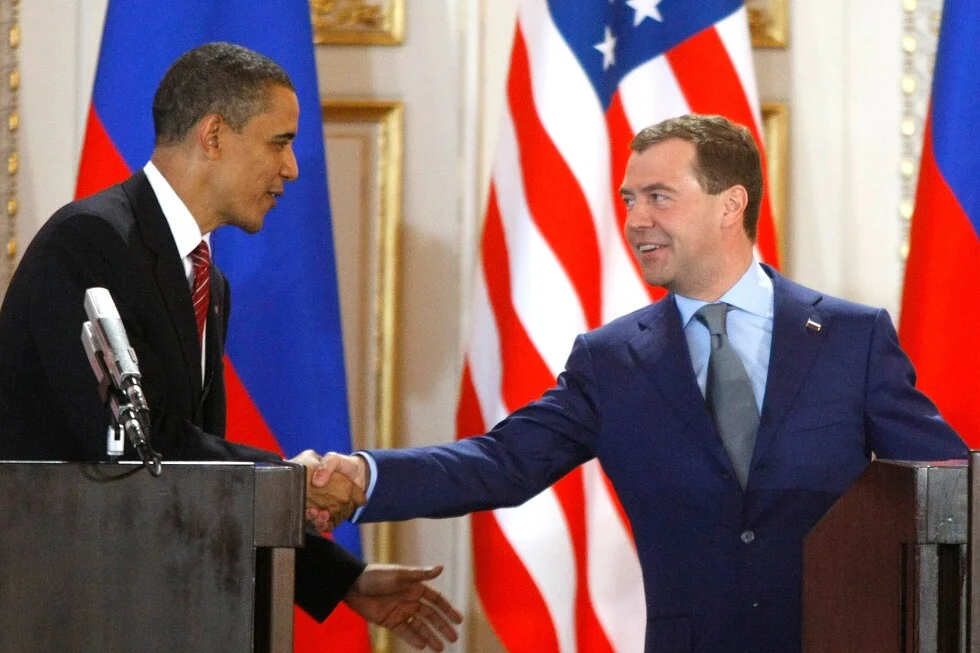
With the expiry of the New START treaty, experts worry about a renewed US-Russia arms race as both powers modernize arsenals and long-standing arms-control structures fray; global leaders, including Pope Francis, have urged renewal, while talks about broader deals—potentially involving China and other nuclear powers—remain unsettled.
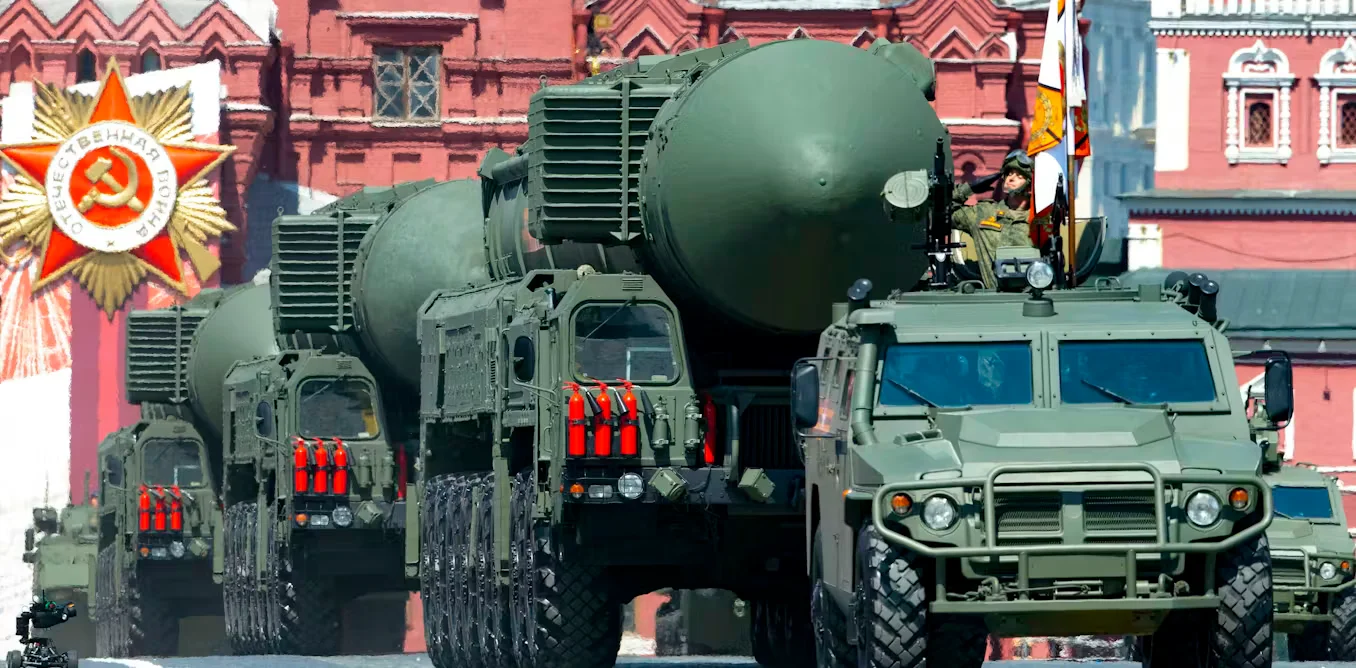
With the New START treaty expiring, the U.S. and Russia would no longer be bound by caps on deployed nuclear arsenals, raising fears of an unconstrained arms race that could pull China into a growing strategic competition. Putin has signaled willingness to extend limits for a year if Washington does the same, but Trump has not committed, prompting experts to warn of destabilization and increased global risk unless a successor agreement is reached.
New START, the last US‑Russia nuclear-arms restraint, lapses on Feb 4 with no extension talks underway. Its verification and data-exchange mechanisms would end, potentially enabling larger deployed arsenals on both sides and raising the risk of a renewed arms race; with no immediate successor treaty and trilateral talks with China unlikely, there is a push for a verifiable, multilateral disarmament framework to curb risks.
President Trump’s ambiguous threat to resume nuclear testing has led Russia to consider doing the same, raising concerns reminiscent of Cold War arms races.
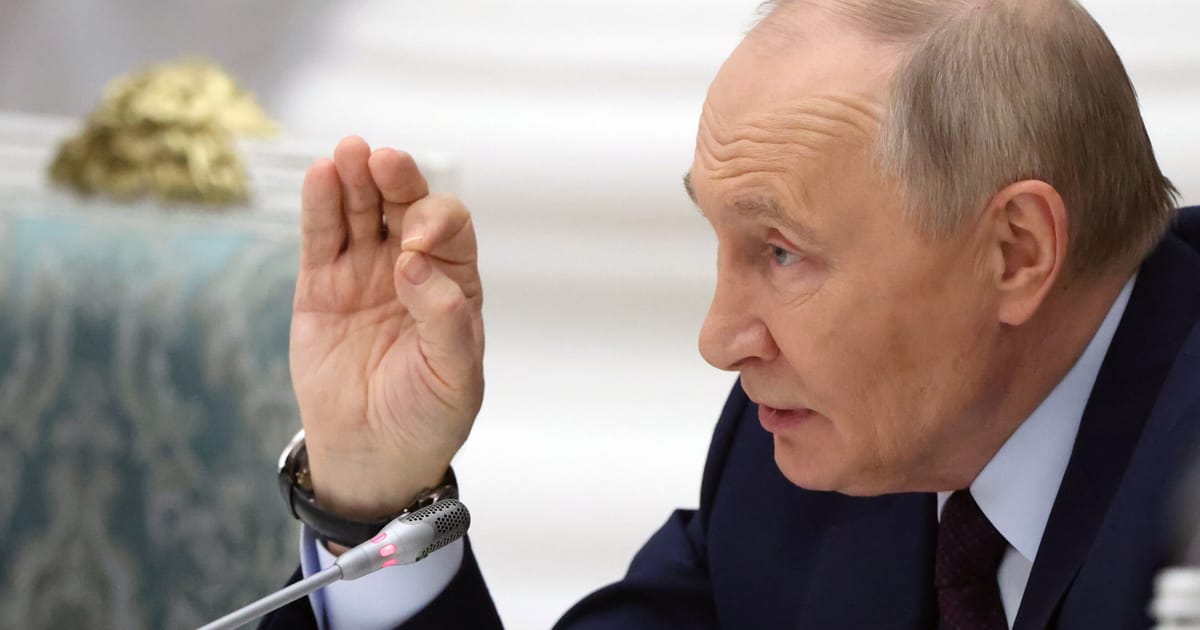
Russian President Vladimir Putin has ordered officials to explore the possibility of resuming nuclear tests, following US President Trump's call for renewed testing, amid ongoing global nuclear arms stockpile increases and recent advancements in Russian nuclear technology.
President Trump announced the resumption of US nuclear testing with some inaccuracies and unclear details, prompting international scrutiny and debate about nuclear capabilities and modernization efforts, amidst ongoing global nuclear tensions.
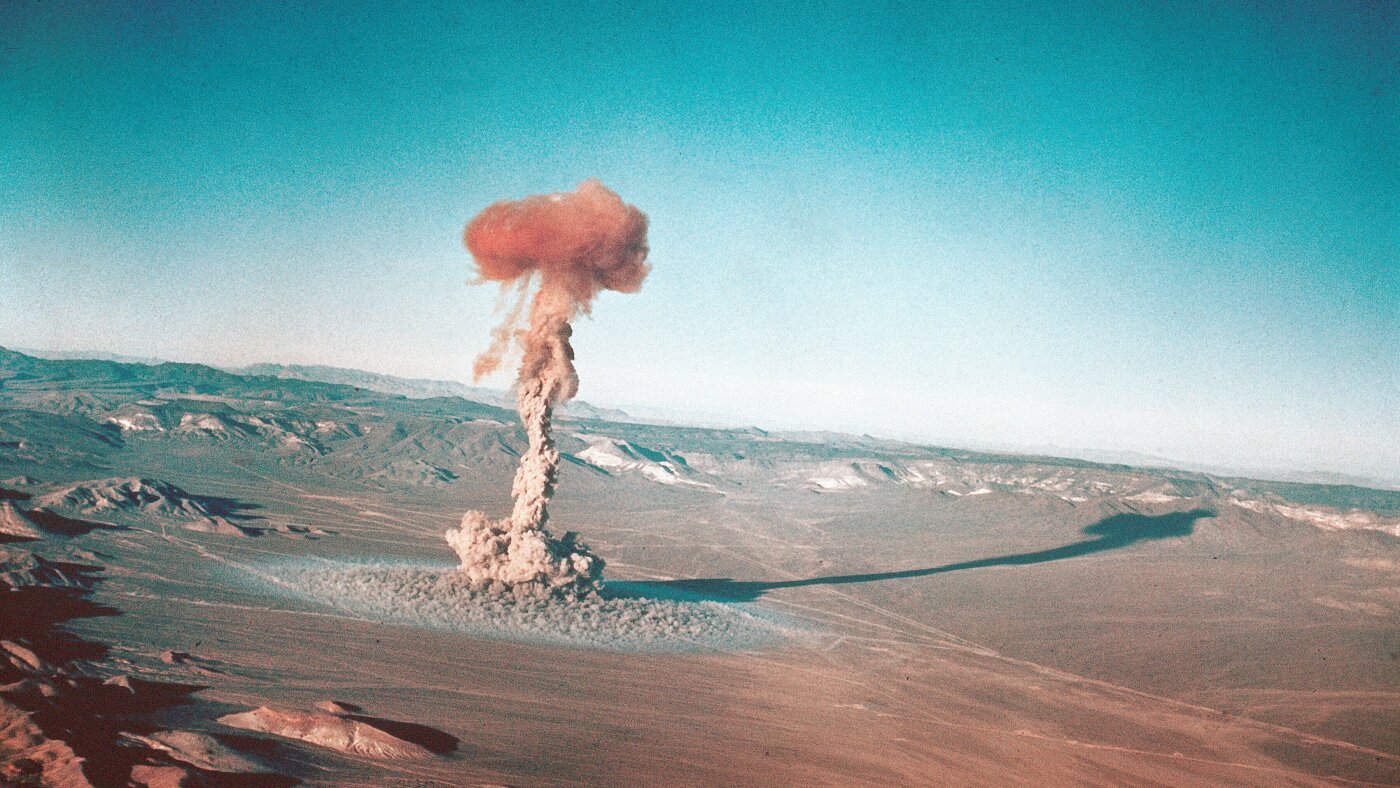
President Trump announced plans to resume nuclear testing in the U.S., which would involve underground tests at the Nevada site and could escalate global tensions, especially amid recent provocative tests by Russia. Experts warn that resuming testing is dangerous, costly, and unnecessary given current scientific capabilities, and could destabilize international nuclear agreements.
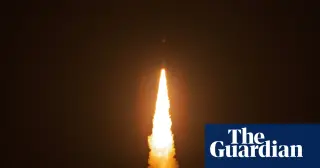
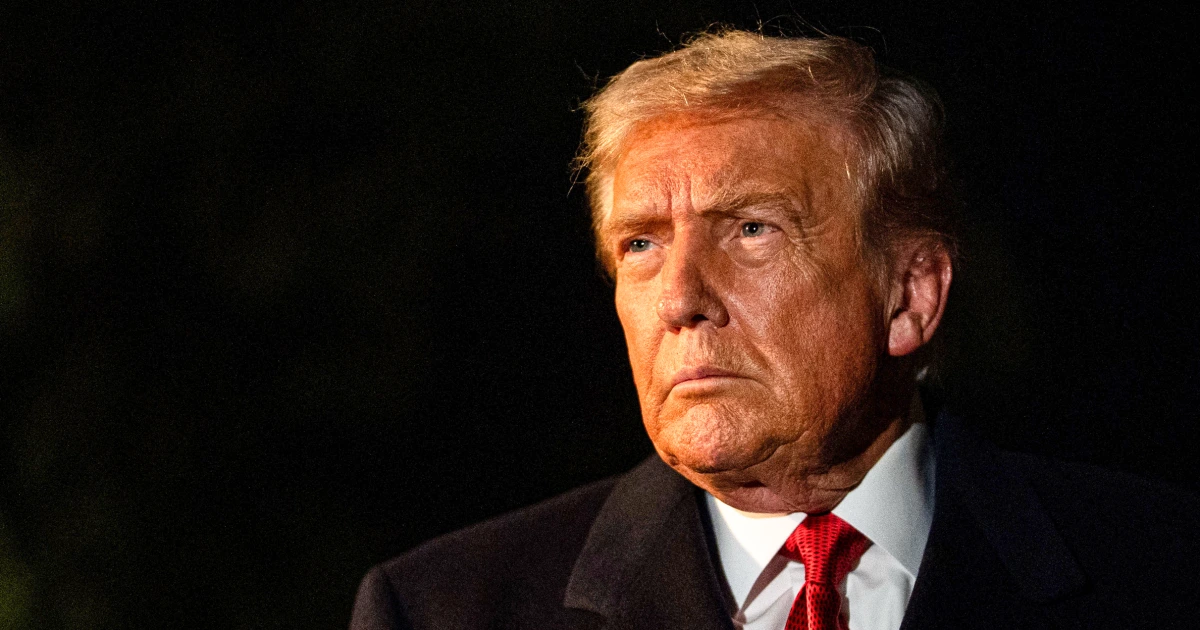
President Donald Trump ordered the Pentagon to immediately resume testing nuclear weapons, reversing a voluntary halt since 1992, citing global testing activities by other countries, including Russia and China, as motivation.
Donald Trump instructed the Pentagon to begin matching Russia and China in nuclear weapons testing, raising concerns about a renewed arms race, despite the US's previous moratorium on full nuclear tests since 1992. The move coincides with Trump's meeting with Chinese President Xi Jinping and follows Russia's recent testing of advanced nuclear-capable weapons. Experts and officials have expressed concern over the potential escalation of nuclear tensions.
Ukrainian President Zelensky warns at the UN that Putin's Russia will escalate beyond Ukraine if not stopped, calling for stronger international support, AI regulation, and warning of a dangerous arms race, while also addressing recent Russian airspace violations and shifting US political stances on the conflict.