The U.S. Department of Defense identifies Chief Warrant Officer 3 Robert M. Marzan, 54, of Sacramento, California, assigned to the 103rd Sustainment Command, Des Moines, as the casualty from the March 1, 2026 incident in Port Shuaiba, Kuwait; positive identification will be completed by the medical examiner.
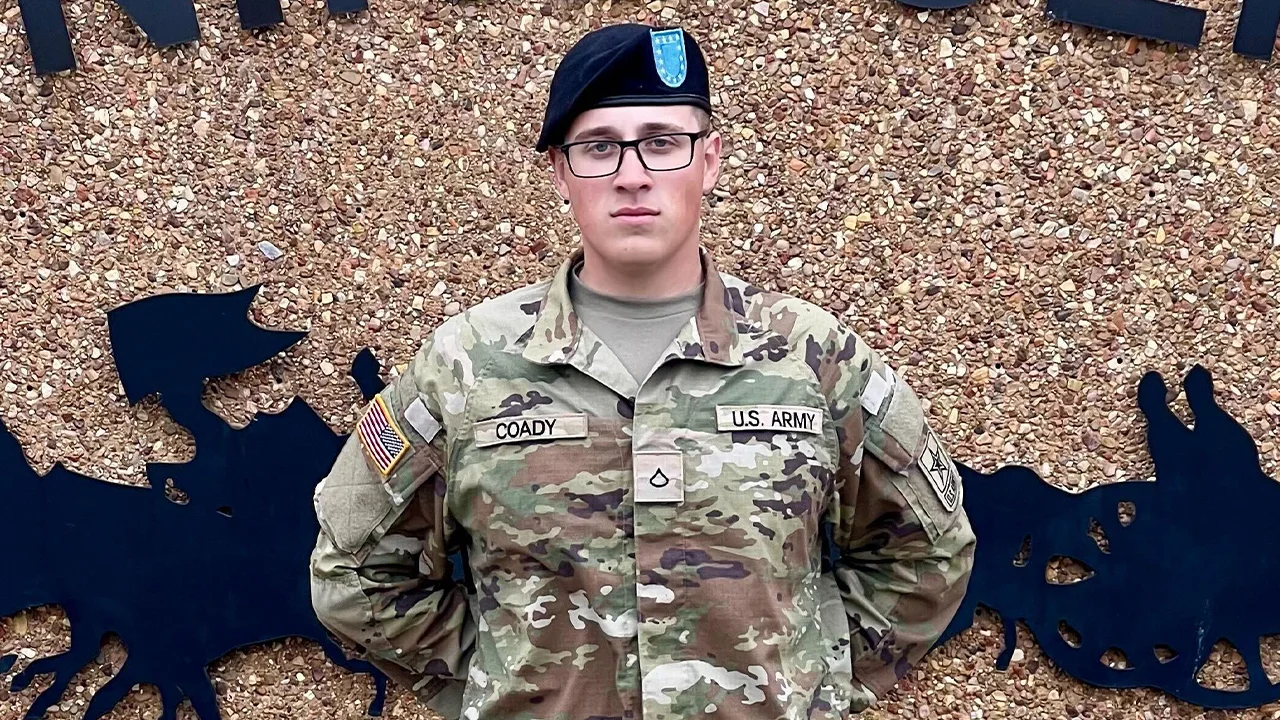
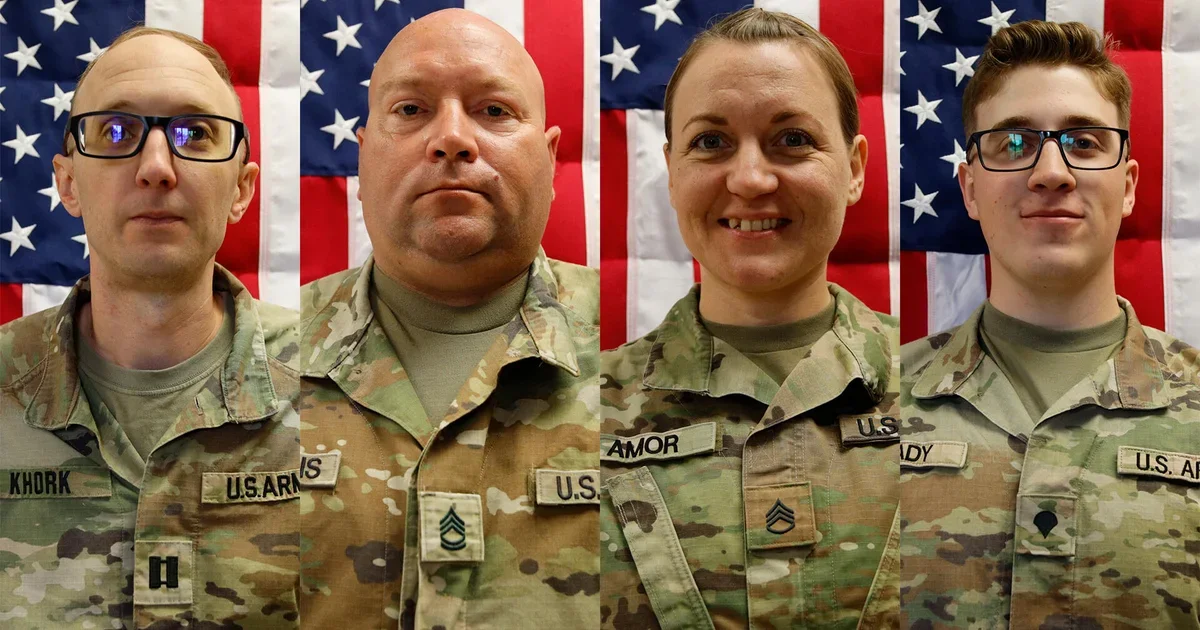
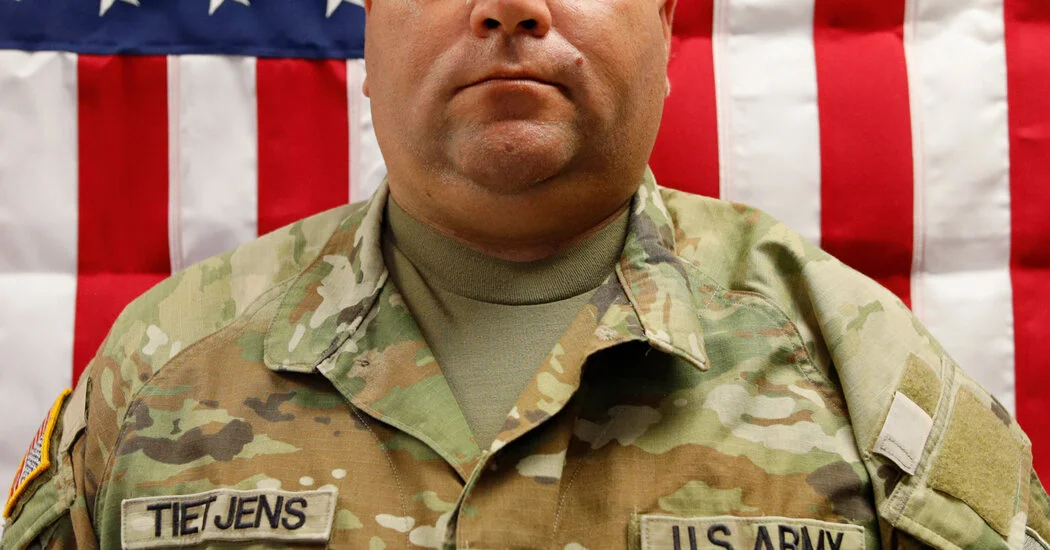
Des Moines, Iowa, 20-year-old Army Reserve Sgt. Declan Coady was killed in a Iranian drone strike at Kuwait’s Port of Shuaiba while supporting Operation Epic Fury, the youngest of six Reserve soldiers identified. His family said he texted and called home every one to two hours with updates like 'I’m good' before contact was lost and officers arrived. Coady, a Drake University student studying information systems and cybersecurity, had redeployed with his unit and had been recommended for a promotion to sergeant, which would be awarded posthumously. His sister and father spoke of his love for service, while three other soldiers were identified as Noah Tietjens, Nicole Amor, and Cody Khork (two more unnamed); a GoFundMe for the family had raised over $94,000.
Six U.S. Army Reserve service members from the 103rd Sustainment Command were killed in a drone attack on a Kuwait port after U.S. and Israeli strikes on Iran; five died at the scene and a sixth is believed to have died there, with 18 others seriously injured. The fallen are Capt. Cody A. Khork, Sgt. 1st Class Noah L. Tietjens, Sgt. 1st Class Nicole M. Amor, Spc. Declan J. Coady, Maj. Jeffrey O’Brien, and Chief Warrant Officer Robert Marzan; all six were from the same unit. The incident underscores the widening impact of the Iran-Israel-U.S. conflict across the region.
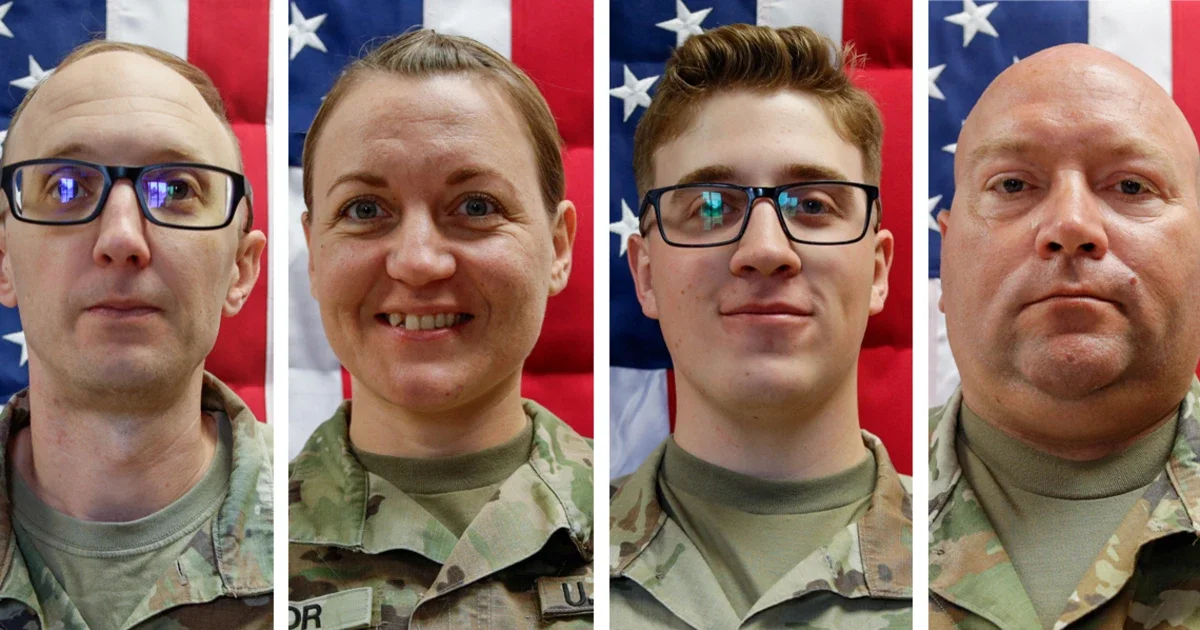
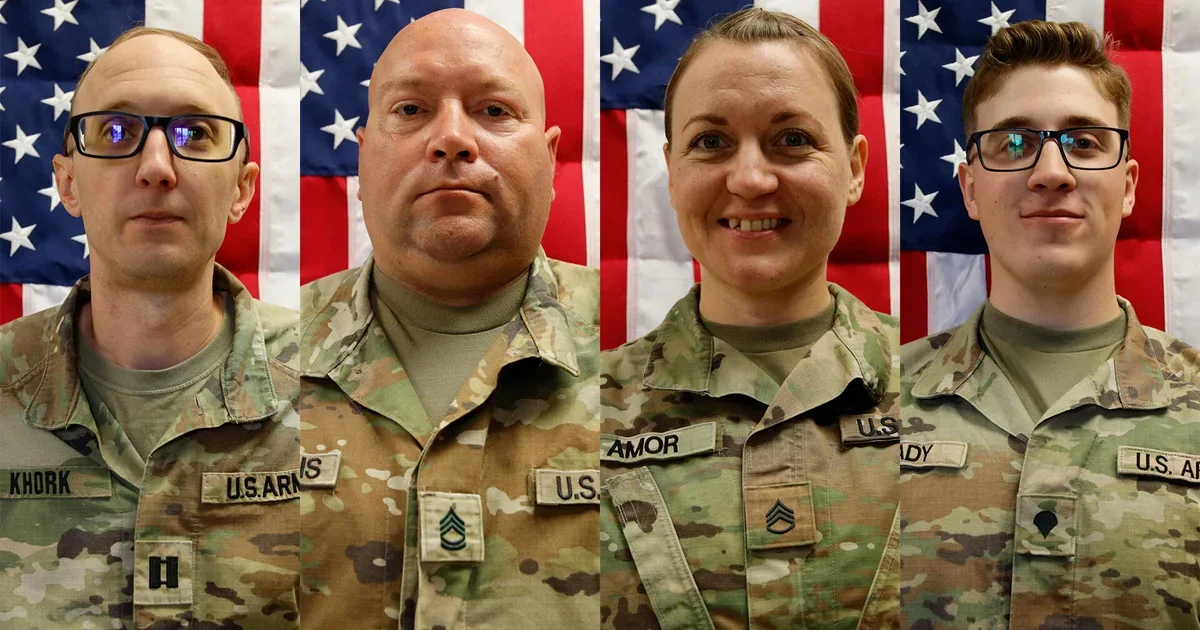
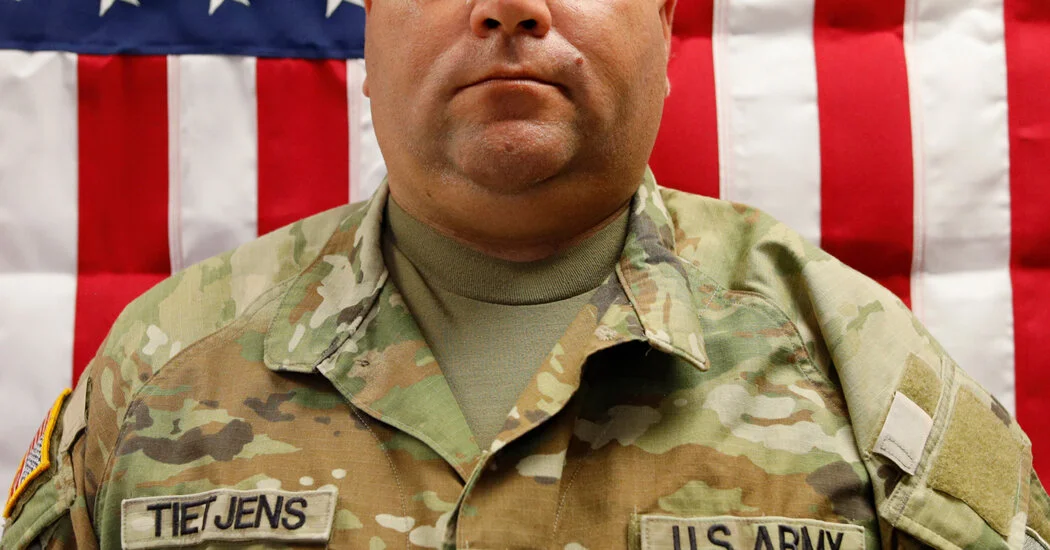
Six U.S. service members have been killed in the Iran war, with four identified so far: Captain Cody A. Khork (35, Florida), Sergeant 1st Class Nicole M. Amor (39, Minnesota), Sergeant 1st Class Noah Tietjens (42, Nebraska), and Sergeant Declan J. Coady (20, Iowa). All were in the Army Reserve’s 103rd Sustainment Command. The Army publicly identifies the deceased after next-of-kin notification (24 hours), and officials and families have begun tributes as the death toll rises.
At least six American service members have been killed in the ongoing Iran conflict after an unmanned aircraft attack at Kuwait's Shuaiba port, including four Army Reserve members—Capt. Cody A. Khork, Sgt. First Class Nicole M. Amor, Sgt. Declan J. Coady and Noah L. Tietjens—with two other service members unnamed. The Department of Defense praised the fallen, while families share memories and officials warn that more casualties may occur.
The Pentagon has released the names of four U.S. Army Reserve soldiers killed when an Iranian strike hit a tactical operations center in Kuwait, part of the ongoing war with Iran. The fallen are Capt. Cody A. Khork, 35; Sgt. 1st Class Noah L. Tietjens, 42; Sgt. 1st Class Nicole M. Amor, 39; and Sgt. Declan J. Coady, 20, all from the 103rd Sustainment Command. Two more service members’ names were withheld until next of kin notification. The incident is linked to Operation Epic Fury, with officials paying tribute and the operation continuing; further casualties were anticipated as the conflict unfolds.
At least six American service members were killed as the U.S.–Iran confrontation escalated, including four Army Reserve soldiers from Des Moines's 103rd Sustainment Command—Capt. Cody A. Khork, Sgt. Nicole M. Amor, Sgt. Declan J. Coady, and Sgt. Noah L. Tietjens—killed in an unmanned aircraft system attack on a Kuwait port; two other service members were killed but not yet identified. The Department of Defense praised the fallen and investigations into the attack are underway.
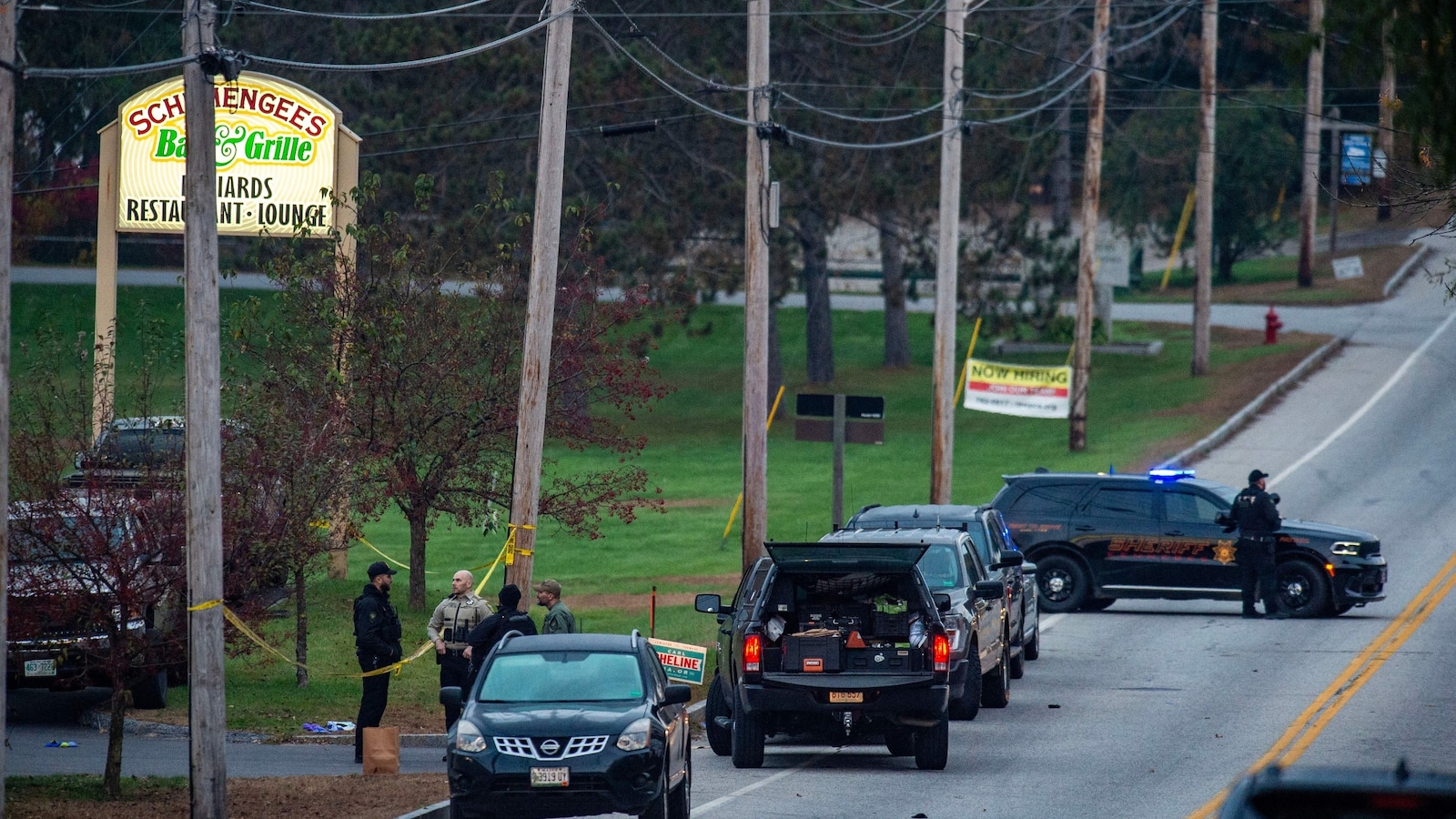
A commission investigating the October mass shooting in Lewiston, Maine, questioned Army Reserve colleagues of the gunman, Robert R. Card Jr., about their inaction before the rampage, seeking accountability among law enforcement agencies and military personnel who knew of the shooter’s threats and erratic behavior. The commission pressed for answers about failed efforts to prevent the gunman from inflicting harm and elicited detailed accounts of the months leading up to the tragedy, which resulted in the death of 18 people.
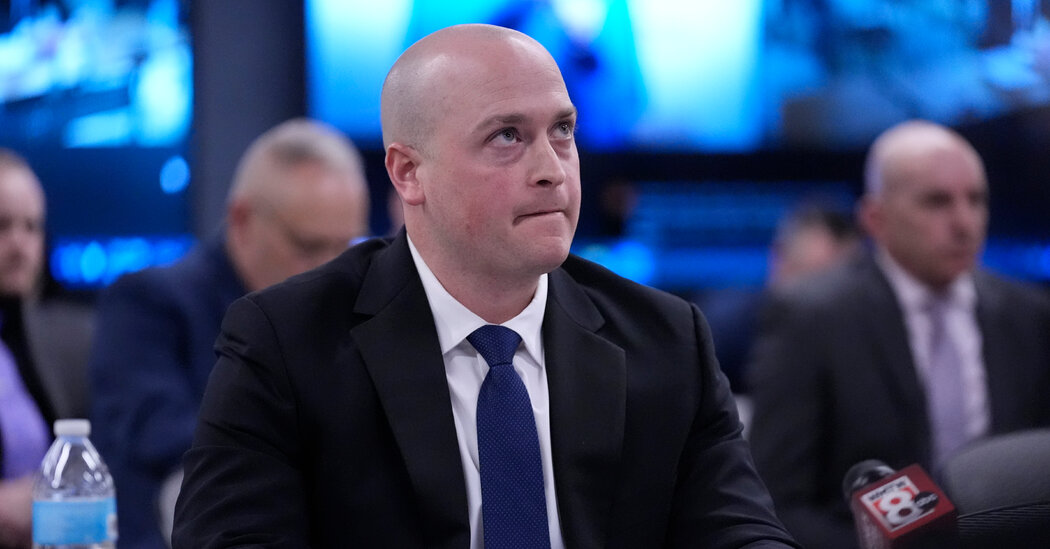
Army reservists testified before an independent commission investigating the Lewiston, Maine shooting that left 18 dead, deflecting blame and citing limitations in their authority to restrict gunman Robert Card's access to firearms due to local law enforcement responsibility and Maine's "yellow flag" law. Testimony revealed efforts taken to handle Card's mental health crisis, but also highlighted communication failures and the need for changes in the law. A post-mortem study of Card's brain found traumatic brain injuries that may have contributed to his behavioral changes, prompting his family to raise awareness of the issue. The commission will issue a formal public report at the conclusion of its investigation.
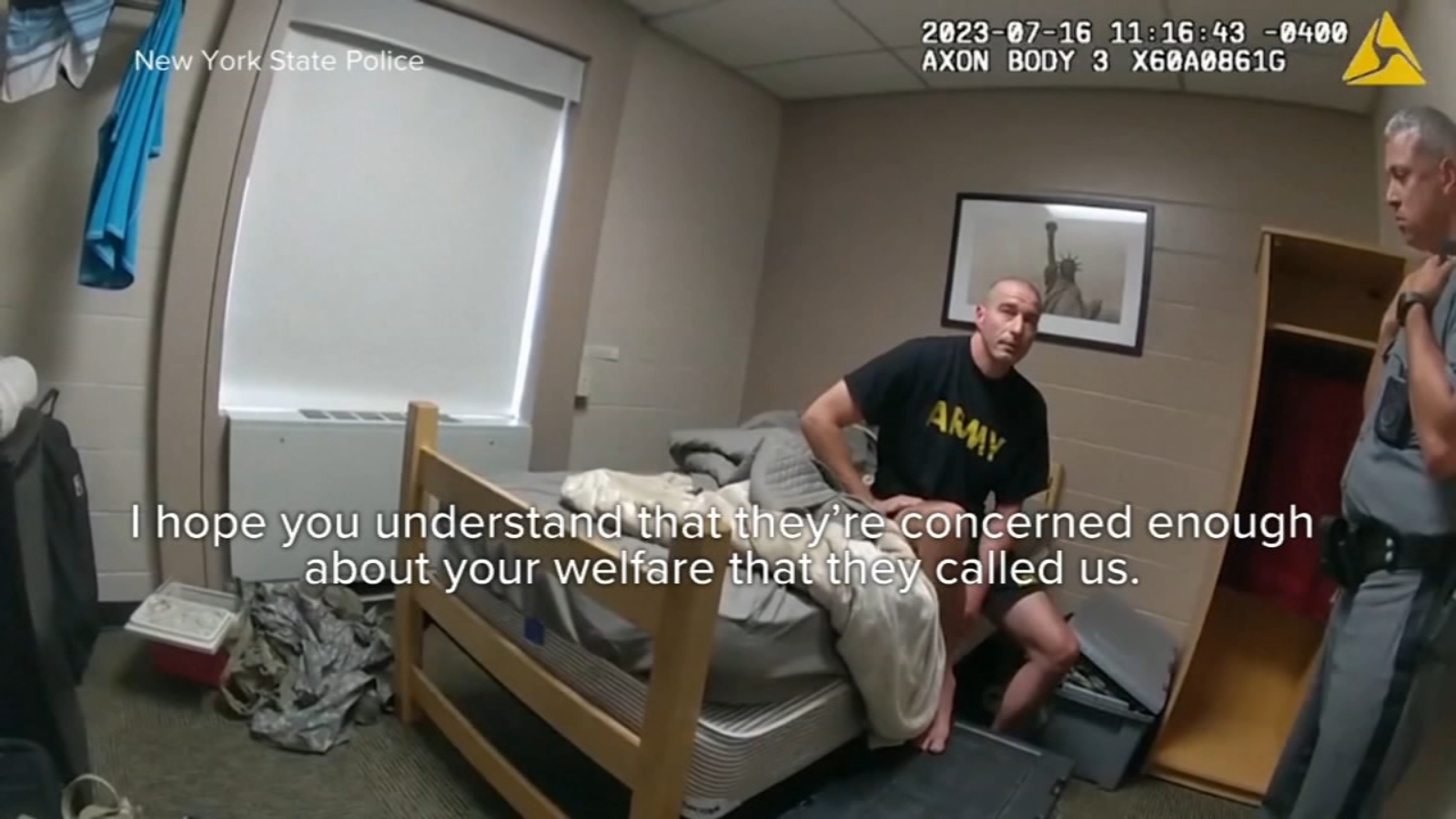
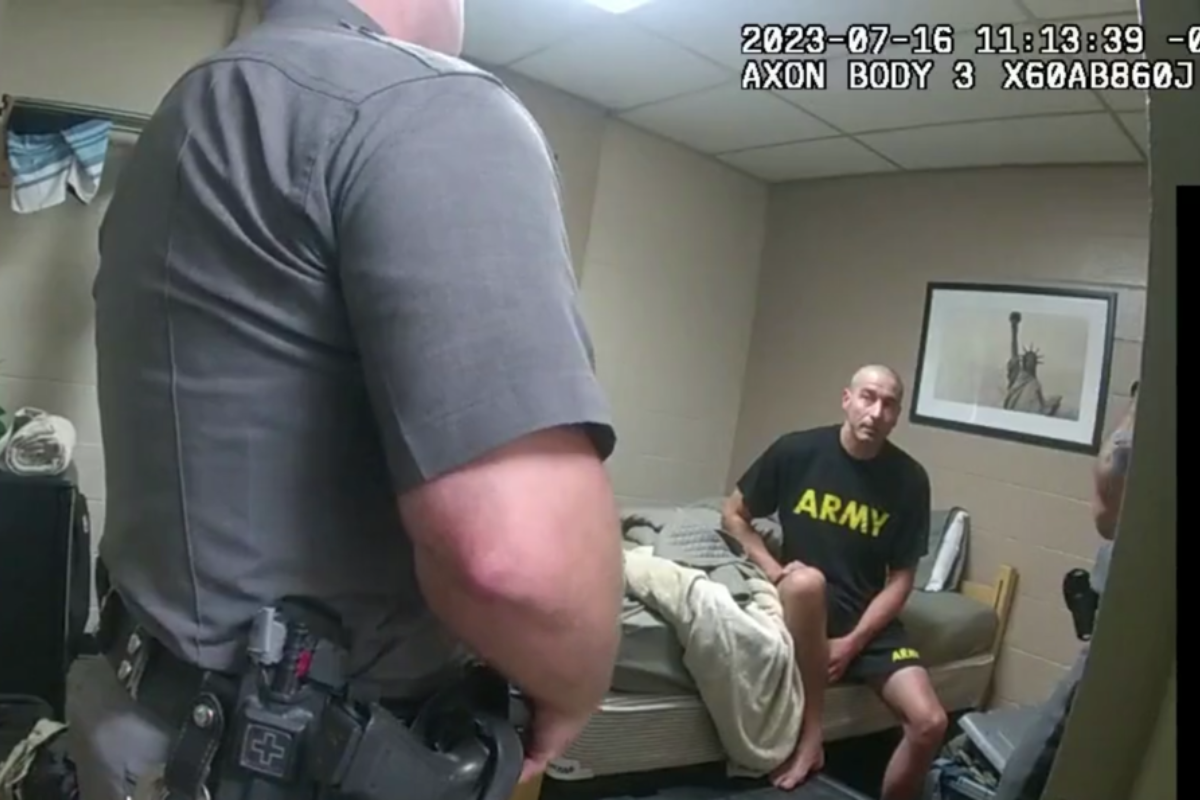
Three months before the Maine mass shooting, Robert Card, the alleged gunman, was taken for psychiatric evaluation after exhibiting concerning behavior and hearing voices. He had allegedly made disturbing comments and displayed aggressive behavior, prompting his Army Reserve unit to seek help for him. The newly released body camera footage shows the moments leading up to his evaluation. An independent commission is now investigating the events leading up to the shooting and has been granted subpoena power to compel documents and witness testimony from relevant individuals and entities, including the US military.
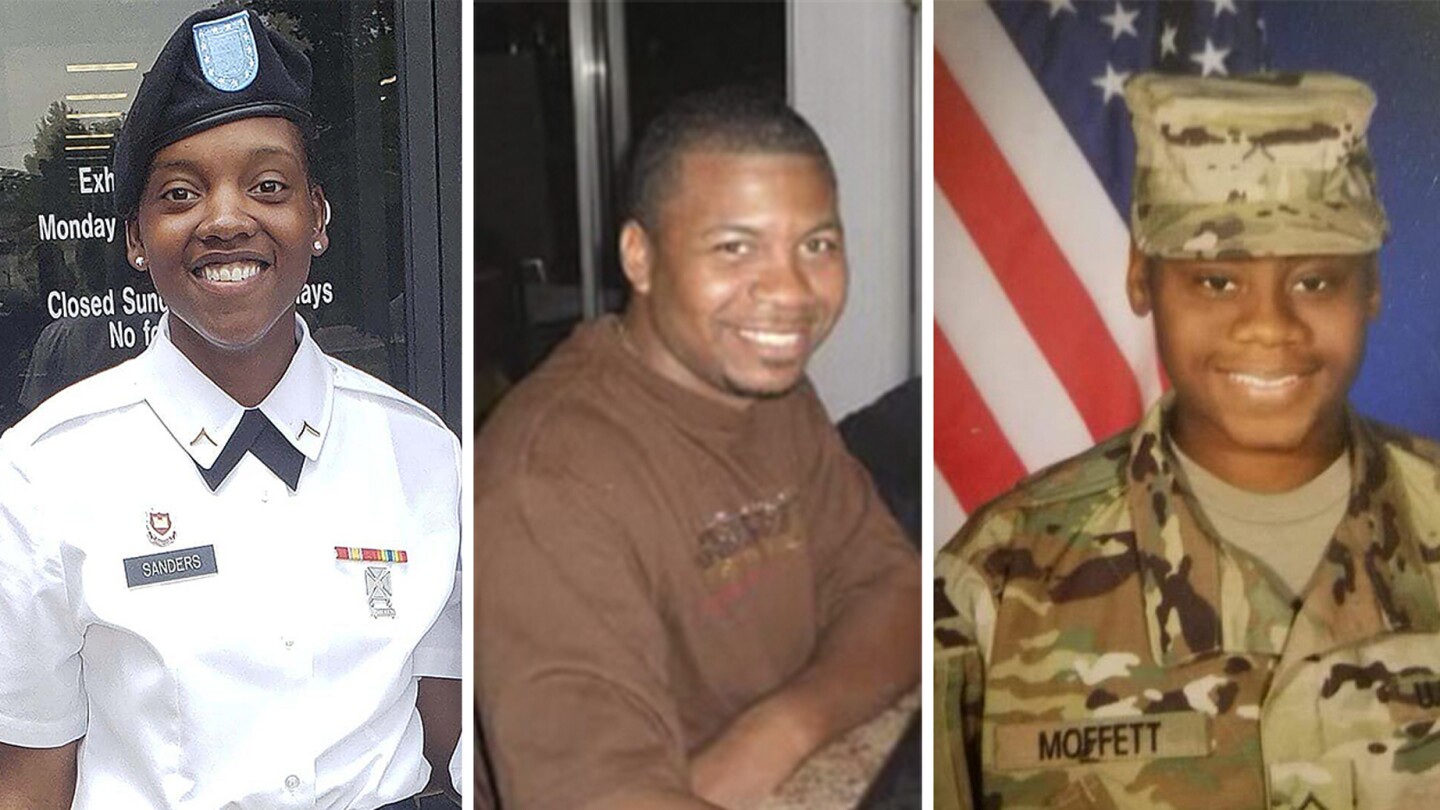
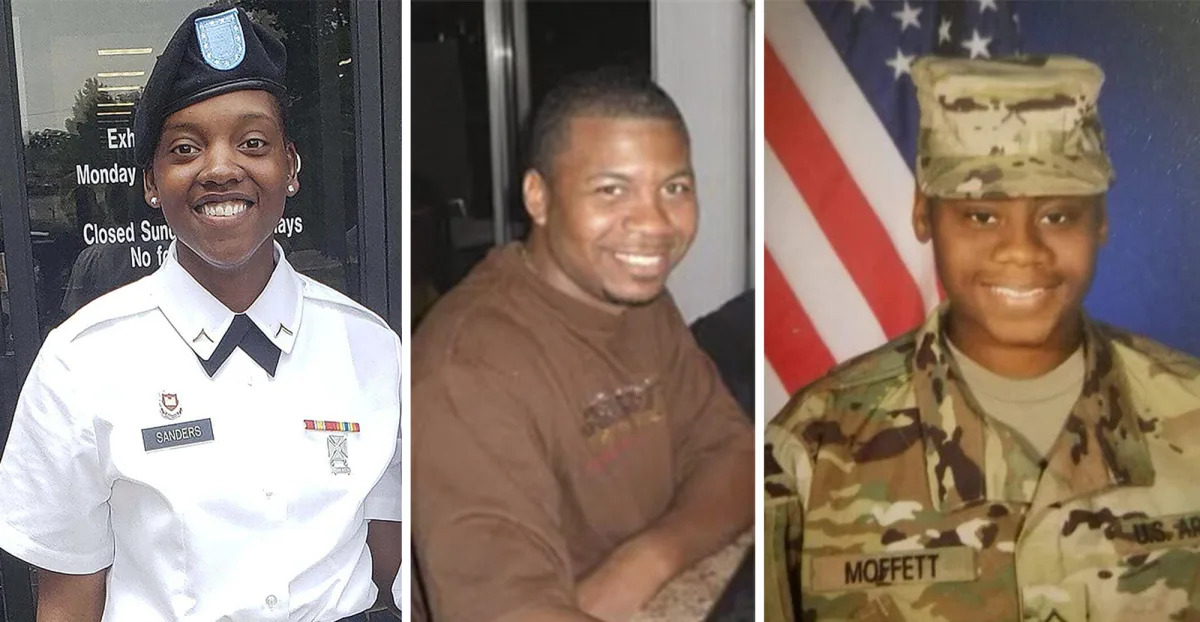
Two Army Reserve soldiers, Sgt. Kennedy Sanders and Sgt. Breonna Moffett, were mourned at separate funerals in Georgia after being killed in a drone attack while deployed to the Middle East. Both soldiers were remembered for their dedication and service, with Sanders being described as courageous and willing to take on challenging tasks, and Moffett being praised for her work with people with disabilities. The soldiers were part of the 926th Engineer Battalion and had become close friends before their deaths. The drone attack, which also killed Staff Sgt. William Jerome Rivers, was the first U.S. fatalities attributed to Iran-backed militia groups following increased attacks on American forces in the region.
Three months before the alleged Maine mass shooter opened fire, Robert Card told New York State troopers he was "capable" of doing "something," prompting concerns about his mental state and behavior. Despite being taken for psychiatric evaluation and treatment, Card would later allegedly carry out back-to-back shootings at a bar and a bowling alley in Maine. Newly released police body camera footage shows Card's concerning behavior and statements, as an independent commission investigates the events leading up to the mass shooting and gains subpoena power for its probe.
Three months before committing a mass shooting, Robert Card II was encountered by New York State Police and fellow reservists at a hotel, where he expressed paranoia and made concerning statements. Despite fears of potential violence, law enforcement faced challenges in getting him help due to legal limitations. Although Card was eventually taken for a mental health evaluation, he later returned to Maine and attempted to purchase a firearm accessory, raising questions about the effectiveness of the system in preventing individuals with mental health issues from accessing firearms.
Three Georgia-based US soldiers, Spc. Kennedy Sanders, Spc. Breonna Moffett, and Sgt. William Jerome Rivers, were killed in a drone strike near the Syrian border, leaving their families in shock and mourning. The soldiers, described as bubbly and dedicated, had different backgrounds but shared a commitment to service. President Joe Biden has promised a response, while the families hope for no escalation in violence. The soldiers' loved ones remember them as full of life and with unfulfilled dreams.
Despite multiple warning signs and a direct text from his friend and fellow Army reservist Sean Hodgson, authorities downplayed the concerns about Robert Card's deteriorating mental state and access to guns, ultimately failing to prevent Maine's deadliest mass shooting. Hodgson's efforts to alert the Army about Card's potential for violence were dismissed, and despite a series of missed opportunities to intervene, Card fatally shot 18 people before taking his own life. Hodgson, who had warned authorities about Card's behavior, is pushing back against criticism and believes more could have been done to help his friend and prevent the tragedy.