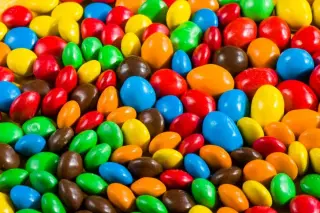
M&M's Goes Natural: Artificial Dyes Out, Two Colors Retired
M&M's will drop artificial colorings and retire two iconic colors as part of a broader move toward natural ingredients in its candy lineup.

All articles tagged with #artificial dyes
M&M's will drop artificial colorings and retire two iconic colors as part of a broader move toward natural ingredients in its candy lineup.
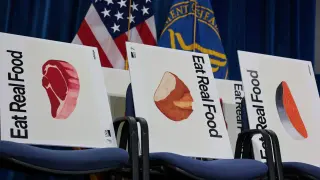
SNAP waivers in 23 states restricting purchases for about one-third of recipients could trim food-and-beverage sales by up to $830 million this year as shoppers switch to allowed items or cut back; major brands (Hershey, Kraft Heinz, PepsiCo, Coca-Cola, Nestle, General Mills) are measuring shopper response and accelerating reformulations to remove artificial dyes amid MAHA’s push to curb synthetic colors and SNAP purchases; Iowa has codified MAHA provisions, signaling a broader shift that could tighten access to sugar-sweetened beverages and candy, even as some executives expect a muted impact and retailers remain exposed to SNAP spending shifts.
Target will remove synthetic food dyes from all cereals by May 2026, putting retailer pressure on suppliers ahead of broader industry moves. Major brands like General Mills plan similar phaseouts—eliminating synthetic colors from U.S. cereals by summer 2026 with full retail rollout by 2027—while the FDA has begun phasing out petroleum-based dyes and promoting natural alternatives. Most pledges extend through 2027, suggesting retailers could drive the next phase of the food-dye debate more than regulators.
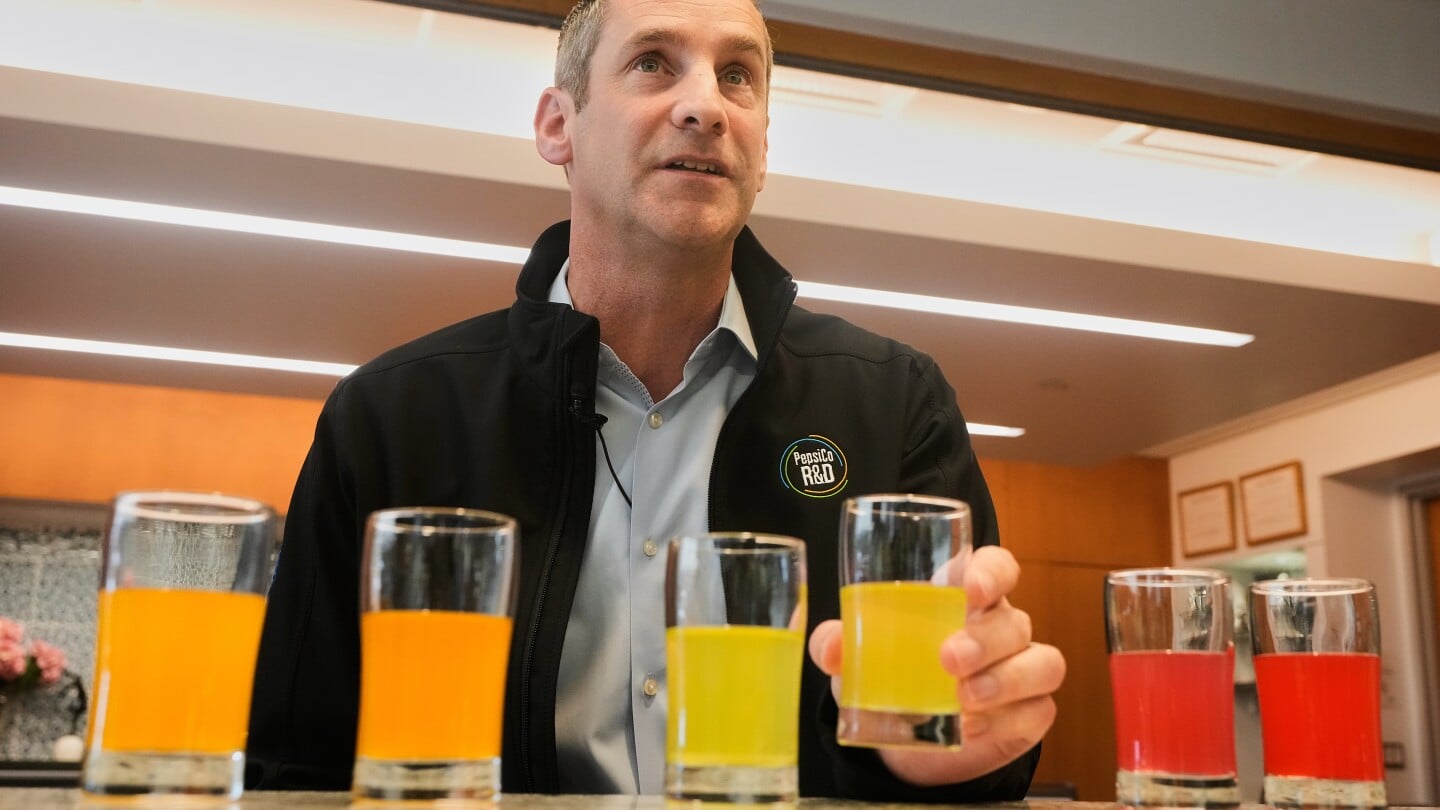
PepsiCo is transitioning to natural colors in its products like Gatorade and Cheetos to meet consumer demand for cleaner ingredients, a process that involves extensive testing and regulatory approval, with initial changes expected in snack and beverage lines later this year and early next year.
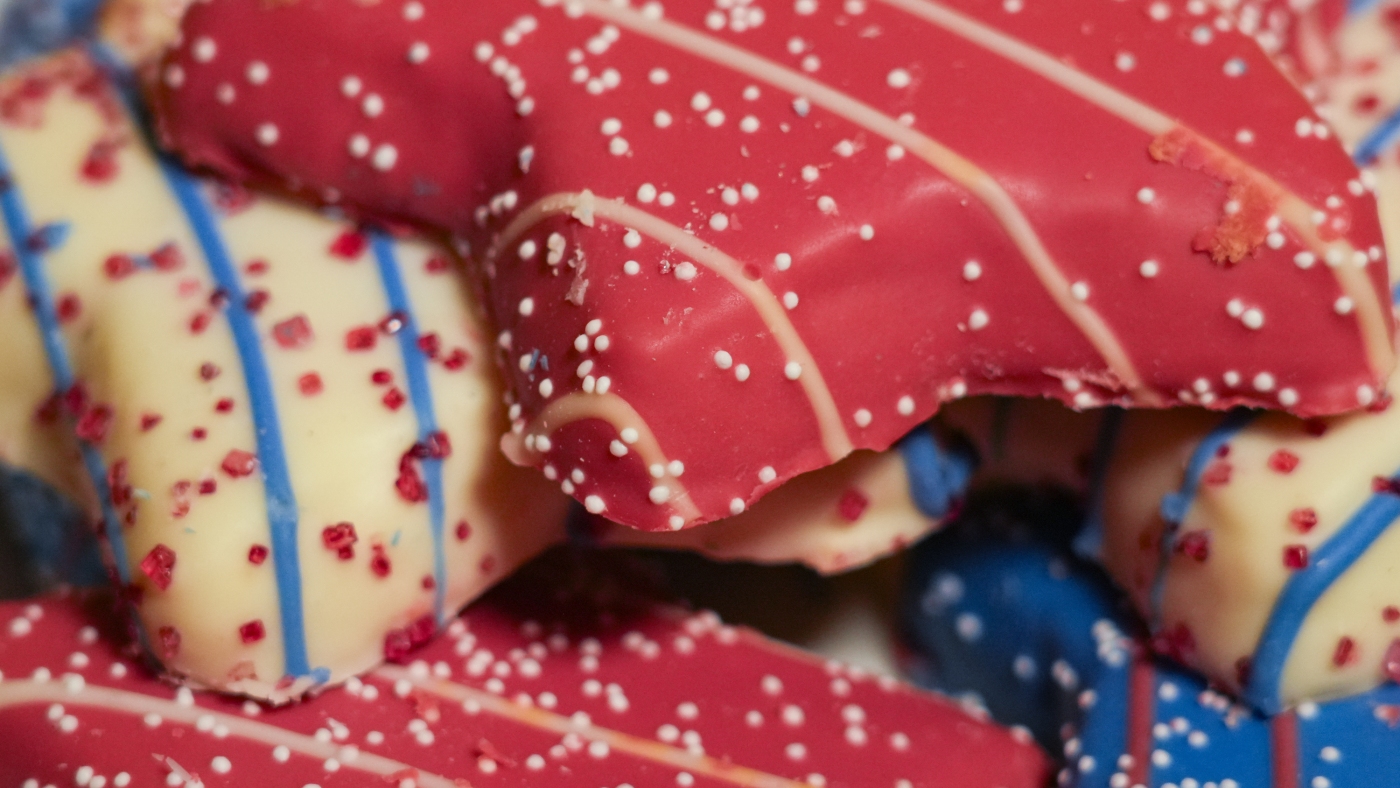
Food manufacturers are phasing out artificial dyes in favor of natural alternatives, but maintaining vibrant colors remains a challenge due to consumer expectations and the cost of natural dyes, with some companies like Sam's Club making significant progress while facing resistance from shoppers accustomed to bright, processed food colors.
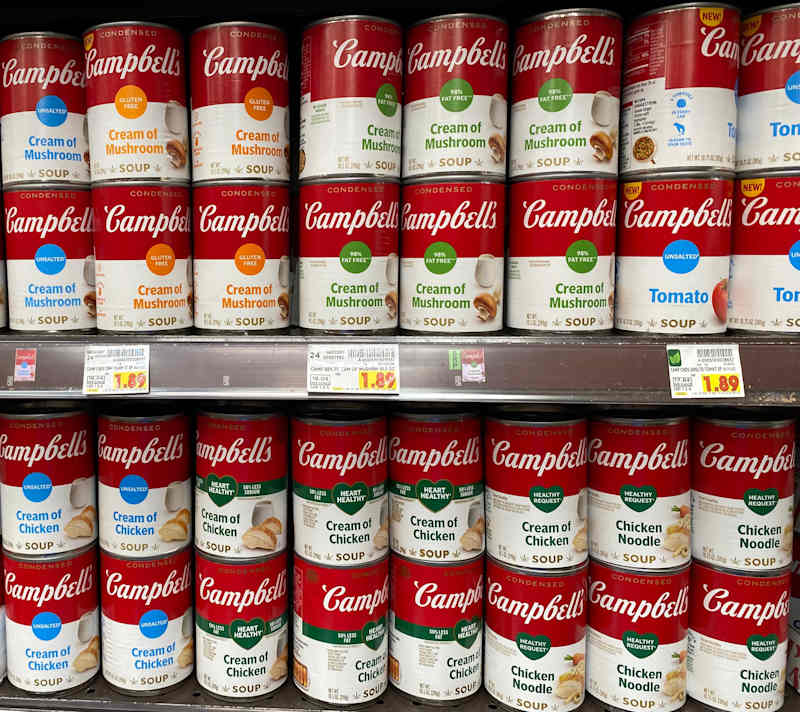
Campbell's has announced it will remove all artificial colors from its products by August 2026, responding to calls from health officials to eliminate potentially hazardous synthetic dyes, and will increasingly use natural color sources like paprika and beet juice.
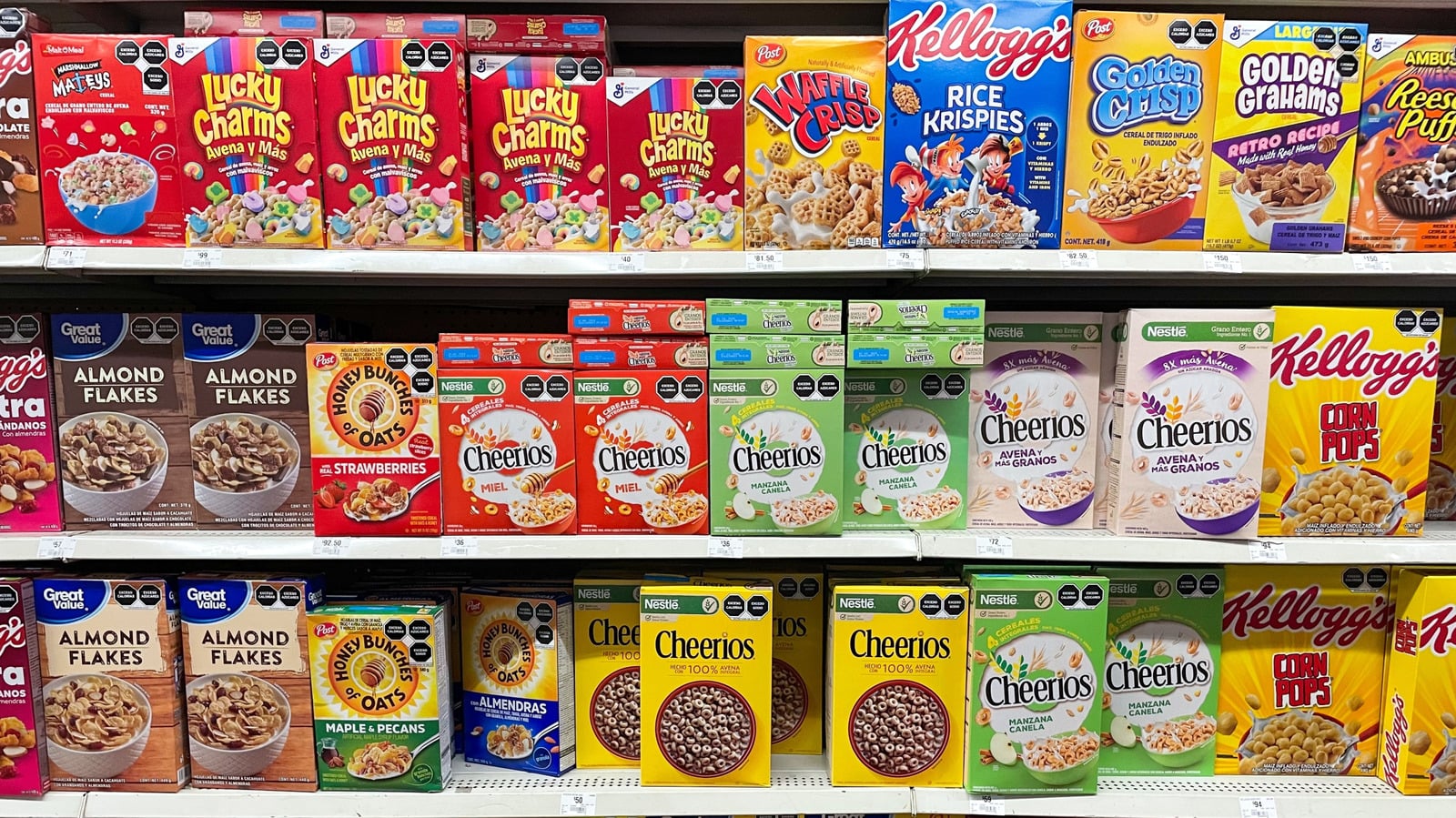
The article lists 20 of the worst breakfast cereals in the US, highlighting their high sugar content, artificial ingredients, and low nutritional value, warning consumers about the long-term health risks of regularly consuming these sugary, ultra-processed foods.
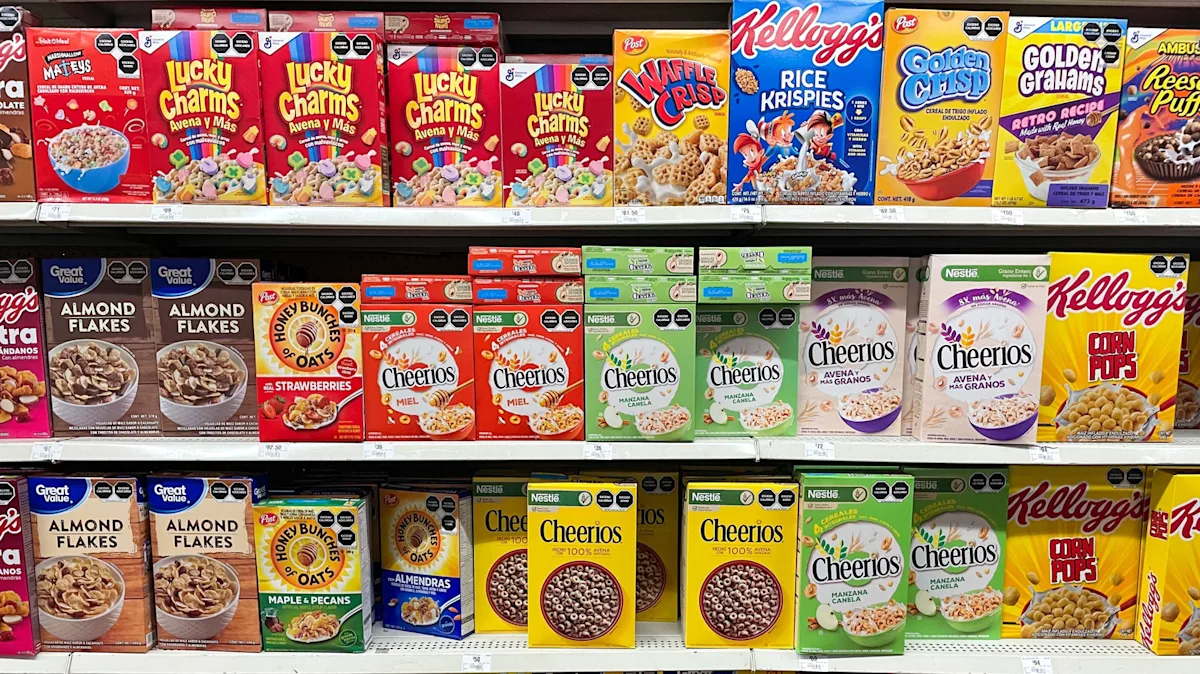
The article lists 20 of the worst breakfast cereals in the US, highlighting their high sugar content, artificial ingredients, and low nutritional value, warning that regular consumption could lead to health issues like obesity and diabetes.
President Trump announced that major food companies are pledging to eliminate artificial colors and harmful ingredients from their products, including ice cream, cereals, snacks, and fast food, as part of a broader effort to improve public health and food safety.
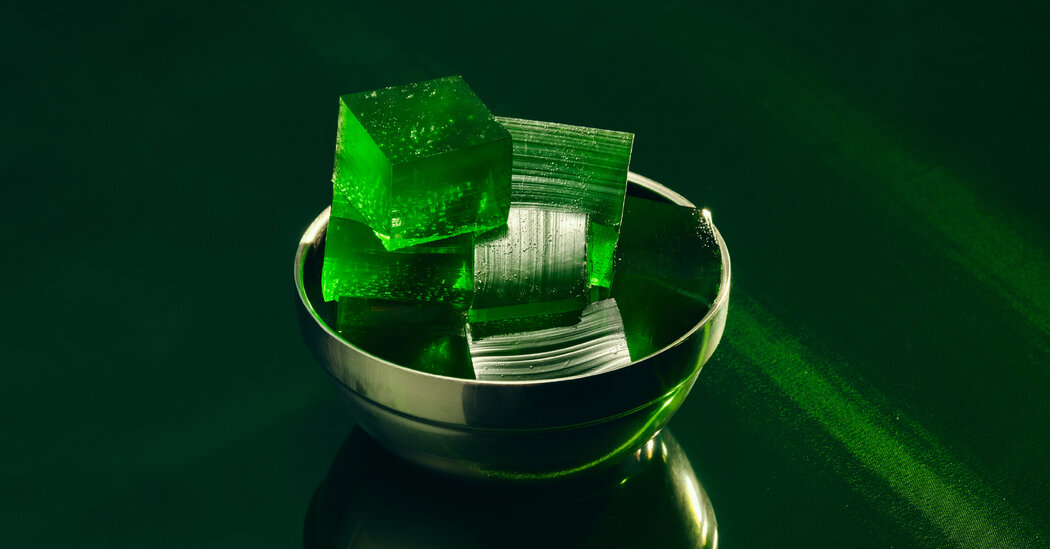
Kraft Heinz plans to remove artificial dyes from all its foods by 2027, including Jell-O, which faces challenges in replicating vibrant colors like green using natural ingredients such as spirulina and turmeric, often resulting in higher costs and altered flavors.
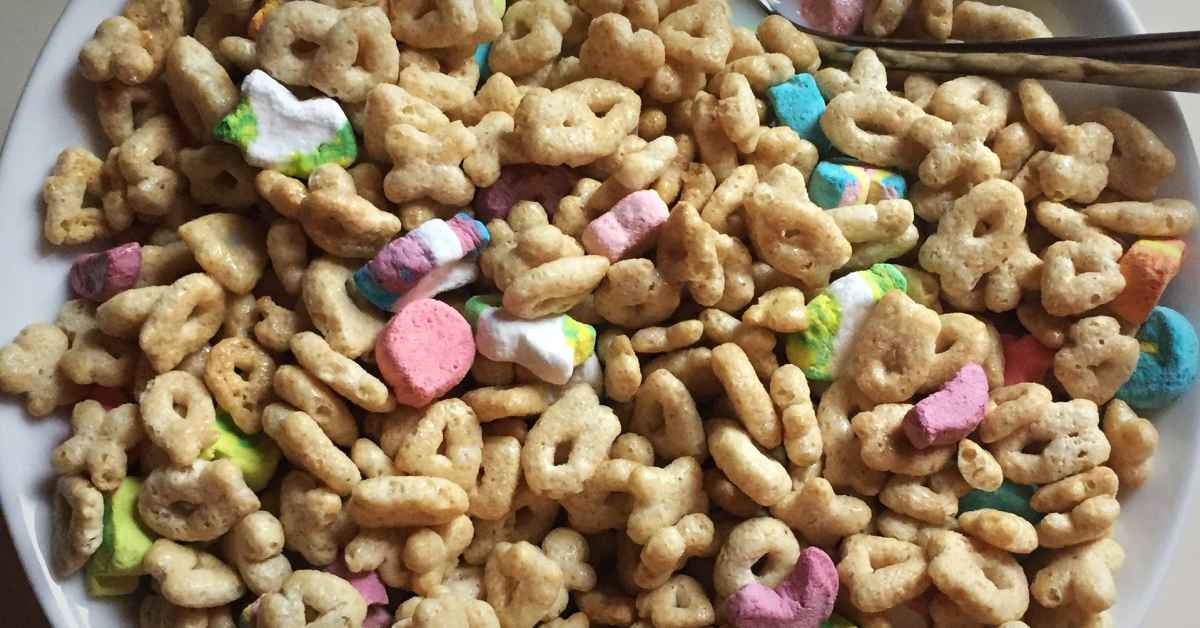
General Mills is committing to removing artificial colors from its U.S. food lineup, including cereals and K-12 school foods, by 2026-2027, replacing them with natural alternatives, in response to changing consumer preferences for cleaner ingredients and healthier options.

Kraft Heinz plans to eliminate all artificial food dyes from its products sold in the U.S. by 2027, with immediate effects on new products, aiming to replace synthetic dyes with natural alternatives amid industry and regulatory shifts.
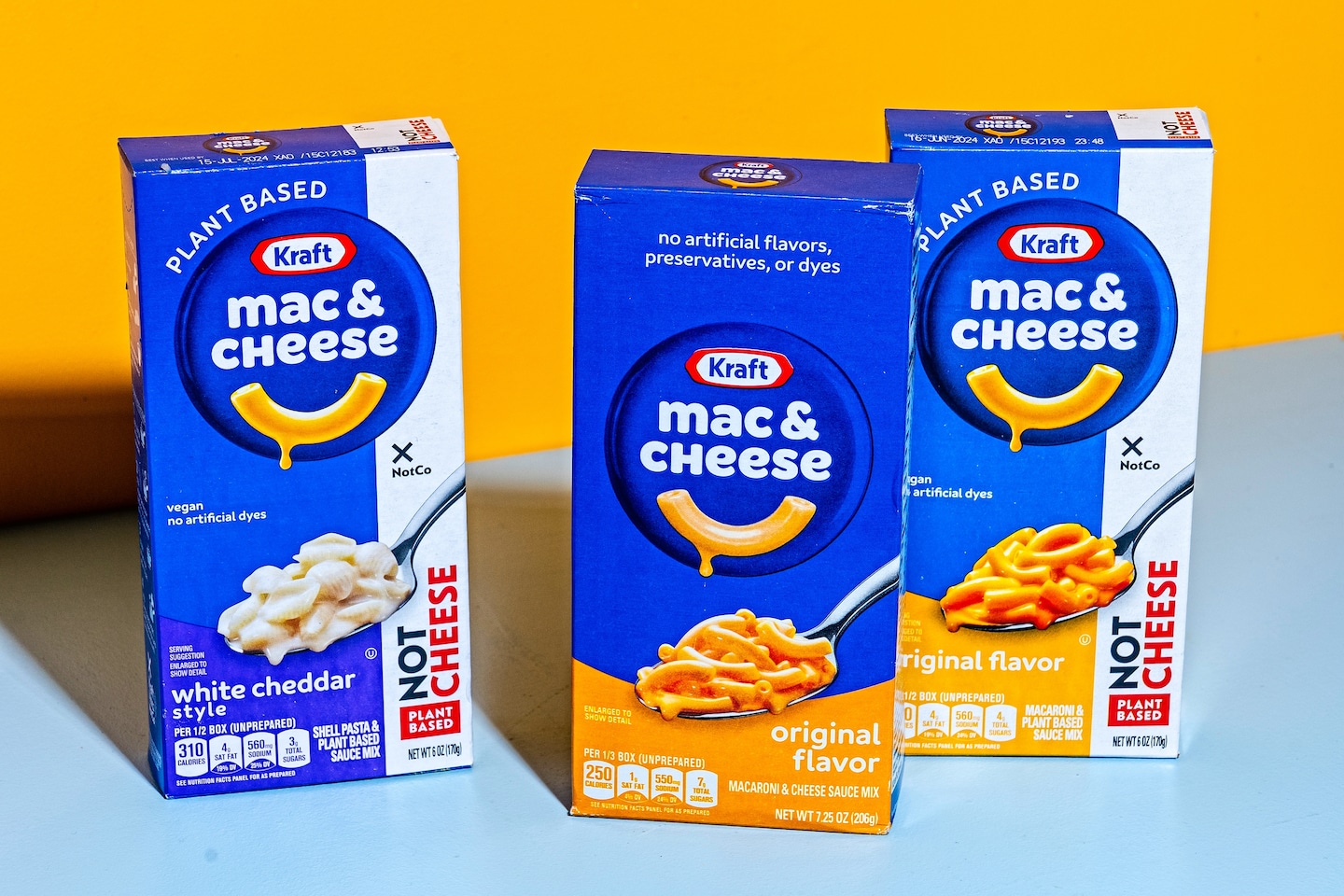
Kraft Heinz has committed to removing artificial food dyes from its products by 2027, responding to health concerns and regulatory pressures, with most of its products already dye-free. This move aligns with broader industry and governmental efforts to reduce synthetic additives in food, driven by health advocacy and legislative actions.

Kraft Heinz plans to eliminate artificial food dyes from its products within two years, following industry trends and health concerns, with the company already removing dyes from some products like Kraft macaroni and cheese and Heinz ketchup. This move aligns with broader efforts by health authorities and other food companies to phase out synthetic dyes due to potential health risks, especially in children.
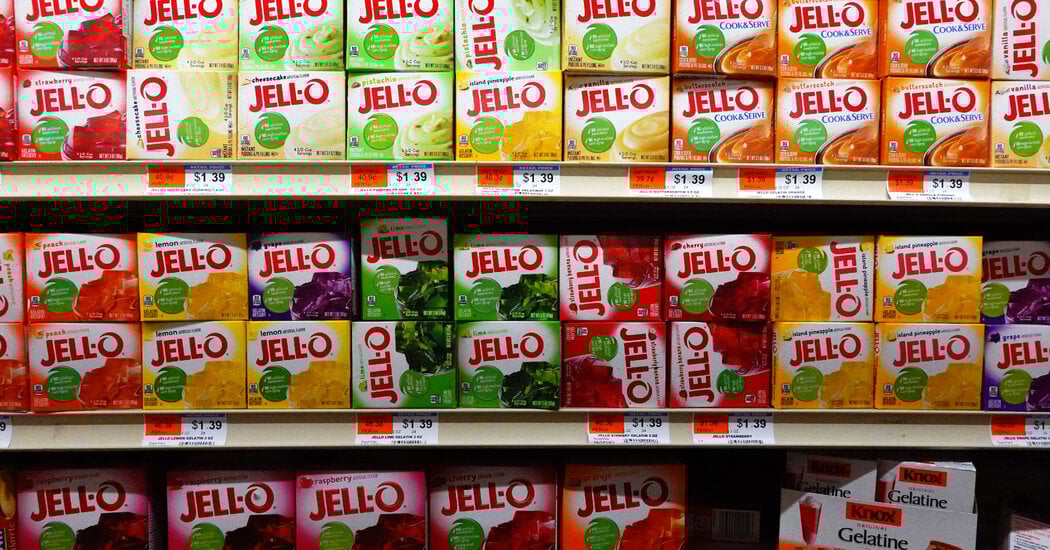
Kraft Heinz announced it will remove all artificial chemical dyes from its products, including brands like Kool-Aid and Jell-O, by the end of 2027, affecting about 10% of its portfolio, in response to health concerns and regulatory trends.