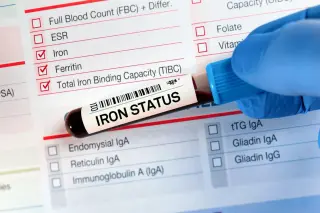
Iron deficiency affects nearly one-third of US adults but is often missed because standard tests focus on anemia. New guidelines from the American Society of Hematology raise ferritin cutoffs to detect deficiency earlier, even without low red blood cell counts.
Iron deficiency is the most common micronutrient deficiency globally, yet it remains underdiagnosed because symptoms like fatigue and brain fog are often overlooked or attributed to other causes. Recent guidelines from the American Society of Hematology (ASH) have raised ferritin testing thresholds to catch cases that standard blood tests miss. While social media has popularized the concept of 'ferritin face'—pale skin and dark circles as visual signs of low iron—experts warn that self-diagnosis is unreliable and that only blood tests can confirm deficiency. The condition affects nearly one-third of US adults, with higher risks for women, children, and pregnant individuals due to blood loss or increased physiological demands.
The American Society of Hematology (ASH) has released new guidelines that raise serum ferritin thresholds for diagnosing iron deficiency, aiming to identify depleted iron stores earlier, even in patients without anemia. The recommendations replace statistical 'normal' ranges with clinically relevant cutoffs, specifically setting thresholds at 30 ng/mL for adults and 50 ng/mL for high-risk groups like pregnant individuals. While this shift may reclassify millions of people as deficient, experts warn that higher thresholds could lead to unnecessary medical procedures for some groups.
The American Society of Hematology (ASH) has released new guidelines that lower the ferritin thresholds required to diagnose iron deficiency, aiming to identify the condition earlier. These updated standards replace statistical 'normal' ranges with clinical outcome-based markers, potentially reclassifying many previously 'normal' results as deficient. The change is particularly significant for women with heavy menstrual bleeding and pregnant individuals, who now have higher diagnostic cutoffs. Experts emphasize that iron deficiency affects approximately 14% of U.S. adults and often precedes anemia, causing fatigue and cognitive issues without obvious symptoms. While the guidelines standardize diagnosis, they do not mandate immediate supplementation; treatment depends on the underlying cause, which may include blood loss or absorption issues. High ferritin levels do not necessarily indicate excess iron, as inflammation or liver disease can also elevate these markers.
The American Society of Hematology (ASH) has released its first standardized guidelines for diagnosing iron deficiency, aiming to address widespread underdiagnosis in the U.S. The new recommendations lower the ferritin threshold for deficiency, particularly for women with heavy menstrual periods, to ensure earlier detection and treatment. Experts note that while iron deficiency affects nearly one-third of U.S. adults, it is often missed because standard blood tests do not measure ferritin levels, leading to untreated symptoms like fatigue and cognitive issues.