Tag

Ferritin

All articles tagged with #ferritin

Ferritin Face Debunked: Iron Deficiency Isn’t a cosmetic diagnosis
health14 days ago

Ferritin Face Debunked: Iron Deficiency Isn’t a cosmetic diagnosis

A Vogue explainer makes clear that “ferritin face” is not a medical term but a social-media trend suggesting iron deficiency. Ferritin stores iron in the body, and doctors measure it to gauge iron stores, but a single iron test isn’t enough to confirm deficiency. A proper diagnosis requires a full iron panel (ferritin, serum iron, TIBC, transferrin saturation) and clinical evaluation to rule out other causes like hormonal or thyroid issues. If iron deficiency is found, treatment may include iron-rich foods, carefully prescribed supplements, or infusions, but unnecessary supplementation can be harmful. The takeaway: don’t self-diagnose from trends—seek medical advice to identify the underlying cause and tailor treatment.

Iron on the Balance Beam: How Much Is Too Much or Too Little?
wellness15 days ago

Iron on the Balance Beam: How Much Is Too Much or Too Little?

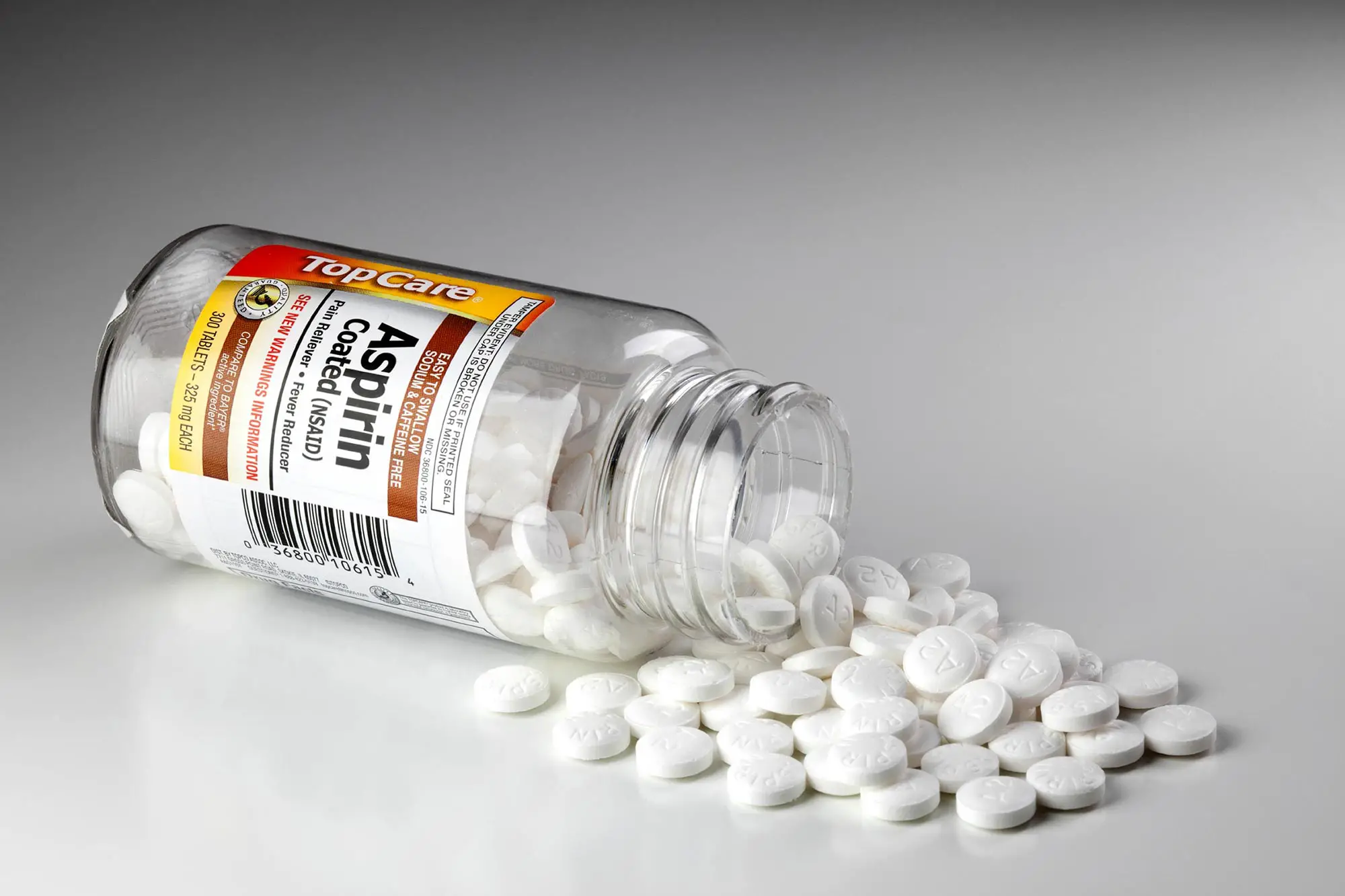
Low iron is usually due to inadequate intake, poor absorption, or chronic blood loss (e.g., heavy periods or GI issues); a blood test is the best way to confirm iron deficiency. If your doctor prescribes supplements, doses depend on age, deficiency severity, cause, and pregnancy status (common guidance is about 65 mg of elemental iron daily for deficiency, and around 27 mg daily during pregnancy). Fatigue alone isn’t a reliable sign of iron deficiency, and some conditions (thalassemia, myelodysplastic syndrome) won’t respond to iron. Don’t exceed roughly 120 mg elemental iron per dose, and routine dosing benefits don’t increase with multiple daily doses. Normal iron levels differ by sex (men 70–180 mcg/dL; women 60–170 mcg/dL). Signs of taking too much include constipation, nausea, dark stools, joint pain, weight loss, and reduced libido; long-term overload can lead to heart or liver disease, so monitor hemoglobin and ferritin with a clinician.

Could Your Iron Supplement Be Too Much of a Good Thing? Here’s How to Tell
health15 days ago

Could Your Iron Supplement Be Too Much of a Good Thing? Here’s How to Tell

A HuffPost health piece explains that iron deficiency is common and outlines how much iron to take (roughly 65 mg of elemental iron daily for deficiency, 27 mg daily during pregnancy). It notes that taking too much can cause constipation, upset stomach, and dark stools, and long-term iron overload can harm the heart or liver. The article emphasizes confirming iron deficiency with a blood test before starting supplements and consulting a doctor for personalized dosing, since fatigue has many causes and other conditions can mimic iron deficiency (e.g., thalassemia) and won’t respond to iron alone.

Dark Circles May Signal Hidden Iron Deficiency, Doctors Warn
health23 days ago

Dark Circles May Signal Hidden Iron Deficiency, Doctors Warn

Dark under‑eye circles can reflect depleted iron stores (low ferritin), since ferritin helps store iron for hemoglobin production and proper skin color. Medical experts emphasize that while the trend has some truth, people should not self-treat with iron and should seek professional evaluation if they notice persistent dark circles. Diagnosis involves blood tests to check iron and ferritin levels, and may include tests for bleeding sources or malabsorption. Treatment targets the underlying cause and may include dietary iron, oral iron (often spaced every other day to improve absorption and reduce side effects) or, in severe cases, IV iron or transfusions. Once ferritin and hemoglobin rebound, the skin color and under-eye appearance can improve over months. Important caveat: excessive iron supplementation can cause serious health issues, so medical guidance is essential.

Ferritin Face: Skin Signals Hidden Iron Storage Gaps
health1 month ago

Ferritin Face: Skin Signals Hidden Iron Storage Gaps

‘Ferritin face’ is a social-media nickname for skin changes—wrinkles, dull skin, and dark under-eye circles—that may reflect low ferritin, the body's iron storage. Iron deficiency can cause fatigue and other symptoms, and may exist even when standard blood tests look normal. About 34% of women aged 18–50 are iron deficient, per a 2024 study, and ferritin testing is typically ordered if a CBC shows low hemoglobin or iron-deficiency risk. Doctors may miss borderline ferritin levels, making awareness important. Iron is essential for hemoglobin, muscle and brain function, hair growth, and skin health, so low ferritin can affect more than appearance.

Biohacker Bryan Johnson spotlights autoimmune gastritis
health1 month ago

Biohacker Bryan Johnson spotlights autoimmune gastritis

Entrepreneur Bryan Johnson revealed he has autoimmune gastritis, a hard-to-diagnose autoimmune attack on stomach acid–producing cells that can cause iron deficiency, anemia, and increased cancer risk. Medical experts urge more biopsies for iron-deficient patients to catch the condition, while Johnson weighs treatment options including iron supplementation and experimental approaches like CAR-T therapy, underscoring that even intense health optimization can’t fully shield someone from disease.

Iron absorption linked to autoimmune gastritis: Bryan Johnson's warning
health1 month ago

Iron absorption linked to autoimmune gastritis: Bryan Johnson's warning

Biohacker Bryan Johnson says he has autoimmune gastritis, which reduces stomach acid and iron absorption, explaining years of low ferritin. After oral iron failed to raise his iron stores, he’s opted for iron infusions and regular ferritin monitoring; the article notes that about 1 in 4 Americans may have insufficient iron intake or absorption, highlighting a broader public-health issue.

health1 month ago

Five Under-the-Radar Lab Tests Women 40+ Should Request

Dr. Jennifer Roelands argues that standard wellness panels miss key midlife risks for women and recommends five essential tests: ApoB and Lp(a) for cardiovascular risk; fasting insulin for metabolic health; vitamin D and ferritin for nutrient status; a full thyroid panel (TSH, free T3/T4, antibodies); and free/total testosterone with SHBG to inform treatment decisions. These tests are not usually part of routine panels but enable proactive, precision care during perimenopause; bring this list to your next appointment or order the tests yourself if necessary.

Exploring In Vivo Electron Tunneling with Ferritin in Various Tissues
science-and-technology3 years ago

Exploring In Vivo Electron Tunneling with Ferritin in Various Tissues

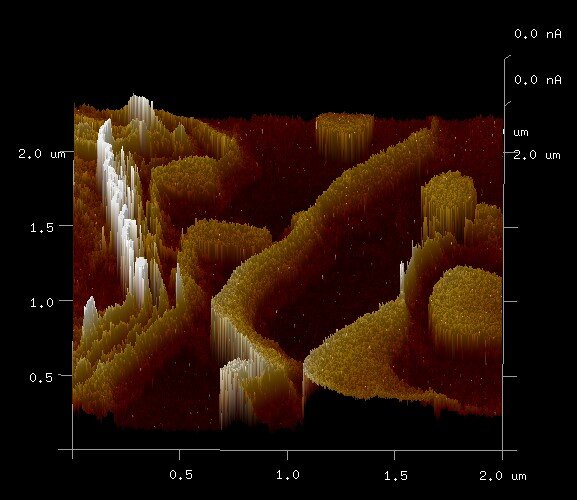
A recent paper published in IEEE Transactions on Molecular, Biological and Multi-Scale Communications reviews the evidence of electron tunneling associated with ferritin, a protein involved in iron storage. The study explores the potential role of electron tunneling in various biological systems, including the retina, cochlea, macrophages, glial cells, mitochondria, and magnetosensory systems. The authors hope to raise awareness of this phenomenon and encourage further research into the mechanism of electron tunneling in biological systems that incorporate ferritin.