
Tag

Asteroid 3200 Phaethon

All articles tagged with #asteroid 3200 phaethon

"Simulations Suggest Geminid Meteors 10 Times Older Than Previously Believed"
astronomy2 years ago

"Simulations Suggest Geminid Meteors 10 Times Older Than Previously Believed"

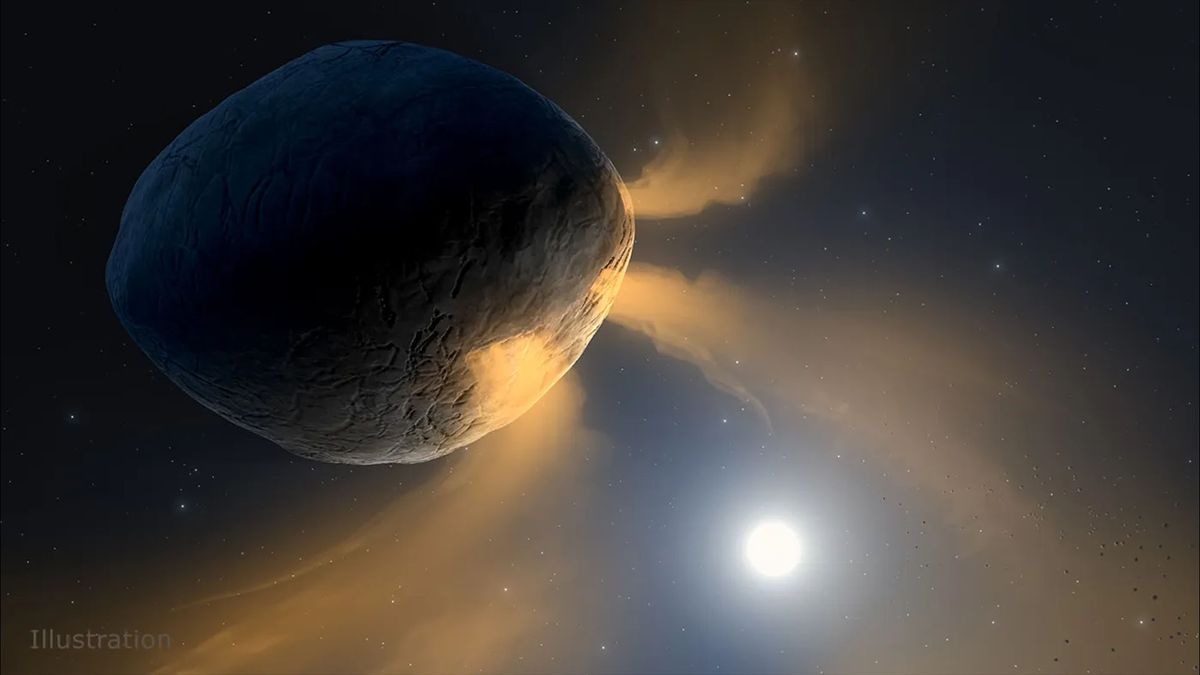
New simulations suggest that the rocks comprising the Geminid meteor shower, originating from the asteroid 3200 Phaethon, may be about 10 times older than previously estimated, potentially dating back 18,000 years. Contrary to previous beliefs, recent observations indicate that the tail of Phaethon may be composed of vaporized sodium rather than dust, leading researchers to propose a rotational instability mechanism as the source of the Geminids. Simulations show that Phaethon's mass-shedding event likely occurred 18,000 years ago, with the resulting fragments diverted towards Earth approximately 4,000 years ago. The upcoming Phaethon-bound DESTINY+ mission in 2025 may provide evidence of this rotational instability.

"December's Geminid Meteor Shower: A Spectacular Celestial Event"
astronomy2 years ago

"December's Geminid Meteor Shower: A Spectacular Celestial Event"

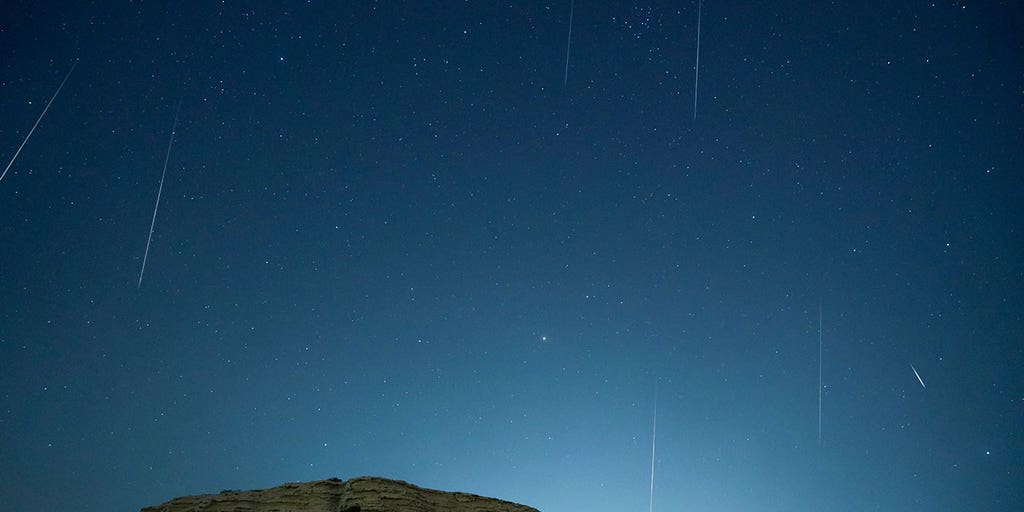
The Geminid meteor shower, known for its spectacular display, occurs in December when Earth passes through the debris left by asteroid 3200 Phaethon. Unlike most meteor showers associated with comets, the Geminids are linked to this puzzling asteroid. Phaethon behaves like a comet, forming a tail made of sodium gas when closest to the Sun. Scientists are still trying to understand how Phaethon supplies the material for the meteor shower. The upcoming DESTINY+ mission aims to shed light on this mystery. Stargazers can observe the Geminids from December 4-17, with the peak occurring on December 13 and 14, potentially offering up to 150 meteors per hour under ideal conditions. To maximize viewing, find a dark sky away from city lights and allow your eyes to adjust to the darkness.

Geminid Meteor Shower's Violent Origins Revealed by Parker Solar Probe
science3 years ago

Geminid Meteor Shower's Violent Origins Revealed by Parker Solar Probe

Astronomers using NASA's Parker Solar Probe have gained more insight into the underlying cause of the Geminid meteor shower, which was first recorded in 1862 and appears to radiate from the Gemini constellation. The most probable cause of the meteor shower was a sudden, violent event, likely a rapid collision of the asteroid 3200 Phaethon with another space rock or even some kind of gaseous explosion that caused the Geminids to first appear in our skies. The Parker Solar Probe's instruments have provided scientists with a detailed view of the dust particles shed by comets and asteroids on their treks around the sun, shedding new light on the Geminids-Phaethon connection.