Tag

Augmented Reality

All articles tagged with #augmented reality

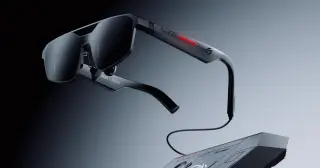
Xreal’s A01 Plus: affordable AR glasses with caveats
technology23 hours ago

Xreal’s A01 Plus: affordable AR glasses with caveats

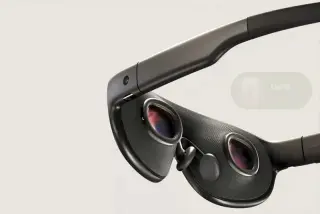
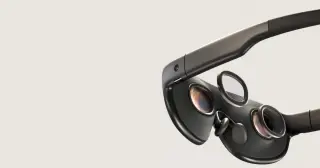
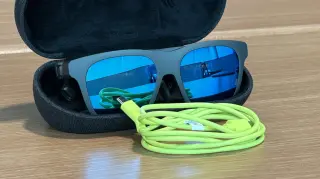
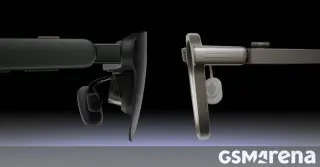
Xreal’s A01 Plus is a $299, 62-gram, stripped-down version of the 1S that aims to bring affordable AR to a broader audience with bright 1080p visuals at 120Hz and modular shells, but it trims features like 3DoF positioning, on-glass volume control, and adjustable opacity. It relies on prescription inserts (~$50) for crisp clarity, and its frame can feel flimsy compared to the 1S, making it a solid entry point for first-time buyers who don’t need premium features.

Snap Specs Prove AR Glasses Can Be More Hype Than Help
technology16 days ago

Snap Specs Prove AR Glasses Can Be More Hype Than Help

At Cannes Lions, a reporter tests Snap’s AR glasses, Snap Specs, which overlay AI-generated celebrity portraits onto paintings. The experience is heavy (132 grams, $2,195), clunky (it stops if you move your head), and largely mirrors long-standing museum-brand demos rather than a practical product. AI face replacements and overlaid visuals feel surface-level and imperfect, while privacy concerns loom. Investors are skeptical, and the overall takeaway is that the glasses are expensive, uncomfortable, and largely unconvincing as a real-world device.

Meta Launches Cheaper Glasses Without Ray-Ban/Oakley Branding, From $300
technology16 days ago

Meta Launches Cheaper Glasses Without Ray-Ban/Oakley Branding, From $300

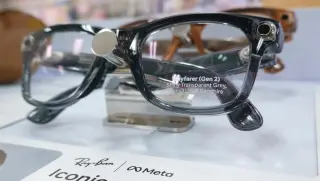
Meta unveiled a new line of Meta Glasses that omit Ray-Ban and Oakley branding, offering three styles (Adventurer, Fury, and Meta Glasses by Kylie) with the same core specs as its second-generation glasses (12MP camera with 3K resolution, 8+ hours of battery, open-ear speakers, six microphones) and multiple lens options. Adventurer and Fury start at $300, Kylie frames at $400, with a total of 26 styles available through Meta.com and retailers like LensCrafters, Sunglass Hut, Best Buy, and Amazon.

Snap's AR Glasses: Bold Bet or Expensive Gamble?
technology16 days ago

Snap's AR Glasses: Bold Bet or Expensive Gamble?

Snap’s SPECS AR glasses aim to usher in a new era of wearable AI, but their bulky design and $2,195 price tag make mainstream adoption uncertain, especially against lighter, cheaper rivals like Meta’s Ray‑Ban glasses. If SPECS catches on, they could reboot Snap’s fortunes; if not, the move risks being a costly gamble with limited near-term stock upside.

Meta launches in-house AI glasses lineup at $299 with Kylie tie-in
technology17 days ago

Meta launches in-house AI glasses lineup at $299 with Kylie tie-in

Meta unveiled its in-house AI-powered Meta Glasses in three styles (Meta Adventurer, Meta Fury, and Meta Glasses by Kylie) starting at $299, with a Kylie-voiced AI assistant option at $399. The launch expands Meta’s AI eyewear push alongside Ray‑Ban/Oakley lines and leverages its Muse Spark AI within Reality Labs, as competition from Google, Apple, and Samsung intensifies.

Meta Glasses go live at $299 to accelerate AI wearables
technology18 days ago

Meta Glasses go live at $299 to accelerate AI wearables

Meta unveiled Meta Glasses, a $299 line of smart glasses (three designs) built with EssilorLuxottica; they don’t carry Ray-Ban or Oakley branding, lack a built-in display, but include a camera and speakers and tap Meta's AI for translation or scene description and photo/video capture, signaling Meta's push to own a hardware platform for the AI era amid rising competition from Google and Snap.

Snap's pricey Specs AR glasses spark mixed reactions, shares dip
technology22 days ago

Snap's pricey Specs AR glasses spark mixed reactions, shares dip

Snap’s new Specs self-contained AR glasses, priced at $2,195, drew mixed online reactions and contributed to about a 4% drop in SNAP, as investors weighed the high price and bulk against Meta’s cheaper Ray-Ban Display. Specs offer dual-lens displays and built-in audio with no external device, signaling progress in AR wearables despite a pricey, bulky design. The beat goes on as competitors like XReal, Samsung, Google, and Apple push AR glasses, while IDC notes growing shipments of smart glasses, indicating market expansion beyond Snap’s launch.

Snap Debuts Standalone AR Glasses Priced at $2,195, Targeting Early Adopters
technology23 days ago

Snap Debuts Standalone AR Glasses Priced at $2,195, Targeting Early Adopters

Snap unveiled Specs, a fully independent AR glasses lineup priced at $2,195 (with a $200 refundable deposit), shipping this fall to the US, UK, and France. The lightweight eyewear runs on two Qualcomm Snapdragon processors, features a 51-degree field of view, 7-millisecond latency, and Lens Studio apps, and is designed as a smartphone‑free, long‑term step toward ambient computing rather than an immediate replacement for phones—though retail skepticism exists over demand at the high price.

Snap Bets on Spatial AR with Consumer Specs Glasses at $2,195
technology24 days ago

Snap Bets on Spatial AR with Consumer Specs Glasses at $2,195

Snap ambushes the AR glasses race with a consumer version of its Specs, priced at $2,195 and pitched for spatial apps rather than a simple heads-up display. The 132g headset comes in two sizes, uses electrochromic lenses, and relies on hand tracking with ultra-low latency (7 ms) rather than a phone for computing, with about 4 hours of battery life (20 hours with a charging case). Apps will come from Snap’s Lens Studio, but details on launch apps were not shared; the glasses are slated to ship this fall and require a $200 refundable deposit to secure a unit.

Snap's Specs AR Glasses Debut at $2,195 with 4-Hour Battery Life
technology24 days ago

Snap's Specs AR Glasses Debut at $2,195 with 4-Hour Battery Life

Snap today unveiled Specs, a premium AR glasses system priced at $2,195 (with a $200 refundable deposit) that packs two Snapdragon chips, dual color and infrared cameras, 6-axis IMUs, and a 51° field of view into lightweight frames. The glasses use LCoS projectors for the display, include stereo speakers and a mic array, offer hand tracking and voice control, and support prescription lenses. They can connect via USB-C to display from a computer or phone, and run Lens Studio with AI APIs from OpenAI and Gemini. Battery life is up to four hours with a charging case providing about 20 hours of use. Pre-orders are open and shipping is planned for this fall in the US, UK, and France, as Snap pitches Specs against ongoing AR efforts from rivals like Apple.

Snap bets on post-smartphone era with $2,195 AR glasses
technology24 days ago

Snap bets on post-smartphone era with $2,195 AR glasses

Snap unveils Specs, its first consumer-focused AR glasses, priced at $2,195 with a $200 refundable deposit and slated to ship later this year in the U.S., U.K., and France. The see-through device aims to popularize spatial computing with a larger display and about four hours of battery life, plus AI integration previews for developers. CEO Evan Spiegel casts this as a move beyond smartphones, even as inflation and the high price present headwinds, amid competition from Meta and Google in the growing AR/VR space.

Apple Glasses Pivot to Everyday Wear, Targeting the Eyewear Market
technology1 month ago

Apple Glasses Pivot to Everyday Wear, Targeting the Eyewear Market

Bloomberg’s Mark Gurman reports Apple Glasses likely won’t ship until late 2027, but Apple’s plan is to disrupt the traditional $200–$500 eyewear market by delivering a great-looking, comfortable pair that integrates with iPhone. The goal is to win over everyday glasses wearers rather than tech-first adopters—design and wearability come before advanced features, with AI and cameras added carefully so the product still feels like normal glasses. If Apple can balance style with subtle tech, the glasses could prove a winner for the brand.

Apple’s AI Glasses Delayed to Late 2027 Amid Development Bumps
technology1 month ago

Apple’s AI Glasses Delayed to Late 2027 Amid Development Bumps

Apple reportedly pushed back its AI-powered smart glasses to late 2027 after development bumps, with leadership treating the project as a top priority. The glasses are expected to resemble Ray-Ban Wayfarers and include cameras, microphones, speakers, and a multimodal AI with Siri; they could evolve into a health device and AR platform over time. Tim Cook is said to be supportive, and John Ternus is driving the effort amid a still-early smart glasses market facing competition from Meta, Google, and Samsung.