Tag

Bile Acids

All articles tagged with #bile acids

Protein-scarce diets recruit gut microbes to turn white fat beige via bile acids and ammonia
science1 month ago

Protein-scarce diets recruit gut microbes to turn white fat beige via bile acids and ammonia

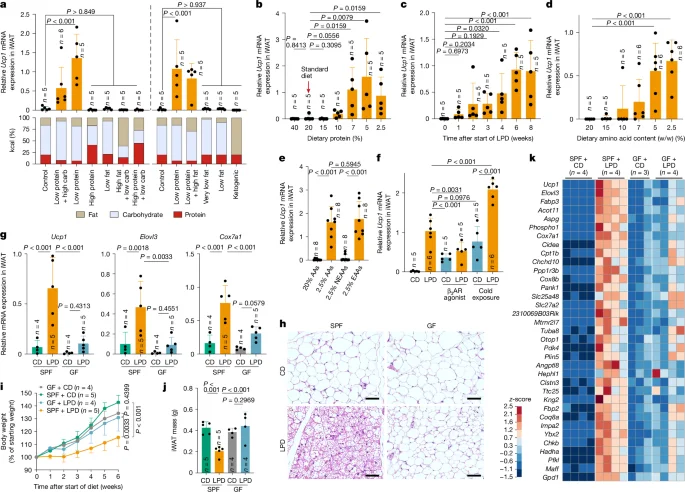
Low-protein diets reshape the gut microbiota to drive white adipose tissue browning through two non-redundant pathways: microbiota-derived bile acids activate FXR in adipose progenitors, while microbial ammonia triggers hepatic FGF21 production; together these signals promote browning and sympathetic innervation. This effect is microbiota-dependent, reversible, and transferable to germ-free mice via defined bacterial consortia that require both ammonia production and bile-acid modification. In humans, FDG-PET–positive browning signals linked to specific microbes can induce browning in mice on an LPD, with four key hu4 strains identified as essential. Inhibiting microbial ammonia production or FXR/FGF21 pathways blocks browning, highlighting a diet–microbiota–host axis shaping adipose remodeling and metabolic responses.

Decoding Microbiome Communication: The Molecular Rosetta Stone
health-and-science2 years ago

Decoding Microbiome Communication: The Molecular Rosetta Stone

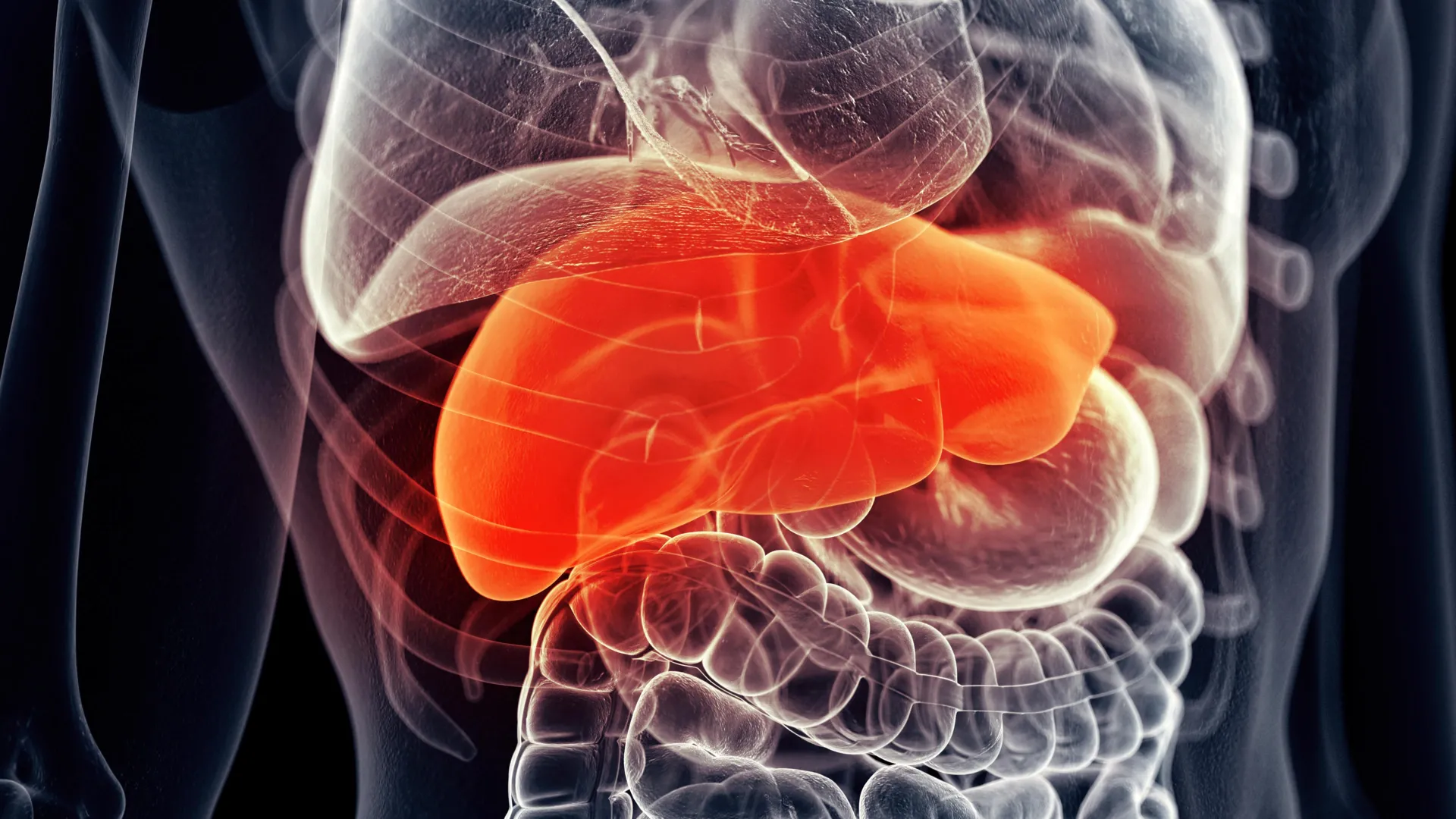
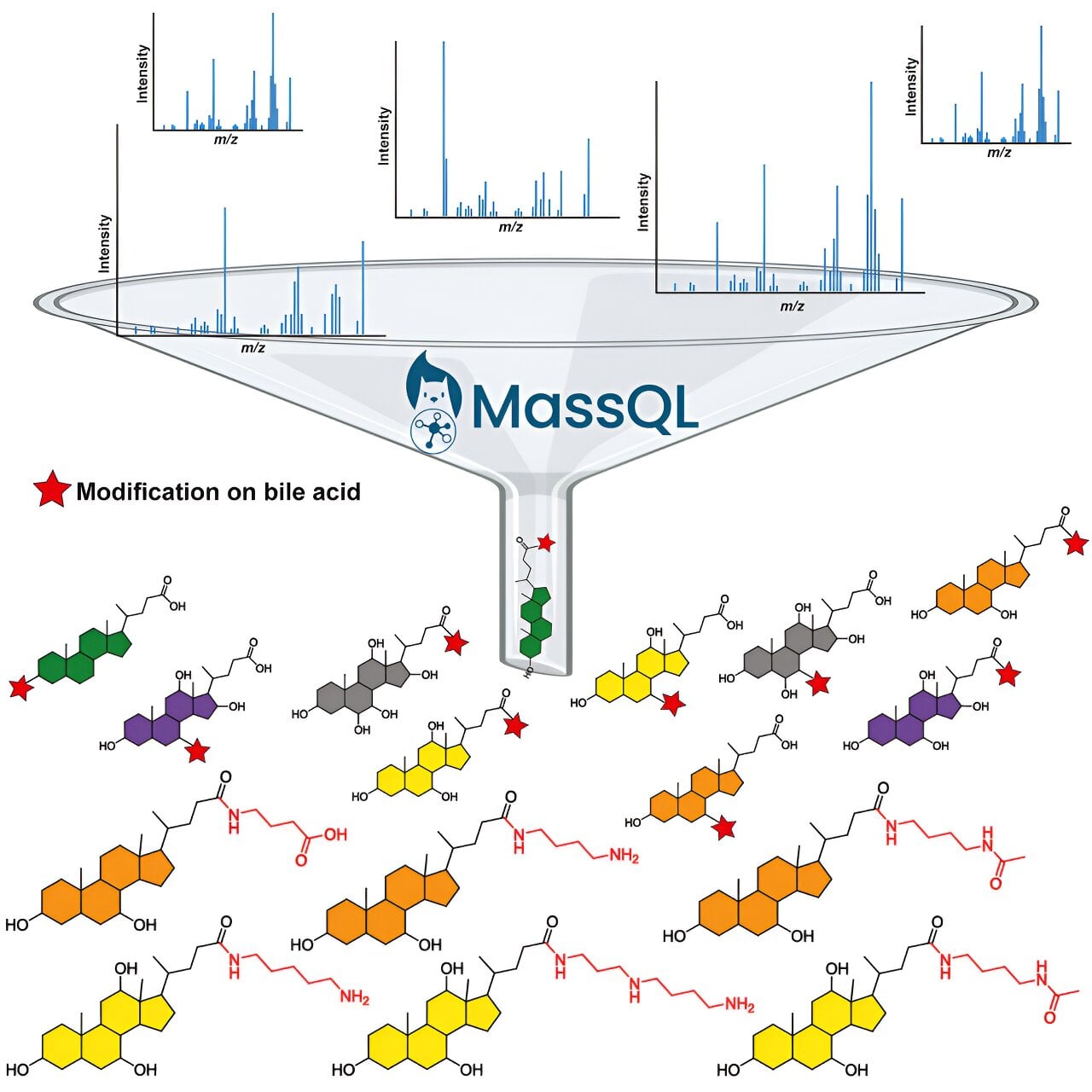
Researchers at UC San Diego have discovered thousands of previously unknown bile acids, shedding light on the biochemical language used by gut microbes to communicate with the body. These bile acids, which are produced by the liver and metabolized by gut microbes, play a crucial role in digestion, immune regulation, and metabolic functions. The findings, likened to a "molecular Rosetta Stone," could revolutionize our understanding of human metabolism and disease treatment. The study, published in Cell, was made possible by the Collaborative Microbial Metabolite Center at UC San Diego and could lead to significant breakthroughs in the field of microbial metabolomics.

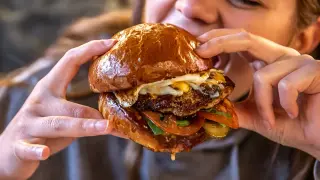
The Link Between Junk Food, High-Fat Diets, and Rising Colorectal Cancer Cases in Young Americans
health2 years ago

The Link Between Junk Food, High-Fat Diets, and Rising Colorectal Cancer Cases in Young Americans

High-fat diets may be contributing to the increasing rates of colorectal cancer in young Americans, according to a study by researchers at the Salk Institute and the University of California, San Diego. The study found that high-fat diets alter gut bacteria and bile acids in mice, leading to inflammation and an increased risk of colorectal cancer. While the study was conducted in mice, it provides insight into the potential causes of the colorectal cancer epidemic in young people. Other factors such as sugar, C-sections, and fungal infections have also been suggested as possible causes.