Tag

Fgf21

All articles tagged with #fgf21

Liver Signal Bypasses the Hypothalamus to Rewrite Diet and Metabolism
science1 month ago

Liver Signal Bypasses the Hypothalamus to Rewrite Diet and Metabolism

A study identifies a specific hindbrain neuron population (NTS-KLB) that directly responds to the liver hormone FGF21 to orchestrate changes in food intake, food choice, and energy expenditure during dietary protein restriction, challenging the idea that metabolism is controlled mainly by the hypothalamus and suggesting targeted brain circuits could improve FGF21-based obesity and diabetes therapies.

FGF21 Signals to Hindbrain May Boost Metabolic Weight Loss
health1 month ago

FGF21 Signals to Hindbrain May Boost Metabolic Weight Loss

University of Oklahoma researchers identify FGF21 as a hormone that signals the hindbrain—the same region GLP-1 obesity drugs target—potentially increasing metabolic rate and promoting weight loss in mice. While promising, the findings are preclinical, and safety concerns (digestive issues, bone loss) and human relevance remain unresolved; future therapies may pair FGF21 pathways to treat obesity and related fatty liver disease (MASH).

Natural Hormone FGF21 Rewires the Brain to Fight Obesity
science1 month ago

Natural Hormone FGF21 Rewires the Brain to Fight Obesity

Researchers found that the hormone FGF21 acts in the hindbrain (nucleus of the solitary tract and area postrema) to regulate metabolism and reduce body weight, signaling a shared yet distinct pathway from GLP-1 drugs. The work, published in Cell Reports, suggests a specific brain circuit could be targeted for obesity and MASH therapies, though current FGF21 analogs can cause GI issues and bone loss, prompting hopes for safer, more precise treatments.

Protein-scarce diets recruit gut microbes to turn white fat beige via bile acids and ammonia
science2 months ago

Protein-scarce diets recruit gut microbes to turn white fat beige via bile acids and ammonia

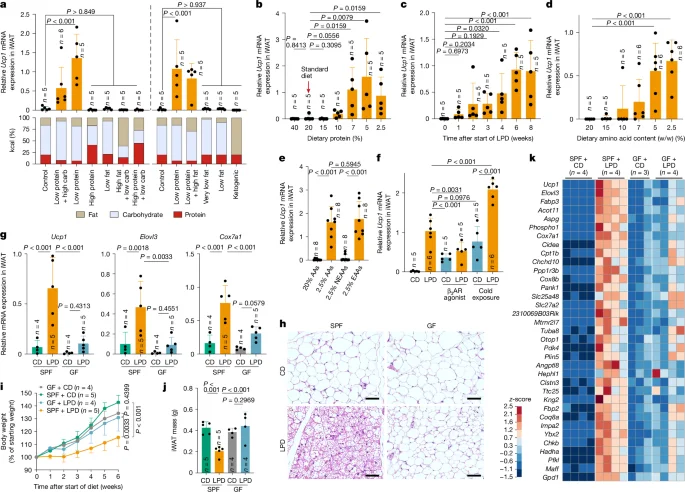
Low-protein diets reshape the gut microbiota to drive white adipose tissue browning through two non-redundant pathways: microbiota-derived bile acids activate FXR in adipose progenitors, while microbial ammonia triggers hepatic FGF21 production; together these signals promote browning and sympathetic innervation. This effect is microbiota-dependent, reversible, and transferable to germ-free mice via defined bacterial consortia that require both ammonia production and bile-acid modification. In humans, FDG-PET–positive browning signals linked to specific microbes can induce browning in mice on an LPD, with four key hu4 strains identified as essential. Inhibiting microbial ammonia production or FXR/FGF21 pathways blocks browning, highlighting a diet–microbiota–host axis shaping adipose remodeling and metabolic responses.

NASH Drug Developers 89Bio and ETNB See Promising Results in Mid-Stage Trials
healthcare3 years ago

NASH Drug Developers 89Bio and ETNB See Promising Results in Mid-Stage Trials

89bio's Phase IIb data showed its drug, an analog of FGF21, was better than placebo at lessening fibrosis without worsening NASH in two of three dose groups. The data pave the way for a potential Phase III, following in the footsteps of another biotech in its drug class, Akero Therapeutics. To fund a late-stage study, 89bio "would need to raise additional capital," with the company having about $188 million at the end of last year.

Injection Developed to Rapidly Sober Up Drunk Individuals
health3 years ago

Injection Developed to Rapidly Sober Up Drunk Individuals

Researchers have discovered that the hormone fibroblast growth factor 21 (FGF21) can counteract the effects of intoxication in mice, increasing alertness in the brain and fighting against certain effects of drunkenness without fundamentally changing how alcohol is broken down in the body. The liver produces the hormone in both mice and humans, suggesting these results could apply to us, too. The hormone could be used to rouse people suffering from alcohol poisoning or extreme drunkenness so that they could be better treated. Further research is needed to demonstrate these effects in humans.