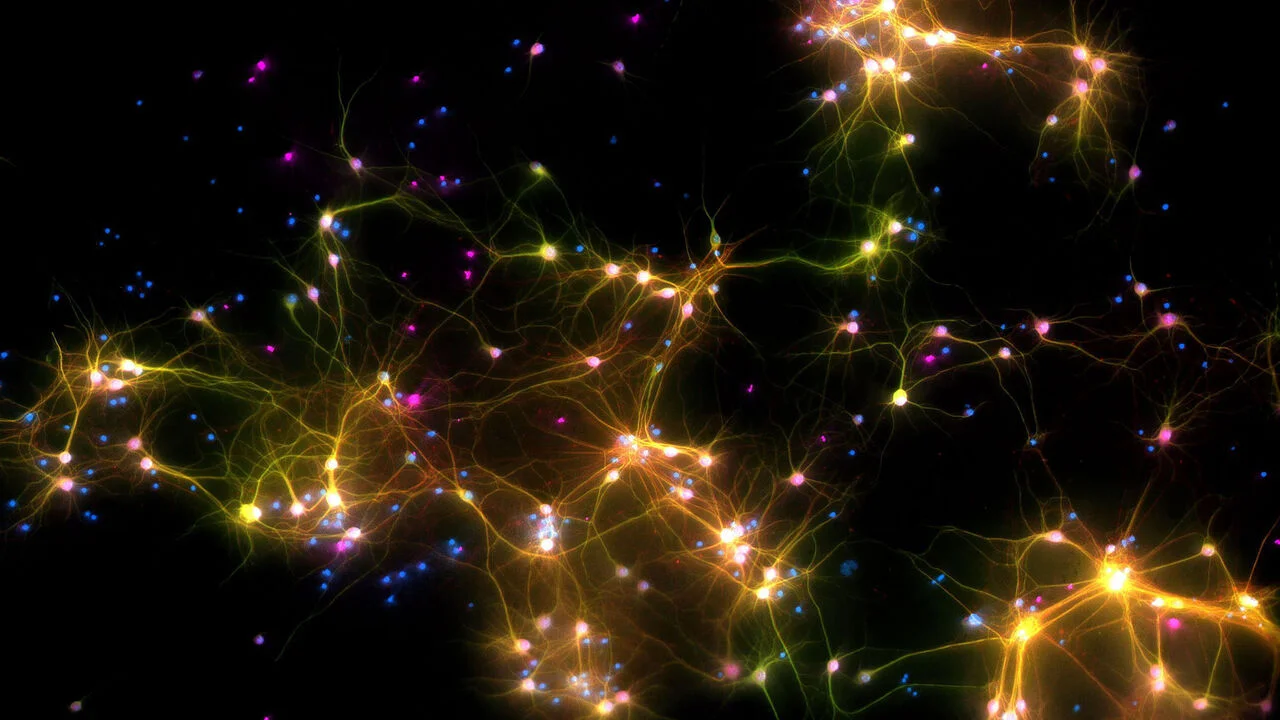
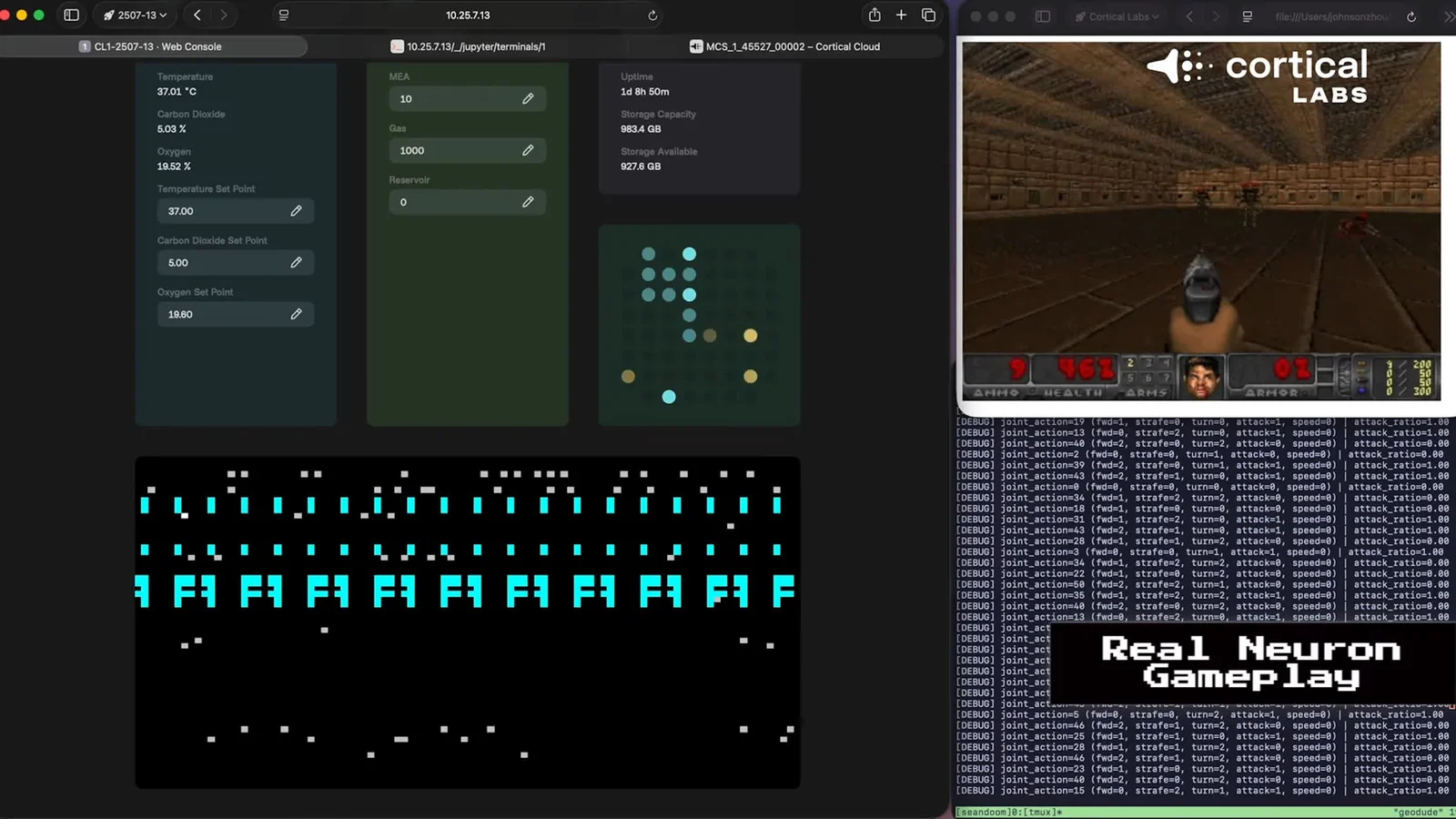
Australian startup Cortical Labs wired 200,000 human brain cells onto a silicon chip to play Doom, building on Pong experiments as it pitches biological computers that could someday sit in data centers alongside traditional silicon chips for far greater energy efficiency.
Australian biotech startup Cortical Labs plans two small data centers powered by its CL1 biological computer, which uses living human neurons paired with silicon. Melbourne will host about 120 CL1 units, while Singapore could scale to up to 1,000 units in phases, starting with 20 units for validation at the National University of Singapore. The system includes on-board life support and the Biological Intelligence Operating System (biOS) to create a closed loop where living neurons learn from feedback. The company frames this as a niche, energy-efficient alternative to traditional servers rather than a direct replacement, with aims to showcase the technology’s adaptability in data-center workloads.
Cortical Labs’ CL1 is a commercial bio‑computing platform that uses living human neurons on a 59‑electrode array to run Doom via the Cortical Cloud and biOS; modules sell for about $35,000 (volume price $20,000), consume roughly 850–1,000 W per full rack, and keep neurons viable for up to six months under ideal lab conditions.
Scientists have developed a working computer memory using shiitake mushroom mycelium, demonstrating a low-cost, scalable, and eco-friendly alternative to silicon-based memristors with performance comparable to traditional chips, opening new avenues for biological and neural-inspired computing.
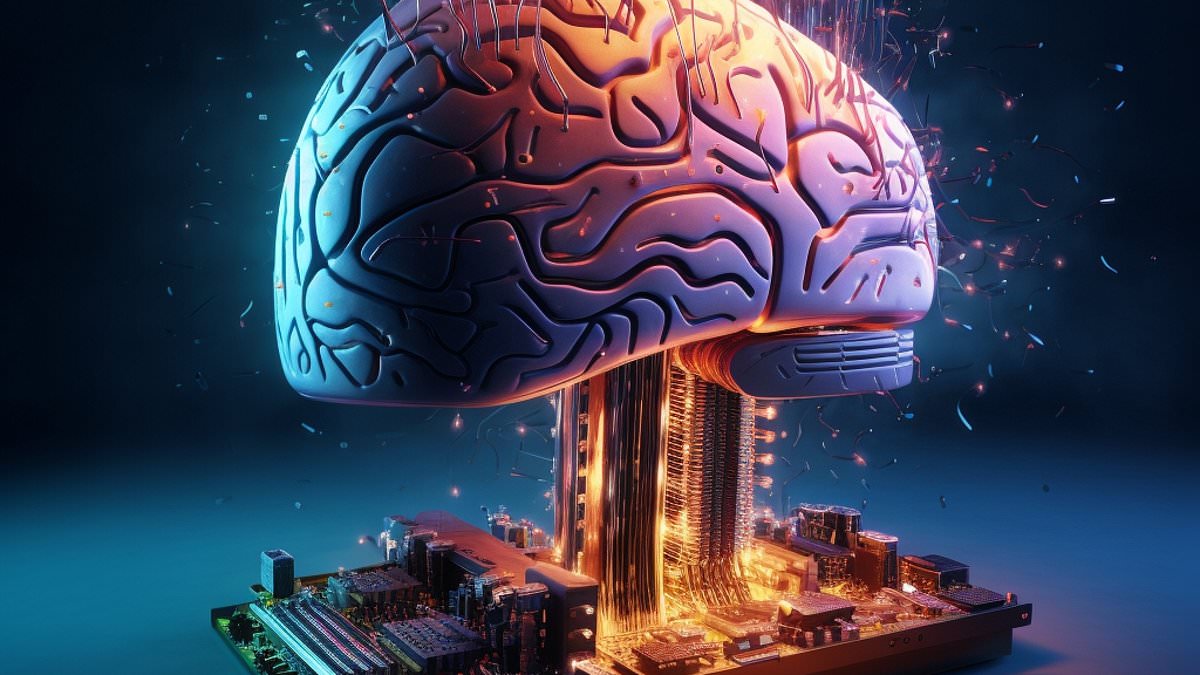
Scientists have developed a hybrid computer called 'Brainoware' that combines human brain-like tissues with electronic hardware. The computer features a brain organoid made of human stem cells, which sits on a circuit board and can perform tasks such as voice recognition and complex math problem-solving. This biological-electronic hybrid represents a significant step towards merging man and machine to perform complex computing problems with lower power requirements than conventional computers. The organoid's ability to form new connections and reorganize contributes to the computer's learning capabilities. Further research is needed to explore the potential of brain-hybrid computer systems in areas such as long-term memory and lifelong learning.