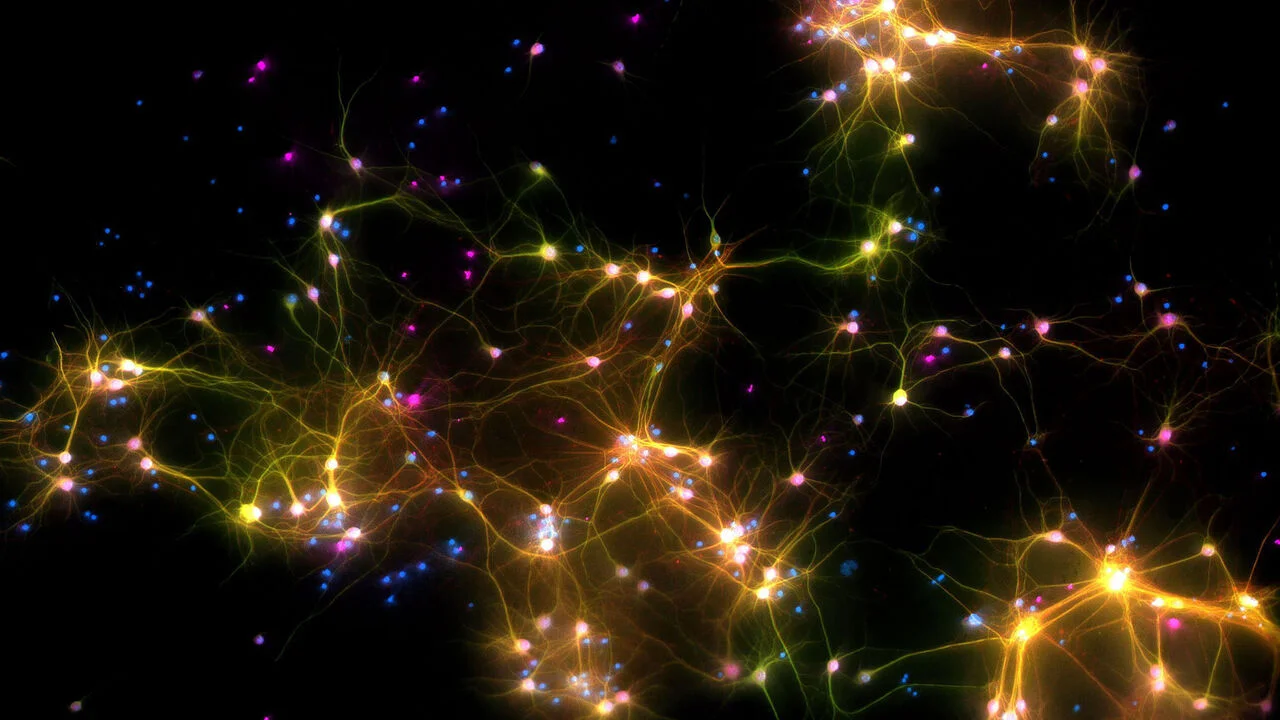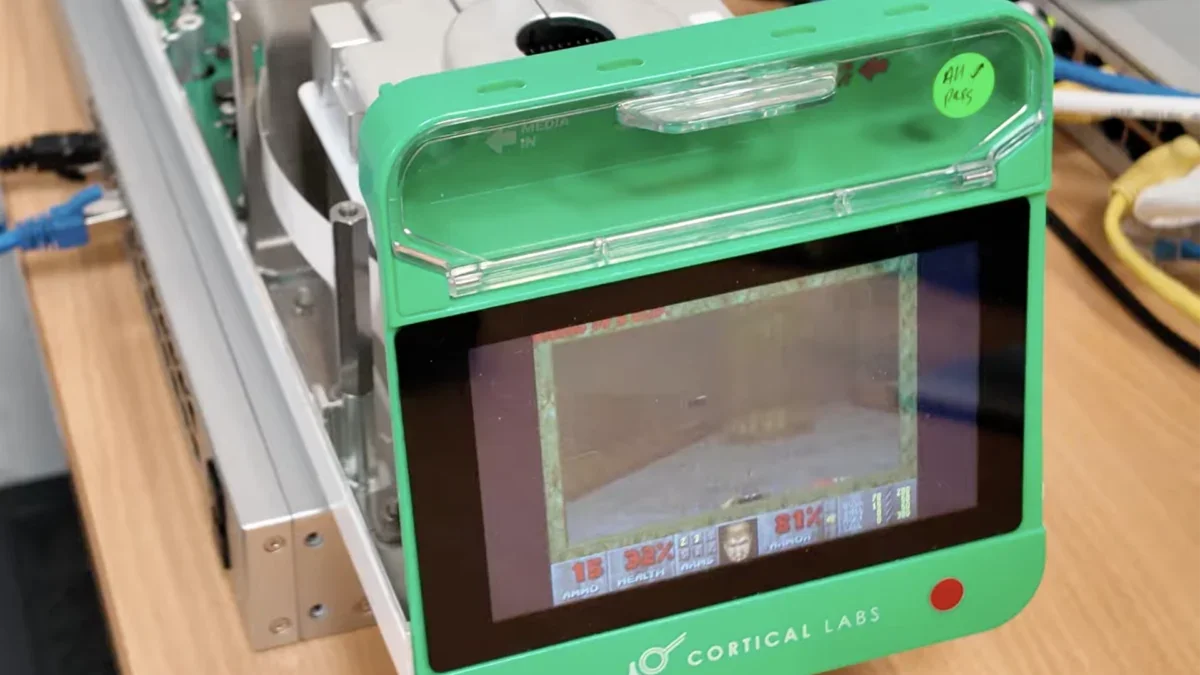
Australian startup Cortical Labs wired 200,000 human brain cells onto a silicon chip to play Doom, building on Pong experiments as it pitches biological computers that could someday sit in data centers alongside traditional silicon chips for far greater energy efficiency.
Australian startup Cortical Labs uses living neurons to power its CL1 “biological computer,” which has demonstrated Doom and Pong-style tasks. The system requires daily replenishment of cerebrospinal fluid and a carefully controlled gas mix (about 5% oxygen with nitrogen and carbon dioxide). The company touts ultra-low power consumption and is pursuing larger-scale data centers in Melbourne and Singapore, plus a cloud API, though the approach remains experimental and setup-heavy.
Australian startup Cortical Labs is scaling its CL1 'biological computer'—made from human neurons—to create wetware data centers in Melbourne and Singapore, arguing they use far less power than silicon AI chips, though practical capabilities and workloads remain unproven.
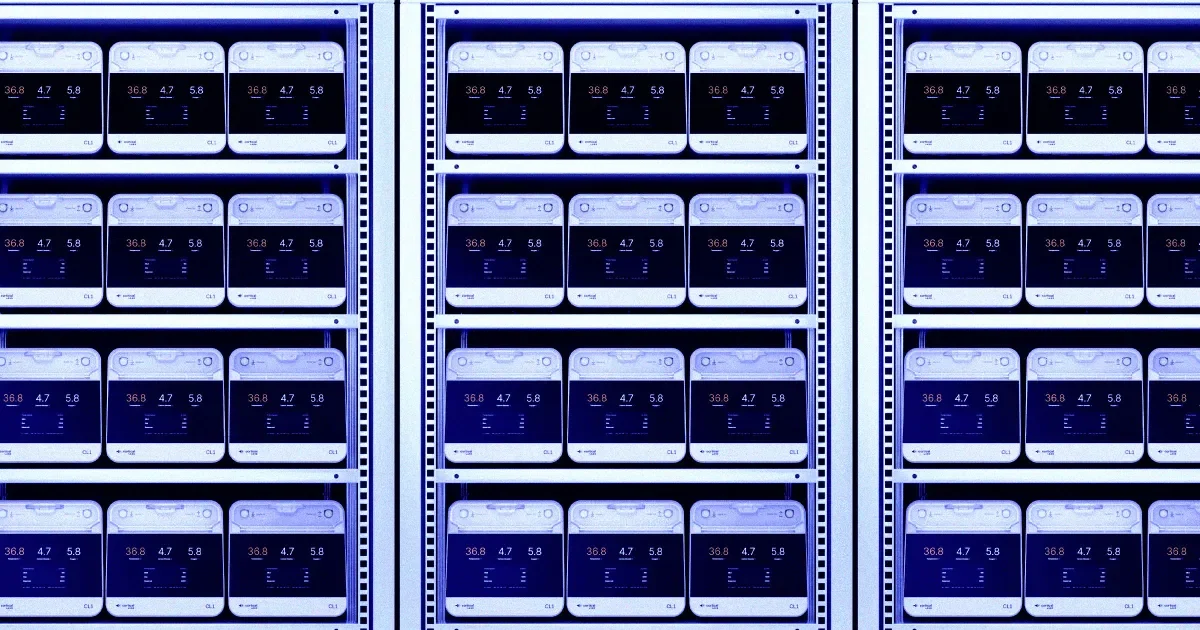
Australian biotech startup Cortical Labs plans two small data centers powered by its CL1 biological computer, which uses living human neurons paired with silicon. Melbourne will host about 120 CL1 units, while Singapore could scale to up to 1,000 units in phases, starting with 20 units for validation at the National University of Singapore. The system includes on-board life support and the Biological Intelligence Operating System (biOS) to create a closed loop where living neurons learn from feedback. The company frames this as a niche, energy-efficient alternative to traditional servers rather than a direct replacement, with aims to showcase the technology’s adaptability in data-center workloads.
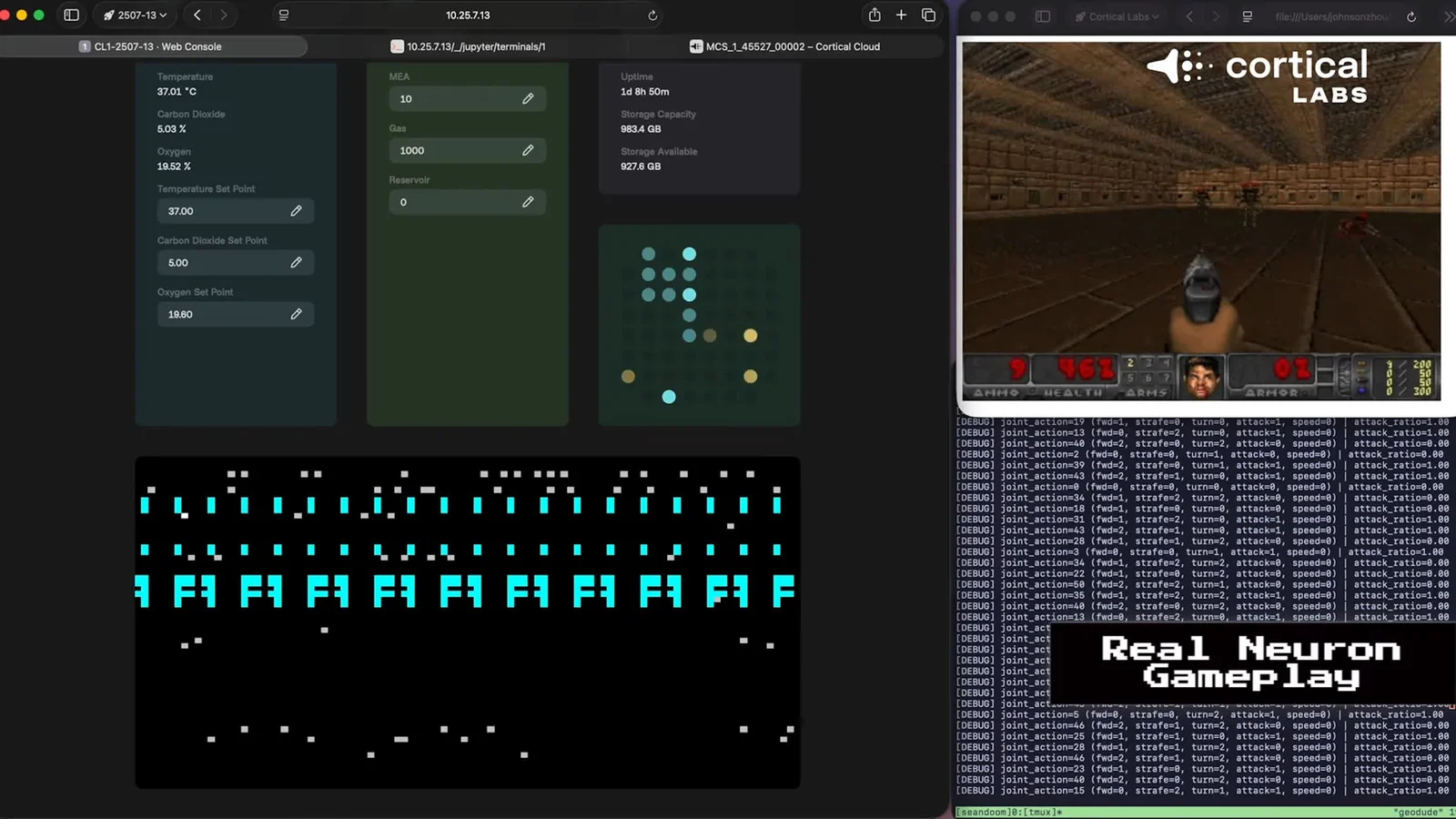
Cortical Labs’ CL1 is a commercial bio‑computing platform that uses living human neurons on a 59‑electrode array to run Doom via the Cortical Cloud and biOS; modules sell for about $35,000 (volume price $20,000), consume roughly 850–1,000 W per full rack, and keep neurons viable for up to six months under ideal lab conditions.
A Cortical Labs demo shows 200,000 human neurons on a multi-electrode array controlling a Doom-like game by translating on-screen data into electrical stimuli; the neurons respond and can learn, hinting at future brain-in-a-dish AI capabilities. The footage raises ethical questions about cell sourcing and ownership, and Cortical Labs is offering a Cortical Cloud API for developers, with the caveat that the footage depicts Freedoom rather than the original Doom.