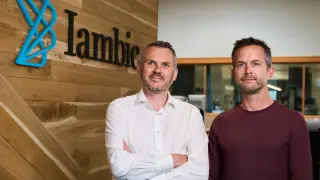
Iambic Therapeutics, a Nvidia-backed San Diego AI-focused biotech firm, has filed to go public, revealing new clinical milestones and deal-making details as part of the expanding wave of AI-powered biotech startups.
Boulevard Bio surfaced from stealth with $65 million in funding from Deerfield Management to advance three autoimmune drug candidates. Led by Mahesh Karande and co-founded with Georg Schett, the company’s lead asset BLVD101 is a bispecific BAFF/APRIL antibody for IgA nephropathy (IgAN) with a 12-week dosing schedule and favorable interim Phase 1 safety data. The portfolio also includes BLVD201, a trispecific CD19/BCMA/CD3 T-cell engager licensed from METiS Techbio, and BLVD301 in IND-enabling stages, underpinned by 3DC’s B-cell–focused platform and Metis’ NanoForge technology. Boulevard emphasizes multi-target, patient-centric approaches to address B-cell–driven autoimmune diseases.
Utah-based Paterna Biosciences says it has found a way to coax sperm-forming stem cells from testicular tissue to become mature, functional sperm in a lab and used this sperm to create embryos; the work has not yet been peer-reviewed or independently verified, and the company plans larger studies to compare lab-made and natural sperm in men with infertility before attempting pregnancies; if validated, the approach could offer a biological option for some infertile men, but questions of cost and safety remain.
A prominent gene editing researcher from UC Berkeley, Fyodor Urnov, and venture capitalist Johnny Hu are launching a startup to scale personalized CRISPR medicines, aiming to treat ultra-rare genetic mutations and overcome regulatory and commercial challenges.
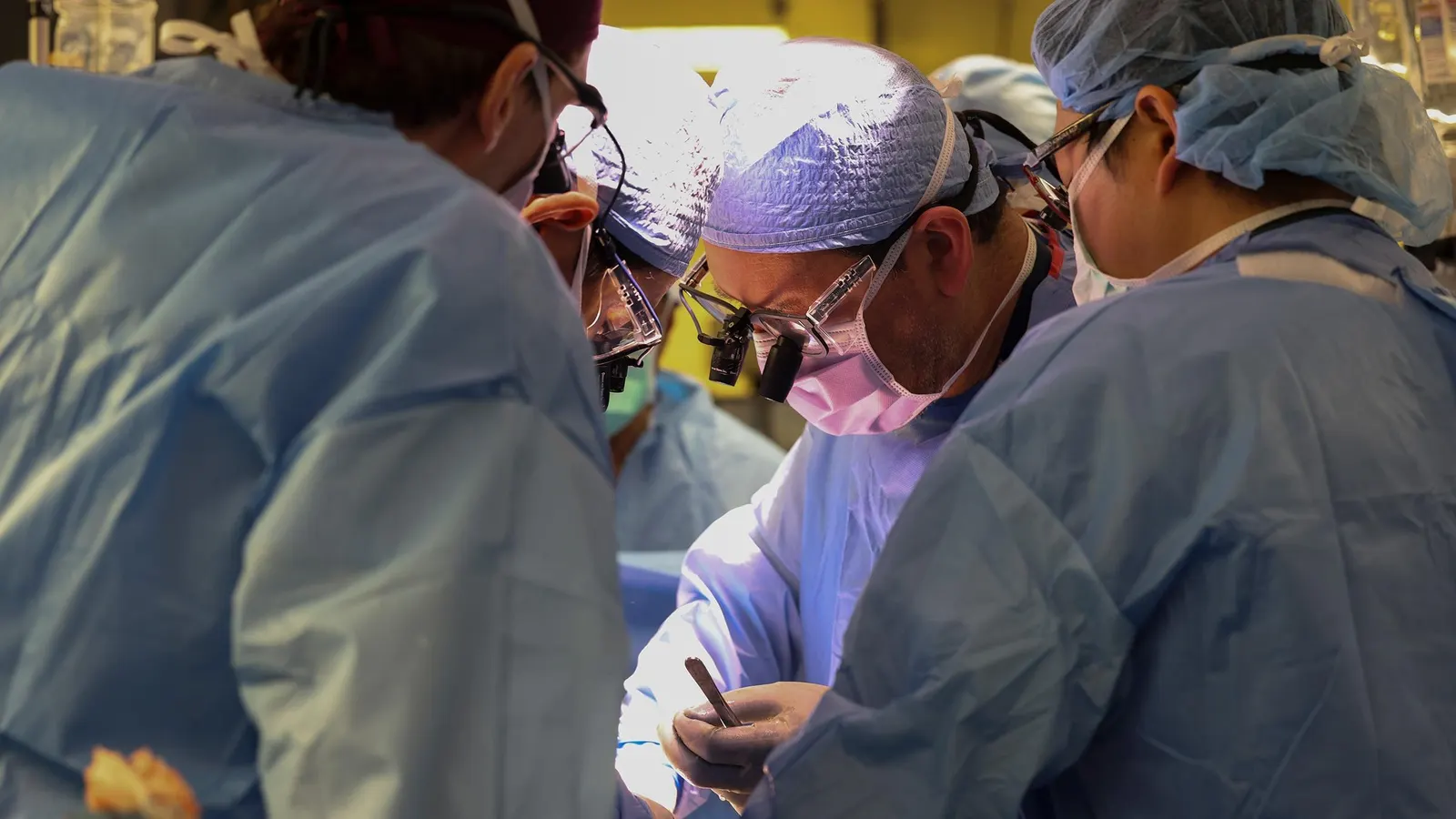
Biotech startup eGenesis successfully transplanted a gene-edited pig kidney into a living human, marking a significant milestone in organ transplantation. The company aims to expand its gene-editing technology to include liver and heart transplants in the next two years, potentially disrupting the $15 billion market for organ transplants. While the success of the pig kidney transplant offers hope for addressing the shortage of human donor organs, further research and data are needed to determine the long-term viability and safety of such transplants. The company also envisions creating organs in pigs that do not require immunosuppression, potentially revolutionizing the field of organ transplantation.
Shares of biotech startup Structure Therapeutics surged over 30% after its experimental obesity pill showed promising results in an early-stage trial, helping participants lose an average of 10 pounds in four weeks. The company plans to conduct further midstage trials for diabetes and obesity treatment. Structure's pill belongs to the same class as Novo Nordisk's Ozempic and Wegovy, which have gained popularity for their weight loss benefits. Analysts predict the obesity drug market could reach $100 billion globally by the end of the decade, and Structure's pill could compete with other oral obesity drugs from Eli Lilly, Novo Nordisk, and Pfizer. The availability of cheaper and more convenient pill versions of GLP-1s could increase patient access and expand the market.
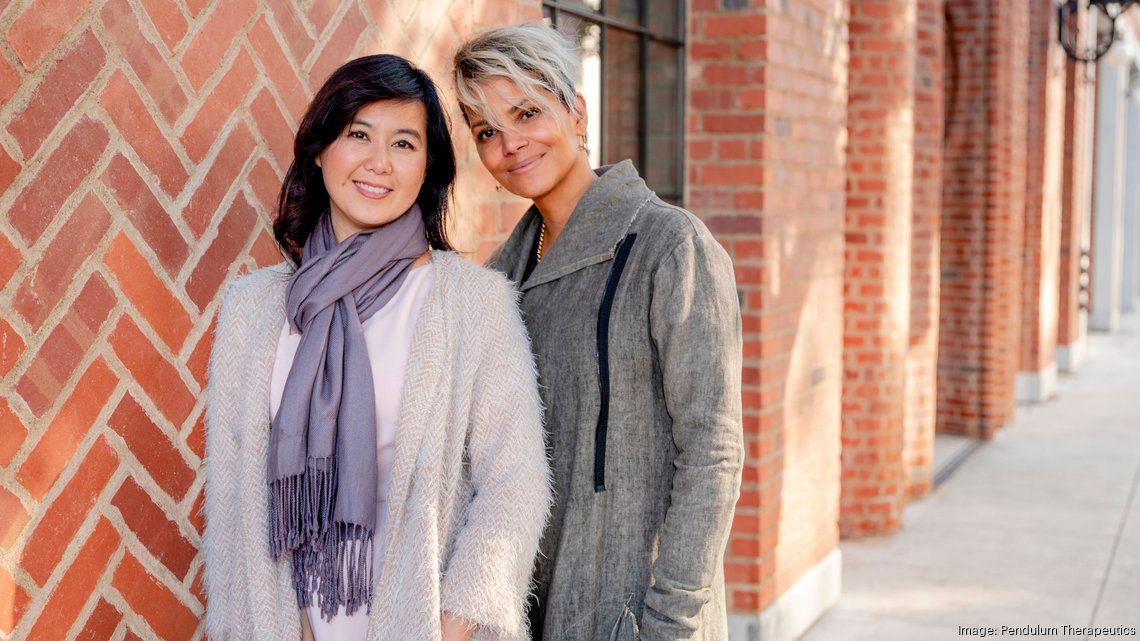
Academy Award-winning actress Halle Berry has taken a job as chief of communications at Pendulum Therapeutics, a San Francisco-based biotech startup focused on probiotic supplements. Berry, who was diagnosed with Type 1 diabetes at a young age, became a fan of the company's products and has been taking them for a year. She will be promoting Pendulum's Glucose Control, which contains five strains of probiotics that are meant to help manage sugar levels in those with Type 2 diabetes.