
IREN Shares Drop 7% as Analysts Bet on AI Cloud Pivot
IREN shares fell 7% after Q4 earnings, but analysts maintain bullish targets as the company shifts from Bitcoin mining to AI cloud services.

All articles tagged with #bitcoin mining
IREN shares fell 7% after Q4 earnings, but analysts maintain bullish targets as the company shifts from Bitcoin mining to AI cloud services.

Billionaire investor Stanley Druckenmiller has reduced his position in SanDisk while increasing exposure to three artificial intelligence stocks, according to Yahoo Finance. CoinGape reports that his Duquesne Family Office is also shifting capital toward Bitcoin mining companies. These moves reflect a strategic pivot within his portfolio, balancing traditional AI infrastructure with emerging crypto-adjacent assets.

Stanley Druckenmiller’s Duquesne Family Office has significantly shifted its portfolio away from semiconductor and photonics stocks, exiting positions in Broadcom, Intel, and Micron. According to Benzinga and CoinGape, the fund simultaneously added to its holdings in IREN, a major Bitcoin mining company. This move reflects a broader market rotation away from chipmakers toward crypto infrastructure, as evidenced by the sharp decline in the Philadelphia Semiconductor Index and the Direxion Daily Semiconductor Bull 3X ETF. While Yahoo Finance highlights the exit of five chip-related names, Benzinga and CoinGape emphasize the specific entry into IREN, suggesting a strategic pivot toward digital asset mining operations.

Riot Platforms has signed a 20-year, $9.1 billion lease with AI lab Anthropic for 191 megawatts of capacity at its Rockdale, Texas campus. This deal, which could reach $16.1 billion with extensions, marks a strategic shift for the company from pure-play bitcoin mining to AI infrastructure provision. Combined with a prior lease with AMD, Riot now has $9.8 billion in contracted data center revenue. The move reflects a broader industry trend where miners are valued for their power and data center assets rather than just bitcoin production, especially as crypto prices remain low. Riot’s Q2 2026 revenue rose 14% year-over-year to $174.2 million, driven by data center services, while bitcoin mining revenue fell due to lower prices and higher costs.
Meta’s planned 2026 AI-related capex of about $115–$135 billion could boost demand for AI hardware, a development some see benefiting bitcoin miners Cipher Mining (CIFR), Hut 8 (HUT), and IREN.
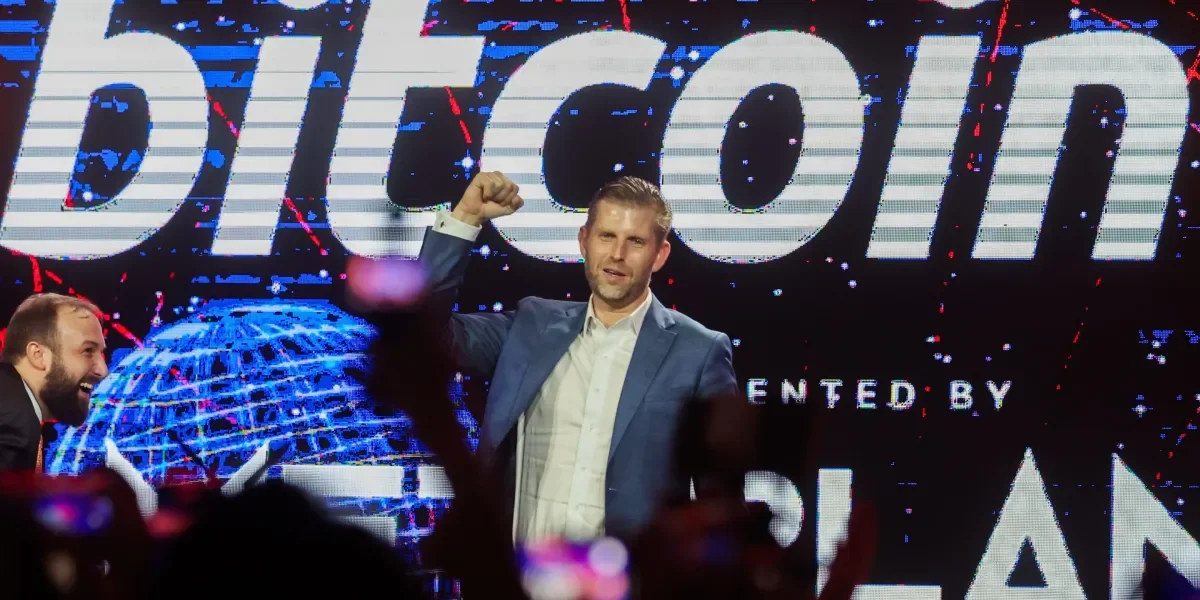
A Bitcoin mining company backed by Donald Trump’s sons, American Bitcoin, debuted on Nasdaq with a valuation exceeding $5 billion, after a significant stock surge and a series of crypto-related ventures by the Trump family, raising concerns about influence and financial gains.

Donald Trump's potential return to the White House is seen as a positive development for the cryptocurrency industry, with expectations of regulatory clarity and the creation of a strategic bitcoin reserve. Bitcoin prices have surged to record highs, and the industry anticipates progress on crypto-related legislation with more pro-crypto lawmakers in Congress. Trump has promised to end the current administration's "anti-crypto crusade" and replace SEC chair Gary Gensler, which could lead to new crypto exchange-traded funds and growth in the U.S. bitcoin mining sector.
CoreWeave Inc. has made an all-cash offer of about $1 billion to acquire Bitcoin miner Core Scientific Inc., aiming to expand its AI data center capacity. The offer represents a 55% premium to Core Scientific’s recent average stock price, causing shares to surge. The companies have also signed 12-year contracts for Core Scientific to provide 200 megawatts of infrastructure to host CoreWeave’s operations, highlighting the growing demand for energy infrastructure and data center management amid the AI boom.
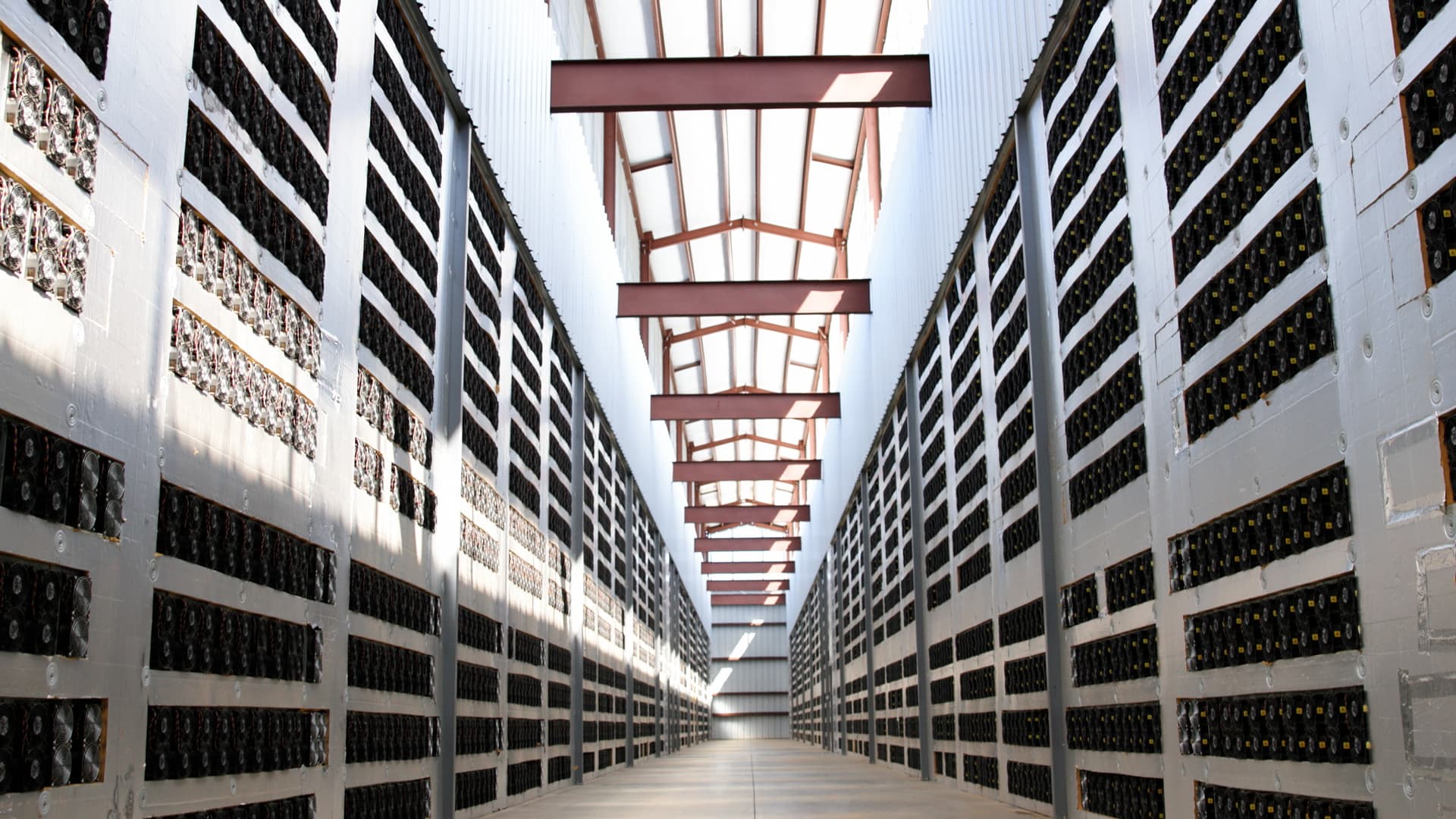
Bitcoin miner Core Scientific is diversifying into AI, signing a 12-year deal with cloud provider CoreWeave to provide infrastructure for AI workloads, expected to generate over $3.5 billion in revenue. This move comes as demand for AI infrastructure surges and bitcoin mining profitability declines. Core Scientific, which emerged from bankruptcy in January, aims to retrofit its facilities to support high-performance computing, leveraging its access to large amounts of power. Other miners like Bit Digital, Hive, and Hut 8 are also expanding into AI to boost revenue.

Five major Bitcoin mining CEOs are prepared for the upcoming halving event, which will cut the amount of Bitcoin miners receive in half. Despite the reduction in supply, strong balance sheets and historically high revenues from mining operations provide a cushion for miners. The CEOs discussed acquisition plans and expect industry consolidation post-halving, with potential for mining stocks to outperform Bitcoin in the future.

CleanSpark, Inc. (NASDAQ:CLSK) reported a Q1 2024 EPS of $-0.63, missing expectations of $-0.28, and discussed their financial results and future plans in their earnings call. The company achieved record revenue of $74 million, a 90% increase from the previous year, and a net income of $26 million. They also outlined their strategic machine acquisitions and plans to achieve 20 exahash per second in mining capacity during the first half of the year, as well as their move into Mississippi. CleanSpark emphasized their commitment to efficiency and preparation for the upcoming bitcoin halving event, highlighting their strong financial position and liquidity.
Investment bank B. Riley is reportedly under SEC investigation for its dealings with Brian Kahn, who is allegedly involved in a DOJ criminal case, while Nomura, a major Japanese financial group, is entangled in the probe due to its involvement in a lending syndicate for B. Riley. B. Riley has recently made significant investments in the bitcoin mining space, and Kahn, CEO of Franchise Group Inc., has been a longstanding client of the bank. The SEC probe is in its early stages, and Nomura, which backs several crypto-related entities, is not the primary focus of the investigation.

Bhutan, the Himalayan Kingdom, has secretly built its own bitcoin mining operation, with satellite imagery revealing the locations of the world's largest state-owned mines. The government of Bhutan, under the reign of Jigme Khesar Namgyel Wangchuck, has dedicated land, funding, and energy to these operations in an effort to avert an economic crisis. The sites of four mines have been identified, including one on the grounds of a failed $1 billion government project called "Education City." Bhutan's foray into bitcoin mining comes as the country faces rising youth unemployment, emigration, and a trade deficit. The government has not publicly disclosed the existence or scope of these facilities.

Crypto lender Celsius plans to transition to a new company focused solely on mining bitcoin, following feedback from the U.S. Securities and Exchange Commission (SEC) on its reorganization plan. The SEC's input led Celsius to retain certain assets for regulatory reasons, which will be administered and monetized by the Plan Administrator and/or Litigation Administrator for the benefit of creditors. Celsius intends to apply to register the shares in the new publicly traded Bitcoin mining company, referred to as "Mining NewCo," which will be owned by Celsius customers. The company expects to commence distributions to creditors in January 2024.

The Bitcoin mining community achieved its annual all-time high on November 12, earning over $44 million in block rewards and transaction fees. After a period of decline due to factors such as a bear market and unfriendly regulations, 2023 saw a reversal of the trend as crypto entrepreneurs helped restore investor confidence. Marathon Digital Holdings, a Bitcoin mining firm, reported a 670% year-on-year revenue surge in Q3 2023, driven by a significant increase in Bitcoin production. Additionally, countries like Bhutan are actively participating in Bitcoin mining, with plans to expand operations through partnerships with companies like Bitdeer.