Tiny Red Dots in the Early Universe Spur a New Quasi-Star Theory
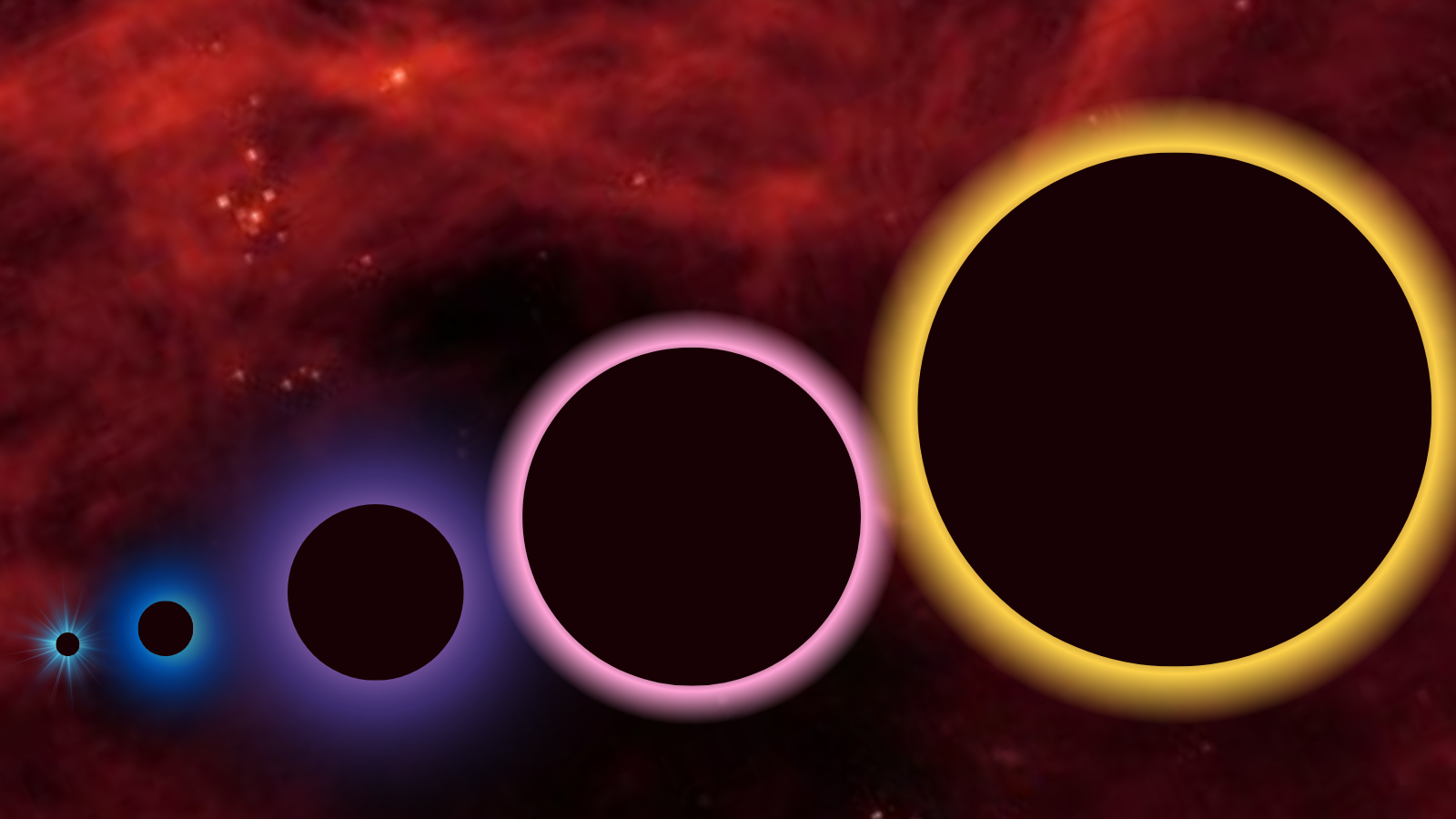
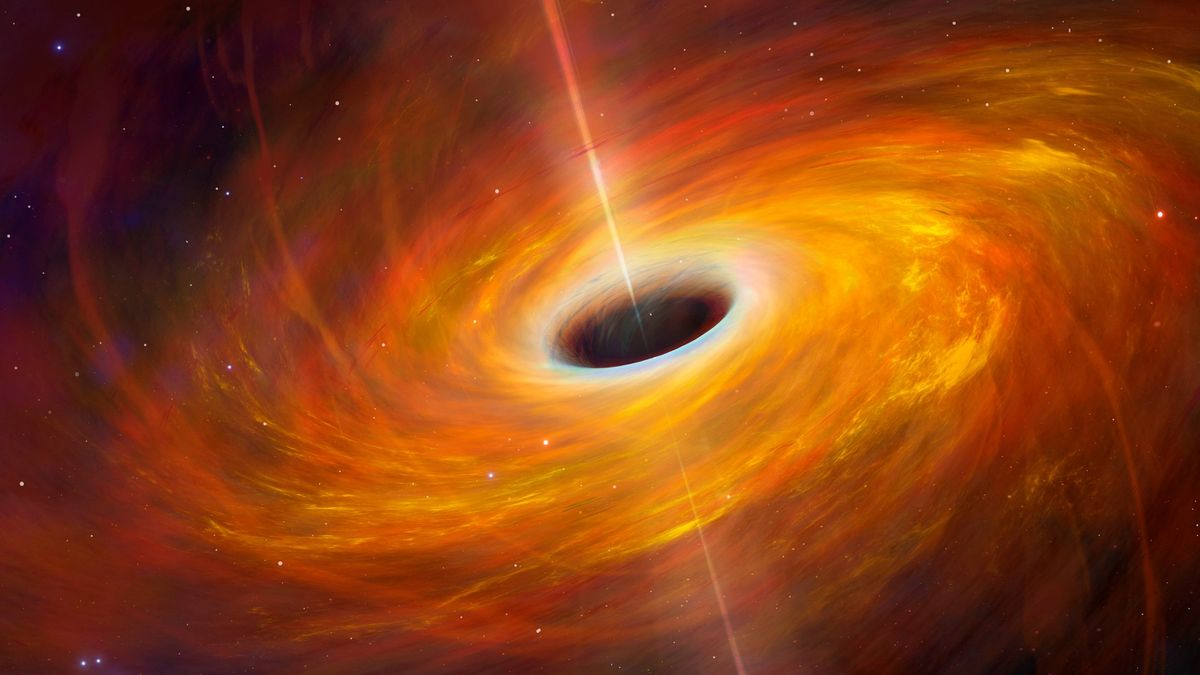
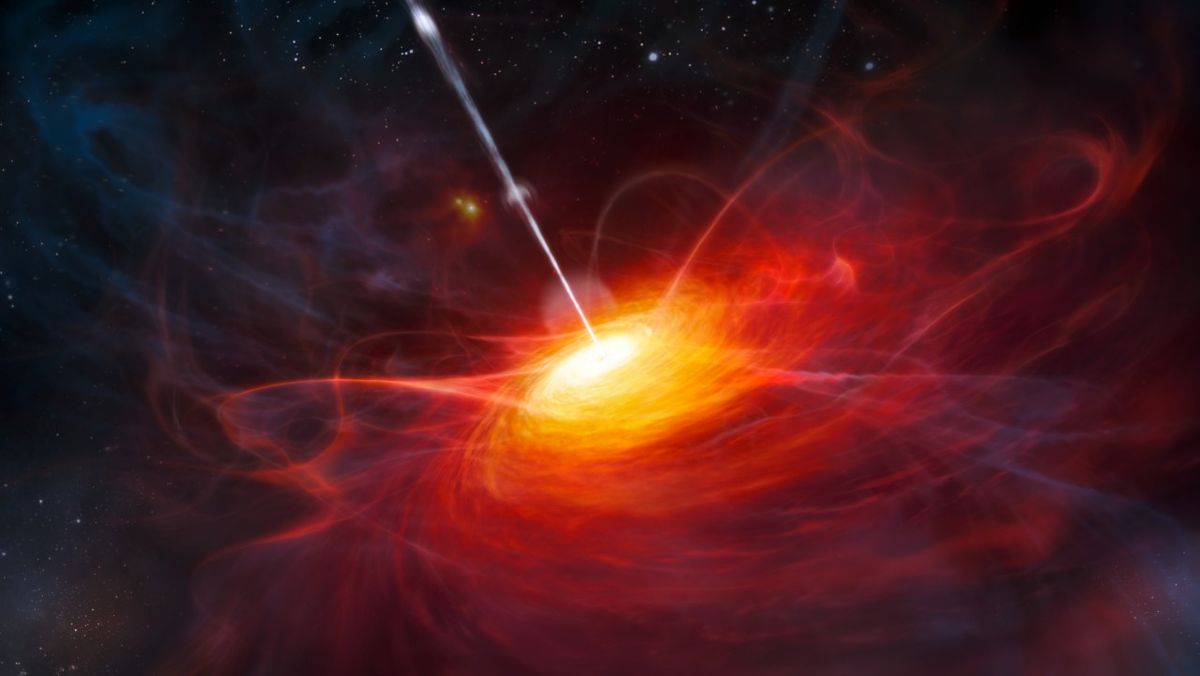
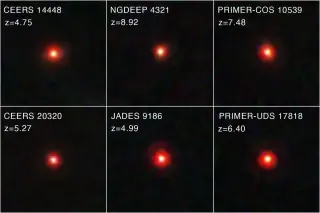
The James Webb Space Telescope spotted a population of compact red sources in the early universe. A quasi-star model—an unusually light black hole (~100,000 solar masses) embedded in a dense gas envelope—reproduces many observed features of these little red dots, including their brightness in visible/IR and hydrogen emission, suggesting rapid black hole growth within protogalaxies. The model, however, struggles to predict ultraviolet brightness and certain spectral/dust signatures, leaving questions for future observations.