Tag

Bourbon Virus

All articles tagged with #bourbon virus

Urban Ticks Rise: Bourbon Virus Case Signals NYC’s Growing Tick Threat
health28 days ago

Urban Ticks Rise: Bourbon Virus Case Signals NYC’s Growing Tick Threat

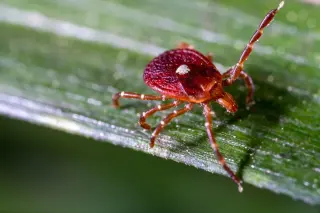
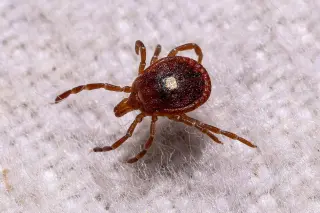
A Long Island resident has been diagnosed with Bourbon virus—the first in the New York area—highlighting a broader rise of tick-borne diseases in urban settings as climate change and environmental disruption expand tick ranges. The piece notes Lyme disease remains the most common tick-borne illness, but ticks can carry multiple pathogens, and some infections can be serious or hard to diagnose. Prevention centers on protective clothing, repellents, and regular tick checks for people and pets, with vaccines currently limited.
Rare Bourbon virus traced to Kansas returns in national spotlight
health1 month ago

Rare Bourbon virus traced to Kansas returns in national spotlight

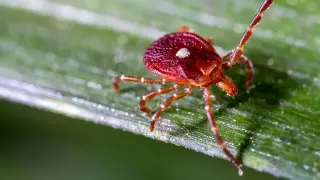
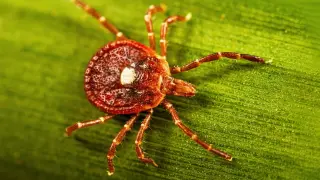
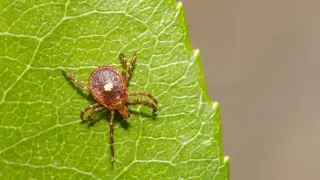
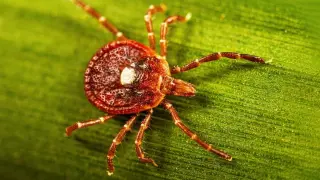
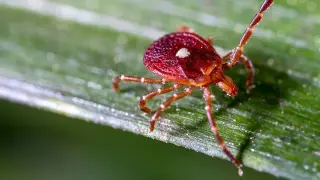
Bourbon virus, first identified in 2014 in Bourbon County, Kansas, is a rare tick-borne illness spread by lone star ticks. Cases have been limited but include a 2024 fatal Kansas case and renewed attention after New York’s first confirmed case; there is no commercial test, vaccine, or specific treatment, so prevention focuses on avoiding tick bites and doctors treat symptoms as needed.

New York Sees First Bourbon Virus Case, Highlighting Hidden Tick Danger
health1 month ago

New York Sees First Bourbon Virus Case, Highlighting Hidden Tick Danger

A Long Island man’s 2021 tick bite led to the first identified Bourbon virus case in New York, diagnosed in 2026 after years of debilitating symptoms and an initial misdiagnosis as Lyme disease. Bourbon virus is rare and untreatable, with limited testing and only a few confirmed cases and deaths historically. There is no vaccine or specific cure; patients receive supportive care, and prevention hinges on avoiding tick bites and tick-proofing outdoor spaces. The case underscores that Bourbon virus may be underdiagnosed in regions with dense Lone Star tick populations.

New York Confirms Bourbon Virus Case, Hinting at a Hidden Tick Threat
science1 month ago

New York Confirms Bourbon Virus Case, Hinting at a Hidden Tick Threat

New research confirms Bourbon virus—an ultra-rare, tick-borne pathogen with no cure—exists in New York. In a study of 107 patients with suspected tickborne illness, investigators found one confirmed case in a Long Island man who was hospitalized but recovered; serology showed two people with neutralizing antibodies and a third with a rising antibody titer suggesting a recent infection, indicating the virus may be underdiagnosed in the region as lone-star ticks expand northward. The findings underscore the need for expanded viral surveillance, better clinical testing, and vector management, alongside standard tick-avoidance precautions since there is no specific treatment or vaccine.

New York's First Bourbon Virus Case Highlights Tick-Borne Health Risk
health1 month ago

New York's First Bourbon Virus Case Highlights Tick-Borne Health Risk

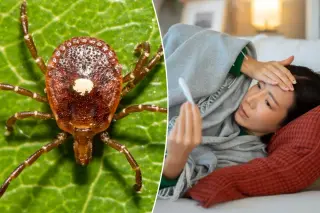
A Suffolk County man is New York's first confirmed Bourbon virus case, infected in 2021 by lone star ticks. He developed fever, rash and severe headaches after an initial Lyme-era antibiotic treatment, and there is no vaccine, routine test, or specific treatment for Bourbon virus. He recovered after five days in hospital; the case underscores that Bourbon virus is rare but may be underdiagnosed in the Northeast as lone star ticks and deer expand their range.

Bourbon virus reappears in New York, spotlighting diagnostic gaps amid tick season
health1 month ago

Bourbon virus reappears in New York, spotlighting diagnostic gaps amid tick season

A Stony Brook–led study confirms Bourbon virus cases in New York linked to lone star ticks, with antibodies detected in some patients. First identified in 2014 and associated with severe illness, the virus has no commercial test, vaccine, or targeted treatment, making diagnosis difficult and often leading to misattribution (e.g., Lyme disease). The findings come as tick bites and related ER visits rise nationwide, underscoring the need for better diagnostics and awareness of tick-borne threats.