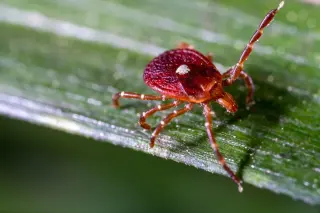
Tag

Lone Star Tick

All articles tagged with #lone star tick

Tick Exposure May Put More Americans at Risk for Red-Meat Allergy, CDC Finds
science8 days ago

Tick Exposure May Put More Americans at Risk for Red-Meat Allergy, CDC Finds

A CDC analysis of 3,000 blood samples from 10 states found about 24% of adults in five states with high lone star tick presence have antibodies to alpha-gal, indicating prior tick bites and exposure to the sugar molecule linked to alpha-gal syndrome—a lifelong red-meat allergy that can trigger reactions hours after eating meat. Experts caution that antibodies signal exposure, not a diagnosed condition, but rising tick spread and migration may increase future risk; prevalence estimates vary and not all cases are reported, underscoring the need for more research.

Tick-Borne Antibody Signals Higher Red Meat Allergy Risk Than Expected
health8 days ago

Tick-Borne Antibody Signals Higher Red Meat Allergy Risk Than Expected

A CDC analysis of 3,000 adults across 10 states found about 24% in five states with high lone star tick activity have antibodies to alpha-gal, indicating prior tick bites and potential risk for alpha-gal syndrome (a red meat allergy). Antibodies show exposure, not disease, so not everyone will develop symptoms. The true prevalence is uncertain, and cases are not nationally notifiable; ticks and affected areas may expand as deer move and winters warm. Symptoms typically appear hours after eating red meat, and the condition is lifelong once developed.

Tick bites spark a life-threatening meat allergy: alpha-gal syndrome
health26 days ago

Tick bites spark a life-threatening meat allergy: alpha-gal syndrome

Alpha-gal syndrome is a potentially life‑threatening meat allergy triggered by lone star tick bites, causing delayed reactions after eating mammal meats while seafood and poultry are safe. About 450,000 Americans are affected as the lone star tick’s range expands. The allergy results from antibodies to the alpha-gal sugar introduced by bites; diagnosis combines symptoms with a blood test, though tests can yield false positives. Management typically involves avoiding mammal meats (and sometimes dairy) and carrying an epinephrine injector. In 2024 the FDA approved Xolair to reduce severe reactions, with ongoing research into additional therapies; some patients may outgrow the condition after years, but avoiding new tick bites remains crucial.

Tick bites can trigger a rare meat allergy: alpha-gal syndrome explained
health26 days ago

Tick bites can trigger a rare meat allergy: alpha-gal syndrome explained

Alpha-gal syndrome is a life-threatening meat allergy linked to tick bites, especially from the lone star tick, estimated to affect about 450,000 Americans. Symptoms typically appear hours after consuming mammal meat or dairy, and diagnosis relies on symptoms plus blood tests that can yield false positives. Management centers on avoiding beef, pork, and lamb, carrying an epinephrine injector, and, in 2024, FDA-approved Xolair to reduce severe reactions; some patients may outgrow the allergy over years, while researchers are exploring additional therapies and considerations like GalSafe pig meat and certain medical implants.

Tick invasion reshapes Martha’s Vineyard as alpha-gal allergy spreads
health1 month ago

Tick invasion reshapes Martha’s Vineyard as alpha-gal allergy spreads

Lone-star ticks carrying alpha-gal syndrome have surged on Martha’s Vineyard, turning red meat, dairy and some medicines into potential triggers for residents. The island is adapting with dietary changes, new local services like the Tick Center, debates over tick control methods, and ongoing research, as experts warn this tick-borne allergy could spread beyond the island and become more common mainland-wide.

Berkshire Tick Season Sparks Urgent-Care Surge and Alpha-gal Syndrome Cases
local-news1 month ago

Berkshire Tick Season Sparks Urgent-Care Surge and Alpha-gal Syndrome Cases

Warmer Berkshire weather is driving more tick activity, with Berkshire Health Systems’ urgent-care centers reporting a rise in tick-related visits and two Alpha-gal syndrome cases linked to Lone Star ticks. Health officials note climate-driven shifts in tick populations and emphasize prevention: treat clothing with permethrin, perform frequent body checks after outdoors activities, run clothes through a hot dryer, and use a tick spoon for removal. Most bites don’t require ER care, but consult a nurse hotline or urgent care if unsure.

Massachusetts confronts rising alpha-gal syndrome as Lone Star ticks move north
health3 months ago

Massachusetts confronts rising alpha-gal syndrome as Lone Star ticks move north

Massachusetts officials warn that alpha-gal syndrome, a meat and dairy allergy triggered by Lone Star tick bites, is emerging as a public health concern as the tick spreads north, with established populations on Martha's Vineyard and in Barnstable County; the state is tracking cases as a reportable condition and recommends tick checks, showers, heat-drying clothing, and yard maintenance to prevent bites amid rising demand for tick treatments.

"Missouri's Lone Star Tick Surge Sparks Meat Allergy Concerns"
health2 years ago

"Missouri's Lone Star Tick Surge Sparks Meat Allergy Concerns"

Missouri is experiencing an increase in the aggressive Lone Star tick, which can cause Alpha-Gal Syndrome, a food allergy to red meat and dairy. The CDC reports over 110,000 cases in the U.S. from 2010 to 2022, though the actual number is unknown. Prevention includes using DEET repellent, wearing long clothing, and performing thorough tick checks after outdoor activities.

"Beware the Lone Star Tick: Meat Allergy Risk on the Rise"
health2 years ago

"Beware the Lone Star Tick: Meat Allergy Risk on the Rise"

Several U.S. states have issued warnings about the lone star tick, which can cause alpha-gal syndrome, a serious meat allergy, if it bites humans. The CDC reported over 100,000 suspected cases from 2010 to 2022. States like Georgia, Michigan, North Carolina, Virginia, and Connecticut are among those alerting residents to the risks, especially as the prevalence of these ticks increases in the summer months.

Tick-borne illness surges in New Jersey county
health2 years ago

Tick-borne illness surges in New Jersey county

Cases of alpha-gal syndrome, a tick-borne illness that can cause a life-threatening food allergy, are increasing in the United States and parts of New Jersey. The Centers for Disease Control and Prevention (CDC) reports around 15,000 cases annually nationwide, with New Jersey seeing a rise in reported cases. Cumberland County in New Jersey has issued a warning, stating that it has a high burden of alpha-gal syndrome cases. The disease is linked to the lone star tick and causes an immune response to foods like red meat and dairy. Symptoms include hives, nausea, heartburn, and swelling. Experts advise taking precautions to prevent tick bites when outdoors.

"Urgent Summer Safety Measures Needed as Lone Star Tick Bites Surge in New York"
health2 years ago

"Urgent Summer Safety Measures Needed as Lone Star Tick Bites Surge in New York"

The rising threat of lone star tick bites in New York has prompted an urgent call for summer safety measures. Health officials are warning residents to take precautions, such as wearing long sleeves and pants, using insect repellent, and checking for ticks after spending time outdoors. The lone star tick, known for its aggressive behavior and ability to transmit diseases, has been expanding its range in recent years, posing a growing risk to public health.