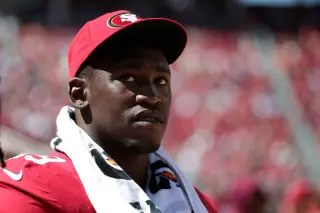
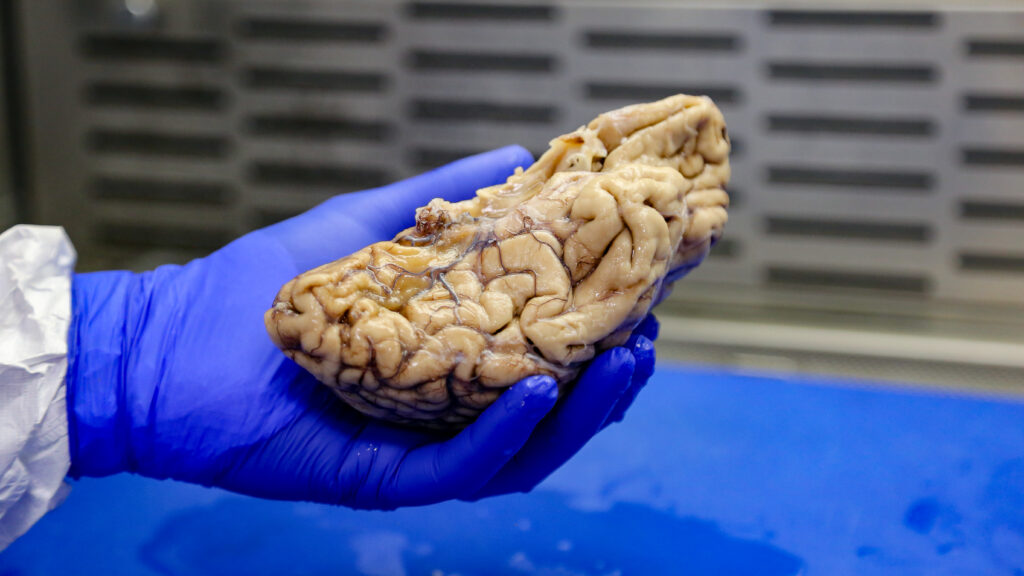
The family of late NFL linebacker Aldon Smith has donated his brain to the CTE Center for research as authorities investigate his death, hoping to advance understanding of neurodegenerative conditions linked to football injuries.
Former NHL star Claude Lemieux’s brain is being donated to Boston University’s CTE Center to study the long-term effects of repetitive brain injuries, his family said after his death by suicide at age 60. The family granted permission to publicly share findings with Lemieux’s name, but cautioned against drawing diagnostic conclusions. Lemieux played nearly 1,500 NHL games across three decades, won four Stanley Cups, and was known for his hard-hitting play.
The family of former NHL star Claude Lemieux has donated his brain to Boston University's Center for the Study of Traumatic Encephalopathy to support ongoing research into concussion-related brain injuries in sports.
The family of NHL star Claude Lemieux announced that his brain will be donated to the UNITE Brain Bank at Boston University’s CTE Center to advance research into chronic traumatic encephalopathy and the effects of repetitive head impacts. They granted permission to identify Lemieux by name in connection with the donation and any findings, calling it a gift to science and asking for respectful discussion of his death, which the family says involved suicide. The UNITE Brain Bank is the world’s largest tissue repository for TBI/CTE research, aiming to develop living diagnostic tests for CTE; Lemieux had a 21-season NHL career, winning four Stanley Cups.
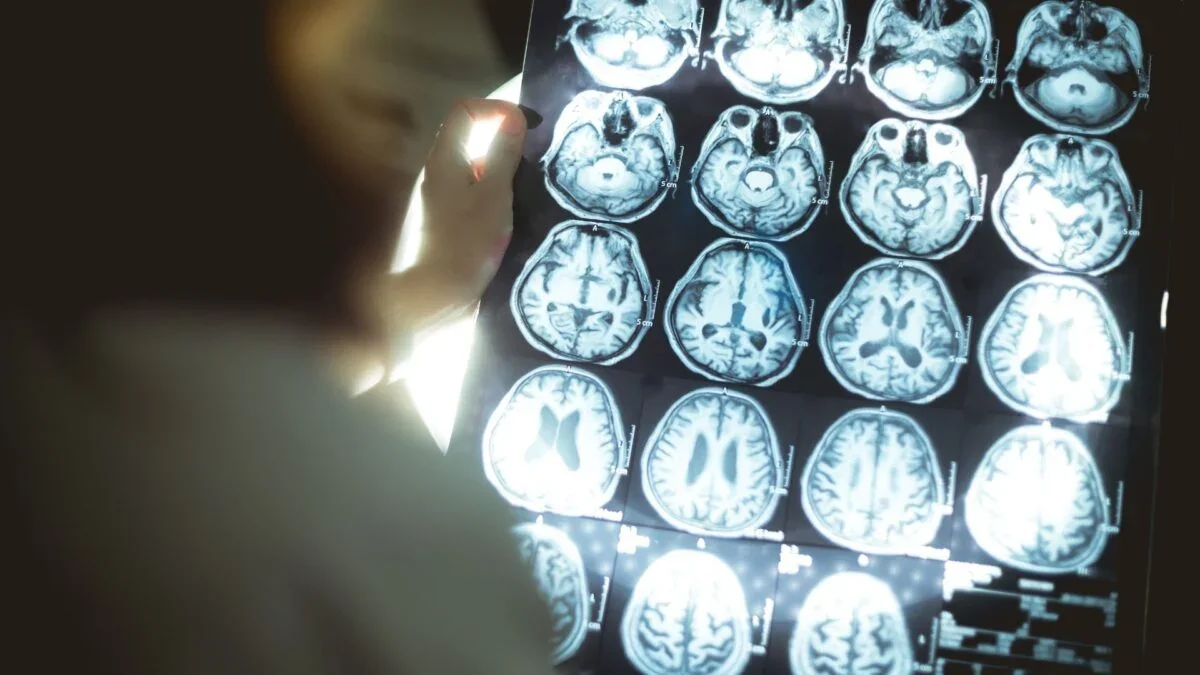
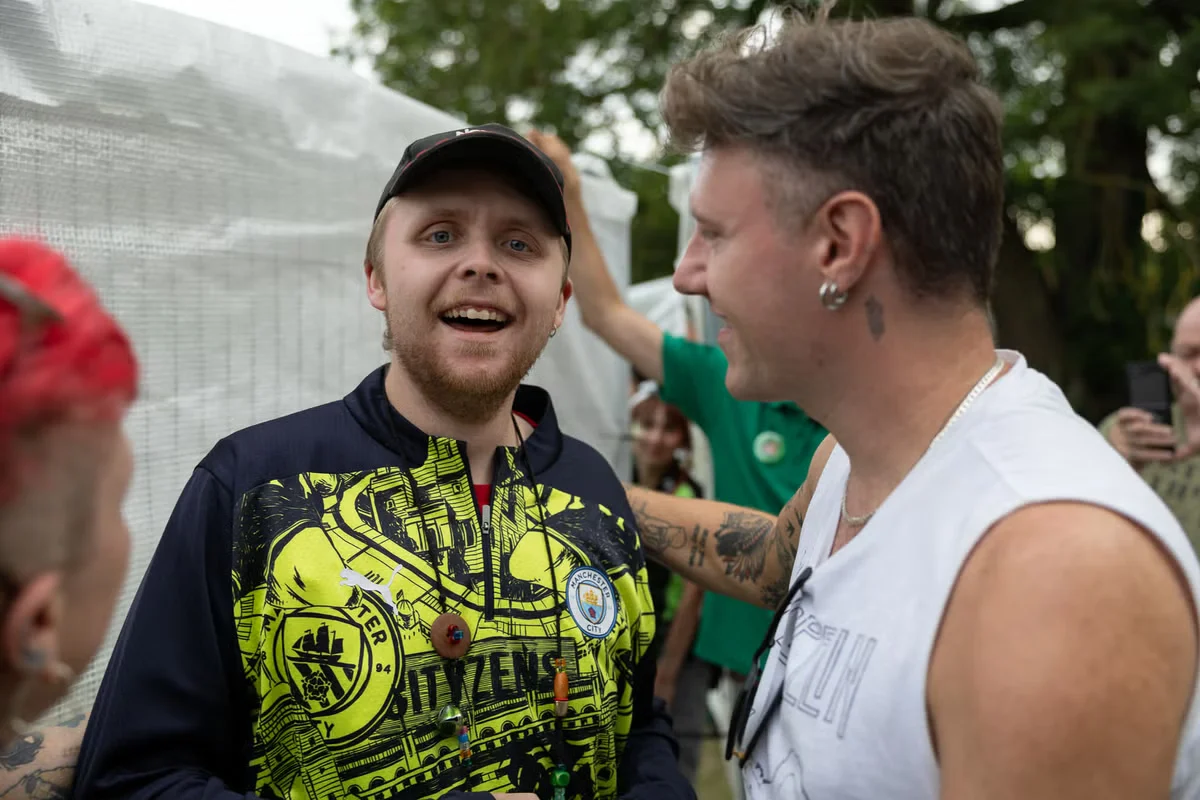
British resident Andre Yarham died at 24 from an extremely rare early-onset frontotemporal dementia, diagnosed in 2023 after an MRI showed a brain like a 70-year-old. His case ranks among the youngest documented and highlights genetic mutations linked to FTD; his family donated his brain to science to aid research. Dementia affects over 55 million people worldwide, with numbers expected to rise by 2050.
Andre Yarham, a 24-year-old from Norfolk diagnosed with frontotemporal dementia, chose to donate his brain to science after his death to aid research and help prevent others from suffering similar fates. His condition rapidly worsened, leading to his death over Christmas, highlighting that dementia can affect young people and is a cruel disease with no cure.
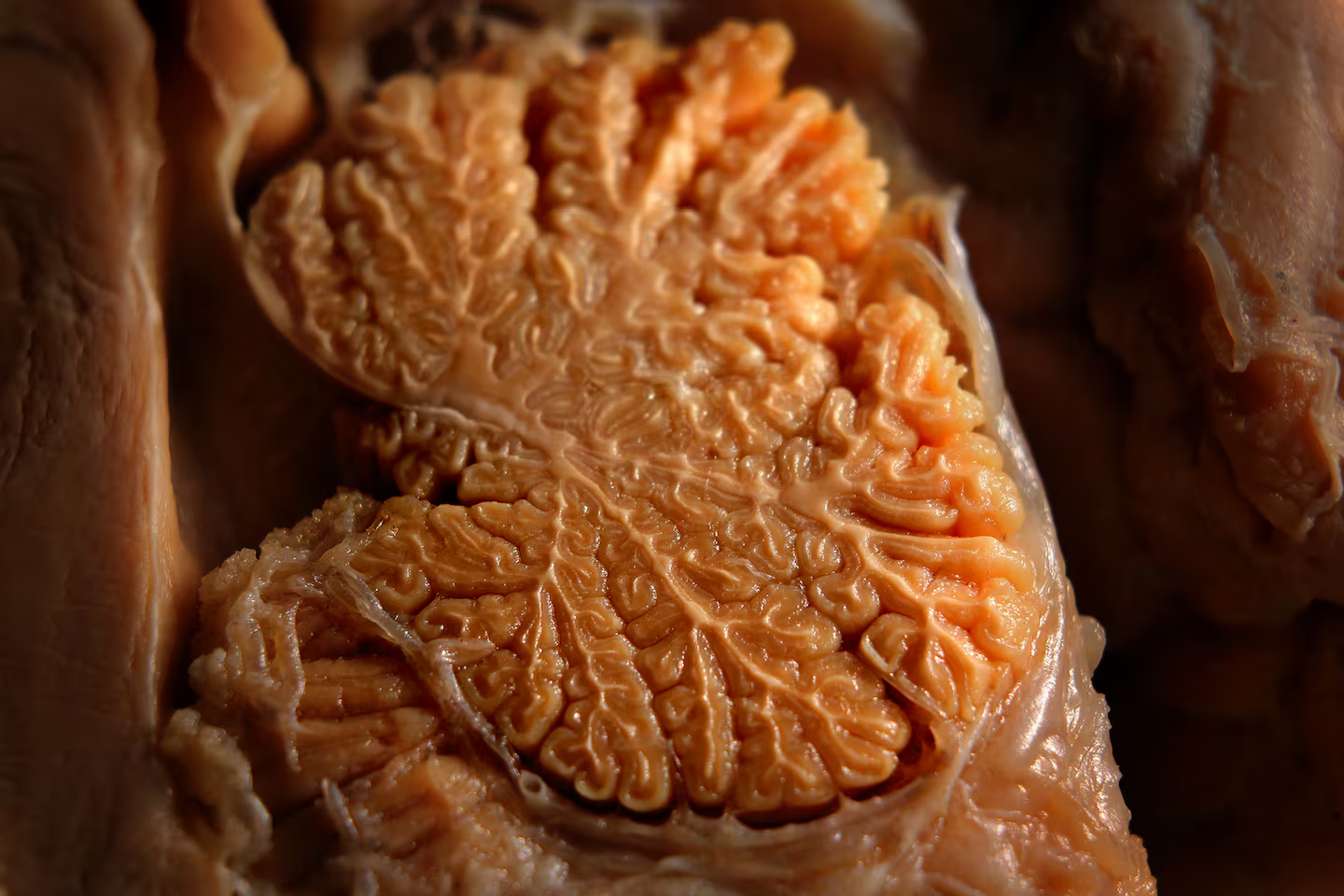
The Harvard Brain Tissue Resource Center faces potential setbacks in Huntington's disease research due to funding cuts that threaten the timely collection and preservation of donated brain tissue, which is crucial for ongoing studies.
OJ Simpson's lawyer confirmed that there are no plans to donate his brain to science and that his body will be cremated, with a "celebration of life" event for close friends and family. The lawyer also clarified controversial comments regarding Simpson's estate and debts, emphasizing the need to tone down rhetoric while warning of outstanding IRS debts and seized possessions.
Lisa Barnes, a Black female cognitive neuropsychologist, has been running the Minority Aging Research Study since 2004, one of the largest studies of Alzheimer’s focused exclusively on Black people. Barnes has created a brain bank used by other researchers to understand the illness in this population. Her work has raised critical questions about how the disease differs in Black populations, why cognitive testing relied on to clinically diagnose dementia may fail Black patients, and whether the disease progresses differently in them. Barnes' research has shown that Alzheimer's does not progress the same way for all people and that social factors associated with racial categories, such as wealth, education, discrimination, and access to health care, play a significant role.