Tag

Alzheimers Research

All articles tagged with #alzheimers research

science-and-technology10 days ago

Open-source AI co-scientist accelerates biomedical analysis in minutes

A new open-source agentic AI system, OpenScientist, has demonstrated the ability to perform complex biomedical analyses in minutes that would typically take human experts months. Developed by a multidisciplinary team including researchers from Washington University in St. Louis and Harvard Medical School, the tool was validated across five case studies, including Alzheimer’s biomarker quantification and multiple myeloma hypothesis generation. The system operates in air-gapped environments to protect sensitive clinical data and aims to reduce the time and expertise barriers in analyzing large, complex datasets.


New Study Finds Dog Brain Pathology Mirrors Human Alzheimer’s, Offering New Research Model
science-and-health1 month ago

New Study Finds Dog Brain Pathology Mirrors Human Alzheimer’s, Offering New Research Model

A new study published in npj Dementia reveals that aging dogs with Canine Cognitive Dysfunction (CCD) exhibit brain protein deposits in the same regions as humans with Alzheimer’s. This finding suggests dogs are a superior natural model for studying neurodegeneration compared to mice, potentially accelerating the development of diagnostics and treatments. Researchers identified elevated blood markers, specifically glial fibrillary acidic protein (GFAP), in dogs with high brain protein deposits, offering a potential biomarker for early detection in both species. While 99% of Alzheimer’s drugs fail in human trials after showing promise in mice, dogs naturally develop the misshapen proteins associated with dementia, providing a more accurate platform for testing therapies. The research highlights the value of companion dogs in understanding how environmental and genetic factors influence brain aging, with implications for earlier diagnosis and improved care for both pets and people.

Trump Cuts End 15-Year Pittsburgh Alzheimer’s Study, Leaving 600 Participants Without Results
health2 months ago

Trump Cuts End 15-Year Pittsburgh Alzheimer’s Study, Leaving 600 Participants Without Results

The Trump administration terminated the 'Phresh' study, a 15-year NIH-funded project tracking cognitive health in two low-income, majority Black neighborhoods in Pittsburgh. This cancellation prevents researchers from delivering promised cognitive test results to 600 participants, potentially delaying diagnoses for a group with double the risk of Alzheimer’s. The move is part of a broader effort to defund research linking discrimination and trauma to health outcomes, which officials label as unscientific or DEI-related.

MIT Study Links Timed Pink Noise Bursts to Enhanced Brain Waste Clearance
health-and-science2 months ago

MIT Study Links Timed Pink Noise Bursts to Enhanced Brain Waste Clearance

MIT researchers found that 50-millisecond bursts of pink noise, delivered at the peak of slow brain waves during deep sleep, significantly increase the flow of cerebrospinal fluid (CSF). This enhanced flow helps clear metabolic waste, such as lactic acid and worn-out proteins, from the brain. The study, published in Science Translational Medicine, suggests this technique could eventually help prevent neurodegenerative diseases like Alzheimer's by improving the brain's natural cleaning process during non-REM sleep.

NIH cancels $15m in Alzheimer's grants, targeting research on racial discrimination
science-and-health3 months ago

NIH cancels $15m in Alzheimer's grants, targeting research on racial discrimination

The Trump administration has canceled at least three National Institutes of Health (NIH) grants totaling $15 million at Emory University and the University of Pittsburgh. These cancellations target research examining how racial discrimination and structural racism impact brain health and Alzheimer's disease risk. Researchers argue the moves are scientifically flawed and politically motivated, while the administration claims the studies lack objective, measurable variables.

SuperAger Study: Social Ties, Not Genes or Diet, Define Exceptional Memory in Old Age
health-and-science3 months ago

SuperAger Study: Social Ties, Not Genes or Diet, Define Exceptional Memory in Old Age

A 25-year Northwestern University study and a new University of Chicago analysis reveal that 'SuperAgers'—people over 80 with memory matching adults in their 50s—do not share specific diets, exercise routines, or low genetic risk for Alzheimer's. Instead, strong social connection is the only consistent trait across this group, suggesting resilience is driven by behavioral and environmental factors rather than genetic luck.

"Human Neuron Model Unlocks Potential Breakthrough in Alzheimer's Treatment"
health-science2 years ago

"Human Neuron Model Unlocks Potential Breakthrough in Alzheimer's Treatment"

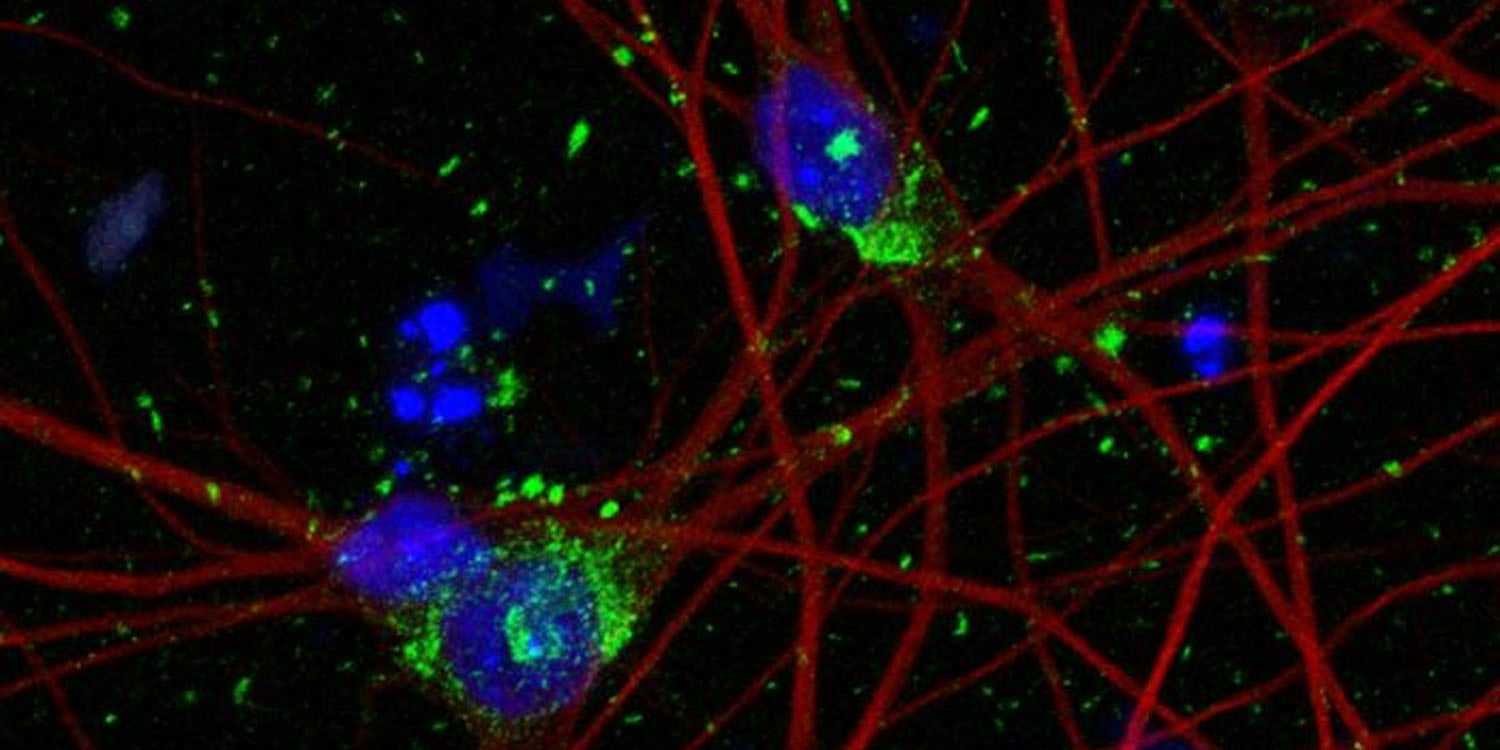
Scientists at Weill Cornell Medicine have developed a human neuron model that simulates the spread of tau protein aggregates in the brain, shedding light on potential drug targets to block this process. Using CRISPR/Cas9 technology, the researchers created a neuron model with diseased forms of tau, allowing them to observe tau spread within weeks. Through CRISPRi screening, they identified 500 genes that impact tau abundance, including the UFMylation cascade, which, when altered, could block tau propagation. This finding was validated in both human neurons and mouse models, offering new directions for the development of treatments for Alzheimer’s disease and related conditions.

"Fiber Supplements: A Potential Key to Dementia Prevention and Brain Health"
health2 years ago

"Fiber Supplements: A Potential Key to Dementia Prevention and Brain Health"

A study published in the journal Nature suggests that a dietary supplement containing inulin and fructooligosaccharide (FOS), considered prebiotics, may improve brain function in people over 60. The supplement showed no improvements in muscle strength but resulted in better performance in memory, reaction time, and processing speed tests, including the Paired Associates Learning test, which can indicate early signs of Alzheimer's disease. Researchers believe that nourishing the gut microbiome with these plant fibers could support better brain function in older individuals, potentially offering long-term benefits. Additionally, Alzheimer’s Research UK reports that addressing certain risk factors in daily life could prevent or delay up to 40% of dementia cases globally.

"Grey's Anatomy: Season 20 Premiere Recap and Character's Exit Explained"
entertainment2 years ago

"Grey's Anatomy: Season 20 Premiere Recap and Character's Exit Explained"

In the Season 20 premiere of Grey's Anatomy, Meredith deceives Catherine about giving up her Alzheimer's research, recruiting Amelia to continue in secret. Showrunner Meg Marinis hints at challenges ahead, including the sisters' complex history. While the storyline may seem limited by the reality of curing Alzheimer's, Marinis emphasizes the focus on the characters' personal lives and relationships. The plot aims to honor those affected by the disease and the hope they hold.

"Decade-Long Alzheimer's Study Retracted by Ex-Stanford President Amid Controversy"
sciencehealth2 years ago

"Decade-Long Alzheimer's Study Retracted by Ex-Stanford President Amid Controversy"

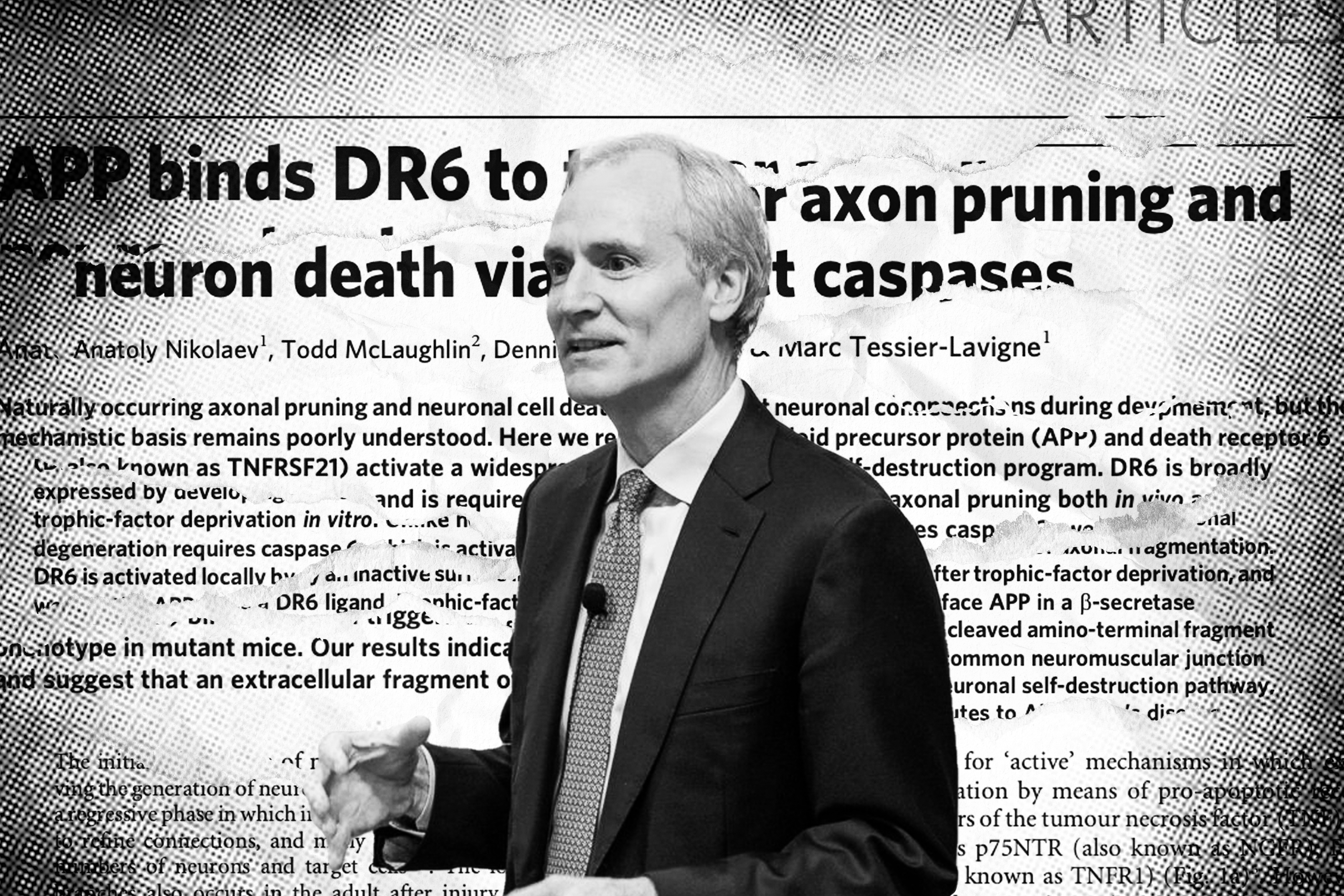
Marc Tessier-Lavigne, a prominent neuroscientist and former Stanford president, has retracted a significant Alzheimer's research paper from Nature after a decade of resistance. The retraction follows the discovery of image anomalies and biostatistical errors, although Tessier-Lavigne denies falsification of data. This is his fourth retraction in recent months, amidst a Stanford-sponsored investigation confirming a pattern of falsified research in labs he oversaw. The paper, once thought to be a breakthrough in Alzheimer's treatment, was also used by Genentech in negotiations to increase the company's valuation during its acquisition by Roche. Concerns about the research's reproducibility and integrity have been ongoing since 2012, with recent developments leading to the retraction.

"Dear Abby Seeks Volunteers for Alzheimer's Research Treatments"
health2 years ago

"Dear Abby Seeks Volunteers for Alzheimer's Research Treatments"

Researchers are seeking volunteers for clinical trials to test treatments for Alzheimer's disease before symptoms appear. The AHEAD Study is investigating the use of lecanemab, an FDA-approved medication, to prevent cognitive decline in individuals with amyloid plaques. With brain changes occurring up to 20 years before symptoms manifest, this asymptomatic stage presents an opportunity to delay or prevent the onset of Alzheimer's. The Alzheimer's Association also offers TrialMatch, a service connecting individuals to various clinical trials, emphasizing the importance of volunteer participation in advancing treatments, prevention strategies, and finding a cure for the disease.

"DeWitt Clinic Seeks Recruits for National Alzheimer's Research Study"
health3 years ago

"DeWitt Clinic Seeks Recruits for National Alzheimer's Research Study"

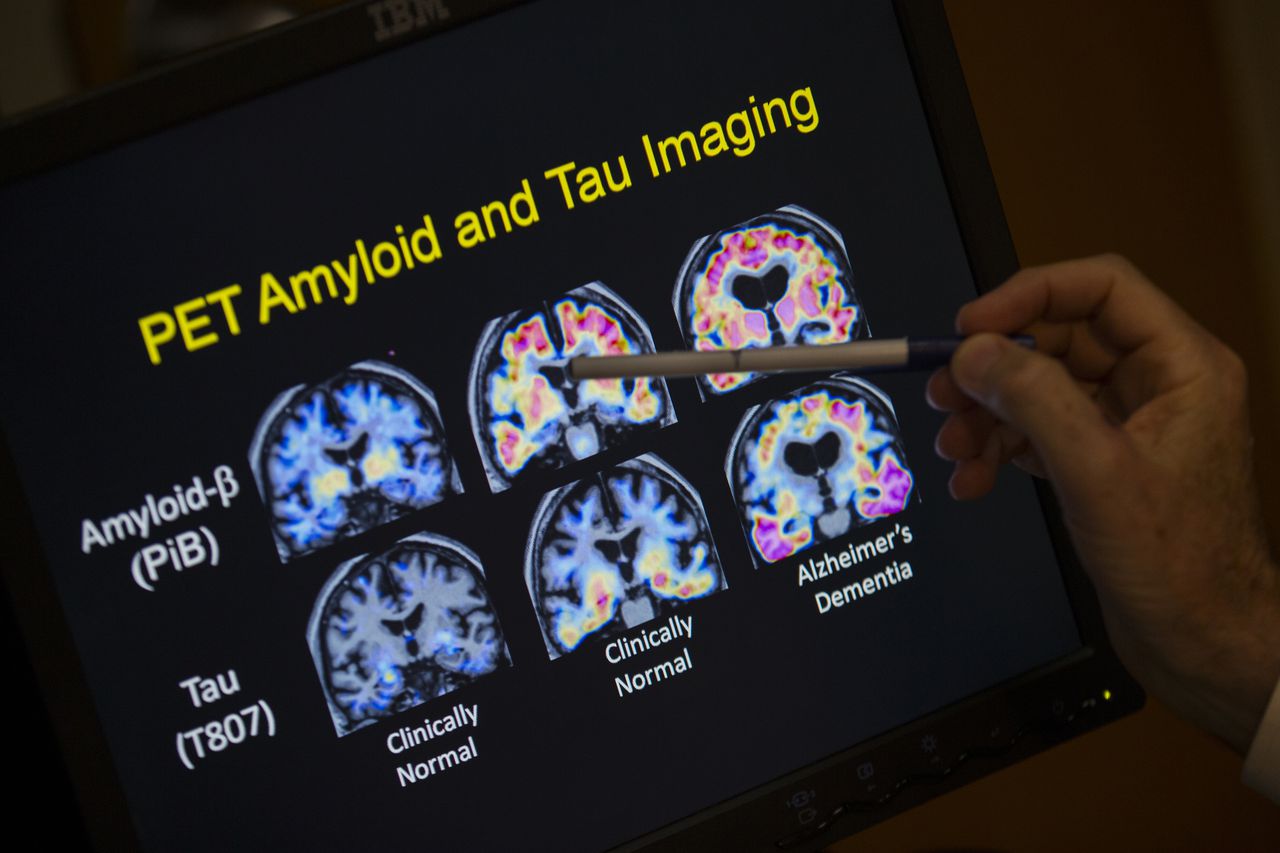
A DeWitt clinic, specializing in Alzheimer's research, is currently seeking recruits for a new national study on the disease. Velocity Clinical Research Syracuse, which was founded six years ago, initially focused on recruiting end-of-life patients for a study aimed at detecting Alzheimer's before symptoms appeared. The clinic's procedure, involving a PET scan, has since been approved by federal regulators.