Tag

Brain Signaling

All articles tagged with #brain signaling

Neural Spike Shapes May Encode Recent Input History
science17 days ago

Neural Spike Shapes May Encode Recent Input History

A new preprint study suggests that the shape of a neuron's electrical pulse, or action potential, carries more information than previously thought. While standard neuroscience treats these signals as simple binary events (on or off), researchers from UC San Diego found that the waveform's specific shape changes based on the neuron's recent electrical input. In mouse visual cortex neurons, a machine-learning model could distinguish between different types of stimulation with 78.4% accuracy based solely on the signal's shape. In rat brain recordings, 30 out of 40 neurons exhibited multiple distinct signal shapes. While this implies that current recording methods may discard valuable data about a neuron's recent history, the study does not yet prove that these shape variations are actively used to communicate with other neurons. The findings highlight a potential blind spot in how scientists interpret brain activity, though the data is limited to small sample sizes and requires peer review.
Taste-triggered brain boost: astringent flavanols may wake the mind
science8 months ago

Taste-triggered brain boost: astringent flavanols may wake the mind

New mouse study suggests the dry, astringent sensation of flavanols found in foods like cocoa and berries can directly signal the brain, activating attention, learning, and memory pathways through sensory nerves and stress systems—producing effects similar to a mild workout—despite flavanols' low bloodstream presence. This points to sensory nutrition as a potential way to design foods that couple taste with brain benefits.

New Study Challenges Traditional Views on Neuron Structure
science1 year ago

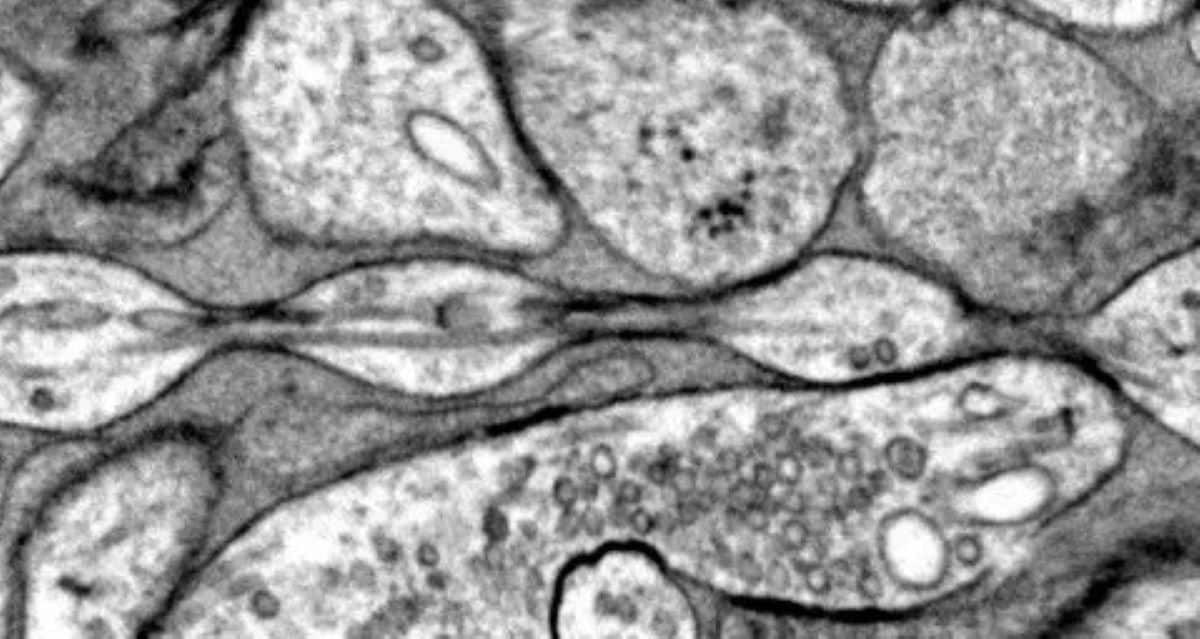
New Study Challenges Traditional Views on Neuron Structure

A study using advanced electron microscopy reveals that axons, previously thought to be tube-like, have a "pearl-on-a-string" structure, termed "non-synaptic varicosities." This discovery, which may impact brain signaling and neurodegenerative disease research, shows that axon morphology is influenced by membrane mechanics, such as cholesterol levels. The findings challenge long-held beliefs about neuron structure and suggest potential revisions in biology textbooks.