Tag

Flavanols

All articles tagged with #flavanols

Most Adults Are Missing Brain-Boosting Flavanols Despite Veggie Intake
health11 days ago

Most Adults Are Missing Brain-Boosting Flavanols Despite Veggie Intake

A Harvard Medical School and University of Reading study analyzed 30,000 people and found about 80% don’t meet the 500 mg daily flavanol target, even among those who eat five servings of fruits and vegetables. Flavanols, found in colorful fruits, tea, and dark chocolate, are linked to heart health and slower brain aging, so simply meeting “five a day” isn’t enough; include flavanol-rich foods like plums, cranberries, blackberries, green tea, and apples with skin to boost intake.
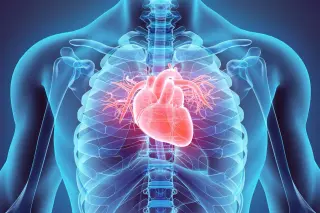
Boost Heart Health by Choosing Flavanol-Rich Foods Over Quantity
health-and-medicine21 days ago

Boost Heart Health by Choosing Flavanol-Rich Foods Over Quantity

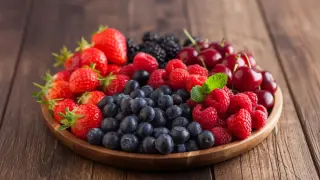
New research shows that flavanols—compounds in foods like plums, cranberries, blackberries, apples with skin, broad beans, cherries, and green tea—are strongly linked to heart health, and most people don’t get enough. Merely meeting five daily servings of fruits and vegetables often falls short of the flavanol target; about 500 mg per day is associated with lower cardiovascular death risk. The findings suggest dietary guidance should emphasize flavanol-rich foods and combinations (e.g., green tea with meals) to boost absorption.

Flavanols Make the Difference: Why Five a Day Isn’t Always Heart-Protective
health-and-nutrition24 days ago

Flavanols Make the Difference: Why Five a Day Isn’t Always Heart-Protective

A large international study suggests that heart protection depends not just on how much fruit and vegetables you eat, but on which ones you choose, due to flavanol intake. Most people fall short of the flavanol levels (about 500 mg daily) linked to lower cardiovascular mortality, even when meeting general fruit/veg targets. The study highlights flavanol-rich foods like plums, cranberries, blackberries, green tea, apples with skin, and beans, and suggests dietary guidance may need to specify food choices to maximize heart benefits.

Tea, not just portions: study finds five-a-day often misses heart-healthy flavanols
health27 days ago

Tea, not just portions: study finds five-a-day often misses heart-healthy flavanols

A large UK-US biomarker study (n≈30,000) shows that reaching 500 mg of daily flavanols—beneficial for heart health—often requires more than simply eating five portions of fruit/veg: many people fall short, and in the UK tea is a major flavanol source, while flavanol content varies widely between foods and between countries, suggesting dietary guidance should prioritize foods with higher bioactive content rather than counting portions alone.

Flavanols: going beyond 5-a-day for heart health
health1 month ago

Flavanols: going beyond 5-a-day for heart health

A study of over 30,000 people finds that fewer than one in five meet the flavanol intake (400–600 mg/day) linked to reduced cardiovascular risk, even among those who eat five servings of fruits and vegetables daily. Flavanols—found in blueberries, apples with skin, grapes, tea, cocoa and other plant foods—may improve vascular function and lower heart-disease risk, so prioritizing flavanol-rich foods and diverse plant-based options could augment protection beyond simply reaching “5 a day.”

Taste-triggered brain boost: astringent flavanols may wake the mind
science5 months ago

Taste-triggered brain boost: astringent flavanols may wake the mind

New mouse study suggests the dry, astringent sensation of flavanols found in foods like cocoa and berries can directly signal the brain, activating attention, learning, and memory pathways through sensory nerves and stress systems—producing effects similar to a mild workout—despite flavanols' low bloodstream presence. This points to sensory nutrition as a potential way to design foods that couple taste with brain benefits.

Flavanols’ Astringent Taste May Wake the Brain, Study Finds
science5 months ago

Flavanols’ Astringent Taste May Wake the Brain, Study Finds

Researchers propose that dietary flavanols may boost brain function not mainly through absorption, but via their astringent taste signaling sensory pathways that activate central nervous system and stress responses. In mice, flavanols increased wakefulness, attention, and learning by triggering hypothalamic CRH neurons and boosting noradrenaline and dopamine activity in the locus coeruleus and connected regions, with downstream effects on mood, arousal, and memory. This points to a sensory-nutrition mechanism and potential for designing foods that leverage taste signals to support cognitive function.

Cocoa Extract Supplements May Lower Age-Related Inflammation
health9 months ago

Cocoa Extract Supplements May Lower Age-Related Inflammation

A study shows that cocoa extract supplements may help reduce age-related inflammation and lower the risk of cardiovascular disease, especially in older adults with high risk, by decreasing biomarkers like hsCRP. The research suggests potential health benefits of plant-based foods rich in flavanols, though further studies are needed to understand the full impact.

Dark Chocolate Consumption May Lower Type 2 Diabetes Risk
health1 year ago

Dark Chocolate Consumption May Lower Type 2 Diabetes Risk

A US study involving 192,000 participants over 34 years found that consuming five servings of dark chocolate per week is associated with a 21% lower risk of developing type-2 diabetes, compared to milk chocolate, which is linked to weight gain. The study suggests that dark chocolate's protective effect may be due to flavanols, though the results could be influenced by the 'healthy user bias,' as participants were health-conscious individuals. Despite potential biases, the study highlights dark chocolate as a healthier dessert option.

Cocoa: A Sweet Solution to Stress and Unhealthy Cravings
health1 year ago

Cocoa: A Sweet Solution to Stress and Unhealthy Cravings

A study by the University of Birmingham suggests that high-flavanol cocoa can protect against the negative vascular effects of stress and high-fat foods. The research found that participants who consumed high-flavanol cocoa maintained better vascular function after stress compared to those who drank low-flavanol cocoa. Flavanols, also found in green and black tea, berries, and apples, can help mitigate the impact of poor dietary choices on the vascular system. The recommended daily intake of flavanols is 400-600 mg, achievable through certain foods and high-quality cocoa.

Cocoa: A Sweet Solution to Stress and Fatty Foods?
health1 year ago

Cocoa: A Sweet Solution to Stress and Fatty Foods?

A study by the University of Birmingham suggests that drinking cocoa high in flavanols can mitigate the negative effects of stress and fatty foods on vascular function. In a trial involving 23 adults, those who consumed high-flavanol cocoa showed improved arterial response compared to those who drank low-flavanol cocoa. This research indicates that incorporating flavanol-rich foods, like certain cocoa, into the diet could help counteract some cardiovascular risks associated with stress and high-fat meals.