Tag

Breastfeeding

All articles tagged with #breastfeeding

TikTok Mom Shifts From Four-Year to Two-Year Age Gap After Postpartum Depression
lifestyle10 days ago

TikTok Mom Shifts From Four-Year to Two-Year Age Gap After Postpartum Depression

A TikTok creator named Mia, who has a 16-month-old son, publicly revised her family planning strategy. She originally intended to wait four to five years between children to enjoy each infancy stage separately. However, after experiencing colic, a 15-month breastfeeding period, and postpartum depression, she now prefers a two-year gap. She believes this approach allows her to endure the most physically and mentally demanding phases of motherhood in a shorter timeframe, while also providing her son with a close sibling for playtime.

UK Infant Feeding Policy Faces Scrutiny Over Rising Newborn Hospital Readmissions
health13 days ago

UK Infant Feeding Policy Faces Scrutiny Over Rising Newborn Hospital Readmissions

New data indicates a sharp rise in UK newborn hospital readmissions linked to feeding difficulties, with 30,000 infants under two weeks old admitted for jaundice last year. Critics argue that current NHS and NICE policies prioritize exclusive breastfeeding without adequately warning parents about the risks of underfeeding or the benefits of early formula supplementation. While breastfeeding rates are increasing, so are emergency admissions for dehydration and weight loss, prompting calls for more balanced information for new mothers.

Norwegian Study Links Six Months of Exclusive Breastfeeding to Lower ADHD Symptoms
health-and-science1 month ago

Norwegian Study Links Six Months of Exclusive Breastfeeding to Lower ADHD Symptoms

A large-scale Norwegian study published in Biological Psychiatry finds that exclusive breastfeeding for six months is associated with fewer ADHD symptoms in childhood. Led by Berit Skretting Solberg at the University of Bergen, the research analyzed 37,643 children born between 1999 and 2009. The study controlled for genetic predispositions and socioeconomic factors, including a sibling analysis of 8,209 pairs, to isolate the effect of breast milk. While the protective effect was small on an individual level, it persisted across ages three, five, and eight, suggesting a potential biological link between infant nutrition and neurodevelopment.

Breastmilk protein osteopontin found to boost infant immune defense against respiratory infections
health-and-science3 months ago

Breastmilk protein osteopontin found to boost infant immune defense against respiratory infections

A five-year international study published in Cell reveals that osteopontin, a protein abundant in early breastmilk, triggers biological processes that strengthen infant immune systems against respiratory infections. Researchers at QIMR Berghofer Medical Research Institute found that this protein alters gut microbiomes and bacterial metabolites, which in turn activate growth factors in lung cells to boost immunity. While the study used mice, it suggests that adding osteopontin or mimicking its effects could improve commercial infant formulas. Experts note that while the science is foundational, human trials are needed, and improving breastfeeding support remains critical for public health outcomes.

Longer exclusive breastfeeding linked to fewer ADHD symptoms in children, study finds
health4 months ago

Longer exclusive breastfeeding linked to fewer ADHD symptoms in children, study finds

A Norwegian study of over 37,000 children found that exclusive breastfeeding for up to six months is associated with lower ADHD symptoms at ages 3, 5, and 8, with stronger effects in girls; any breastfeeding helps, but longer exclusive duration shows greater benefits, though the study is observational and cannot prove causation, prompting calls for further research.

Six Months of Breastfeeding May Lower Kids' ADHD Risk, Study Finds
health4 months ago

Six Months of Breastfeeding May Lower Kids' ADHD Risk, Study Finds

A Norwegian study of about 37,600 families found that longer exclusive breastfeeding up to six months is linked to lower ADHD symptom levels at ages 3, 5 and 8, seen in both boys and girls and remaining after adjusting for genetics and sociodemographic factors; while the association persists, researchers caution that causality can't be proven and the sample isn't fully representative, so more research is needed, though findings echo guidelines that support exclusive breastfeeding for about six months.

Video sparks debate after Texas restaurant asks breastfeeding mother to leave on Father’s Day
society5 months ago

Video sparks debate after Texas restaurant asks breastfeeding mother to leave on Father’s Day

A mother says Nowhere Bar in Celina, Texas ejected her family on Father’s Day because she was breastfeeding. She refused to cover up, staff reportedly cited camera monitoring, and the owner offered to cover the bill but asked them to leave. The viral video has divided commenters over public breastfeeding, decency, and restaurant policy. Texas law allows breastfeeding in public locations, highlighting a broader cultural debate about feeding a baby in public.

Nipple stimulation can spark sudden sadness—what 'sad nipple syndrome' really is
health5 months ago

Nipple stimulation can spark sudden sadness—what 'sad nipple syndrome' really is

Doctors say that 'sad nipple syndrome' is a hormonal reflex where nipple stimulation triggers a rapid dopamine dip and oxytocin surge, provoking a brief wave of sadness or overwhelm that can occur in both lactating and some non‑lactating women; it’s a physiological response rather than a mental health disorder, and if it disrupts daily life, approaches like cognitive behavioral therapy may help.

Bryana Holly Defends Breastfeeding Amid Online Body-Shaming
entertainment8 months ago

Bryana Holly Defends Breastfeeding Amid Online Body-Shaming

Bryana Holly pushed back against online body-shaming comments about her chest after a red carpet post, explaining the photos reflect a breastfeeding mom who hasn’t fed her babies in hours. She and Nicholas Hoult—parents of two—made a rare public appearance at Vanity Fair’s Oscars party, with supporters praising her for addressing the harassment and calling for an end to scrutinizing a woman’s body.

Elsie Hewitt Explains Not Breastfeeding: Health, Healing, and Shared Feeding
entertainment9 months ago

Elsie Hewitt Explains Not Breastfeeding: Health, Healing, and Shared Feeding

Elsie Hewitt, Pete Davidson's girlfriend, explains in Elle why she chose not to breastfeed after a difficult pregnancy diagnosed with stage 4 endometriosis. She details postpartum mastitis, the physical and emotional toll of pregnancy, and her decision to prioritize her mental health and recovery by sharing feeding duties with Davidson, ultimately choosing formula feeding as the right option for her and their baby. She argues feeding choices should be nuanced and free of moral judgment, emphasizing that a nourished baby and a healthy mother can coexist.

Western infants missing key gut microbe linked to health risks
medical-science9 months ago

Western infants missing key gut microbe linked to health risks

A global atlas of gut bacteria shows that B. infantis, a microbe important for digesting foods and training the immune system, is largely absent in Western babies—about 98.6% lack it in the first two months in Europe and the US, versus ~29% in South Asia and Africa. The absence persists in many Western infants and could hinder immune development, potentially helping explain rising allergies and autoimmune diseases. Researchers suggest lifestyle factors such as antibiotic use, dietary shifts, reduced environmental exposure, and shorter or less exclusive breastfeeding may limit transfer of B. infantis from mother to child. The finding also questions the suitability of some commercial probiotic products, as they may not reflect regional strains, underscoring a need for tailored probiotic strategies and further study of microbiome-health links.

Breastfeeding boosts immune cells, potentially reducing breast cancer risk
health1 year ago

Breastfeeding boosts immune cells, potentially reducing breast cancer risk

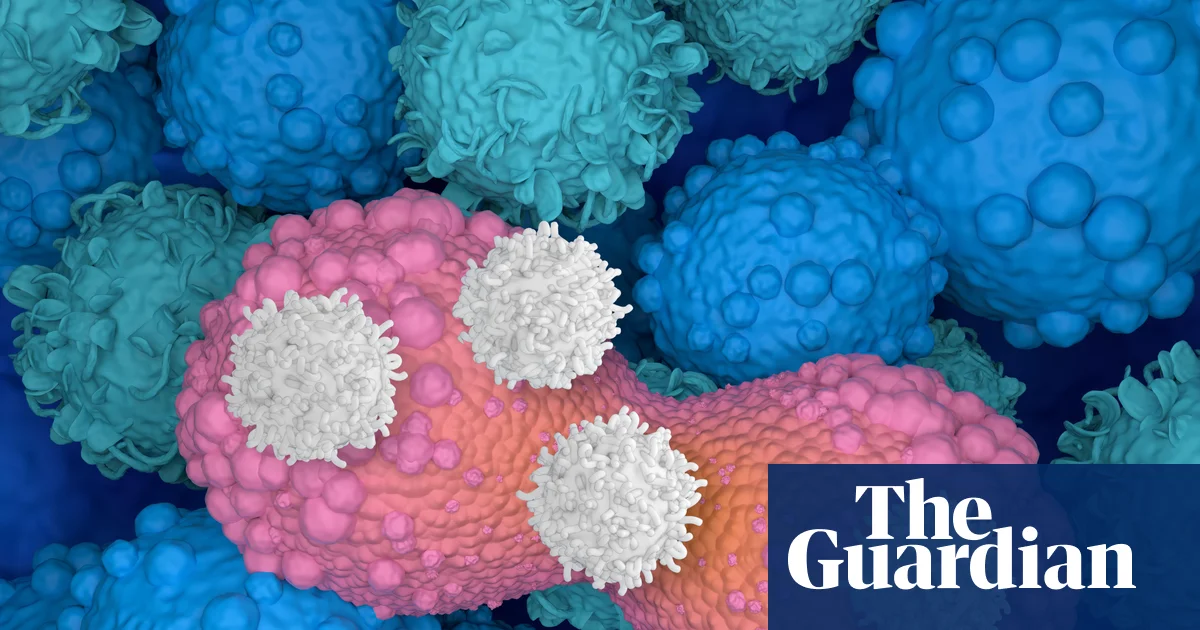
Research shows that breastfeeding leaves long-lasting immune cells in the breast, particularly CD8+ T-cells, which help protect against breast cancer, especially aggressive types like triple-negative breast cancer. These immune cells remain for decades and are associated with better outcomes, suggesting potential for new preventive strategies and therapies.