medical-science4.62 min read
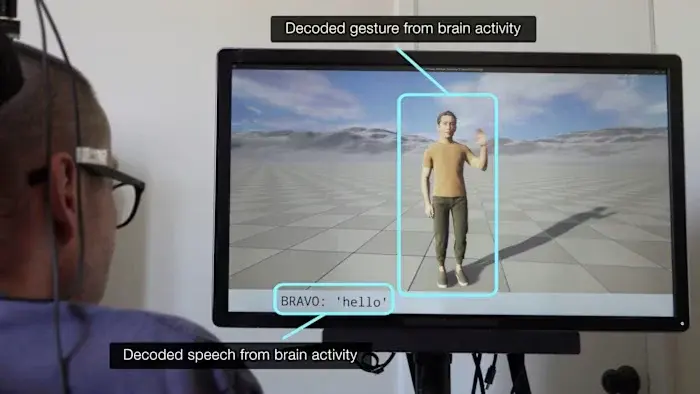
A single brain implant lets paralysed patients speak and gesture through a digital avatar
25 days ago•Source: Financial Times

The latest medical science stories, each synthesized from multiple sources with added background and context.
Researchers at the University of Chicago engineered Bifidobacterium longum to deliver a tumor-focused form of IL-2 (SumIL-2) inside pancreatic tumors, turning the bacteria into localized drug factories that selectively activate cancer-fighting T cells and slow tumor growth in preclinical models. The effect is enhanced when combined with chemotherapy, radiotherapy, or anti-PD-L1 immunotherapy. While promising, the approach has not yet been tested in humans, and future work will assess safety, potential off-target effects, durability, and the feasibility of oral delivery, plus potential combinations with KRAS inhibitors.

News-Medical•1 year ago
News-Medical•1 year ago
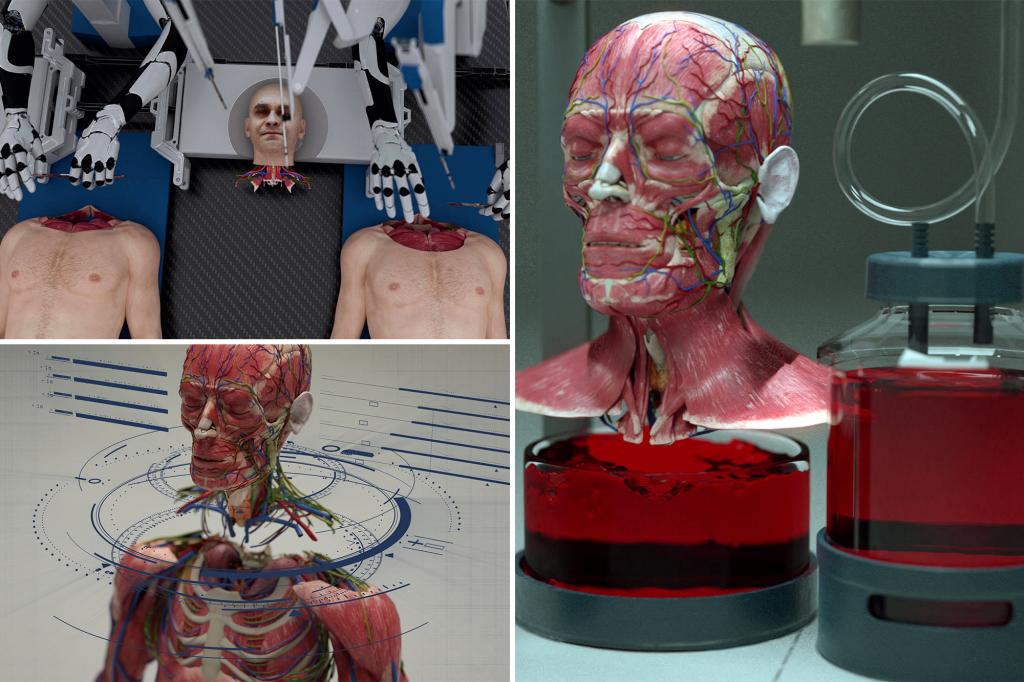
BrainBridge, a neuroscience and biomedical engineering startup, claims to have developed an AI-mechanized system for performing head transplants, with the first procedure planned within a decade. The innovative surgery aims to help patients with untreatable conditions and neurological diseases, maintaining the memories, cognitive abilities, and consciousness of the transplanted individual. The company plans to utilize surgical robots and artificial intelligence for precise reconnection of the spinal cord, nerves, and blood vessels, and aims to attract top scientists to the project.
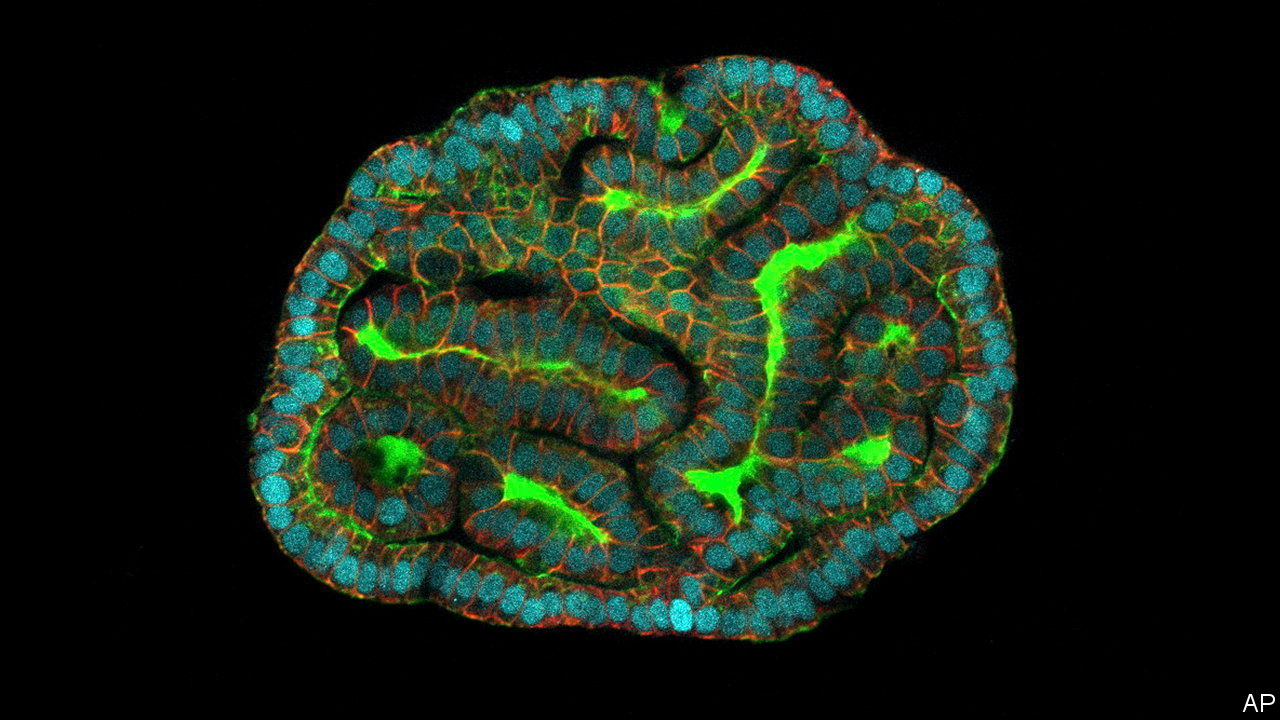
Scientists have developed a method to create simplified versions of a fetus's organs using cells from the amniotic fluid, allowing doctors to study and test treatments without risking the pregnancy. These organoids, resembling simplified organs, can reveal individual features of diseases and their responses to drugs or treatments. The technique has been successfully used to grow kidney, small-intestine, and lung organoids from amniotic-fluid cells, and has shown promise in studying and treating conditions such as congenital diaphragmatic hernia and premature births. While fetal organoids may not be able to replicate all organs and require further research, they hold potential for improving prenatal treatments and understanding fetal development.

A 3-month-old French bulldog named Tyson spontaneously regrew most of his lower left jaw after it had to be removed to treat his cancer, marking the first documented case of jaw regeneration in a dog following oral cancer surgery. The surgery left much of the jaw’s periosteum intact, and Tyson's young age likely contributed to the remarkable recovery. While his new jaw isn't as functional as the old one, Tyson remains cancer-free and is living life to the fullest, with hopes that his case can help doctors understand how to achieve similar outcomes for other dogs in the future.
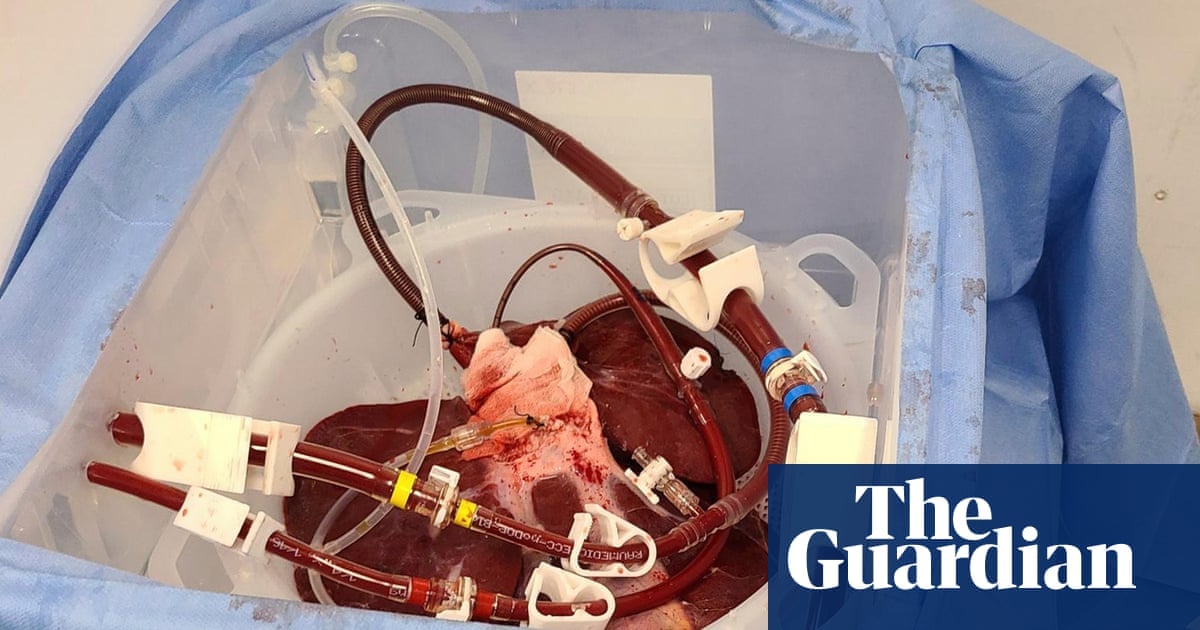
Surgeons at the University of Pennsylvania successfully attached a genetically modified pig liver to a brain-dead human body, allowing it to filter blood externally in a novel experiment aimed at supporting patients with liver failure. This approach, a form of xenotransplantation, could offer hope for the thousands of people on the US waiting list for a liver transplant. The experiment, conducted using advanced genetic techniques, represents a significant step in the ongoing research into animal-to-human organ transplants and the development of liver dialysis-like machines.
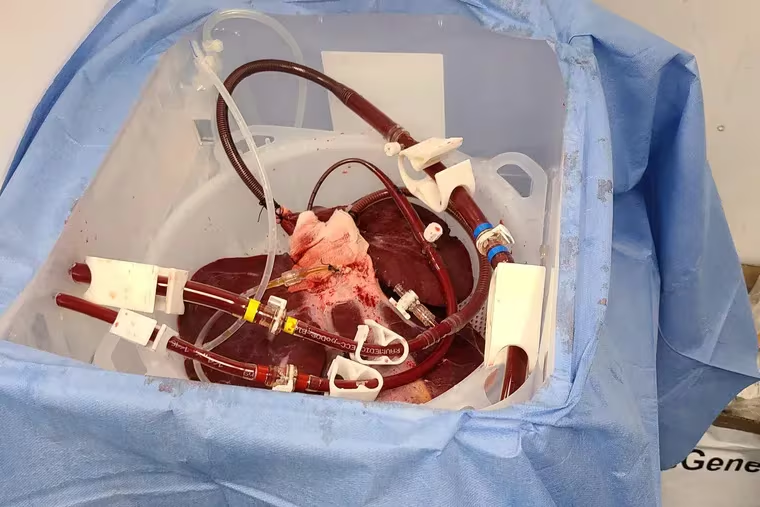
Surgeons at Penn Medicine successfully connected a genetically modified pig liver to the body of a deceased person, demonstrating the potential for using pig organs in human patients. The procedure, using CRISPR-edited pig liver, aimed to show that the organ could function without being rejected by the immune system. This breakthrough could serve as a bridge to recovery for patients awaiting human donor organs and may help alleviate the chronic shortage of donated human organs. The success of this initial test paves the way for further research and potential future use of pig organs in human transplantation.
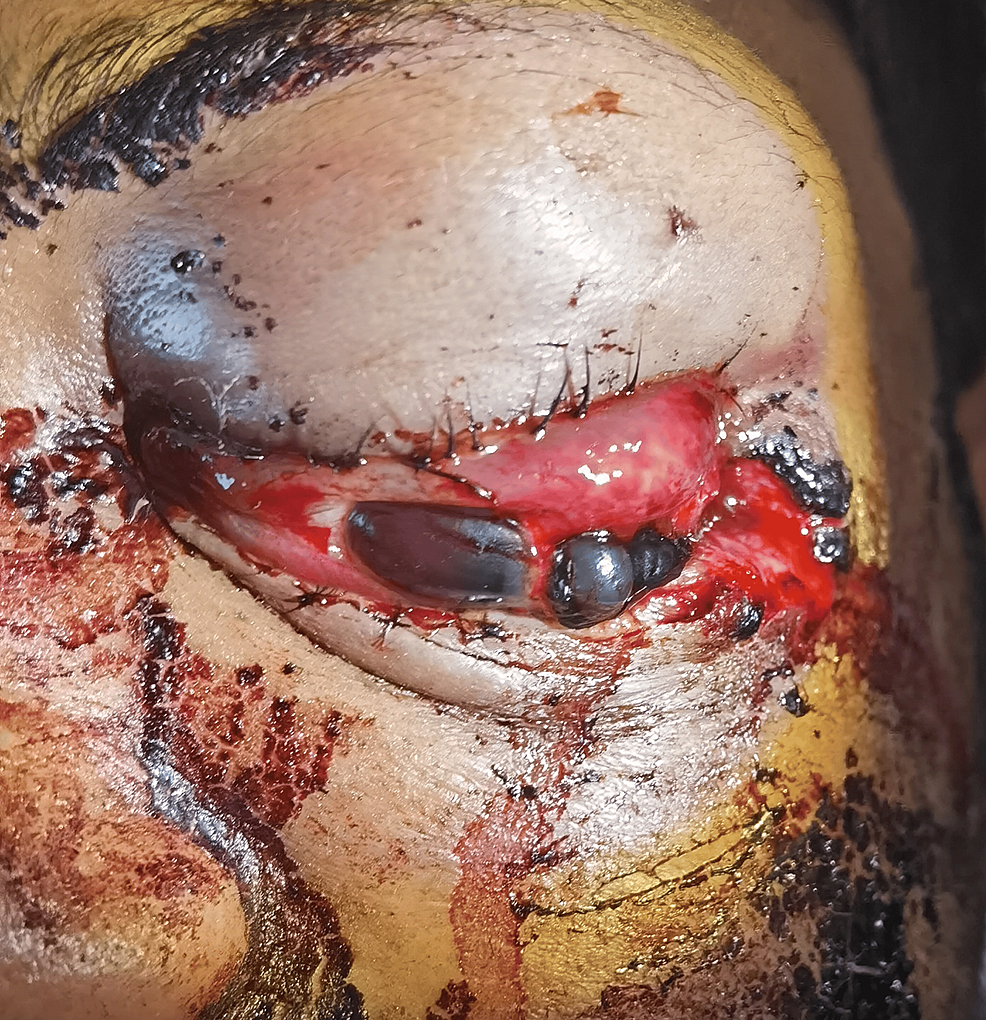
The article discusses a medical case where a man accidentally shot himself in the head with a nail gun, resulting in a nail being lodged in his brain. Despite the potentially fatal injury, the man remained conscious and was able to speak coherently. The incident prompted medical professionals to study the case and publish their findings, offering insights into the brain's remarkable ability to adapt and recover from traumatic injuries. Additionally, the article offers a free PDF download related to the case, with the caveat of agreeing to be added to a monthly email newsletter distribution list.
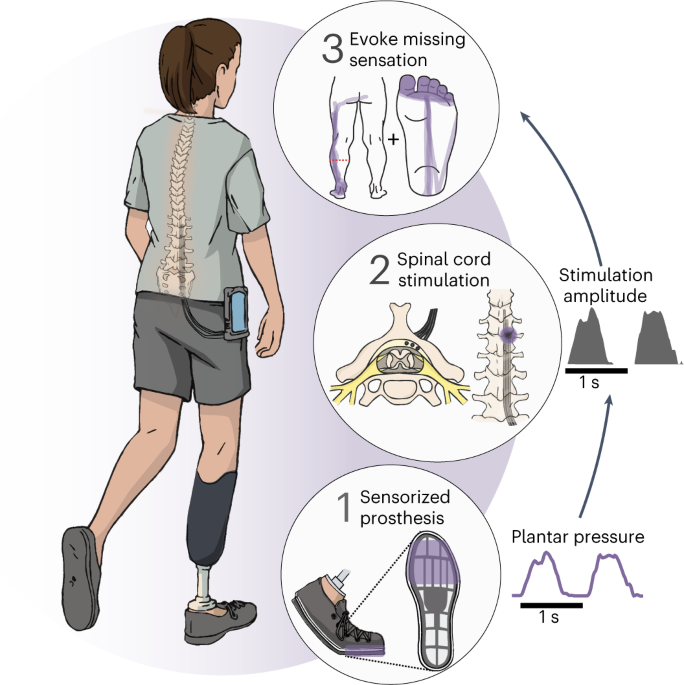
Researchers have demonstrated the successful restoration of sensory feedback from the foot and reduction of phantom limb pain in individuals with lower-limb amputations through closed-loop spinal cord stimulation. By stimulating the spinal cord in response to pressure sensors on the sole of the foot, the study participants were able to perceive sensations in their missing limb and experience relief from phantom limb pain. This breakthrough could significantly improve the quality of life for amputees and pave the way for the development of more advanced neuroprosthetic devices.
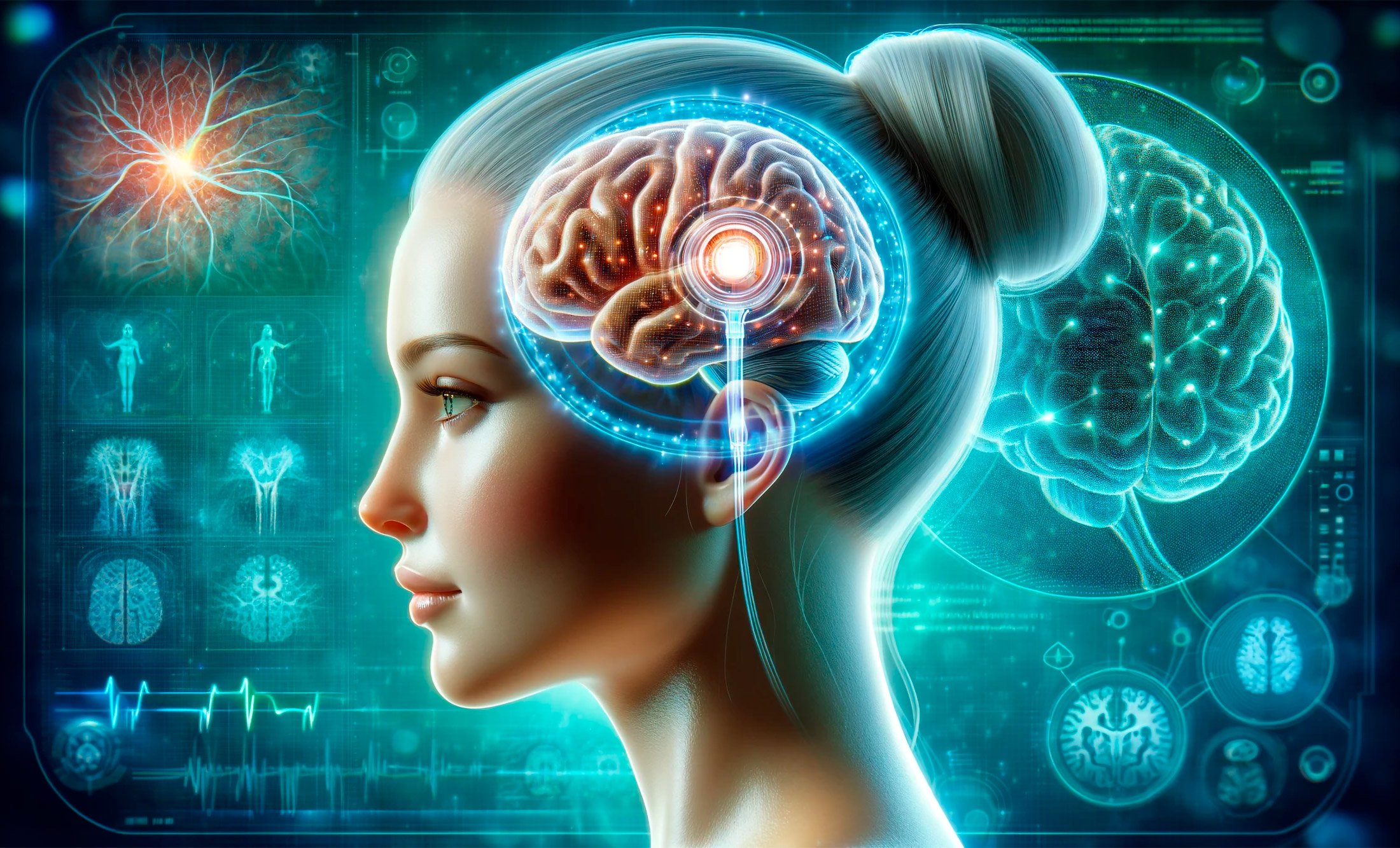
A clinical trial conducted by Stanford Medicine using deep-brain stimulation has shown promising results in restoring cognitive functions and improving daily life activities for individuals with moderate to severe brain injuries. The technique, tailored to each patient, exceeded expectations and is the first to offer hope for long-lasting impairments caused by traumatic brain injuries. The trial involved five participants who experienced significant improvements in cognitive abilities after the implantation of a device that stimulated specific brain networks. The success of the trial highlights a breakthrough in brain injury treatment and paves the way for further advancements in this field.
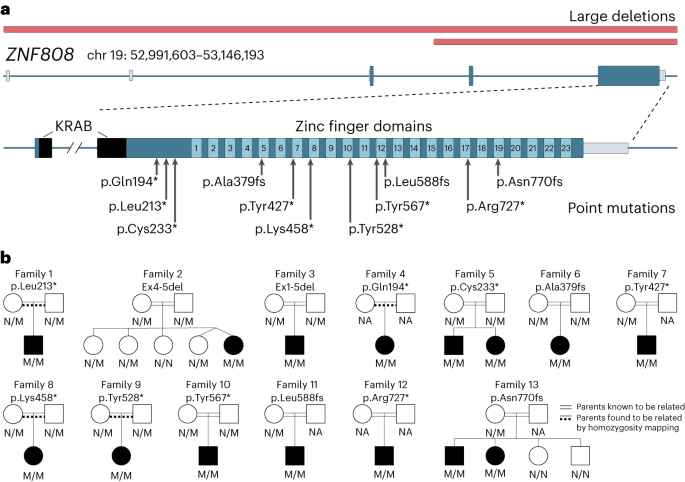
Researchers have identified the primate-specific gene ZNF808 as a crucial factor in pancreatic development in humans. Loss-of-function variants in ZNF808 were found to cause pancreatic agenesis, a rare congenital condition characterized by improper pancreas development. The study revealed that ZNF808 plays a role in repressing primate-specific transposable elements during early pancreas development, preventing the induction of genes associated with liver identity. This research highlights the unique mechanisms involved in human organ development and the contribution of primate-specific regions of the genome to congenital developmental diseases.
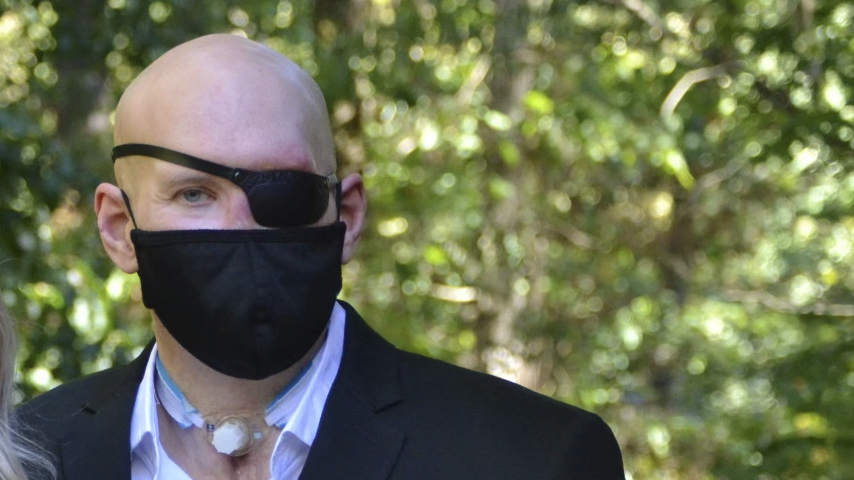
Surgeons at NYU Langone Health have successfully performed the world's first whole eye transplant, along with a face transplant, on a man who suffered extensive facial injuries and lost his left eye due to an accident with high-voltage power lines. While it is too early to determine if the patient will regain vision in his new eye, the transplant has yielded promising results so far, with the donated eye showing good blood flow and no signs of rejection. The surgery provides valuable insights into the healing process of the human eye and may pave the way for future advancements in treating blindness.