Tag

Byzantine Empire

All articles tagged with #byzantine empire

Mljet shipwreck uncovers Mediterranean’s largest gold hoard
world7 days ago

Mljet shipwreck uncovers Mediterranean’s largest gold hoard

Archaeologists excavating off Croatia’s Mljet Island have recovered a late 7th/early 8th‑century shipwreck hoard—the largest gold treasure ever found from a Mediterranean shipwreck—featuring more than 600 grams of gold coins issued by four Heraclian emperors, plus elaborate jewelry with rubies, emeralds and pearls and a golden signet ring, indicating a high‑status passenger. The wreck, studied since 2015 and formally presented July 23 by the Croatian Conservation Institute, provides new insights into Mediterranean sea routes during the Roman‑to‑medieval transition.
536 CE: The Year the Sun Dimmed and Empires Suffered
history19 days ago

536 CE: The Year the Sun Dimmed and Empires Suffered

Harvard researchers, led by archaeologist Michael McCormick, argue 536 CE may be the worst year in history: a dust cloud from volcanic eruptions blocked sunlight for 18 months, plunging much of Europe, the Middle East, and Asia into darkness, causing global cooling and famine, with later eruptions in 540 and 547 deepening the crisis and the Byzantine Empire suffering amid plague and economic strain.

Egypt uncovers Byzantine desert city, revealing daily life of a vanished oasis
world1 month ago

Egypt uncovers Byzantine desert city, revealing daily life of a vanished oasis

Archaeologists revealed a well-preserved Byzantine-era residential city at the Dakhla Oasis and at Marina el-Alamein near Alexandria, including a mid-fourth-century basilica, watchtowers, house-church remains, ovens, tools, and hundreds of artifacts such as bronze and gold coins and octraca inscriptions, offering new insights into daily life and commerce in Byzantine Egypt as the country eyes a tourism revival.

"Metal detectorist uncovers ancient gold coin, baffling experts with its distant origin"
archaeology2 years ago

"Metal detectorist uncovers ancient gold coin, baffling experts with its distant origin"

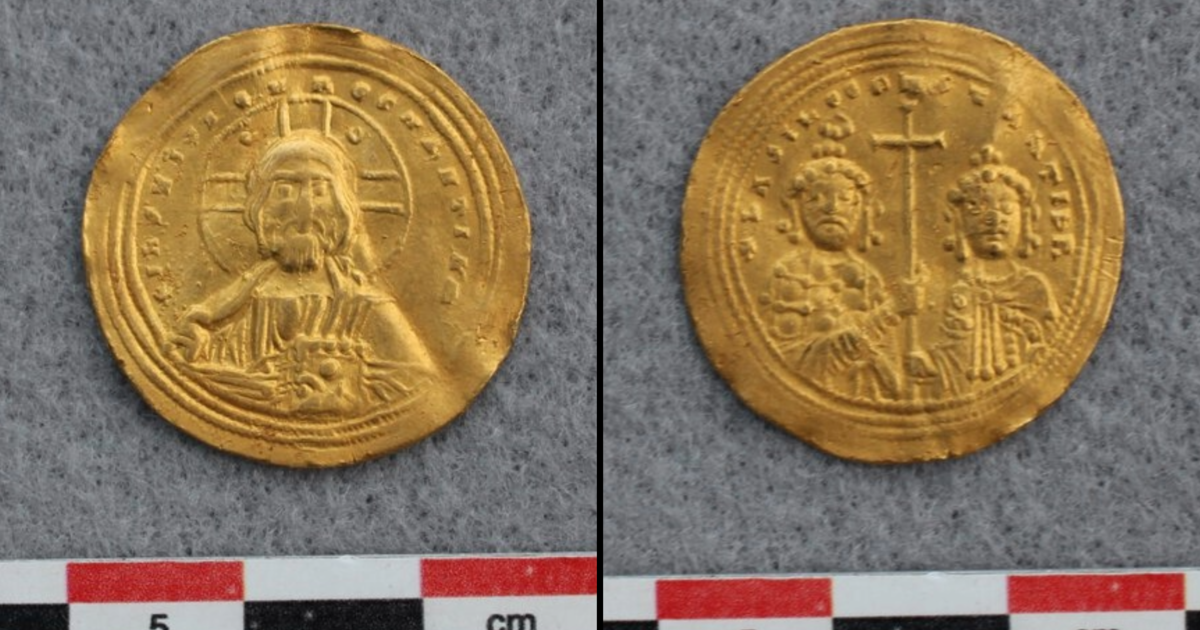
A metal detectorist in Vestre Slidre, Norway, has discovered a "very rare" ancient gold coin believed to have once belonged to an early monarch. The coin, known as a "histamenon nomisma," was introduced in the Byzantine Empire around 960 C.E. and likely minted in Constantinople. Decorated with depictions of Christ, Basil II, and Constantine VIII, the coin is estimated to have been minted between 977 and 1025 C.E. Speculation suggests that the coin may have been acquired by Norwegian king Harald Hardråde during his time as a guard in Constantinople and brought back to Norway. This discovery follows previous findings of gold artifacts in Norway by metal detectorists.

Unraveling the Mystery of the Medieval World's Terrifying Weapon.
history3 years ago

Unraveling the Mystery of the Medieval World's Terrifying Weapon.

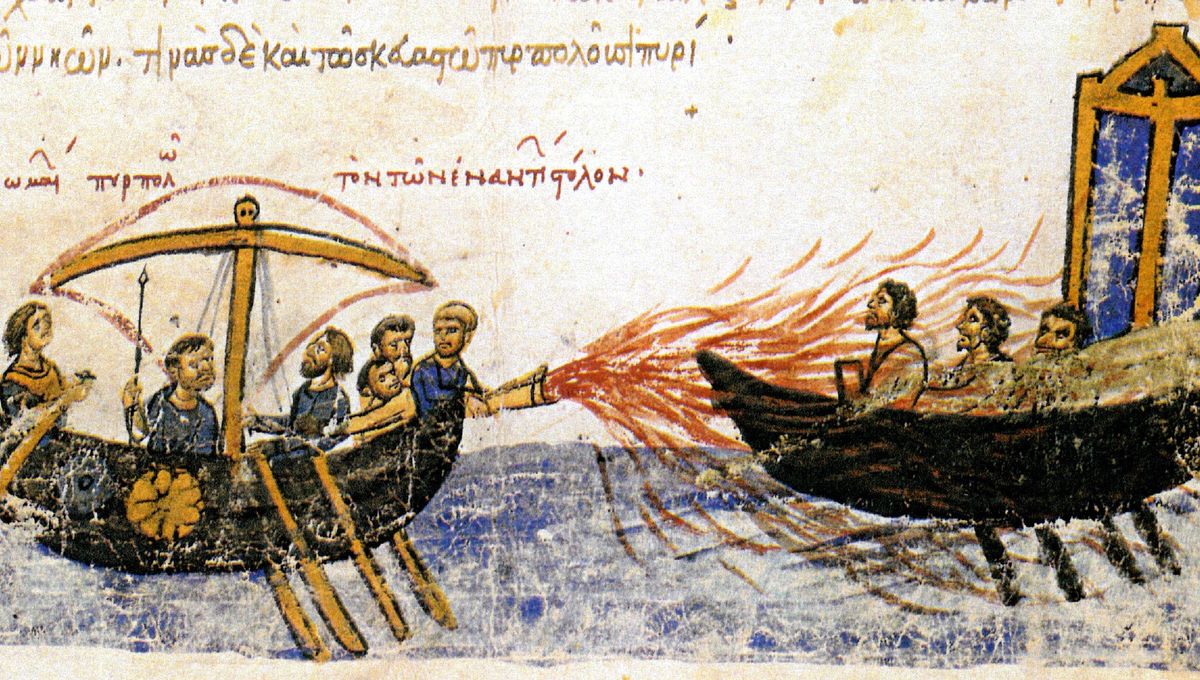
Greek fire, a deadly weapon used by the Byzantine Empire in medieval times, was likely based on a crude or refined type of petroleum mixed with unknown ingredients. It was a closely guarded state secret, with only a few families knowing the formula. The weapon was a system composed of a ship, tube, caldron, and liquid, and its devastating effects could not be recreated without knowledge of how to wield it and build the equipment to pump and store it safely. The Byzantine compartmentalized knowledge of their system, making it difficult to ensure that the secret survived, and the technology was eventually lost.