Tag

Calving

All articles tagged with #calving

Manhattan-Sized Ice Island Calved From Greenland Glacier, Largest Arctic Ice Loss in a Decade
science1 month ago

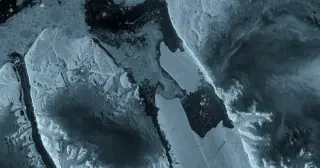
Manhattan-Sized Ice Island Calved From Greenland Glacier, Largest Arctic Ice Loss in a Decade

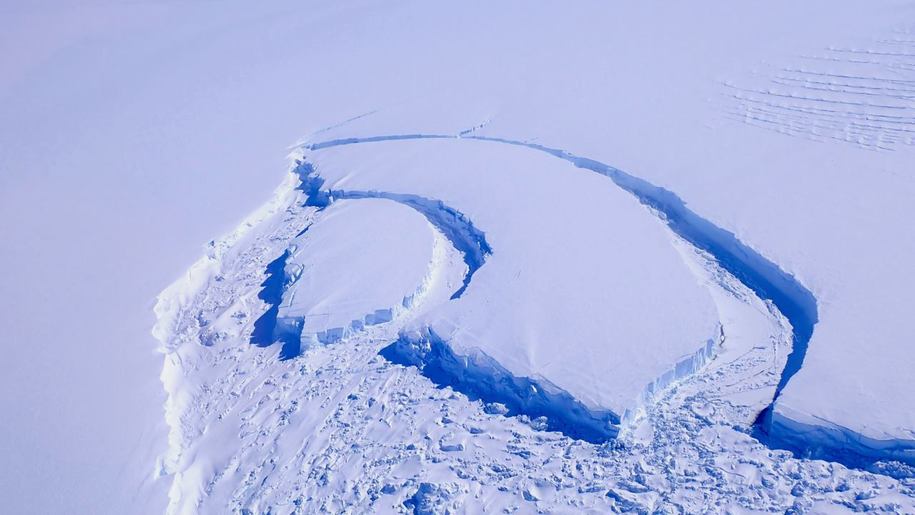
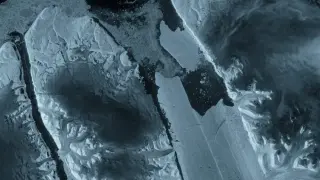
ESA satellite imagery shows a 29-square-mile section of Petermann Glacier’s floating ice tongue broke away on Aug. 4, 2026, forming a Manhattan-sized iceberg up to 492 feet thick—the largest floating-ice loss at the glacier since 2012. The event signals ongoing Arctic ice change linked to warming, with potential further detachments and implications for glacier dynamics, sea-level rise, and shipping routes as researchers monitor the evolving calving and its wider ocean effects.

Gigantic Greenland Iceberg Capsizes in Ilulissat Timelapse
science1 month ago

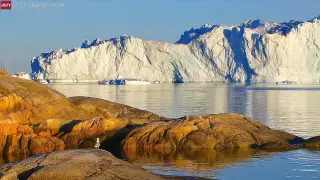
Gigantic Greenland Iceberg Capsizes in Ilulissat Timelapse

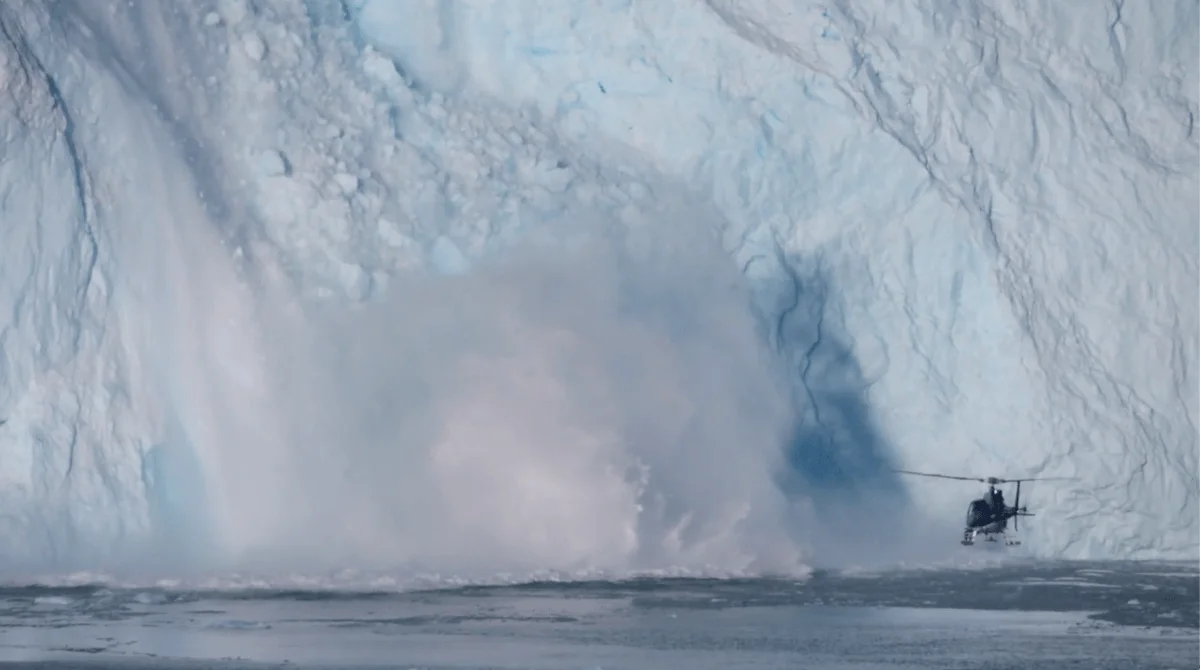
A stunning hour-long timelapse captured by Afar TV shows a colossal iceberg near Ilulissat, Greenland, breaking away and flipping over beside the UNESCO Ilulissat Icefjord. As chunks detach, shifts in weight and buoyancy move the iceberg’s center of gravity, causing a rapid capsize that displaces water and can generate local waves, illustrating how icebergs become unstable and rotate when balance is disrupted.

Arctic ice island forms as Greenland’s Petermann Glacier calves, tracked by Sentinel-1
environment1 month ago

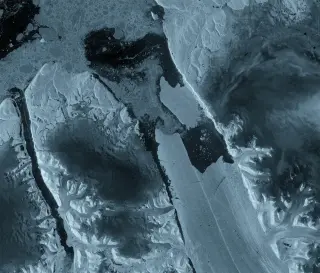
Arctic ice island forms as Greenland’s Petermann Glacier calves, tracked by Sentinel-1

Sentinel-1 radar imagery captured a 76 sq km section of Petermann Glacier’s floating ice tongue detaching on 4 August 2026, forming a Manhattan-sized ice island up to 150 metres thick—the Arctic’s largest calving event since 2020. The researchers warn two additional large detachments (≈97 and 87 sq km) could follow as fractures propagate. The one-day repeat radar data enabled near‑real‑time monitoring, underscoring the value of Copernicus Sentinel-1 for tracking glacier dynamics and potential impacts on shipping and the Arctic environment.

Manhattan-Sized Ice Island Emerges from Greenland Glacier Break
science1 month ago

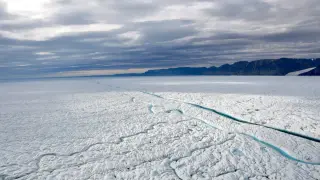
Manhattan-Sized Ice Island Emerges from Greenland Glacier Break

A massive iceberg broke off Greenland’s Petermann Glacier, forming an ice island up to 492 feet thick and about 29.5 square miles (76.4 sq km) in surface area—roughly the size of Manhattan—marking the glacier’s largest loss of floating ice since 2012, with two more calving events anticipated as scientists monitor the drifting ice islands and assess risks to ships and offshore infrastructure.

Tasmanian births extend humpback calving zone by 1,500 km
science3 months ago

Tasmanian births extend humpback calving zone by 1,500 km

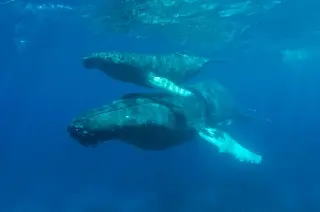
A 2025 UNSW-led Frontiers in Marine Science study analyzed neonate humpback calves across Australia and New Zealand, finding newborns well south of the previously accepted calving limit—up to 43°S in Tasmania—extending the observed calving area by about 1,500 km and showing some mothers birth during migration and continue north with their calves. This challenges the tidy model of migration with a fixed birth zone, has conservation implications due to exposure to ships and fishing along the extended route, and calls for further research on how often mid‑migration births occur and calf survival compared with births in traditional warmer grounds.

Female Caribou Chew Shed Antlers to Stock Mineral Pantry for Calves
science7 months ago

Female Caribou Chew Shed Antlers to Stock Mineral Pantry for Calves

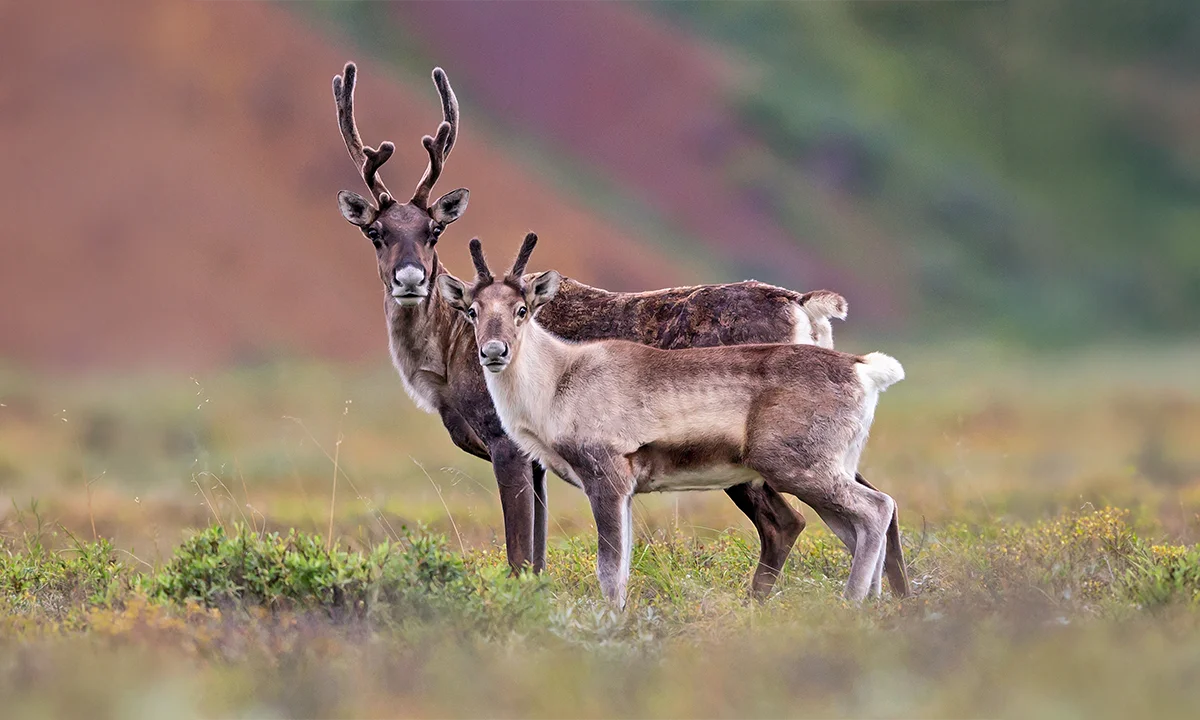
A Nautilus study of shed caribou antlers and bones from Alaska’s Arctic National Wildlife Refuge found that about 86% of the 1,567 shed antlers bore gnaw marks, mostly by caribou themselves, while 44% of bones showed gnaw marks by carnivores or rodents. The researchers conclude that female caribou chew antlers to access minerals such as calcium and phosphorus to support pregnancy, nursing, and the winter, effectively seeding essential nutrients at calving grounds and across their migratory landscape.