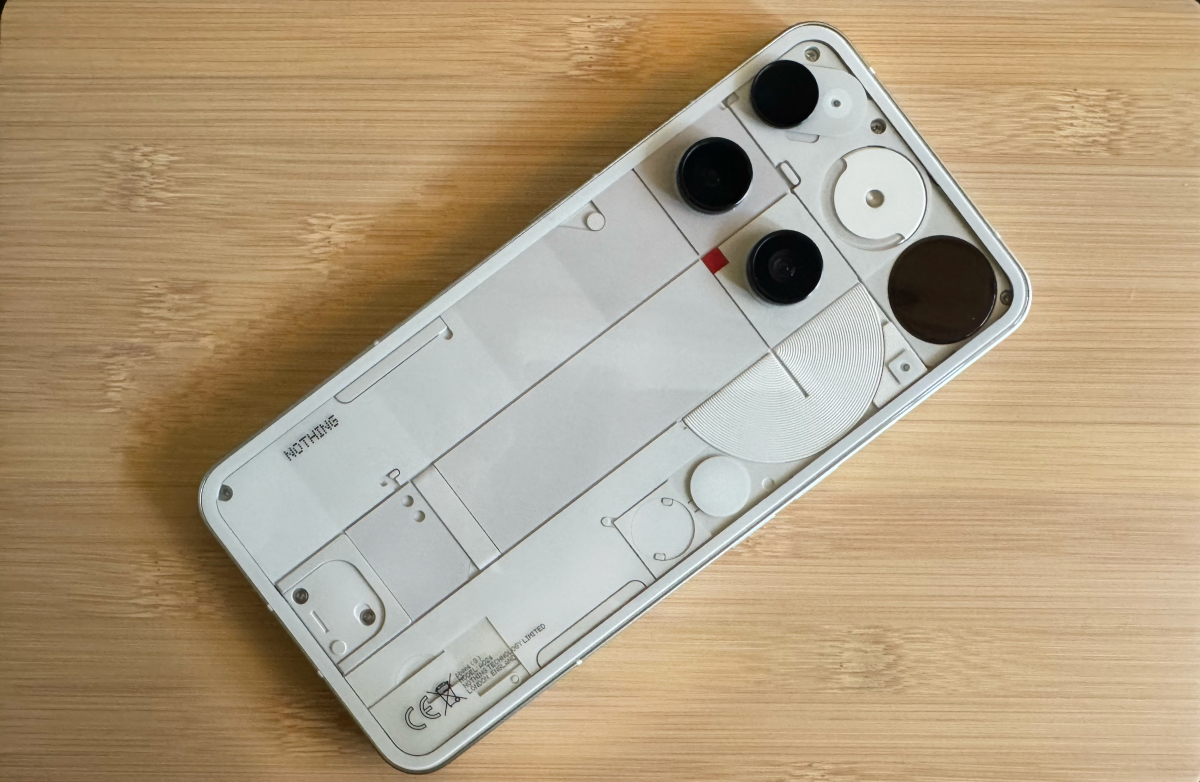
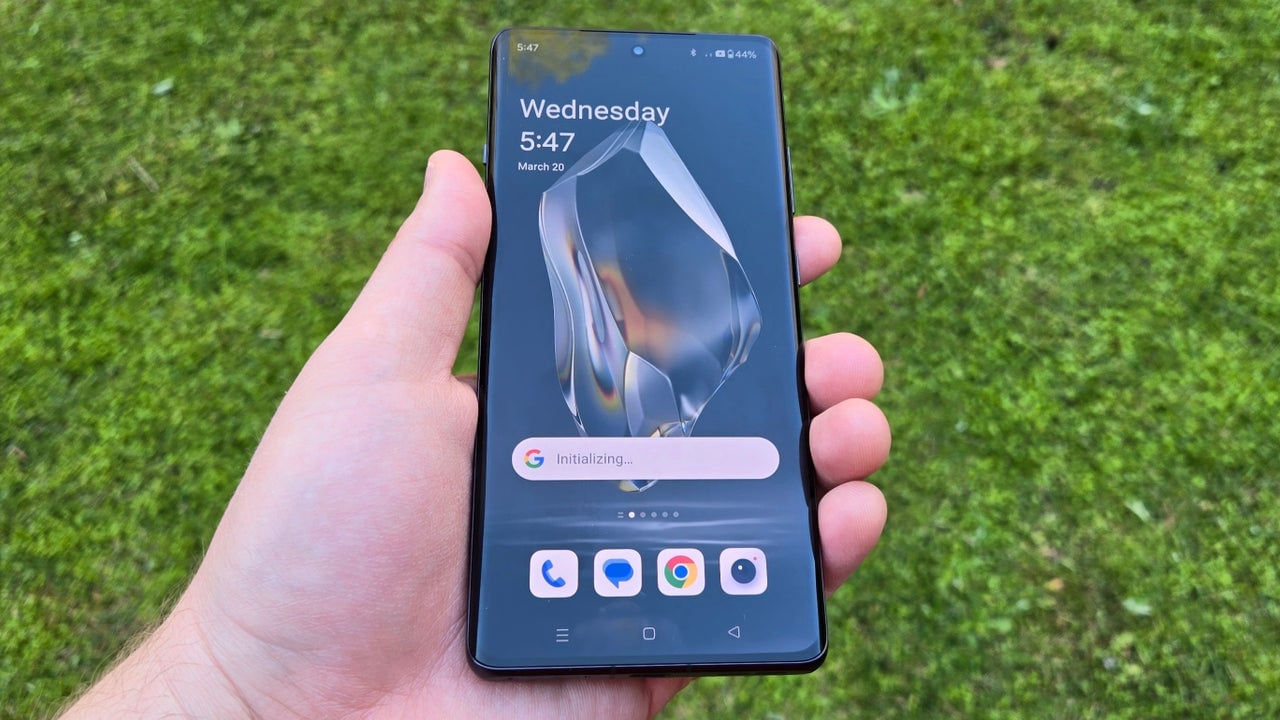
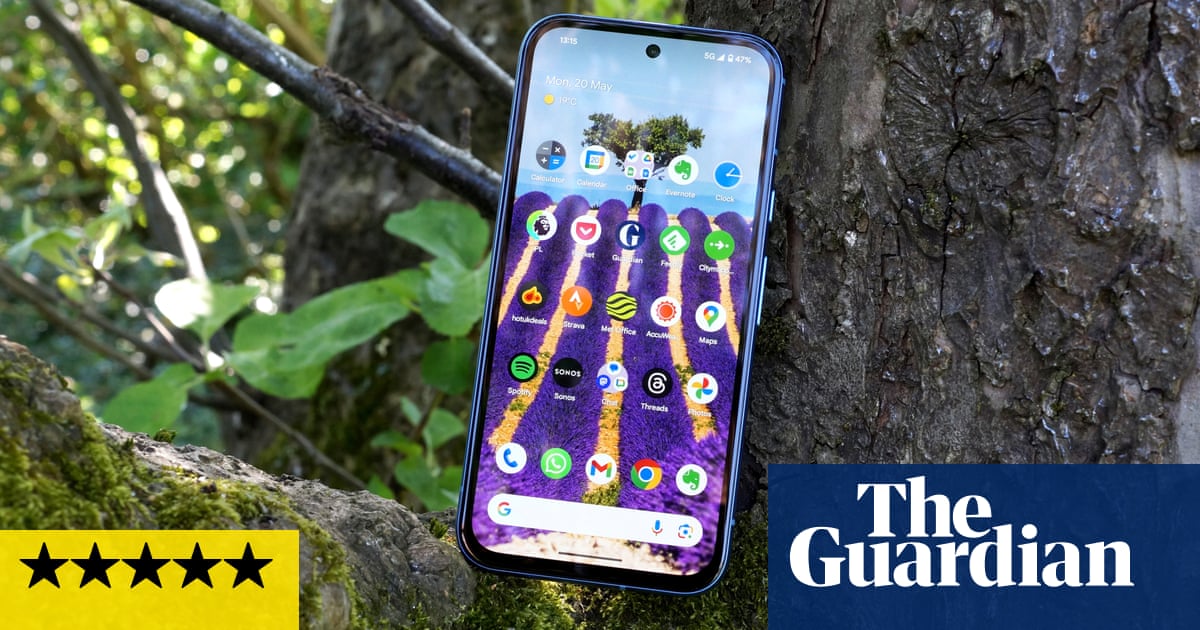
The Nothing Phone (4b) offers a 120Hz AMOLED display, Glyph Bar, and exceptional battery life at 329 euros, but suffers from limited 128GB storage, a weak camera, and slow Wi-Fi.
CNET’s live review of the Trump Mobile T1 finds a stock Android 15 phone with minimal bloat and two preinstalled apps (Truth Social and Doctegrity). It ships with a 6.78-inch AMOLED display, a 5,000 mAh battery and 30W charging, and an 8-core chip that benchmarks place in the midrange tier, performing behind newer rivals like Pixel 10A, iPhone 17E and Galaxy S25 FE. Real-world use is adequate for everyday tasks, but camera colors appear oversaturated and not always true-to-life, and software update longevity remains unclear. The box includes a case and charger; quirks noted include a gold shade some may dislike and a back flag with 11 stripes instead of 13.
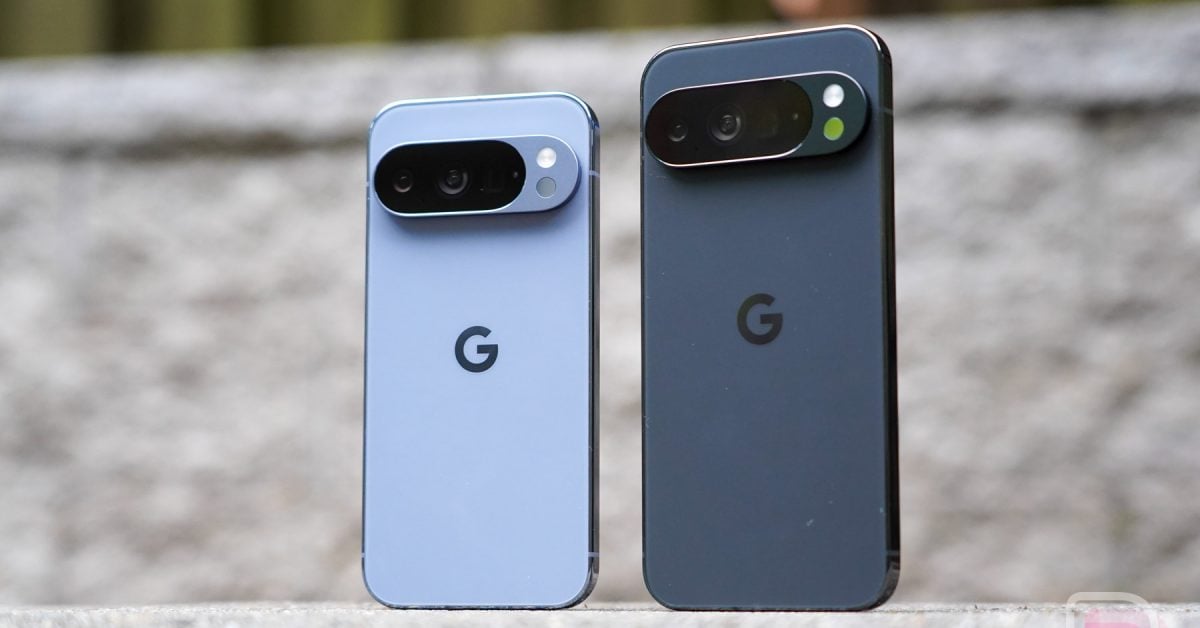
After a month of use, Pixel 10 owners have mixed feelings, with praise for its camera and some praise for battery life, but significant complaints about battery performance, connectivity issues, lag, and hardware problems leading some to consider returning the device.
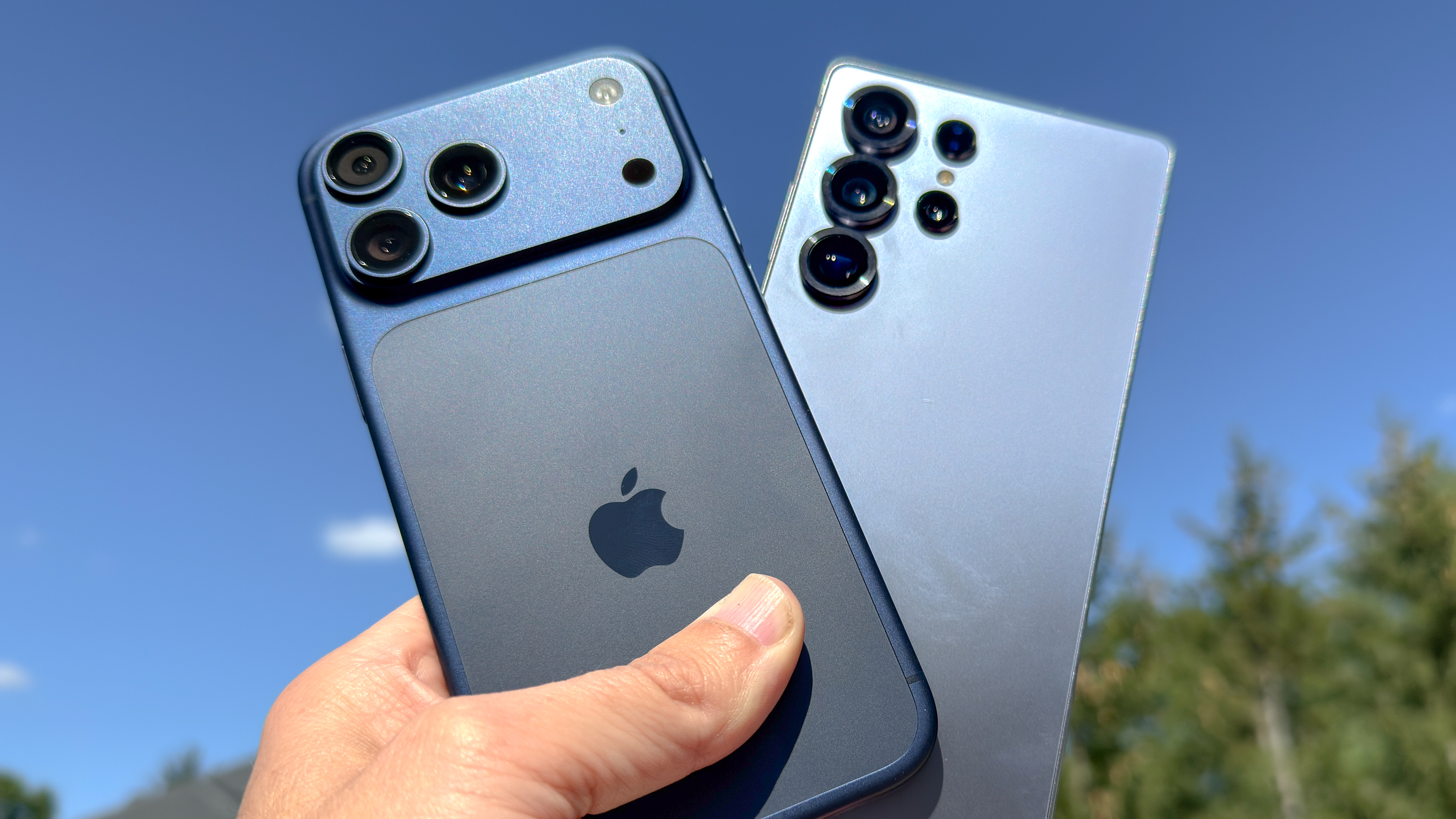
The iPhone 17 Pro Max outperforms the Galaxy S25 Ultra in design, display brightness, processing power, and battery life, making it the overall winner in this flagship face-off, despite the Galaxy's superior camera modes and software features.
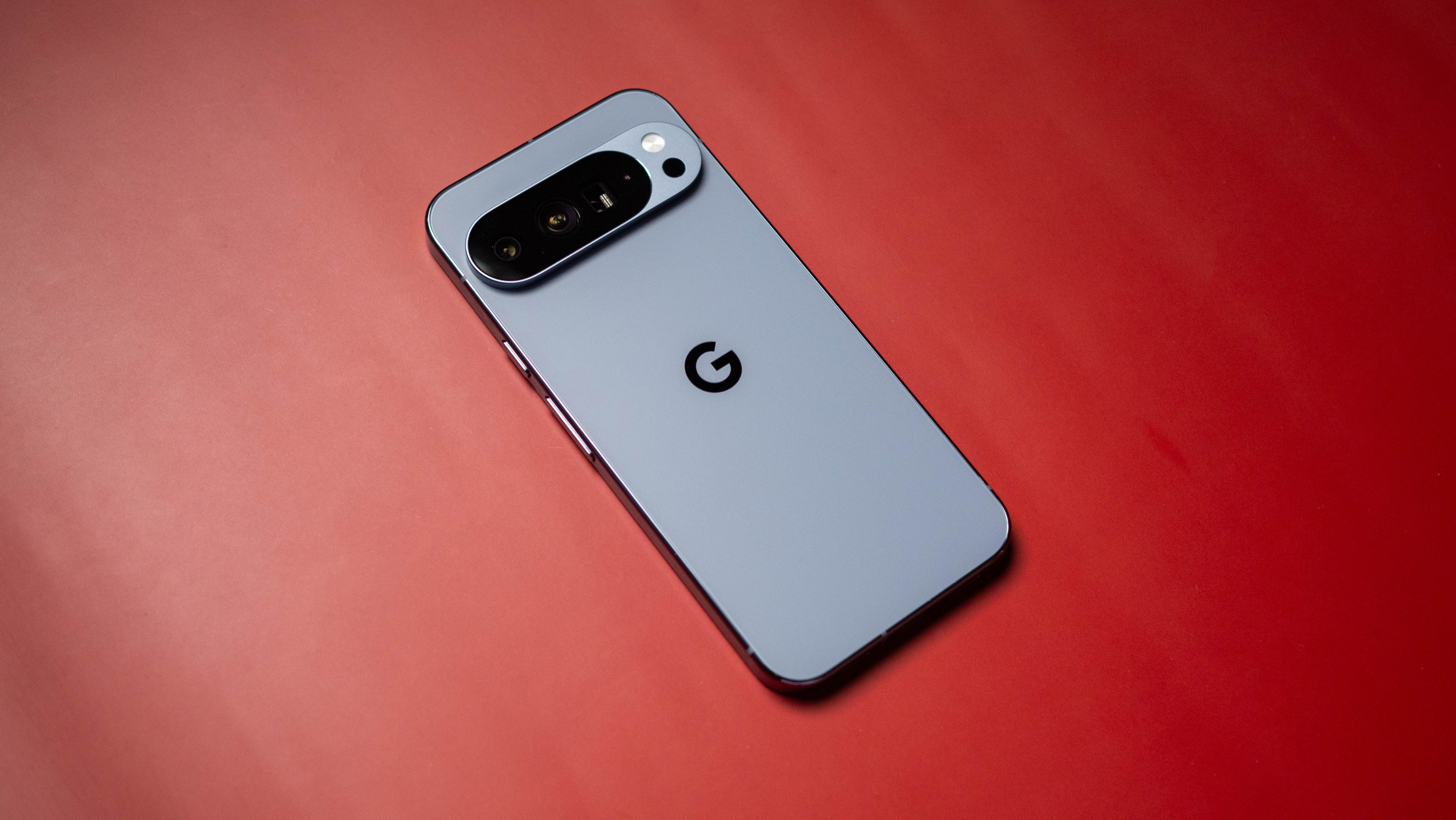
The Pixel 10 Pro XL is a significant upgrade for Google's flagship line, featuring a refined design, a brighter OLED display, the new Tensor G5 chip with better gaming and thermal performance, native Qi 2 wireless charging, increased storage options, and improved cameras, making it a compelling choice despite some limitations like battery life and charging speed.
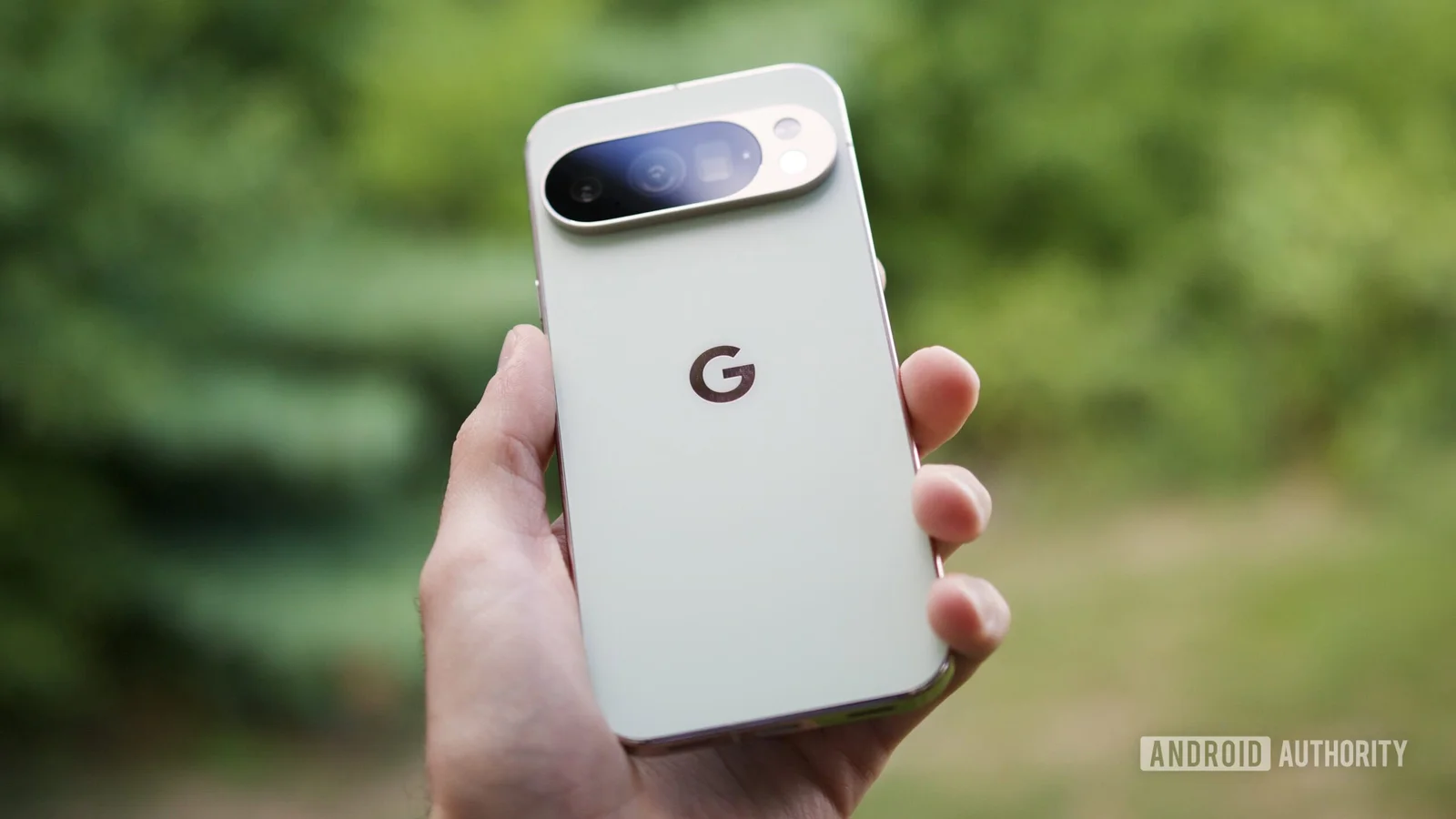
The article recommends five alternative Android phones to the Google Pixel 10 Pro, including the Pixel 9 Pro, Pixel 10, Samsung Galaxy S25, Motorola Razr Ultra, and OnePlus 13, highlighting their features, performance, and value propositions for different user preferences.
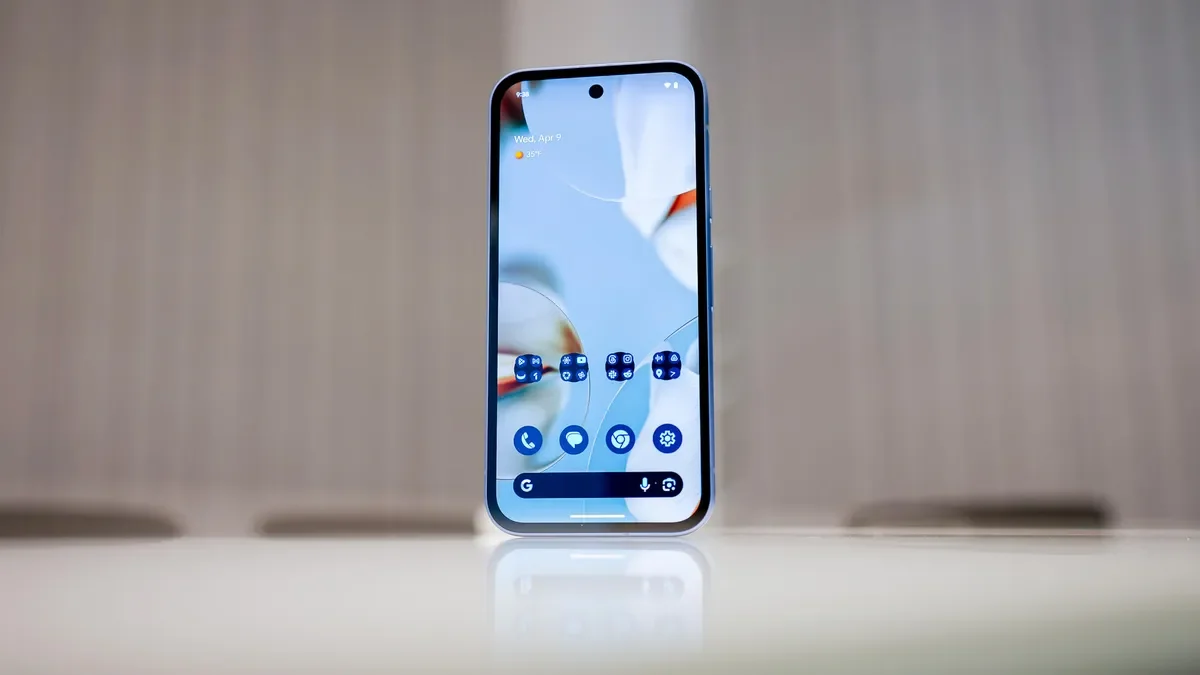
The Google Pixel 9a is a competitively priced midrange smartphone offering a new Tensor G4 chip, improved camera, larger battery, and AI features, making it a strong value choice despite some trade-offs like lack of telephoto lens and slower charging. It excels in display brightness, battery endurance, and overall performance, making it a recommended buy for budget-conscious consumers seeking long-term software support and reliable features, especially in a market with upcoming flagship releases.
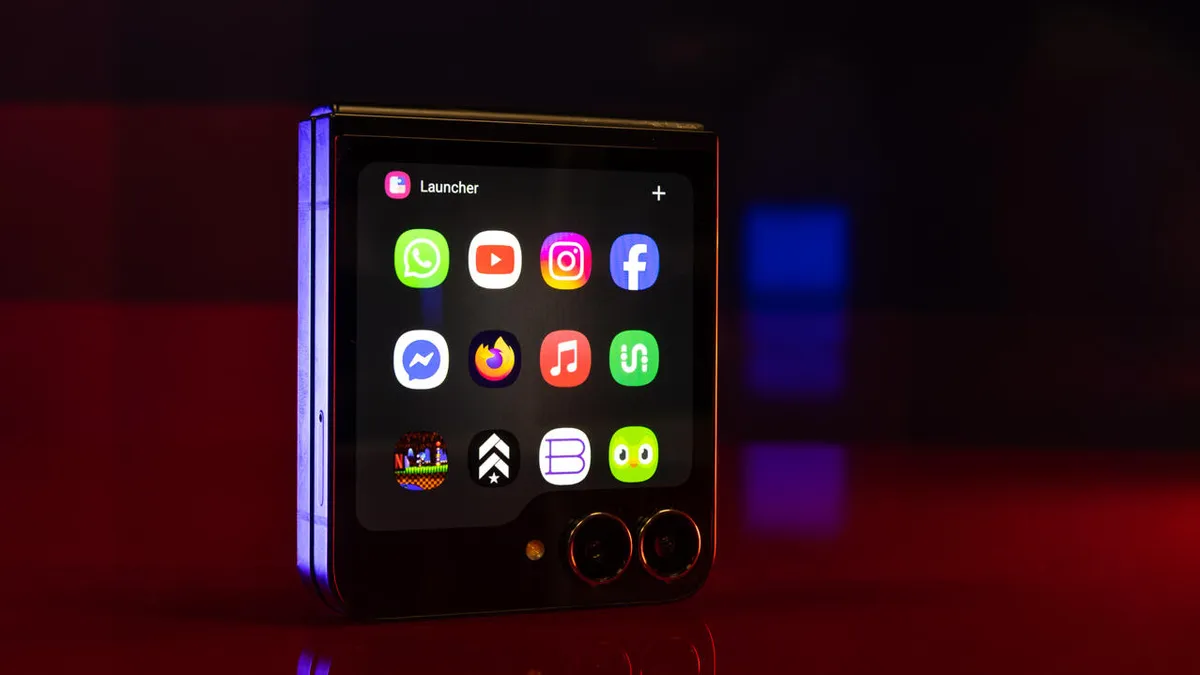
The Samsung Galaxy Z Flip 7 FE is a foldable smartphone priced under $900 that offers a similar design to its predecessor with notable improvements in software and photography, but it has some drawbacks like fingerprint magnetism, warmth during use, and average battery life. It performs well in benchmarks and low-light photography, especially when discounted to around $700, making it a compelling choice over competitors like Motorola's Razr, though it feels somewhat overpriced without discounts.
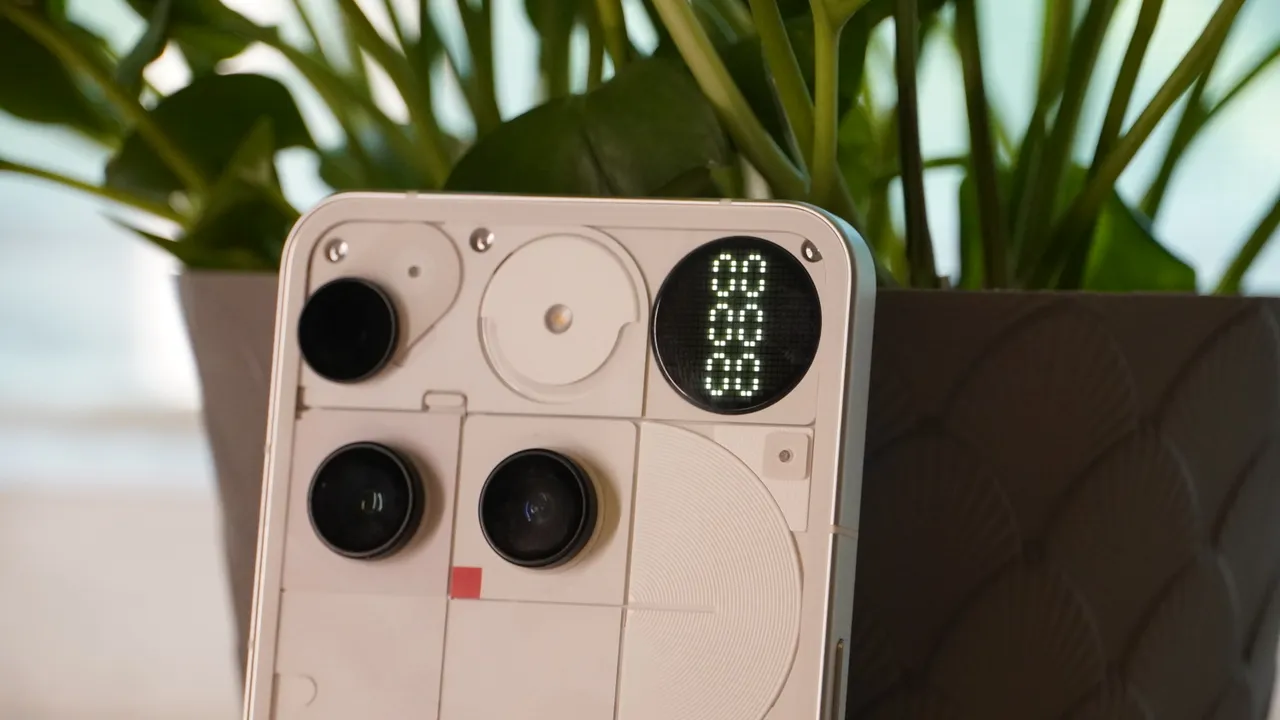
The Nothing Phone 3 is a competitively priced flagship with a unique design, featuring a transparent back, Glyph Matrix display, and solid hardware including a Snapdragon 8s Gen 4 chip, a 6.67-inch AMOLED display, and a versatile camera system. It offers good performance, a durable build, and a clean Android experience with long-term updates, but faces some concerns like moisture buildup inside the camera lenses and limited USB-C transfer speeds.
The Samsung Galaxy S25 Edge is an ultra-thin flagship with a 6.7-inch display, but its pursuit of thinness results in compromises like reduced camera features, thermal throttling under heavy load, and a smaller battery, making it less impressive overall despite its sleek design and high-end hardware.
The Nothing Phone (3) is a visually distinctive flagship-level smartphone priced at $799, featuring a transparent design, a second screen, and AI-powered features. While it offers solid hardware, including a Snapdragon 8s Gen 4 processor and a triple 50MP camera setup, its camera quality and utility of the second screen are mixed. The device aims to compete as a premium alternative to Samsung and Apple, especially in markets like the US and Canada, but faces challenges with high pricing and mixed reactions to its design.
The iQOO 13 smartphone offers significant upgrades, including a larger and brighter AMOLED display, the latest Qualcomm hardware, and a massive 6,150mAh battery with 120W charging, making it a gaming powerhouse. Priced at $630, it provides excellent value with standout performance, long battery life, and improved cameras, although they don't match the best flagships. The phone also promises four Android OS updates and features IP68/IP69 protection. Despite limited global availability and lacking a 3x zoom, the iQOO 13 is a compelling choice for those seeking flagship quality without a high price tag.
The OnePlus 12R offers impressive features for its $500 price, including a premium design, vibrant display, and strong battery life. It uses last year's Snapdragon 8 Gen 2 processor, making it capable for gaming and everyday tasks. However, it has some drawbacks like a curved display, limited water resistance, and lack of wireless charging. The camera performs well in daylight and low-light conditions, but zoom and macro capabilities are limited. Overall, it's a strong mid-range option with a few compromises.
The Google Pixel 8a, priced at £499, brings high-end features to the mid-range market, including a top-tier Tensor G3 chip, a 6.1-inch 120Hz OLED screen, and a class-leading camera system. It offers seven years of software support and advanced AI tools, making it a standout in its category despite some compromises like a plastic back and average battery life.
OnePlus is rolling out the Oxygen OS 14.0.0.602 update for OnePlus 12 users in India, bringing improvements to system stability, phone connection, and camera performance, including better image quality and color accuracy. The update also enables users to unlock their device even when the display is off, and it comes with the February security patch.