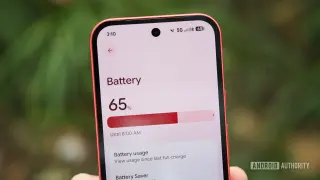
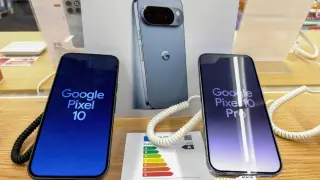
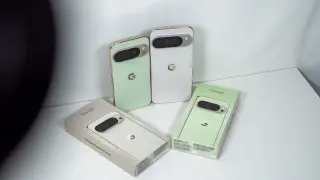
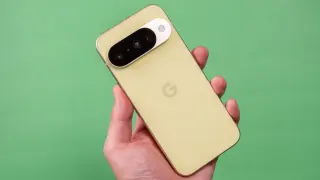
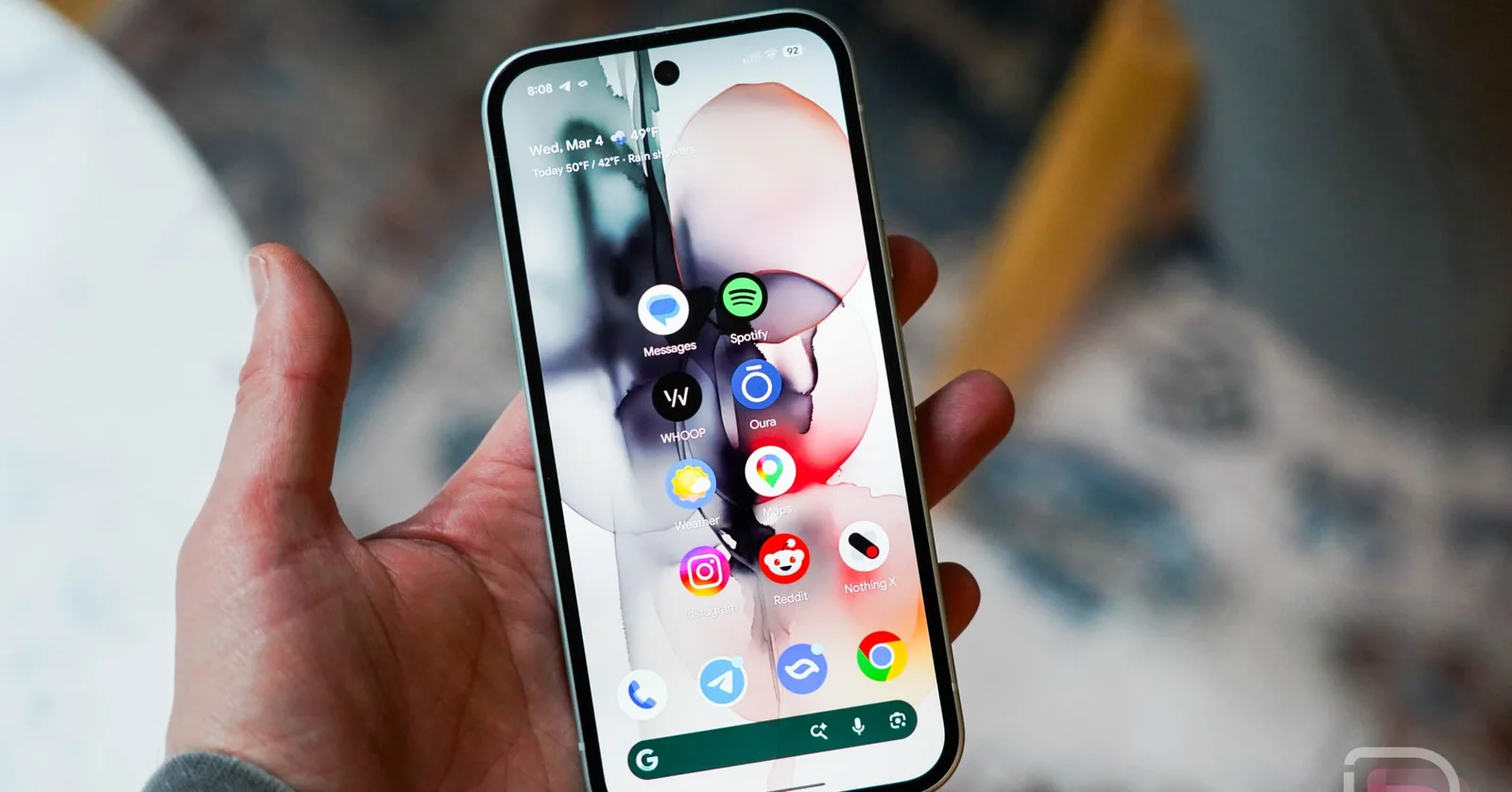
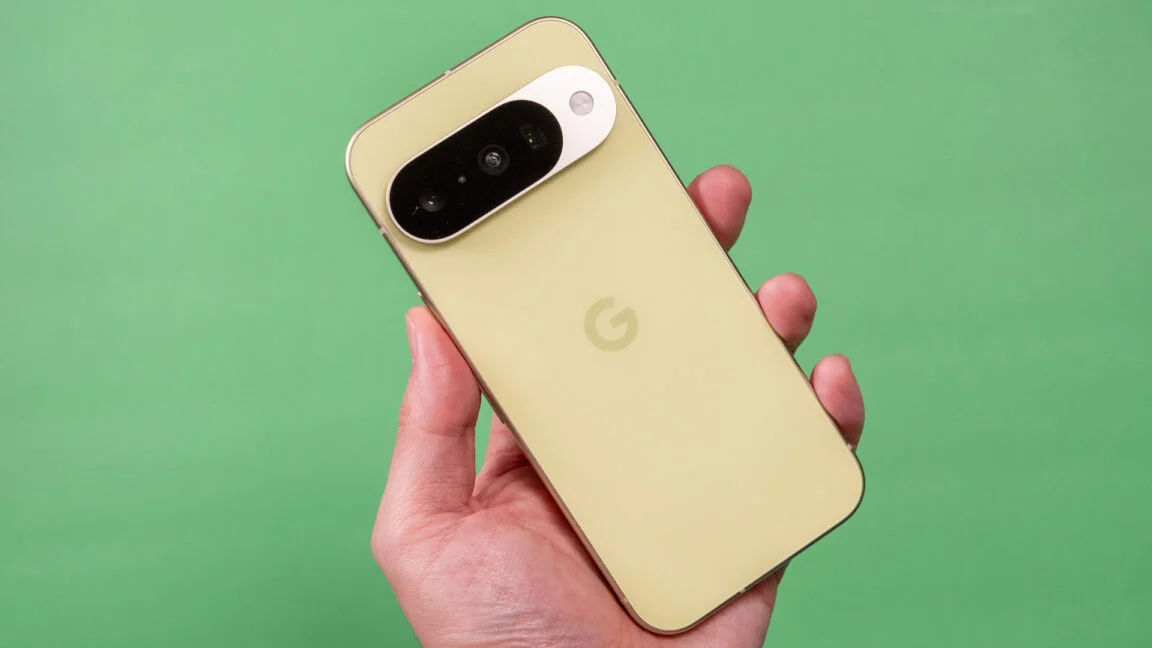
Google is rolling out Battery Usage Summaries to Pixel 10 and newer devices, offering a simpler view of battery drain by highlighting the apps and background activity that consume the most power; the summaries are generated on-device (Gemini Nano) and the rollout is confirmed via the Pixel support page.
Google's August Pixel update for Android 17 is rolling out, bringing bug fixes to Pixel 10-series devices and a high-severity security patch. The global update arrives as CP2A.260805.005 (Rogers Canada variants CP2A.260805.005.A1). Eligible devices include Pixel 8/8 Pro/8a, Pixel 9 family, and Pixel 10 family, while Pixel 6/7 aren’t listed for this update and some Rogers Pixel 8-series units may be excluded.
The Pixel 10, while improved with a triple-camera setup, isn’t the top camera phone. Four rivals offer stronger photography and video capabilities: Google’s own Pixel 10 Pro/Pro XL with larger sensors and better lenses; the iPhone 17 Pro with ProRes RAW and 4K/120fps video; the Oppo Find X9 Ultra with a quad camera and 8K video (though not sold in the U.S. and priced around $2,000); and the Samsung Galaxy S26 Ultra with high‑resolution sensors, 8K video, and Horizon Lock—though price and availability vary, with Pixel 10 starting around $599 and rivals typically higher.
With Prime Day over, lingering discounts keep the Galaxy S26 line and Pixel 10 series discounted: the S26 Ultra starts under $1,000 (256GB) with a $200 upgrade to 512GB, the S26+ and S26 follow with savings across storage options, the S25 FE remains cheaper but less competitive, and Pixel 10 Pro/XL are about $300 off while Pixel 10 and 10a offer mid-range savings; compare these against the Galaxy S25 FE and S26 to gauge value.
Prime Day 2026 brings deep discounts on Google Pixel devices, including the Pixel 10 lineup, Pixel Watch 4, and Pixel Buds Pro 2, with Pixel 10 128GB down to $549, Pixel 10 Pro 128GB to $684, Pixel 10 Pro XL 256GB to $889, Pixel 10a 128GB to $399, Pixel 10 Pro Fold 256GB to $1,399, Pixel Watch 4 45mm to $319.99, and Pixel Buds Pro 2 to $169. Most offers require Amazon Prime and are time-limited.
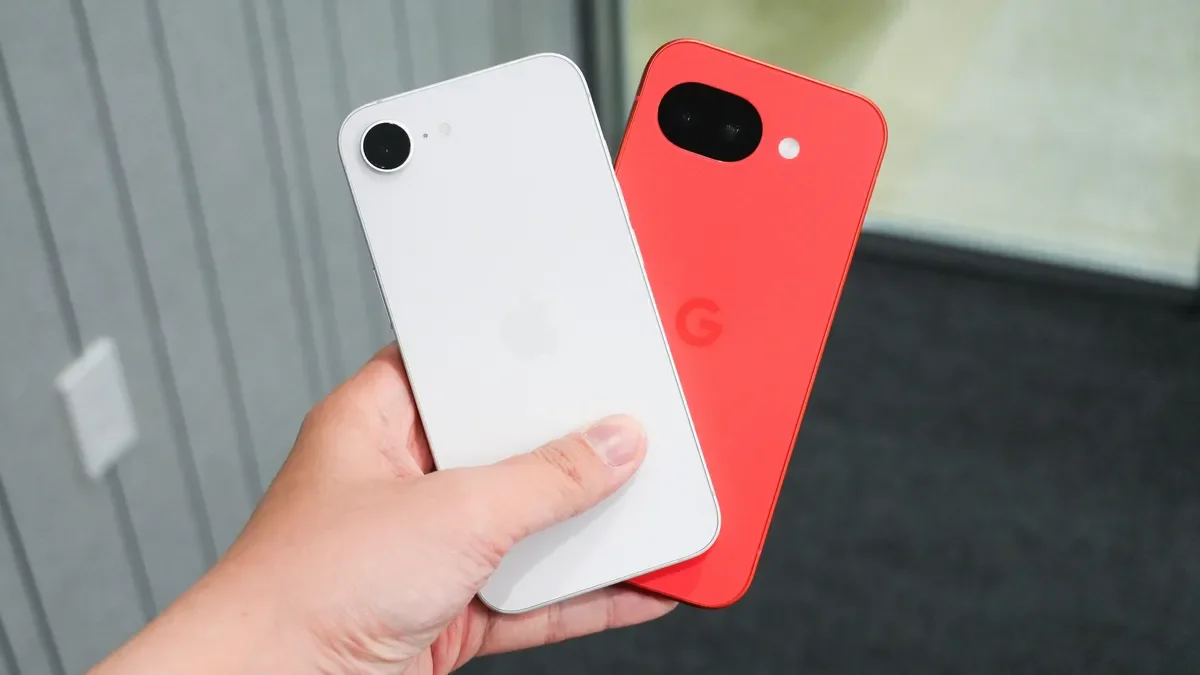
Google’s Pixel 10 series splits hardware by region: US models ditch the physical SIM slot in favor of eSIM to accommodate mmWave 5G components, while international versions retain a SIM tray because they don’t require mmWave. Google cites that about 70% of US Pixel owners already use eSIM, and the cleaner design without a SIM slot or mmWave antenna cutout also frees space for a larger battery or other features.
Google is rolling out its May 2026 security update for Pixel devices from the Pixel 7a to the Pixel 10 (including the Pixel Tablet). The update targets a slow wireless charging issue that occurs around 75–80% battery, and persistent display problems on the Pixel 10 series (flickering/freezing), along with a camera issue where recording and zoom could freeze. It also includes a framework fix for the Pixel keyboard. The patch, labeled vCP1A.260505.005, is a bite-sized rollout that will continue over time.
Google has grafted a Rust-based component into the Pixel 10 modem to enforce memory safety and harden DNS parsing, reducing remote-code-execution risk in legacy C/C++ modem firmware without a full rewrite.
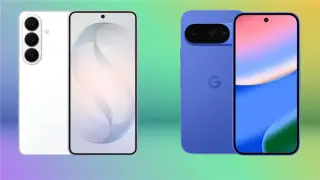
Samsung’s Galaxy S26 and Google’s Pixel 10 both pack 6.3-inch, 120Hz displays and IP68 durability, but the S26 nudges ahead with a lighter design, stronger processor, and larger base storage for $899, while the Pixel 10 undercuts by $100 with 128GB of base storage, gains a brighter outdoor display (3,000 nits) and a 5x telephoto, plus built-in magnets for accessories. Both run Android 16 with seven years of OS/security updates and offer contrasting software experiences (One UI vs Pixel UI). The choice comes down to storage needs and which software ecosystem you prefer.
The Verge critiques Google's two Pixel 10 ads, including the spots labeled With 100x Zoom and Moving on, calling them confusing and unsettling. The first ad appears to praise fake views via simulated visuals and mentions that additional hardware was used, while the second imagines a jilted phone with an AI-inflected voice, prompting questions about ad intent and ethics for Pixel 10 Pro and 10 Pro XL.
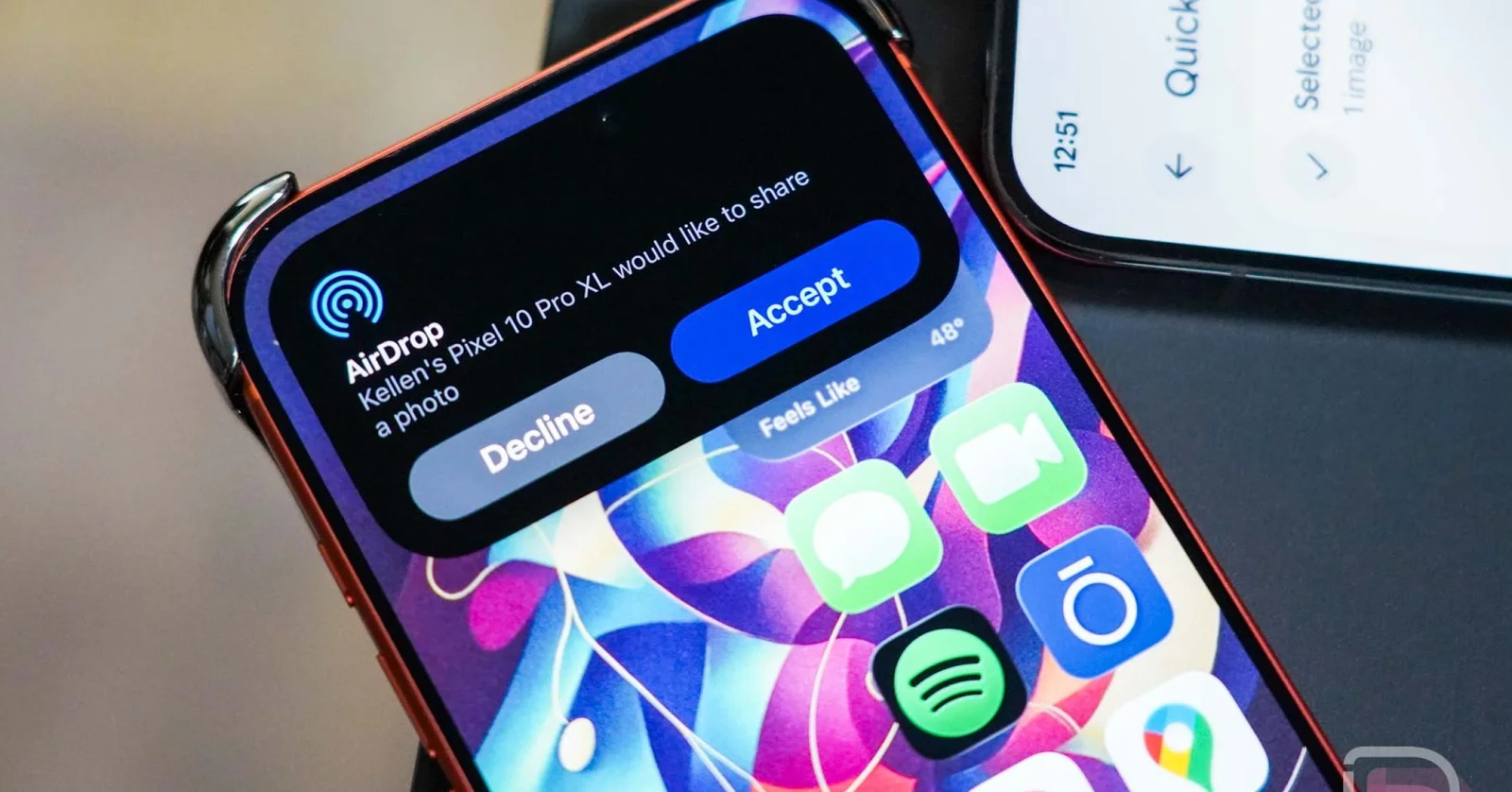
Google is enabling Quick Share to work with Apple's AirDrop, starting with Pixel 10 devices and promising expansion to other Android models. The process involves selecting a file in Quick Share, the Android device discovering nearby iPhones to receive, and the iPhone accepting the transfer, with Google citing strong security safeguards. This marks a step toward true cross‑OS sharing between Android and iPhone, with broader support expected in the future.
Google's Pixel 10 series gains Gemini Screen Automation via the March Feature Drop, enabling Gemini to handle tasks in selected apps (Uber, Uber Eats, GrubHub, DoorDash, Starbucks) in the background. You can watch it work or take over, and you can stop it if needed. Usage is limited: free users get 5 requests per day, while AI Ultra subscribers can use up to 120 per day. Access the feature in the Gemini app under Settings > Screen automation on Pixel 10 devices.
Samsung’s Galaxy S26 lineup and Google’s Pixel 10 duel in a tight flagship race, with the S26 highlighting Privacy Display, S Pen on the Ultra, and a 200MP main camera, while the Pixel 10 emphasizes Tensor G5 AI features and earlier Android updates; Pixel generally undercuts Samsung on base pricing, though top storage options narrow the gap. Displays tilt toward Pixel in brightness, Galaxy offers the largest screen, and 8K video remains a Galaxy highlight (Pixel maxes out at 4K/60fps). Both families include IP68, long software updates, and 5G, so a definitive winner awaits full reviews—your pick depends on whether you want AI-first software and multitasking prowess or hardware features and advanced display tech.
Google has introduced AirDrop-style file sharing between Pixel 10/9 devices and Apple devices via Quick Share. The setup requires updates to Google Play System and Google Play Services and the semi-secret Quick Share Extension; you can send from Pixel to iPhone/Mac by using Quick Share's Send and accepting on the Apple side, or receive from iPhone/Mac by enabling Pixel Receive. The feature works both ways after acceptance. Update: Google extended support to the Pixel 9 series (excluding Pixel 9a) on Feb 17, with more devices to follow.
Google says AirDrop interoperability introduced on the Pixel 10 will expand to many more Android devices in 2026, enabling cross‑platform file sharing with iOS and macOS without third‑party apps; VP Eric Kay teased forthcoming announcements as Google broadens the ecosystem, aided by Quick Share/Play Store updates and a March Pixel Drop.