Rising sea-surface temperatures driven by human-caused climate change and a strengthening El Niño are pushing the world’s oceans toward an all-time heat record, threatening carbon uptake and coral reefs, while also impacting fisheries and coastal climates.
A study across 137 sites in the US finds tree growth often stops before the growing season ends, meaning wood production—and long‑term carbon storage—can lag behind the apparent carbon uptake from photosynthesis. In eastern sites about 36% of yearly uptake occurs after growth has ceased, and about 26% in California. Dry, hot conditions sharply limit wood growth, suggesting models that link carbon uptake directly to photosynthesis may overestimate future forest carbon sequestration as climate change raises aridity. The researchers plan to test if this decoupling occurs in other species and regions.
The article discusses the emerging impacts of climate change on carbon sinks within the global carbon budget, highlighting research from various international institutions that analyze how climate factors influence the ability of natural systems to absorb carbon dioxide, which is crucial for understanding future climate change mitigation strategies.
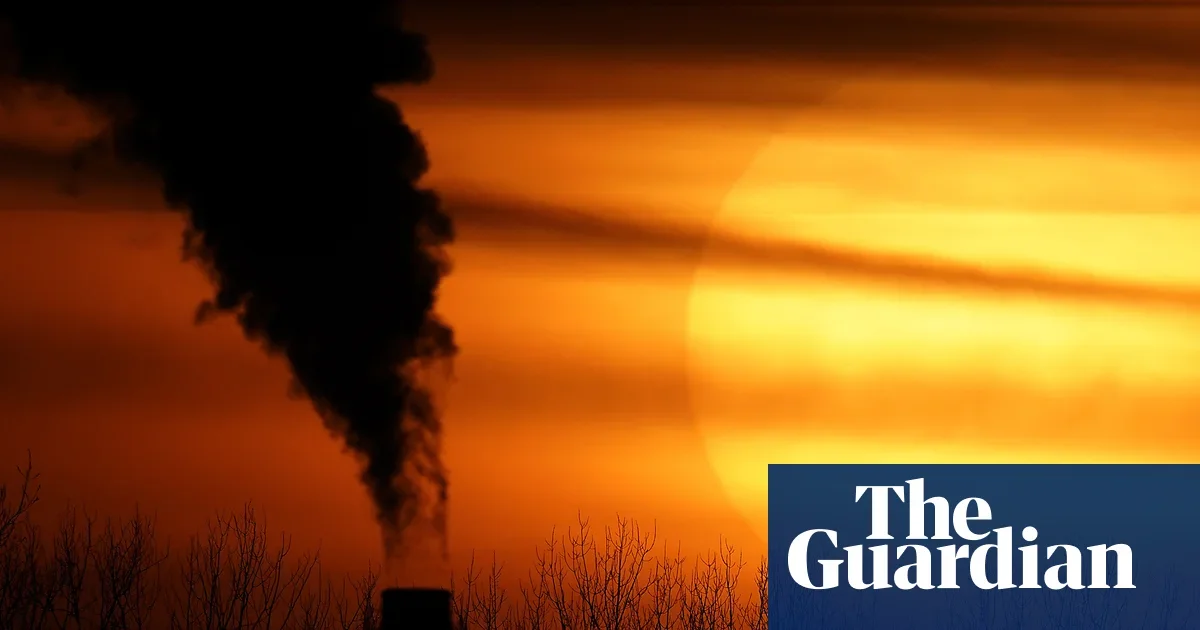
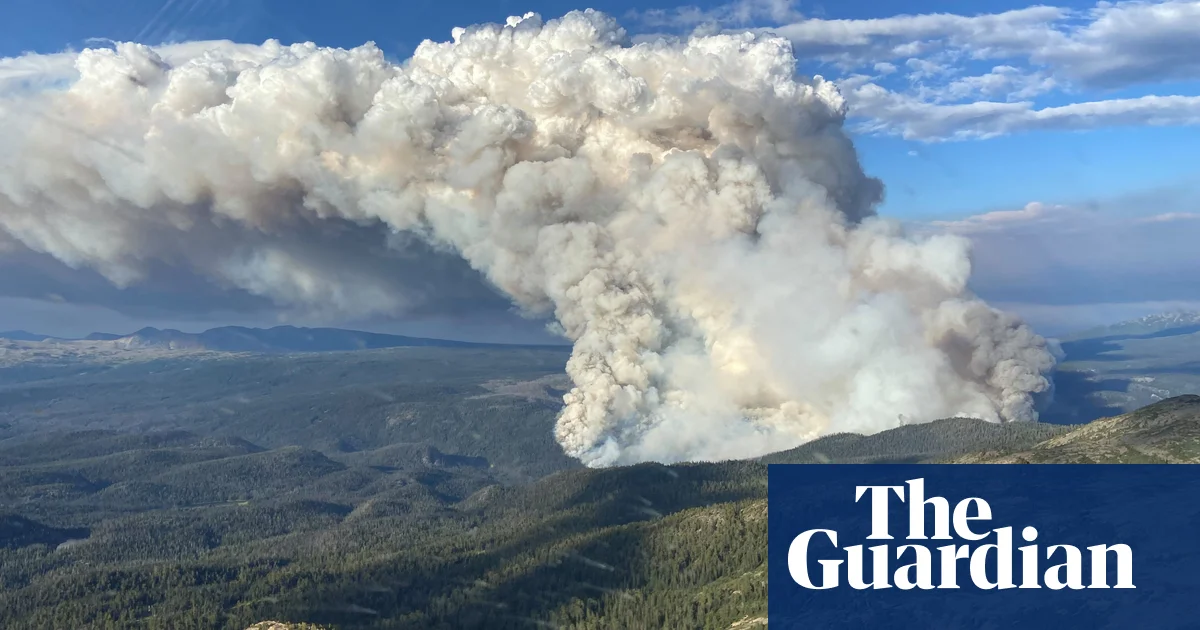
In 2024, atmospheric CO2 levels hit a record high, driven by continued fossil fuel use, wildfires, and weakening natural carbon sinks, intensifying the climate crisis and raising concerns about faster global warming and extreme weather events.
Scientists warn that relying on natural carbon sinks like forests and oceans to offset fossil fuel emissions could allow countries to "cheat" on net zero targets, as these sinks were not part of the original net zero definition. The study emphasizes the need for "geological net zero," where emissions are counteracted by permanent removal methods. Current rules allow countries to claim carbon removals from managed lands, potentially misrepresenting progress towards climate goals. The study calls for clearer definitions at Cop29 to prevent catastrophic climate breakdown.
At the Cop16 biodiversity summit in Colombia, global leaders emphasized the interconnectedness of climate change and biodiversity loss, stressing that these issues must be addressed together to effectively combat ecological crises. Despite agreeing on the importance of linking climate and nature, countries did not commit to phasing out fossil fuels. The summit highlighted the critical role of natural carbon sinks like forests and oceans, which are under threat from deforestation and climate change, in stabilizing the climate. Leaders from Brazil, the Democratic Republic of Congo, and other nations called for greater recognition and financial support for preserving these ecosystems.