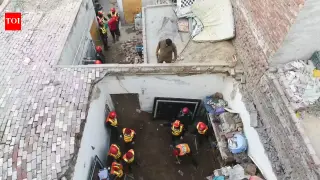
A roof collapse at a private tuition centre operating from an under-construction Lahore building in the Kahna Nau area killed 14 children aged seven to 13 and left 20 others injured, with authorities arresting the contractor as rescue teams and Edhi ambulances worked to recover victims; officials vow accountability and say the death toll could rise.
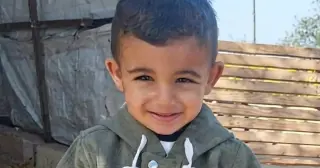
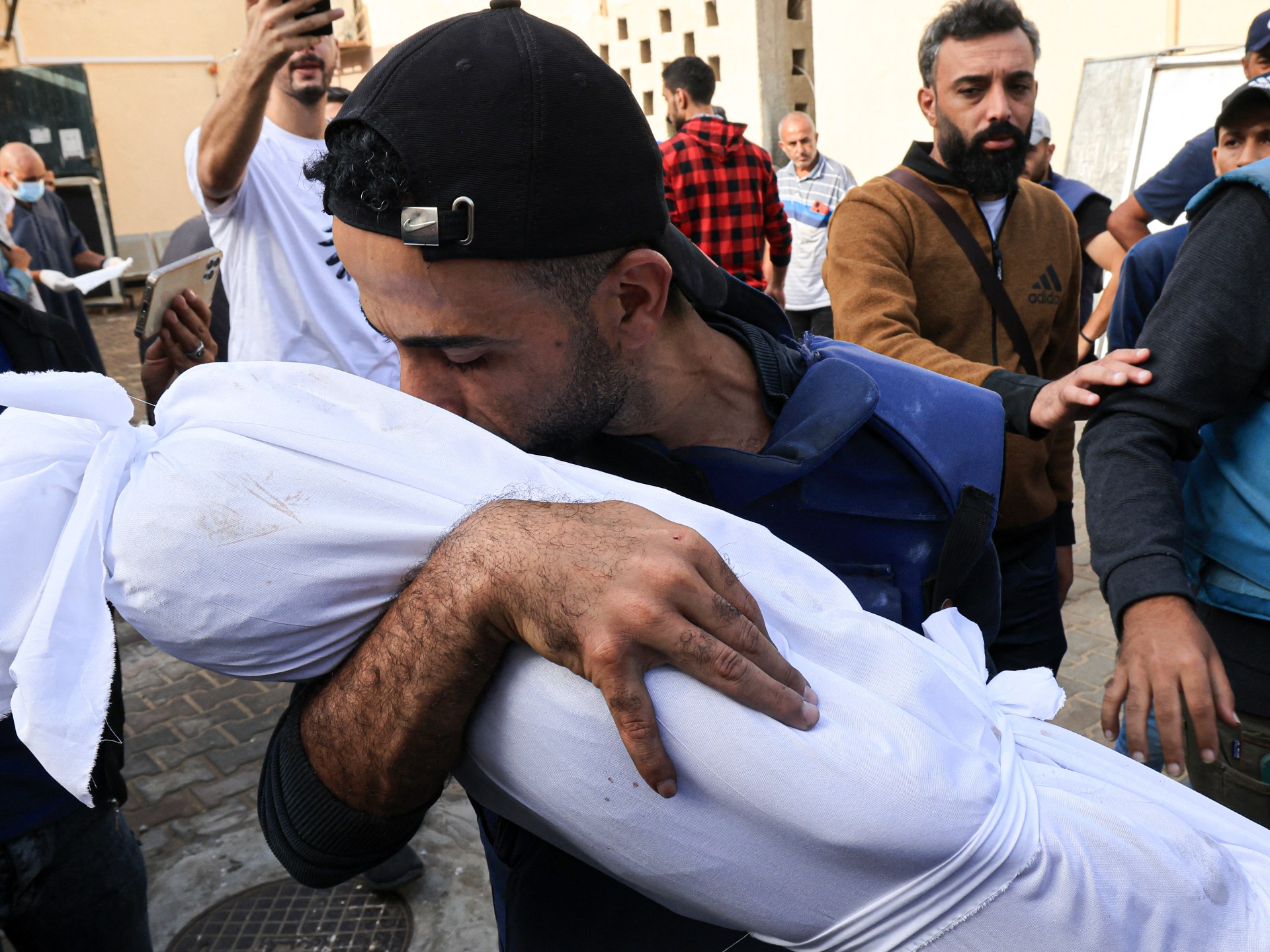
A 3-year-old boy, Rayan al-Ajeen, was fatally shot near Gaza’s yellow-line boundary after Israeli soldiers fired warning shots; the incident coincides with a United Nations commission of inquiry alleging deliberate Israeli targeting of Palestinian children, a claim Israel rejects, as Gaza and West Bank casualties continue to mount (tens of thousands killed in Gaza, including thousands of children).
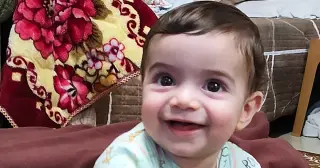
Seven-month-old Sam Abu Haikal was killed when an Israeli soldier opened fire into his family’s car near Hebron in the occupied West Bank; his parents were wounded as they slowed to stop, contradicting initial IDF claims that the vehicle accelerated toward troops. The military says the incident is under investigation after video from B’Tselem suggested the car was not approaching at high speed. The family, who have faced prior settler attacks, mourns Sam’s death amid ongoing West Bank violence, with UN data noting 241 West Bank children killed since October 2023.
In the US-Israel campaign against Iran, a strike hit the Shajareh Tayyebeh girls’ school in Minab, killing at least 80 children with many more missing. Video of the aftermath has been verified by fact-checkers and Reuters, and if confirmed the attack would be the deadliest single incident so far. Iranians respond with a mix of fear, defiance and hope amid ongoing protests and a harsh crackdown, while the conflict's broader toll continues to rise.
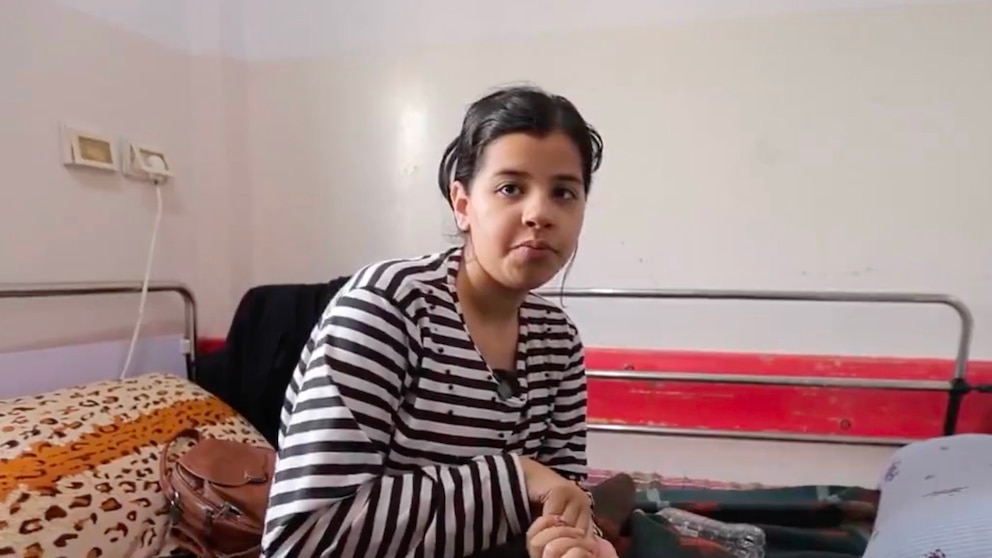
A 12-year-old girl named Dounia, who had lost her leg in an airstrike that killed her family, was killed in an apparent strike at a Gaza hospital. In an interview weeks before her death, Dounia expressed her desire for the war to end and her dream of becoming a doctor. The Nasser Hospital Complex, where many seek shelter, is now at risk of further attacks. Hospitals in Gaza are overwhelmed and struggling to care for the influx of patients. The Israel Defense Forces claim to only target militants and accuse Hamas of using civilians as shields. The death toll in Gaza has surpassed 19,000, while in Israel, over 1,200 people have been killed since the start of the Israel-Hamas conflict.
The World Health Organization (WHO) Director-General, Tedros Adhanom Ghebreyesus, informed the United Nations Security Council that a child is killed on average every 10 minutes in the Gaza Strip, emphasizing that nowhere and no one is safe. He highlighted the dire state of Gaza's healthcare system, with half of its hospitals and two-thirds of primary healthcare centers not functioning properly. Tedros described hospital corridors filled with the injured, dying, and morgues overflowing. Since October 7, the WHO has verified over 250 attacks on healthcare in Gaza and the West Bank, while there have been 25 attacks on healthcare in Israel. Israel's Ambassador to the UN, Gilad Erdan, stated that Israel is working on establishing hospitals in southern Gaza and facilitating medical aid. The United States is also working to provide fuel to hospitals in Gaza.
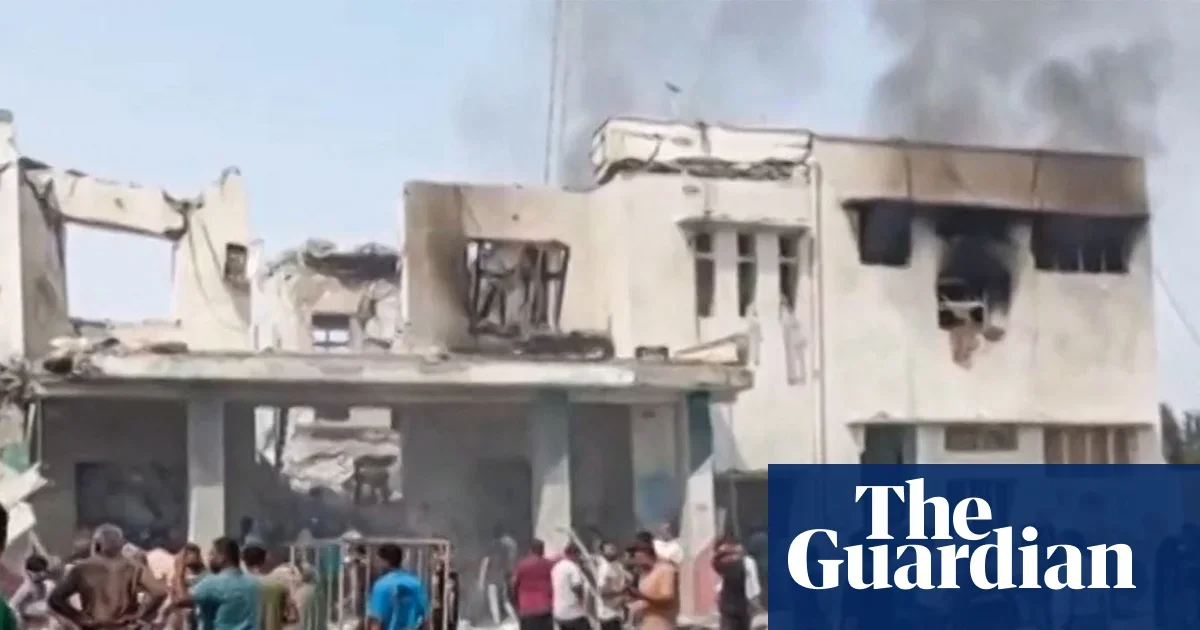
The death toll in Gaza rises to 9,770, with at least 4,008 children killed, as Israeli airstrikes continue. On Sunday, an Israeli strike hit houses near a school in the Bureji refugee camp, killing at least 13 people. This was the third refugee camp to be targeted in the past 24 hours, with over 50 Palestinians killed in attacks on al-Maghazi and Jabalia camps. Residents describe the strikes as a "true massacre" and refute claims of resistance fighters in the camps. Israeli planes dropped leaflets urging people to head south, but there is skepticism due to the ongoing attacks on refugee camps. The UN reports that 1.5 million people are internally displaced in Gaza. US Secretary of State Antony Blinken met with Palestinian President Mahmoud Abbas, calling for humanitarian pauses, while Egypt and Jordan called for an immediate ceasefire. Israeli Prime Minister Benjamin Netanyahu rejected the idea of halting the offensive, citing the return of hostages as a condition for a ceasefire.