AP reports that Hamas is weighing a plan to disarm armed groups in Gaza, a move seen by mediators as potentially unlocking international aid and a path to reconstruction, though the proposal faces political and security hurdles as talks continue.
Gazans saw a brief lull in shortages and Ramadan aid, but ongoing strikes against Iran by the U.S. and Israel have halted any slow recovery and risk strengthening Hamas amid a widening regional confrontation.
Jordan’s parliament unanimously voted to strike mentions of Israel from the minutes of a debate on US Ambassador Mike Huckabee’s comments about West Bank reforms, with MP Hail Ayash saying the Jewish state’s name represents an enemy to Jordanians; Speaker Mazen al-Qadi said Huckabee’s statements violated international law and the UN charter. Other MPs called for summoning the US ambassador and some urged referring to Israel as the “usurping entity,” reflecting a hardline stance on Palestinian issues even though Jordan signed a peace treaty with Israel 31 years ago.
Cardinal Pierbattista Pizzaballa, speaking in Rome, says a short-term peace between Israelis and Palestinians is unlikely after Gaza and warns slogans won’t rebuild trust; he urges concrete actions, opportunities for encounter, and leadership on both sides, questions the Board of Peace as serving major powers, notes the worsening plight of Christians in the Holy Land including emigration and permit hurdles, backs working toward a two-state solution, and calls pilgrims to return to Bethlehem and Jerusalem to show presence.
The Rafah border crossing between Gaza and Egypt reopened this week after two years of war, but only a fraction of those eligible have crossed and delays persist as negotiators cap entries. In four days, 36 Gaza patients and 62 companions left for Egypt, while thousands await medical care; early days saw a mix of approvals and slow transfers, leading to hours-long questioning and transport bottlenecks. Allegations of mistreatment—handcuffing and long interrogations—emerged, though Israeli authorities deny misconduct and UN rights officials warn of a pattern of ill-treatment. The reopening is treated as a pilot and could expand if successful, but it remains tightly controlled and controversial.
Bezalel Zini, brother of Shin Bet chief David Zini, was arrested with 14 others in a police bust accusing a smuggling network of moving illegal goods—primarily cigarettes—into Gaza for profit. The indictment alleges 14 crates of cigarettes worth about 365,000 shekels (~$117,000), along with mobile phones and car parts, trafficked via West Bank and Gaza routes sometimes under humanitarian pretexts. Prosecutors say the ring aided Hamas and threatened Israeli security; Zini’s attorney denies the charges and notes no evidence links him to his brother. The investigation was led by police and Shin Bet, separately from the brother’s agency.
Following the reopened Rafah crossing, only 12 of about 50 expected evacuees were allowed into Gaza; Gazan travellers said the Abu Shabab militia conducted searches at an Israeli checkpoint inside Gaza, sometimes mistreating travellers, while EU monitors reportedly confiscated a range of belongings, highlighting the security and governance tensions around Rafah and Gaza medical evacuations.
The Rafah border crossing between Egypt and Gaza reopened on Monday for the first time in nearly two years, allowing a small number of Palestinians to enter and exit as part of a U.S.-backed ceasefire to end Israel’s war with Hamas.
Israel reopened Gaza's Rafah border crossing with Egypt to allow movement of people after being closed since May 2024, as part of a phased ceasefire framework tied to the return of the last Israeli hostage's body. The crossing will operate with strict daily caps—about 50 patients may exit Gaza and 50 may return with no goods allowed—under EU supervision and remote Israeli security checks, while around 20,000 sick and wounded Palestinians await exit and aid continues to enter Gaza through Kerem Shalom. The move is seen as a cautious lifeline rather than a full reopening.
Capt. 'L', a dentist in IDF Unit 6017, discusses positively identifying St.-Sgt.-Maj. Ran Gvili in northern Gaza after exhuming about 250 bodies; the ID relied on two of three methods—fingerprints, dental work, or DNA—to confirm the remains, with ante-mortem dental records playing a key role. The operation Brave Heart required navigating danger in the field, and the notification of the ID sparked a moment of unity and relief across the nation as the unit announced the news.
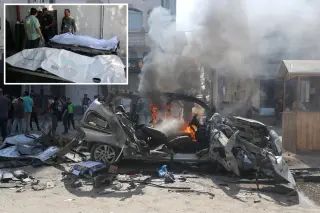
Three journalists were killed when an Israeli strike hit their car in central Gaza, including a CBS News contributor; Israel said it struck drone operators, marking another deadly episode in the Gaza-Israel conflict amid a U.S.-backed ceasefire.
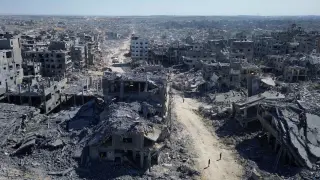
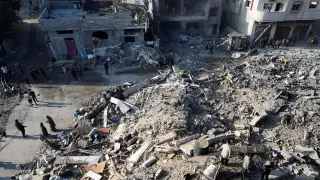
The Gaza Strip faces a severe economic and humanitarian crisis following Israel's war, with skyrocketing unemployment, widespread displacement, destruction of infrastructure, and a collapse of the local economy, leading to increased poverty and food insecurity among its residents.
Hamas is preparing to hold internal elections for its new political bureau head, with Khalil al-Hayya and Khaled Mashaal as leading candidates. Hayya is favored due to his popularity in Gaza and involvement in West Bank operations, and his platform supports maintaining armed confrontation with Israel. The election aims to resolve internal disagreements about Hamas's future strategies and regional ties.
The Gaza Strip has avoided famine following a ceasefire and improved access, but fragile gains are at risk without increased humanitarian support, funding, and access to essential services, as millions remain food insecure and vulnerable to slipping back into famine.
Israel is considering five strategic options—including expanding control, escalating military actions, conducting hostage-remains retrieval operations, applying diplomatic pressure, or ending agreements—if Hamas fails to return the remains of hostages, amid concerns that Hamas is using the remains as bargaining chips and misleading international teams.