
Tag

Chlorhexidine

All articles tagged with #chlorhexidine

Mouthwash and heart health: what the science really shows
health1 month ago

Mouthwash and heart health: what the science really shows

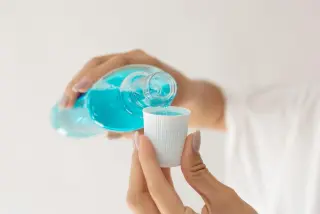
Research suggests the link between mouthwash and blood pressure depends on the product. Strong antiseptics like chlorhexidine can disrupt oral bacteria that convert nitrate to nitrite, potentially raising blood pressure in some short-term studies, while milder, everyday mouthwashes have less impact. Alcohol-containing formulations complicate interpretation, and currently there’s no consistent evidence that regular mouthwash use increases heart disease risk. For overall health, maintain good oral hygiene and choose mouthwash based on need and ingredients, using the strongest types only for specific conditions.

Airborne antiseptic-tolerant germs detected in ICUs, study hints
health1 month ago

Airborne antiseptic-tolerant germs detected in ICUs, study hints

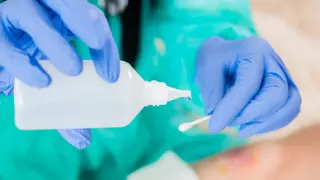
A Northwestern-led study finds trace chlorhexidine lingering in ICU rooms can promote antiseptic-tolerant bacteria. In 219 surface samples from six ICUs, about 36% showed tolerance, with sinks highlighted as hotspots and the possibility that aerosols can spread tolerant bacteria to nearby surfaces. Some tolerant strains carry plasmids that could also spread antibiotic resistance, though chlorhexidine remains effective at standard cleaning concentrations. The findings underscore the need for antimicrobial stewardship and more research into how antiseptic use may influence resistance beyond antibiotics.

Dropped orthopedic implants aren’t sterile after cleaning, study shows
health2 months ago

Dropped orthopedic implants aren’t sterile after cleaning, study shows

A randomized study found that polyethylene liners from hip/knee implants dropped on an operating-room floor become contaminated; disinfection with chlorhexidine–alcohol or povidone–iodine significantly reduces bacteria but does not guarantee sterility, while ethanol is ineffective. The findings support replacing a dropped implant when possible; if replacement isn’t available, immersion in sterile chlorhexidine or povidone–iodine is preferable to ethanol or no intervention, with patient notification and infection monitoring.