Virus-hit cruise ship docks in Rotterdam for disinfection
The MV Hondius, a cruise ship struck by hantavirus, arrived at the Port of Rotterdam for disinfection, ending a troubled voyage that prompted international health alerts.
All articles tagged with #disinfection

The MV Hondius, a cruise ship struck by hantavirus, arrived at the Port of Rotterdam for disinfection, ending a troubled voyage that prompted international health alerts.

The MV Hondius, at the center of a hantavirus outbreak, is set to arrive in the Port of Rotterdam to disembark the remaining crew and undergo disinfection, after a Canadian passenger tested positive for Andes hantavirus; the process will be coordinated with health authorities and the ship is expected to resume expeditions once cleaning is complete.

A randomized study found that polyethylene liners from hip/knee implants dropped on an operating-room floor become contaminated; disinfection with chlorhexidine–alcohol or povidone–iodine significantly reduces bacteria but does not guarantee sterility, while ethanol is ineffective. The findings support replacing a dropped implant when possible; if replacement isn’t available, immersion in sterile chlorhexidine or povidone–iodine is preferable to ethanol or no intervention, with patient notification and infection monitoring.

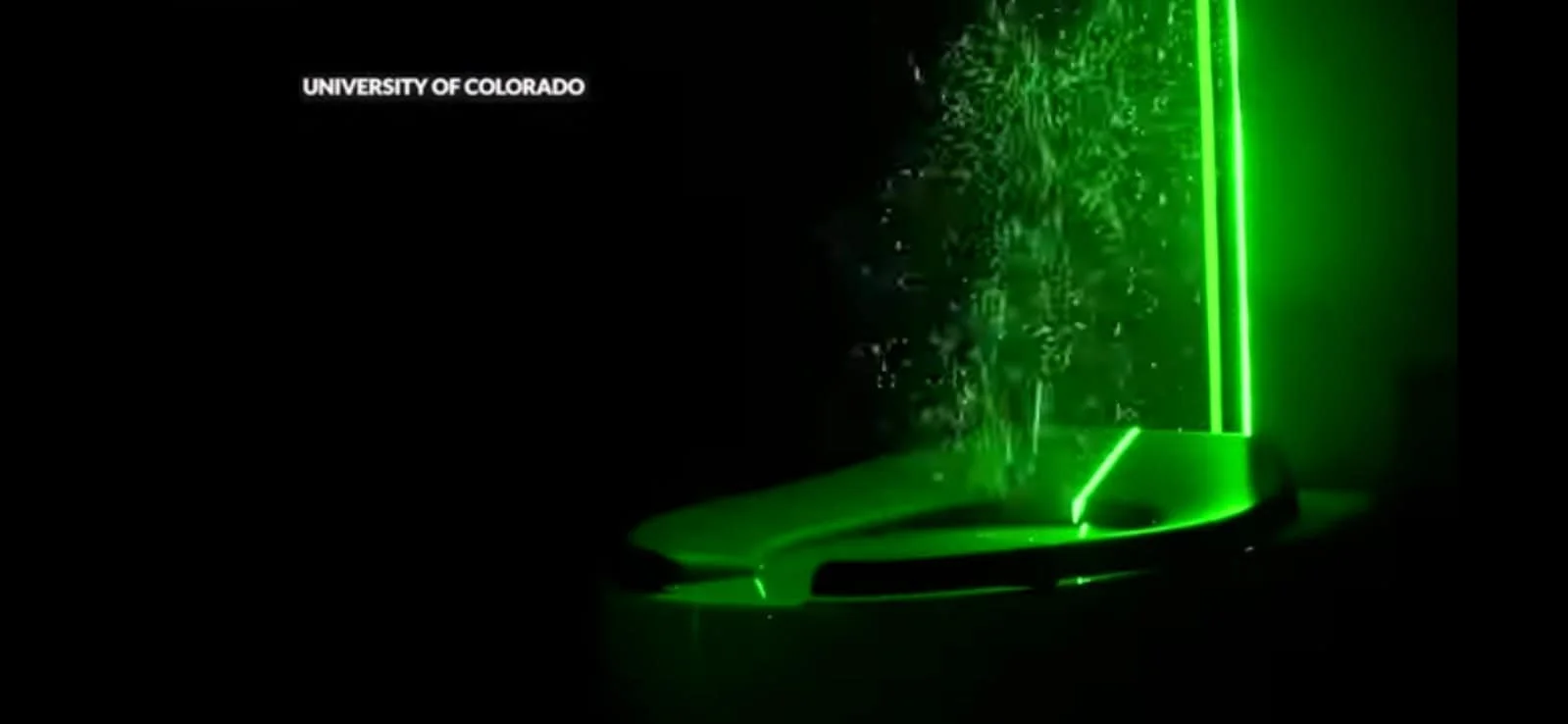
Flushing toilets creates toilet plumes that spread aerosols in the bathroom, and toothbrushes can collect these droplets and harbor biofilms. Studies show common brushes in communal bathrooms carry fecal bacteria, though oral microbes from the user can outcompete some contaminants; closing the lid doesn’t fully prevent spread and covers can trap moisture, promoting other pathogens. The recommended defenses are chemical disinfection or soaking, regular toothbrush replacement, and keeping brushes far from the toilet (ideally in a drying cabinet). Upgrading to vacuum toilets would help, but for now the goal is reducing cross-contamination rather than achieving sterility.

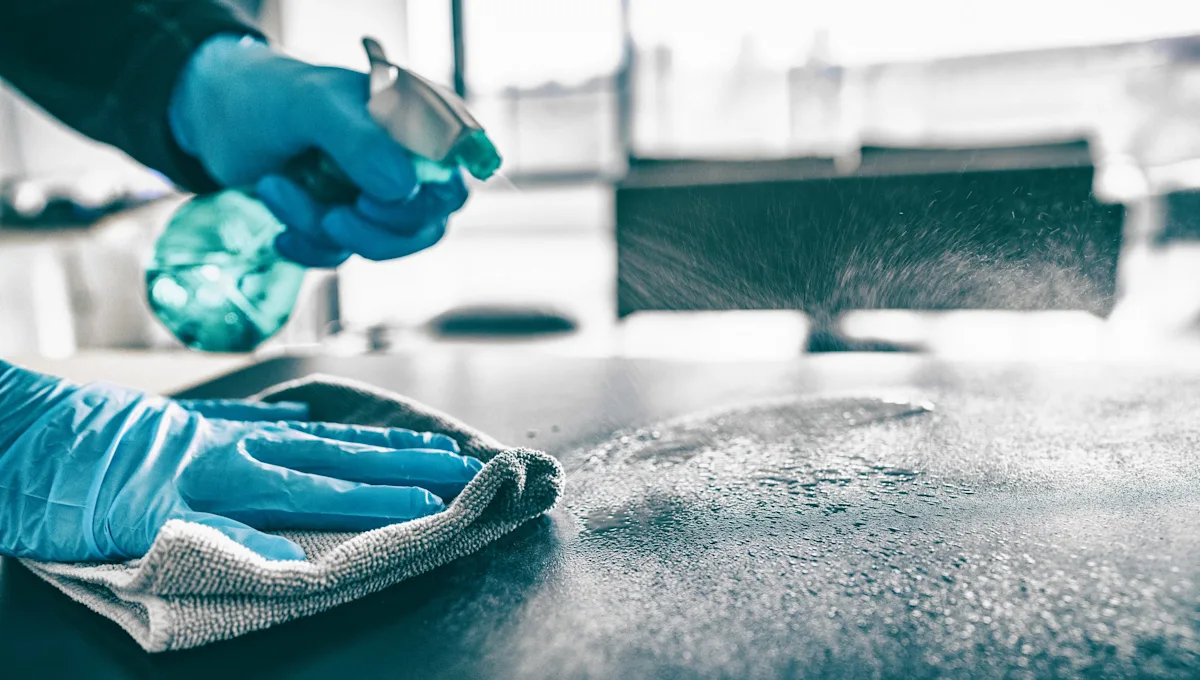
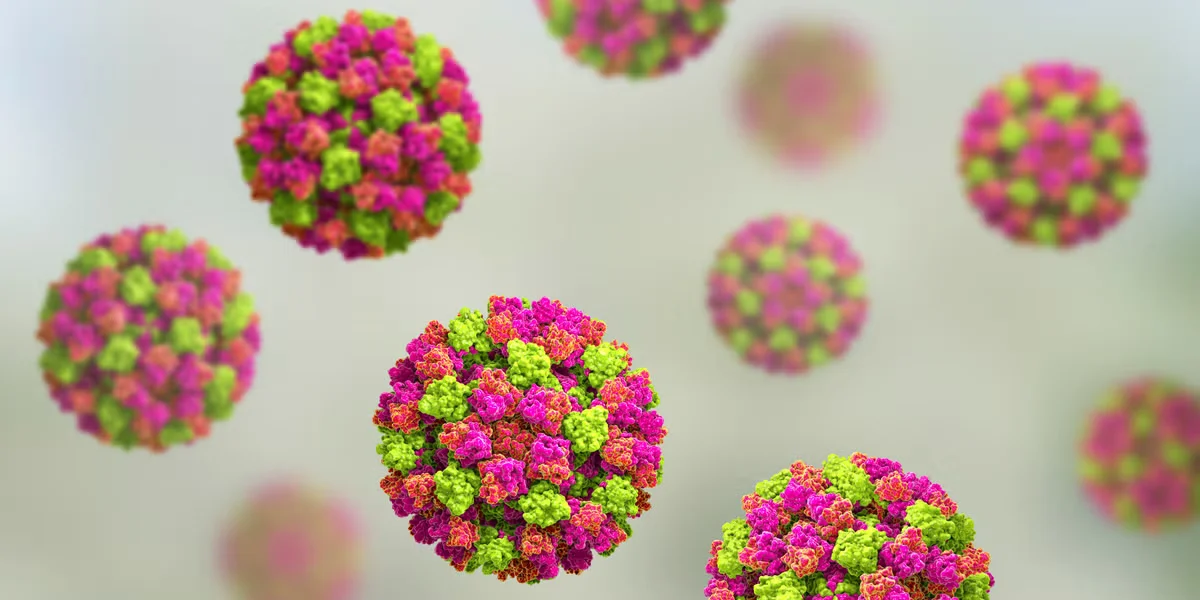
Norovirus, a highly contagious stomach virus, is spreading more during the winter season. To disinfect after exposure, use a chlorine bleach solution or EPA-approved disinfectant, leave it on surfaces for at least five minutes, wear gloves, and wash laundry and hands thoroughly. Proper cleaning helps prevent the spread of the virus, which can linger up to two weeks after symptoms resolve.

With rising norovirus cases, infectious disease doctors recommend hand washing with soap and water, avoiding sick individuals, disinfecting surfaces with bleach, and wearing masks when caring for someone sick to reduce transmission, although the CDC primarily emphasizes hand hygiene and surface cleaning.
Norovirus, a highly contagious virus causing gastroenteritis, is spreading across the U.S., including California. It spreads through contaminated surfaces, food, water, and person-to-person contact. Proper cleaning with soap, water, and EPA-registered disinfectants, including bleach solutions, is essential for control. Precautions like wearing gloves and masks when cleaning and thorough laundry practices are recommended to prevent further spread.

Wearing shoes inside can transfer germs and dirt to your floors, but cleaning shoes with soap and disinfectant, and following proper washing instructions, can reduce the risk of spreading harmful microorganisms in your home.

European researchers have enhanced vinegar's bacteria-killing ability by adding quantum dot nanoparticles, creating a potentially powerful and safe tool against superbugs, especially when used with antibiotics, though further testing in humans is needed.

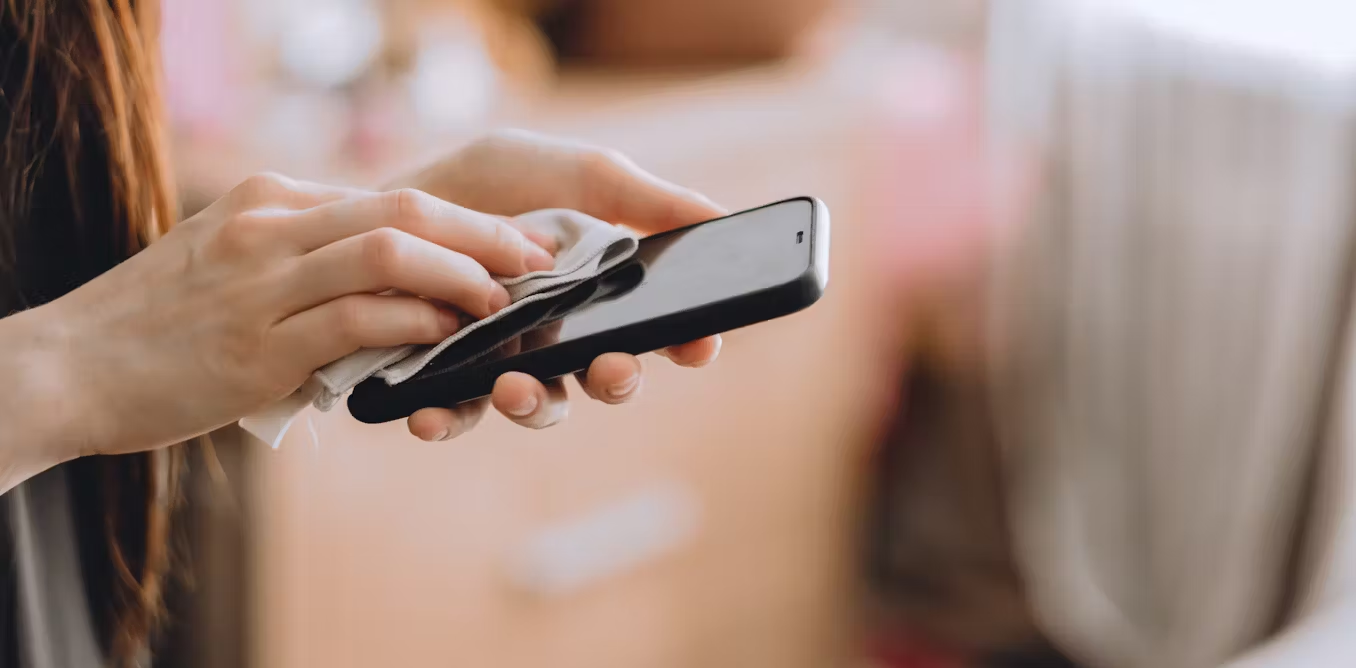
Phones can harbor many germs and should be cleaned regularly to prevent health risks, but using harsh chemicals can damage the device. Experts recommend using 70% isopropyl alcohol wipes and soft cloths, avoiding sprays and abrasive cleaners, and cleaning at least weekly, especially in high-risk environments, to maintain hygiene without damaging the phone.

Researchers have identified a mysterious chemical byproduct found in the tap water of about one-third of Americans, stemming from a disinfectant used in water treatment. The study, published in Science, calls for a rapid assessment of the byproduct's potential toxicity, though it does not suggest that the water is currently unsafe to drink.

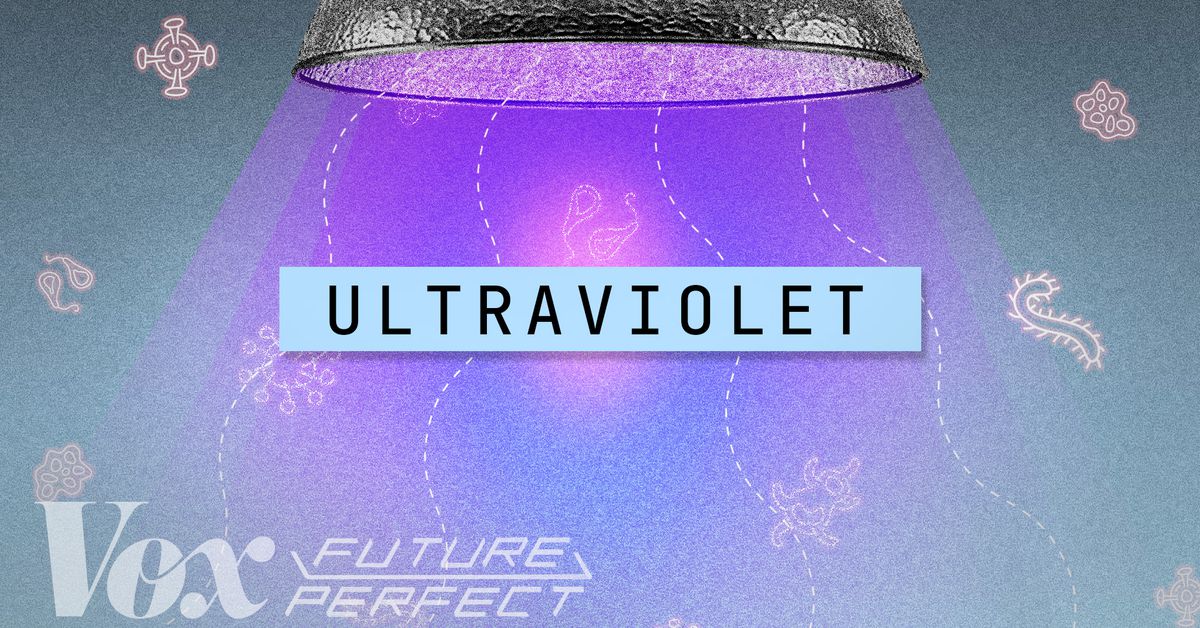
Despite its proven ability to effectively kill viruses and bacteria, ultraviolet (UV) light is not widely used as a defense against germs, likely due to its association with harmful sun rays. However, researchers have discovered a type of UV light that can effectively stop germs without penetrating human skin, offering potential as a new defense against diseases. For more information, readers can check out the full article by Dylan Matthews and subscribe to Vox’s science podcast, Unexplainable, for an upcoming related piece.

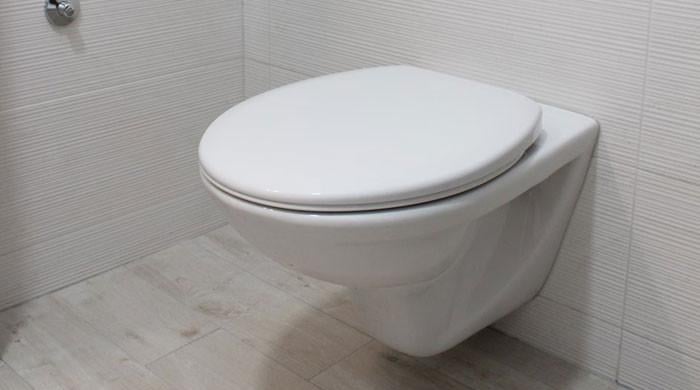
Researchers from the University of Arizona and Reckitt Benckiser found that closing the lid on a toilet does not prevent the spread of aerosolised germs, suggesting that regular disinfection of toilets is crucial to reduce contamination and prevent the spread of viruses. Their study, published in the American Journal of Infection Control, tested viral particles in residential and public toilets, concluding that while a closed lid led to elevated contamination levels in certain areas, it did not significantly impact the spread of viral particles. The research emphasizes the importance of using disinfectants and scrub brushes to prevent the spread of viral pathogens in bathrooms.

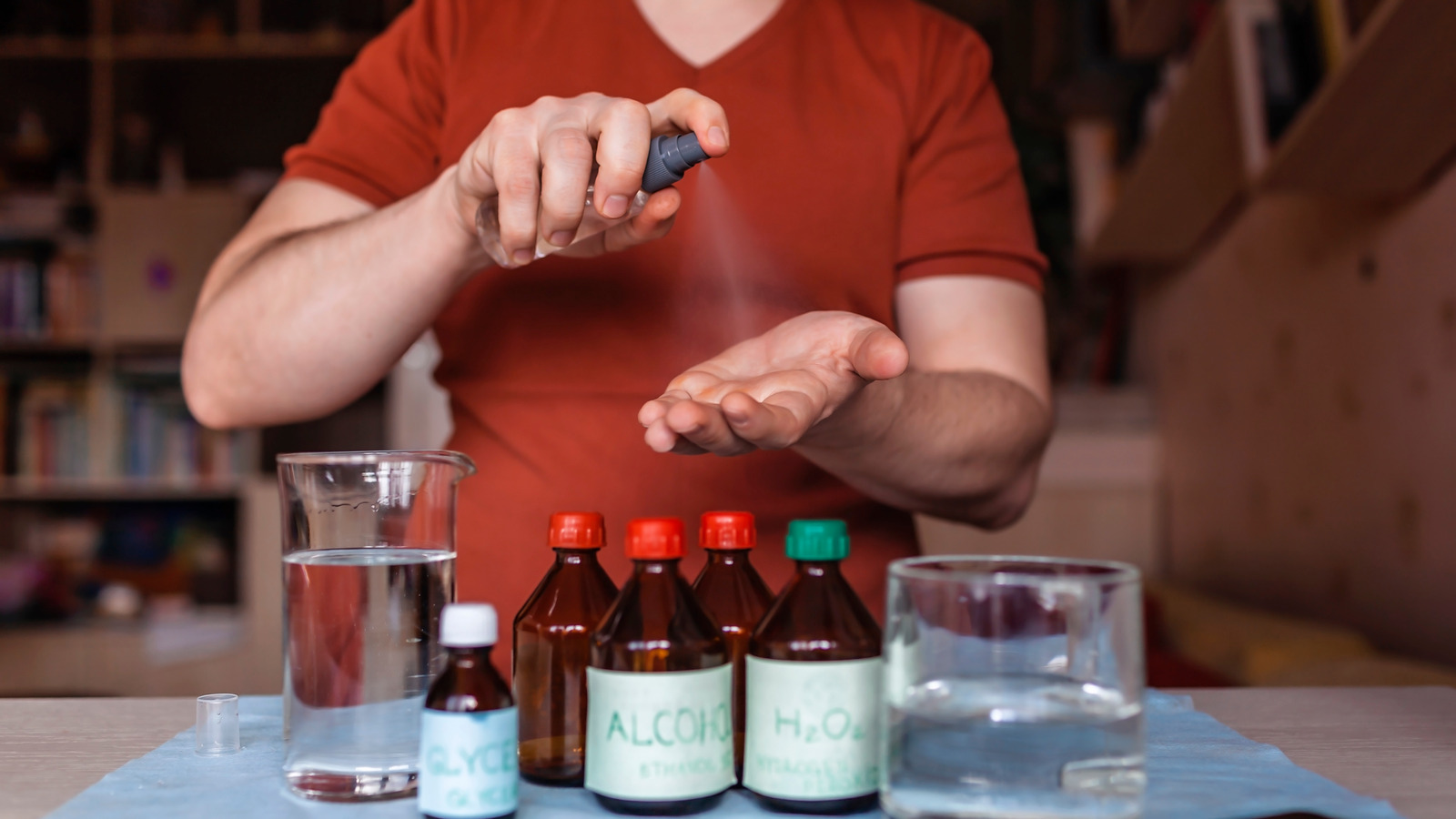
Hydrogen peroxide and rubbing alcohol are both effective cleaning agents, but hydrogen peroxide emerges as the superior choice due to its broad-spectrum efficacy against viruses, bacteria, and fungi, as well as its versatility in various cleaning tasks. Rubbing alcohol excels at dissolving oils and sanitizing surfaces, but its germicidal spectrum is narrower. However, the choice between the two depends on the specific cleaning task at hand.
To prevent catching a cold, experts recommend washing hands frequently, disinfecting high-touch surfaces, getting enough sleep, practicing healthy habits, and considering wearing a mask, especially in crowded spaces. While supplements like zinc, vitamin C, and probiotics are commonly used, there is limited scientific evidence to support their effectiveness. It's important to consult a doctor before trying any new supplements. If symptoms worsen or if there are underlying health conditions, it's advisable to seek medical care. Ultimately, a cold will run its course and does not require specific medication or antibiotics.