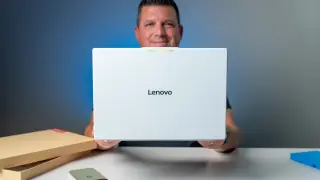
Googlebook Launch: Premium Hardware Meets Frustrating Software
Google's new Googlebook laptops feature premium hardware but suffer from a buggy, regressive operating system that frustrates early testers.

All articles tagged with #chrome os
Google's new Googlebook laptops feature premium hardware but suffer from a buggy, regressive operating system that frustrates early testers.
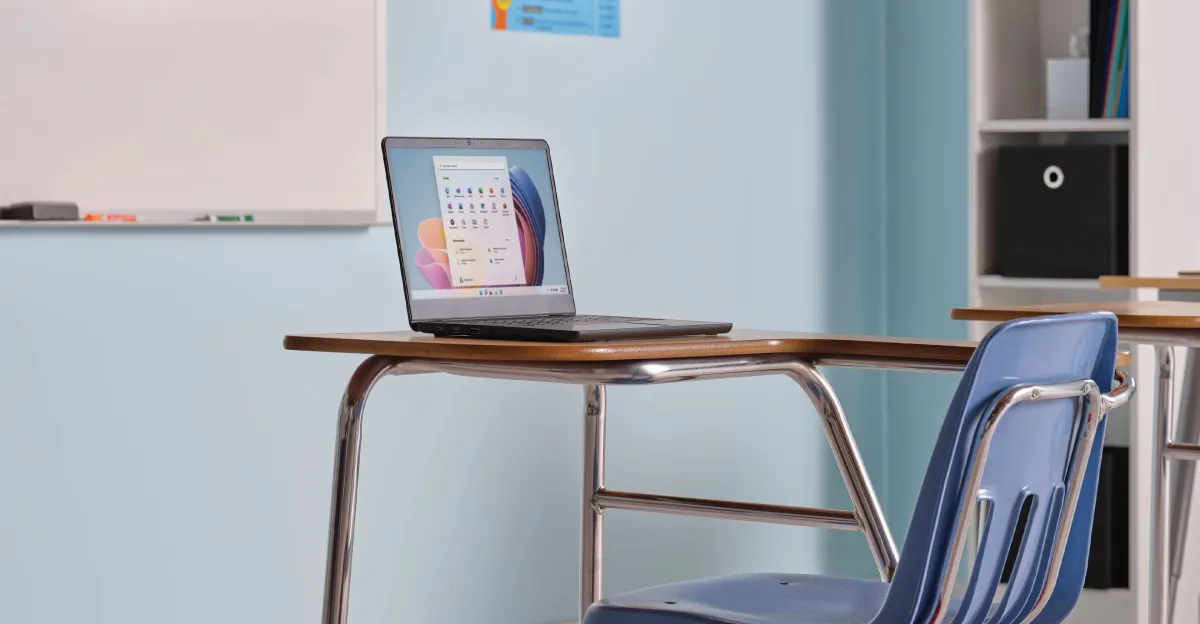
Microsoft will end support for Windows 11 SE in October 2026, after five years of competing with Chrome OS in the education market. The OS, designed for low-cost educational devices, failed to gain significant traction, and Microsoft will not release the upcoming 25H2 update for it. Several manufacturers produced Windows 11 SE laptops, but Microsoft’s efforts to challenge Chrome OS have been unsuccessful, with Chromebook shipments declining and Windows 11 upgrades dominating the PC refresh cycle.
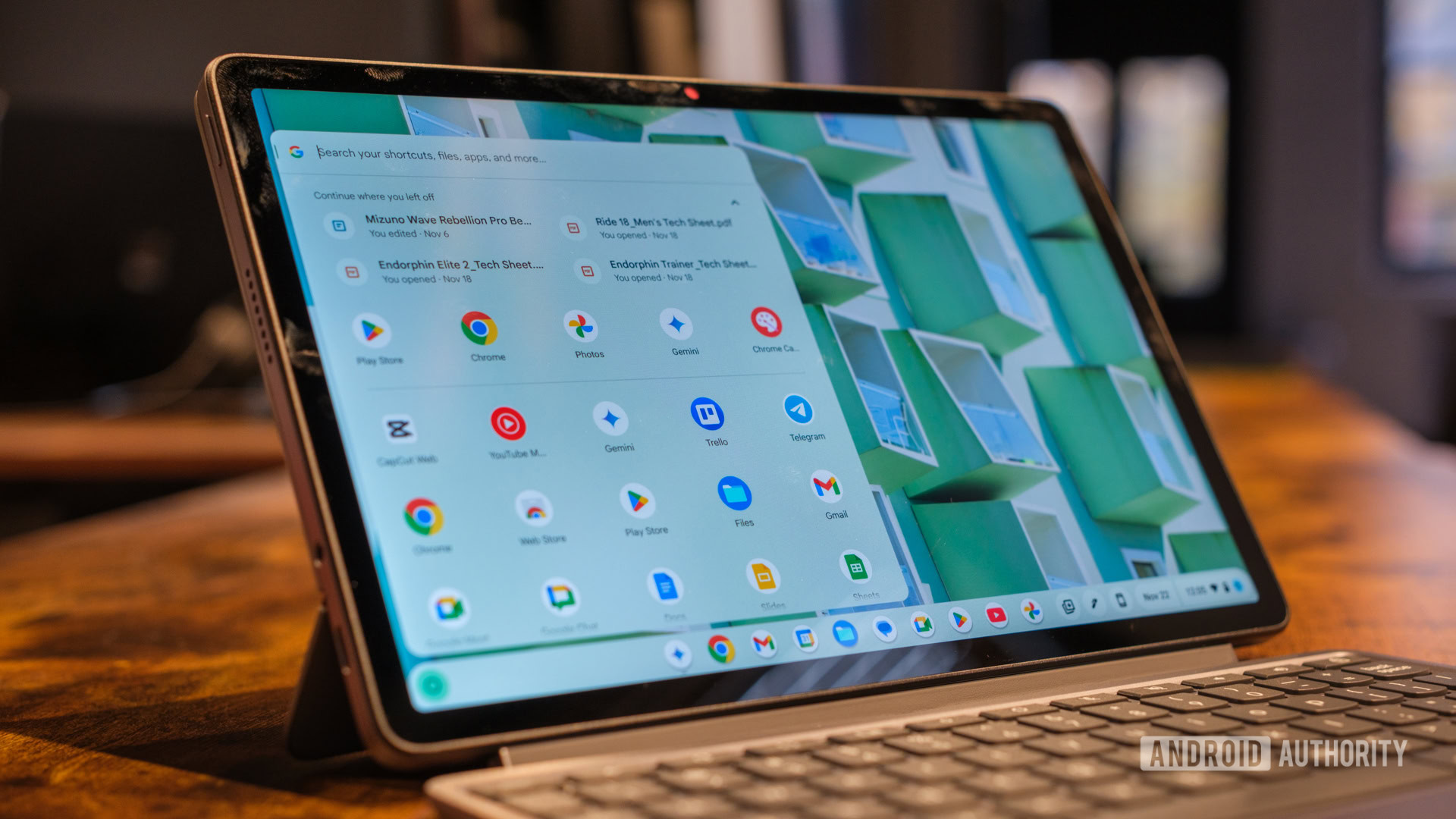
Google is planning to merge Chrome OS and Android into a single platform, as confirmed by a Google executive, aiming to unify their ecosystem and improve user experience across devices.
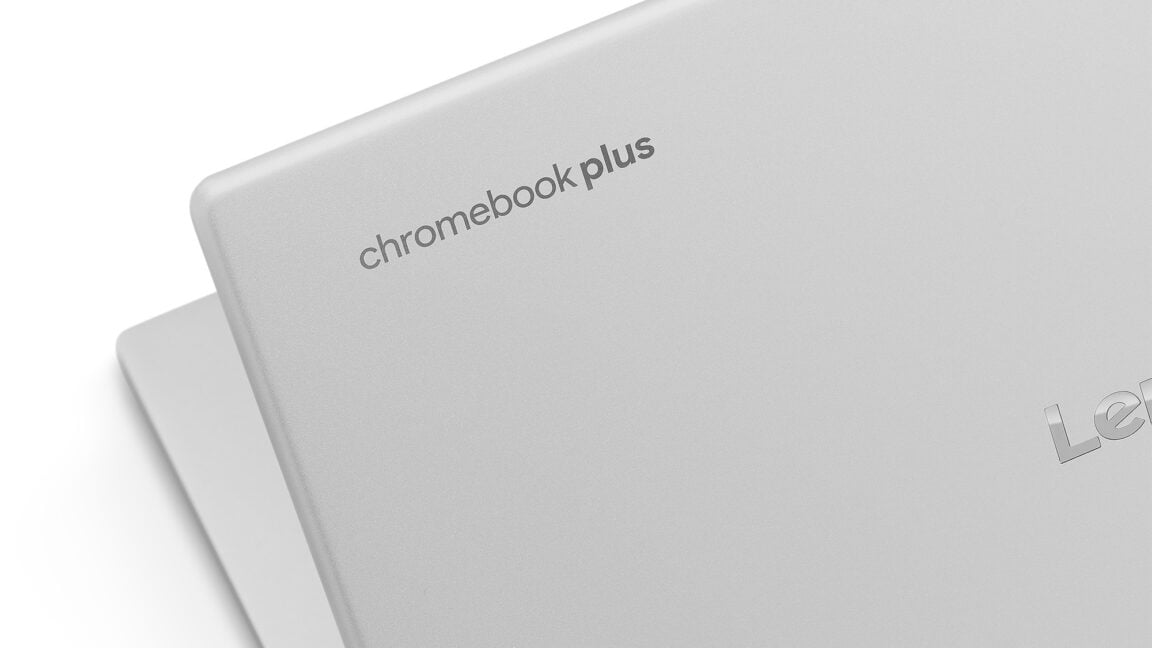
Google is introducing new AI features to Chromebooks, including image generation, text summarization, and visual search, initially available on more powerful models like Chromebook Plus and a new Lenovo Chromebook, with some features leveraging Google's Gemini AI technology and offering a 12-month trial of the Google AI Pro plan.
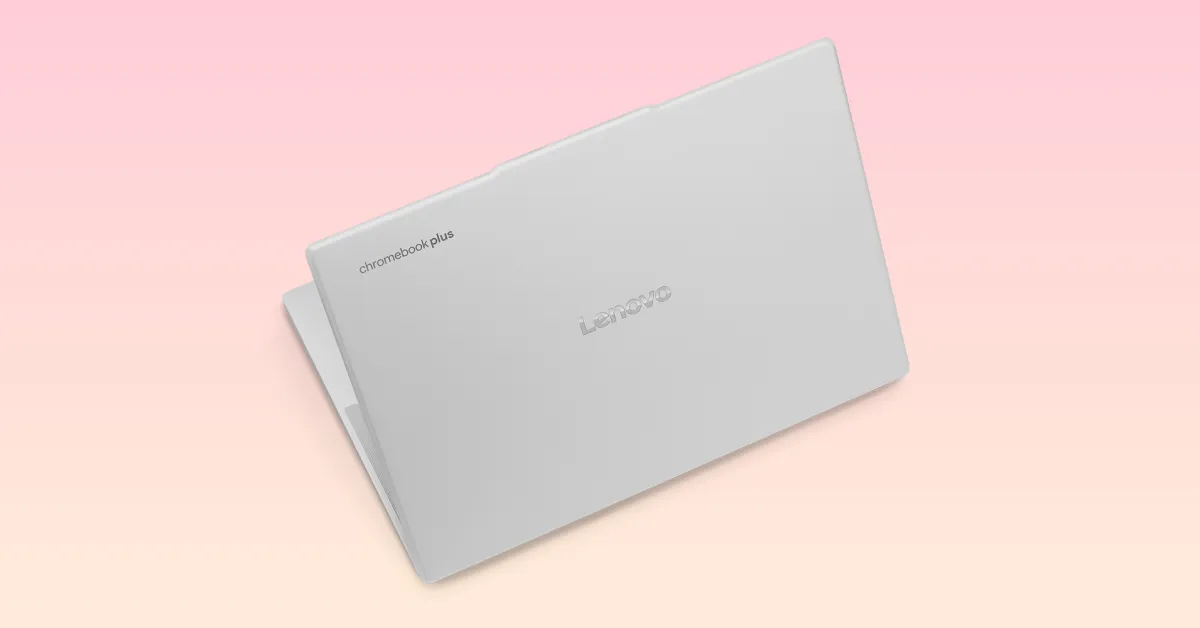
Lenovo has launched the Chromebook Plus 14, featuring an ARM-based MediaTek Kompanio Ultra processor, OLED touchscreen, Dolby Atmos speakers, and up to 17 hours of battery life, priced at $649. The device introduces new AI features like smart tab grouping, image editing, and text capture, with a one-year Google AI Pro Plan subscription included. It is available from select retailers and Lenovo.com.

The Lenovo IdeaPad 3i Chromebook is available for $149 during Black Friday, offering a 41% discount from its usual price of $254. This budget-friendly laptop features a 15.6-inch Full HD display, Intel Celeron N4500 processor, 8GB RAM, and 64GB storage, making it suitable for basic tasks like web browsing and document editing. Running on Chrome OS, it supports web-based and Android apps, and includes a 720p webcam, stereo speakers, and various ports. With a battery life of up to ten hours, it's ideal for users focused on internet-related activities.
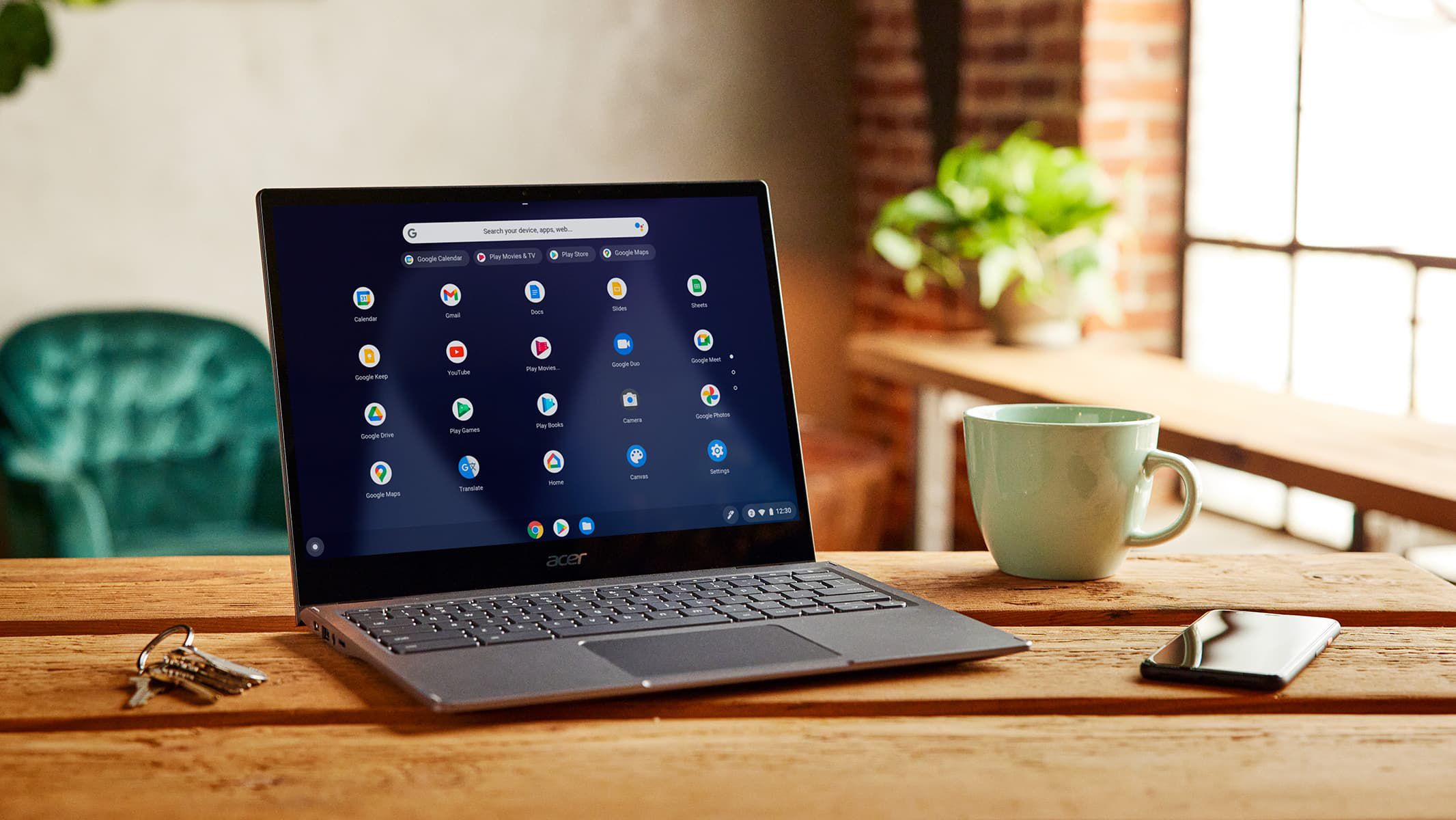
Google is reportedly planning to merge its Chrome OS with Android in an effort to create a unified operating system that can better compete with Apple's iPad. This strategic move aims to leverage the strengths of both platforms to enhance user experience and expand Google's market presence in the tablet and hybrid device sectors.
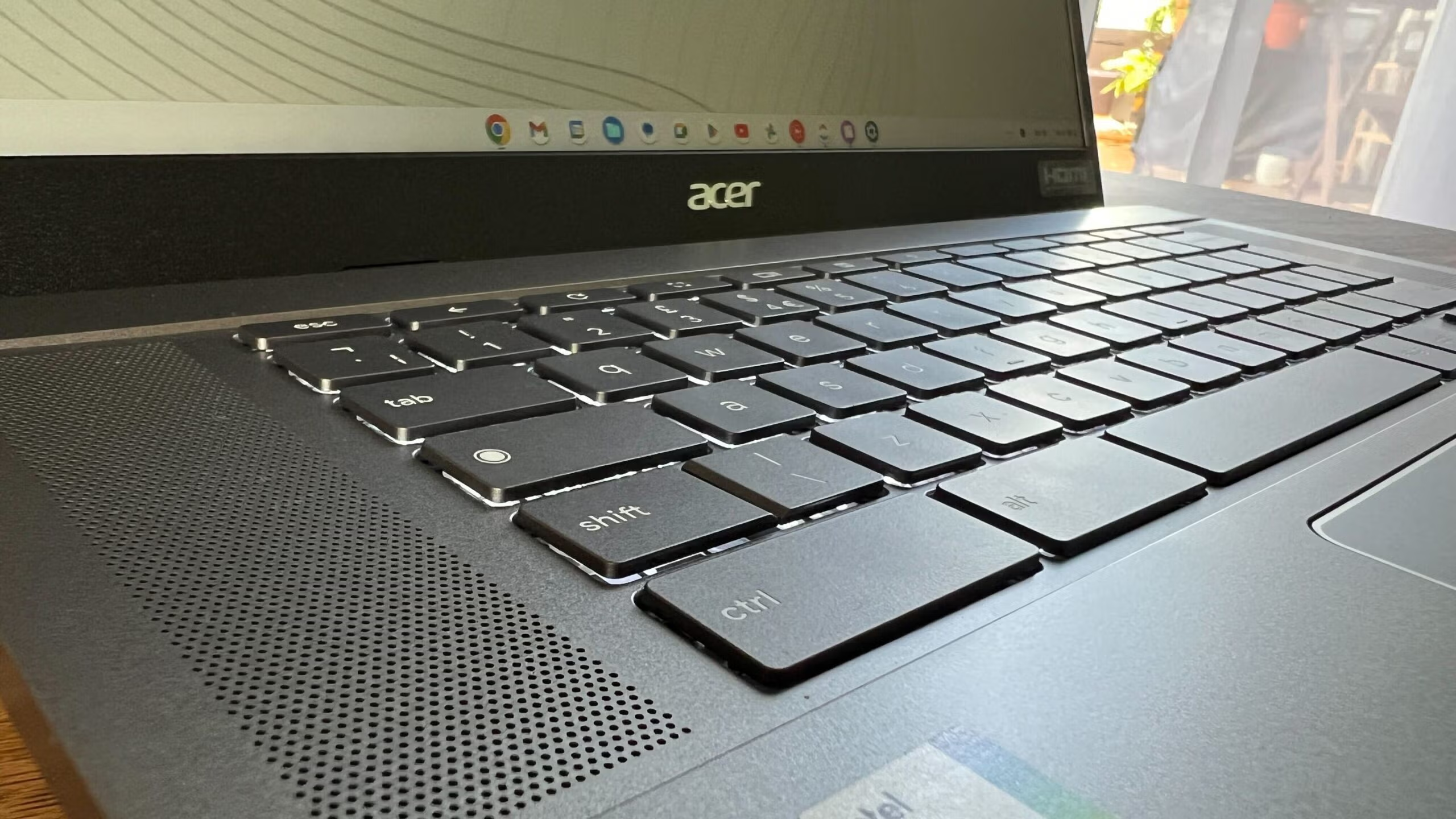
Google is reportedly planning to replace Chrome OS with a version of Android to better compete with Apple's iPad, according to a source from Android Authority. This transition aims to streamline Google's software management and potentially revive its laptop line with Android-powered devices. While Chrome OS has integrated Android features, a complete shift to Android could impact the lightweight, web-based experience that Chrome OS offers. The move is part of a multi-year project, with speculation about a new Pixel laptop and a second-generation Pixel Tablet running on Android.
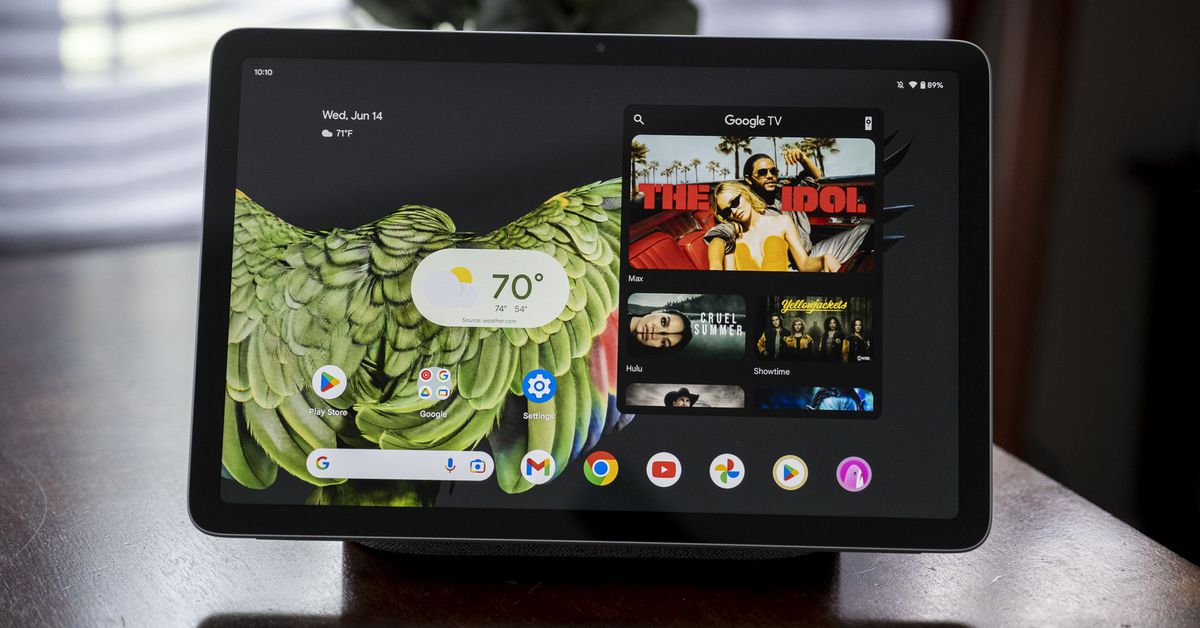
Google is reportedly planning to revamp its laptop and tablet hardware, with potential changes involving the integration of Chrome OS with Android, according to a report from Android Authority.
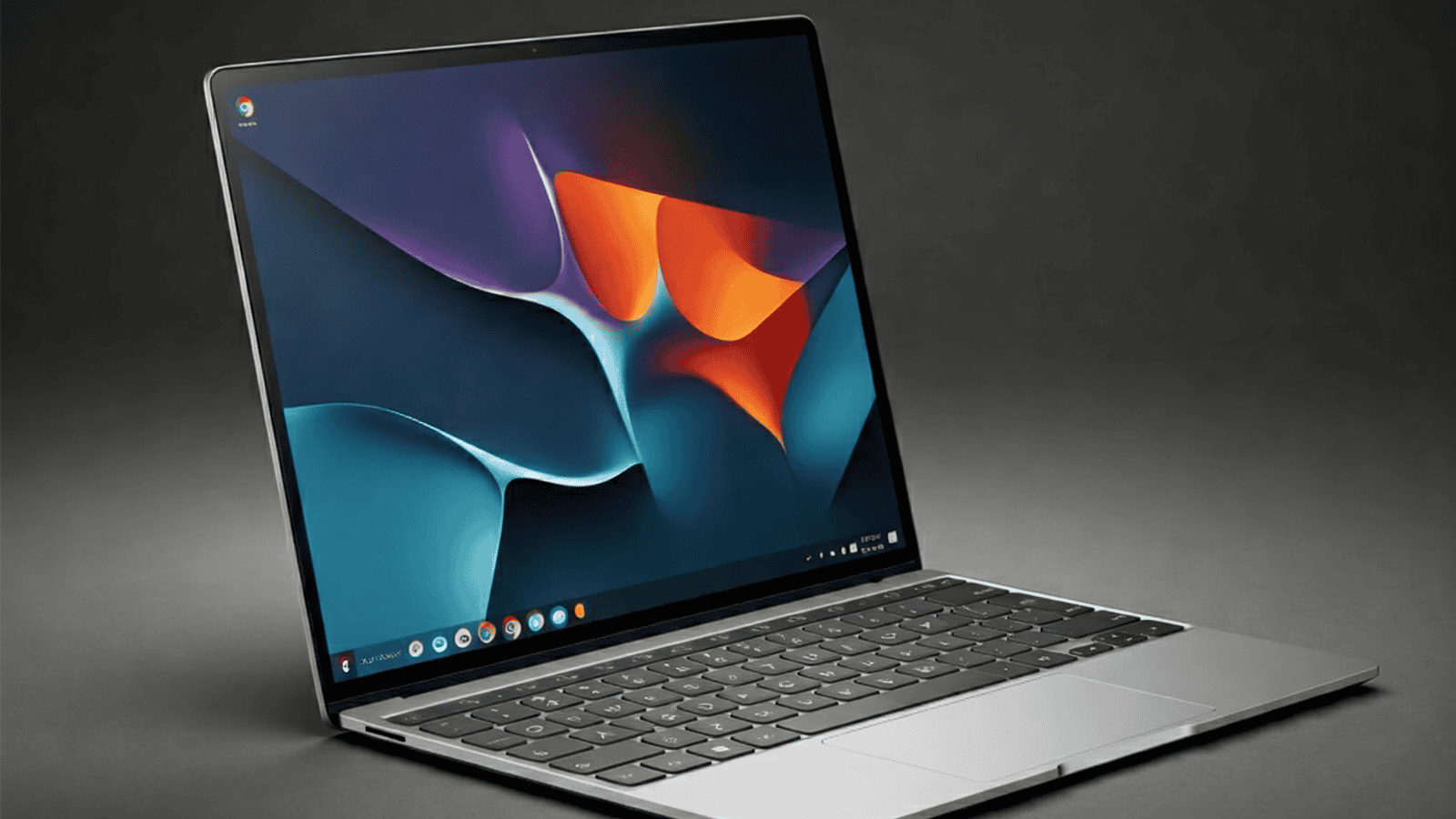
Google is developing a new high-end laptop under the Pixel brand, codenamed "Snowy," which is being compared to premium models like the MacBook Pro and Dell XPS. The project has moved beyond the concept phase, with a dedicated team working on it. While it is expected to run on Chrome OS, there are indications it might run Android due to a potential merging of the two systems. This development could mark the return of the Chromebook Pixel, with Google aiming to re-enter the premium laptop market.

Google has introduced five major AI features to Chromebook Plus, enhancing the platform's capabilities. These include Magic Editor in Google Photos, Gemini for assistance with various tasks, Help Me Write for writing support, AI-generated wallpapers and video call backgrounds, and quick access to Google Tasks. These updates aim to integrate AI more deeply into Chrome OS, providing users with advanced tools for productivity and creativity.
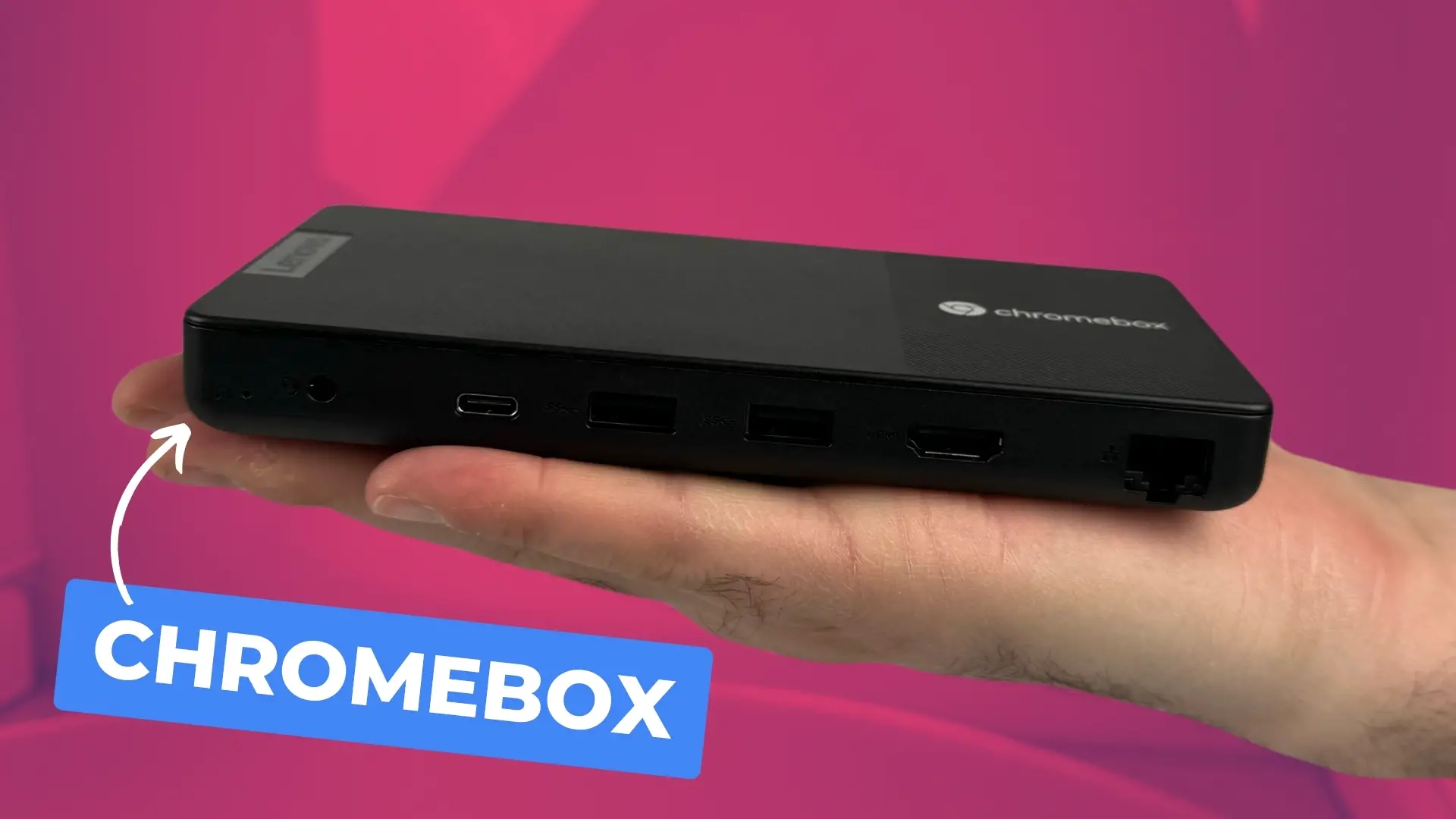
Lenovo has announced the Chromebox Micro, a pocket-sized, fanless device designed for enterprise customers. The Chromebox Micro is powered by a dual-core Intel Celeron N4500 CPU, 8GB of RAM, and 32GB of eMMC storage. It features a range of ports for connectivity, including two USB-C, two USB Type-A, HDMI, Ethernet, and a headphone jack. Lenovo is also working on custom touchscreen displays for the device. The Chromebox Micro is set to be released in the first quarter of 2024, with a starting price of $219.
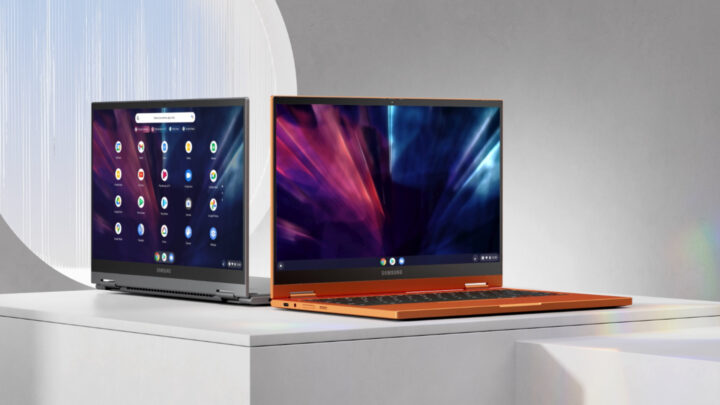
Samsung is reportedly developing a Chromebook Plus laptop, as indicated by a code commit found by ChromeUnboxed. The device, codenamed 'Pirrha,' is expected to feature a 12th-gen Intel Core i3-N305 processor, similar to the Lenovo Chromebook Slim 3i. Google's Chromebook Plus program certifies premium Chrome OS laptops with higher-end specifications, and if Samsung incorporates its premium features like an OLED screen and S Pen, it could create a compelling offering. The launch of the Galaxy Chromebook Plus is anticipated in the coming weeks.
Google is reportedly working on separating the Chrome browser from Chrome OS with a new standalone Linux-based browser called Lacros. This move aims to make browser patches more efficient and potentially improve security for older Chromebooks. Lacros is expected to become the default browser for Chromebooks in the next system update, Chrome OS 116, which is likely to be released at the end of August or the beginning of September.
Google engineers are proposing a new "Content Protection Property" for DRM connection properties to enhance the Linux infrastructure around supporting High-bandwidth Digital Content Protection (HDCP) for Chrome OS. The proposed Content Protection Property would be a way for user-space to push an HDCP key from user-space to the underlying driver requiring a key to enable HDCP for a given display / monitor connector.