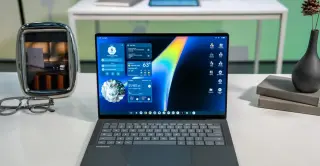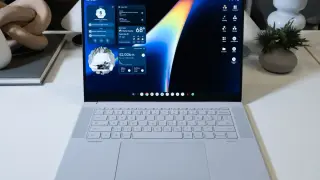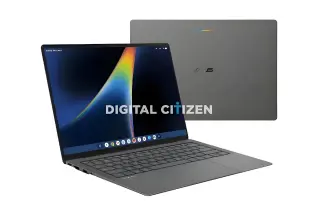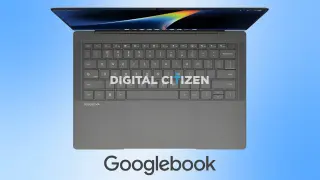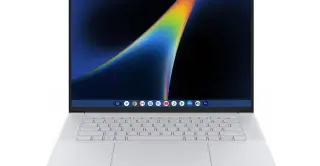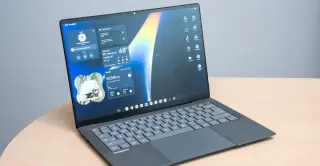
A Canadian listing leaks CA$1,902.99 price for the Asus CX9406 Googlebook, a high-end Chromebook featuring 16 GB RAM, an 8-core Core Ultra 5 325 CPU, and 0.5 TB storage, running Android-based AluminiumOS; the premium price points to Asus positioning this Googlebook as a top-tier model ahead of a September 15 unveiling in New York, with multiple SKUs expected.
Prices are up due to a RAM and storage crunch, but you can still get solid college laptops by prioritizing 16GB of RAM and 512GB of storage and choosing a recent Apple silicon or Windows 10/11/12-era machine. Be wary of 8GB RAM on Windows, though it can work on macOS in budget Macs. The guide suggests a range of options: MacBook Neo (budget 8GB/256GB), MacBook Air with M5 (16GB/512GB), Asus Zenbook A14 (16GB/512GB, OLED), Acer Aspire 14 AI (16GB/512GB), HP OmniBook 3 16 (Snapdragon X), Lenovo ThinkPad T14 Gen 4 refurb (16GB/512GB), Asus Chromebook Plus CX34, and Acer Chromebook Plus Spin 514. If you can stretch, the Air remains the best balance of build quality and performance for four years, with refurbished/models often offering strong value; plan for continued price pressure into next year and consider refurbished or newer models to future-proof your purchase.
New high‑resolution renders of the ASUS Googlebook CX9406 reveal a sub‑1kg ceramic‑alloy chassis, a notch‑free display with a built‑in physical privacy shutter, and ASUS’s Glowbar status light. The machine is shown with Intel Core Ultra Panther Lake, up to 64GB LPDDR5X RAM, PCIe NVMe storage, and a full I/O set (HDMI, USB-C, USB‑A, 3.5mm, Wi‑Fi 7), with a September launch window anticipated alongside rivals.
Leaked images show Lenovo's Googlebook laptop in two sizes and a 2-in-1 tablet, both branded with Googlebook and featuring a back-lit bar and a new 'G' key believed to surface Gemini, as Google reportedly shifts to a new OS and Gemini integration for a Fall 2026 launch.
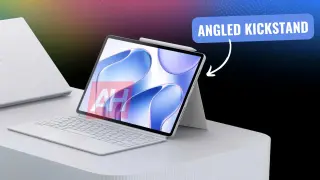
Leaked marketing images of Lenovo’s Googlebook (codenamed Sapphire) show it uses the angled kickstand first seen on the Chromebook Duet 11, enabling stable use in both portrait and landscape modes with a magnetic stylus space, signaling strong hardware design ahead of a likely September launch.
The article explains how to sideload Android APKs onto a Chromebook using official ADB-based methods from the Linux development environment or Android Studio, detailing steps to enable Linux, enable ADB debugging, install adb, connect to the device, and install the APK (or run it in an Android emulator). It notes that this path works on Chromebooks released after 2020, emphasizes verifying APK safety since apps outside the Play Store aren’t Google-verified, and offers two install routes: direct adb install or using Android Studio with an emulator.
Eight Googlebook devices are in late-stage development across Intel, ARM, and MediaTek, including four Intel-based Fatcat designs (Felino, Lapis, Moonstone, Ruby), three ARM designs on the Bluey baseboard (Quenbi, Mica, Quartz), and a MediaTek detachable called Sapphire powered by Kompanio Ultra. It’s unclear whether all eight will debut at the fall reveal or roll out later, signaling Google’s plan to launch a broad device fleet.
Google confirms the Googlebook will run truly native Android apps rather than emulated ones, delivering desktop-class performance and a smoother app ecosystem. Traditional productivity tools are on board for a premium hardware experience, while AI-native partners are set to deliver launch-exclusive features as the device hits shelves later this year.
Asus unveils the CM14 Chromebook refresh powered by the MediaTek Kompanio 540, offering up to 8GB RAM and 128GB eMMC, a 14-inch (optional touchscreen) display, and MIL-STD-810H durability, plus a claimed 23-hour battery life. The chassis features a screwless bottom panel and tool-free battery latch for easier maintenance, and a three-month trial of the Google AI Pro plan is included. Colors are Platinum Silver, Forest Blue, and Blue Aura, with aggressive pricing expected but no official release date or price yet.
A rumored sub-$800 MacBook may come with 256–512GB of storage and only 8GB of RAM, powered by the A18 Pro chip, and could drop features like fast charging, True Tone, and possibly a backlit keyboard, pushing users toward cloud storage via iCloud and giving it Chromebook-like limitations as launch rumors surface for Next Week.
Gemini AI is now embedded in the Chrome browser on ChromeOS, delivering a robust, full-featured assistant via a sidebar with model switching, full chat history, a pop-out window, and live screen sharing—making Chromebooks more capable, though some image/video tools aren’t yet available.
Google confirms ChromeOS’ shift to an Android-based stack (Aluminium). The move won’t be universal: older or budget Chromebooks may be unable to migrate and will stay on the current ChromeOS until Auto Update Expiration, while many newer mid-to-high-end devices are expected to receive the upgrade. Google emphasizes honoring the 10-year support promise and is working on a migration path, but no device list has been released yet.
Lenovo’s forthcoming 13-inch Sapphire ChromeOS tablet gains a side-mounted fingerprint sensor integrated into the power button, underscoring a premium, pro-grade design with a large display, magnetic wireless stylus, and a MediaTek Kompanio Ultra chip as ChromeOS heads toward an Android kernel transition.
The article warns against plugging certain items into Chromebook USB ports, including metal objects like paper clips, unknown USB drives, cheap or broken cables, improperly formatted drives, and USB killer devices, as these can cause hardware damage, security risks, or data loss.
Google is developing a new operating system called Aluminium OS, which aims to merge ChromeOS and Android into a unified platform for various devices like laptops, tablets, and mini PCs, with a focus on premium experiences and AI integration, expected to launch in 2026.