Tag

Cicada

All articles tagged with #cicada

Cicada: A new Omicron BA.3.2 variant tests vaccines and spread
health13 days ago

Cicada: A new Omicron BA.3.2 variant tests vaccines and spread

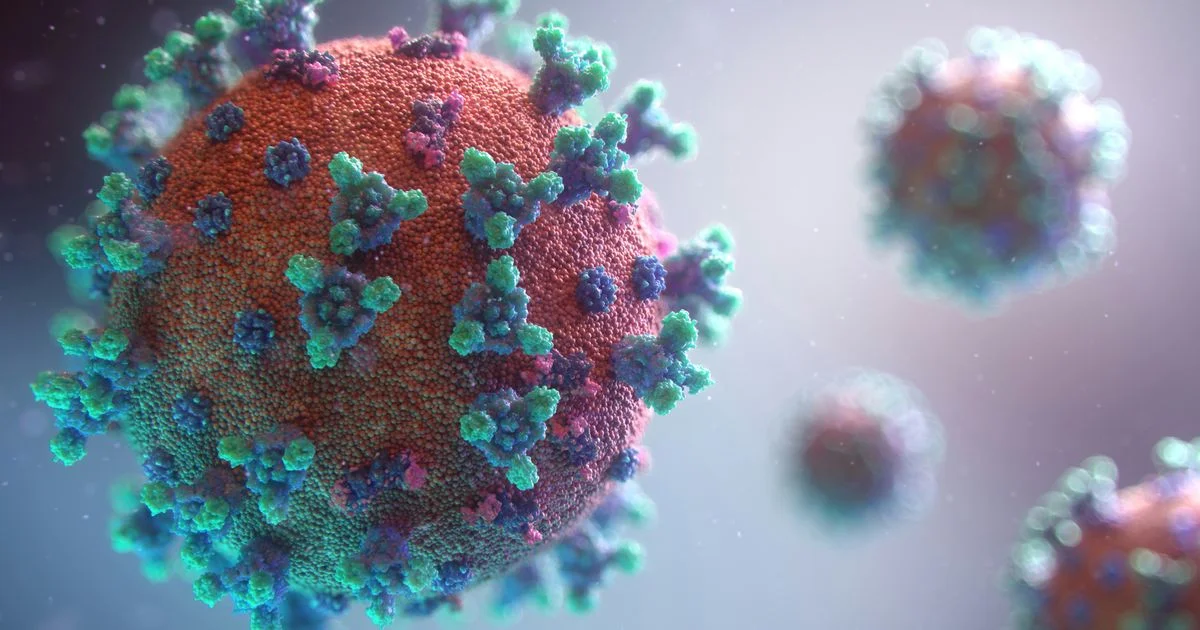
A newly identified Omicron subvariant BA.3.2, nicknamed 'cicada', carries many mutations that may help it evade immunity. It has appeared in Europe and in 25 U.S. states, but remains a minority strain with no clear evidence of greater severity or transmissibility. Vaccines are still expected to protect against severe illness, annual booster shots are recommended, and home COVID tests remain effective if not expired.


BA.3.2 Cicada spreads across the US, testing current vaccines
health14 days ago

BA.3.2 Cicada spreads across the US, testing current vaccines

The BA.3.2 variant (Cicada), an Omicron descendant with many spike mutations, is spreading rapidly in the United States and in about 23 countries. It is not yet shown to be more dangerous, but its differences may reduce how well current vaccines recognize it, underscoring the continued importance of vaccination, especially for people with chronic health conditions. The variant was first detected globally in 2024, reached the US in 2025, and has been found in 29 states and through wastewater data. Practical guidance remains: practice good hygiene, stay home when sick, spend time outdoors, and consult a clinician about personal risk. Wastewater surveillance continues as a valuable early warning tool.

Cicada-Variant BA.3.2 Sparks Global Watch as Immunity Concerns Rise
health14 days ago

Cicada-Variant BA.3.2 Sparks Global Watch as Immunity Concerns Rise

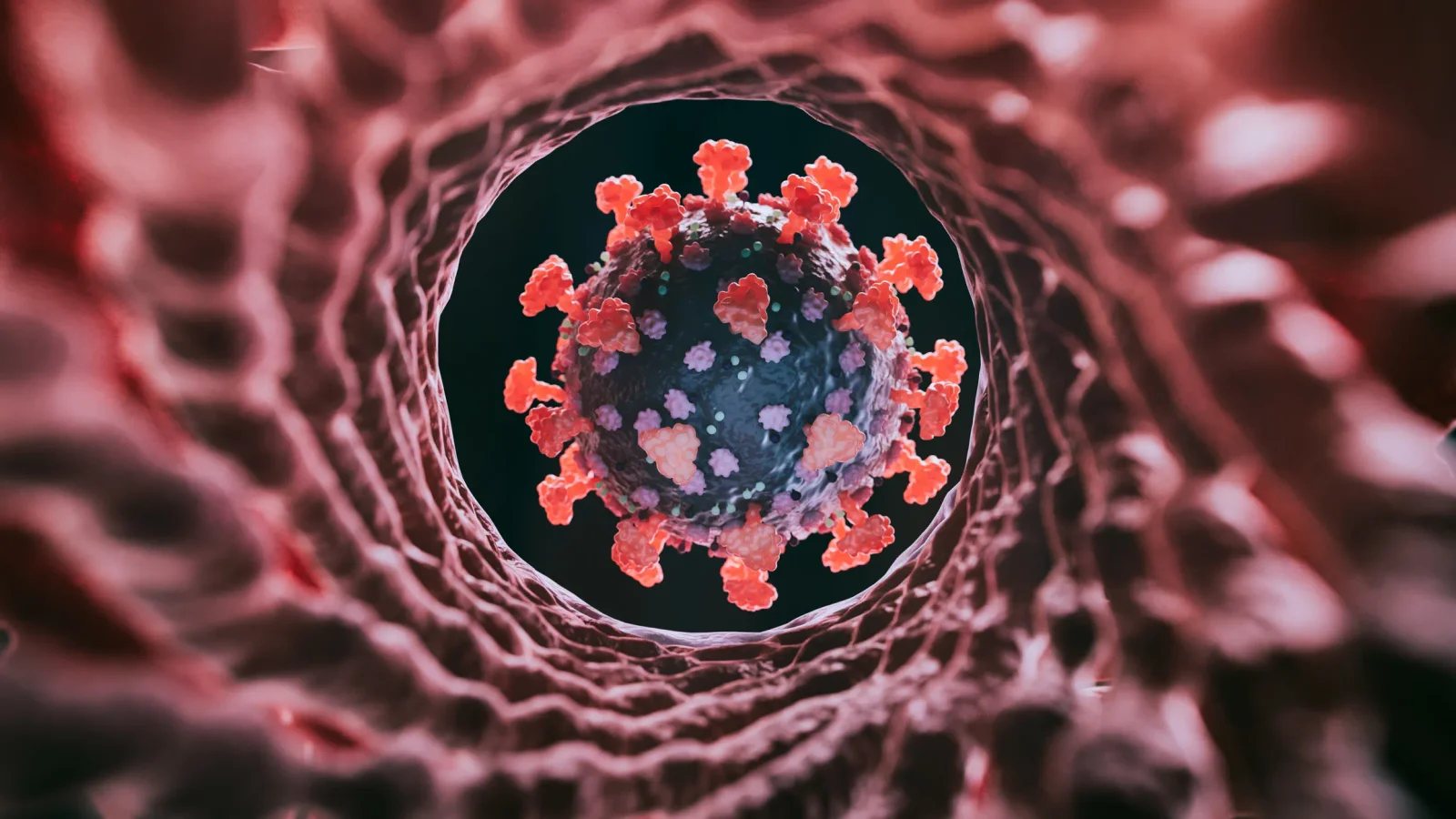
A new COVID-19 variant, BA.3.2—nicknamed the Cicada—has a high number of spike mutations and has been detected in at least 23 countries; while it could partially evade immunity and current vaccines may be less effective against it, it does not yet appear more severe, with vaccines still offering some protection, and public health officials emphasize protecting high‑risk individuals and maintaining standard precautions as surveillance continues.

Cicada COVID Variant Tracked by WHO Across Countries
health15 days ago

Cicada COVID Variant Tracked by WHO Across Countries

The World Health Organization is closely monitoring Cicada, a new COVID-19 variant identified in at least 23 countries and detected in wastewater in more than 20 U.S. states; first identified in South Africa in 2024, it has not yet caused major U.S. case surges, and vaccines or prior infections may confer immunity, with WHO classifying it as a variant under monitoring in 2025.

BA.3.2 'Cicada' COVID Variant Triggers Global Watch
health16 days ago

BA.3.2 'Cicada' COVID Variant Triggers Global Watch

CDC and WHO are watching BA.3.2, nicknamed 'Cicada,' a highly mutated SARS-CoV-2 variant detected in dozens of countries and rising in the U.S.; vaccines may be less effective at preventing infection but still protect against severe disease, and health officials advise testing, staying boosted, masking when needed, and improving ventilation.

Ancient 47-Million-Year-Old Cicada Fossil Reveals Wing Details
science10 months ago

Ancient 47-Million-Year-Old Cicada Fossil Reveals Wing Details

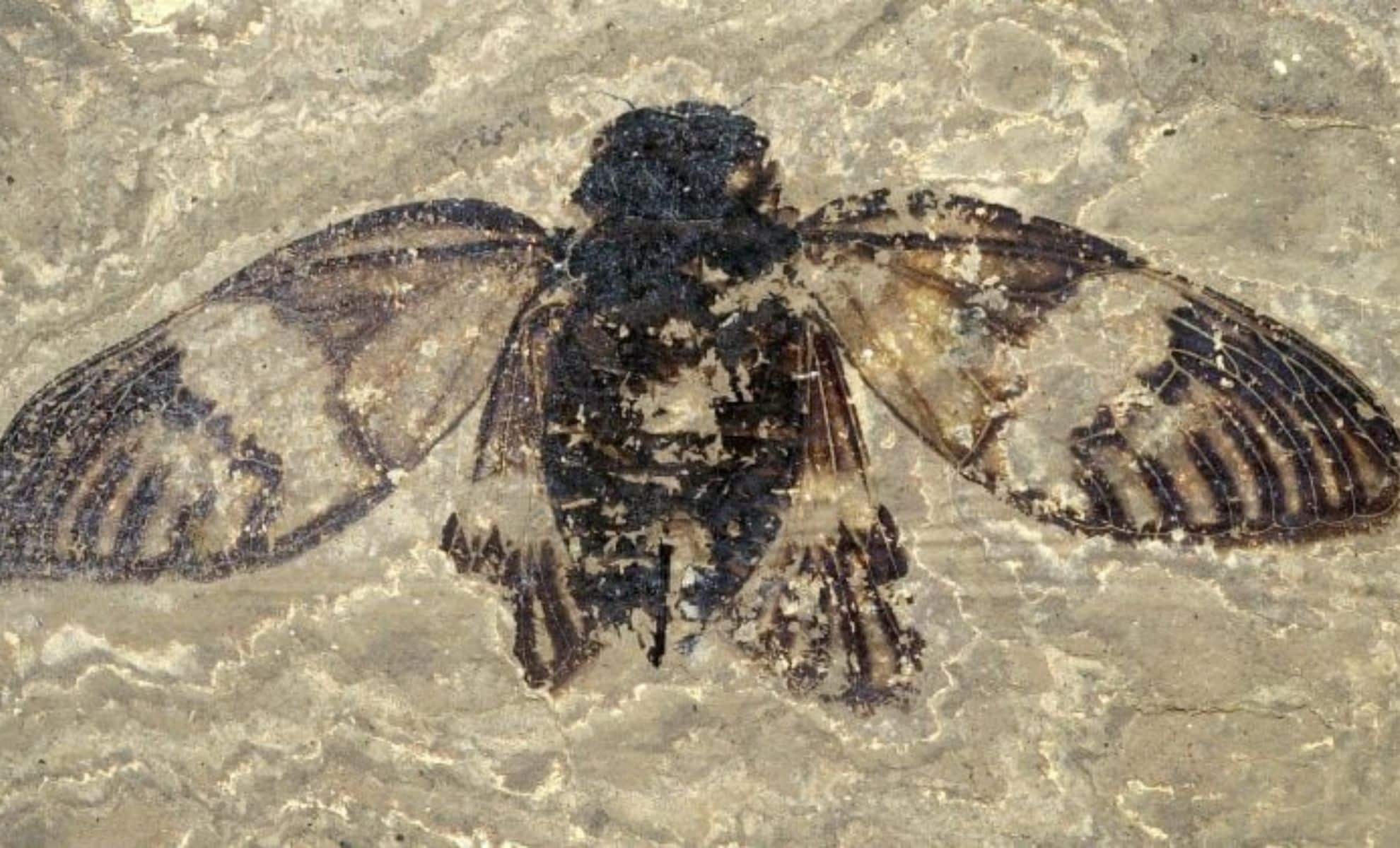
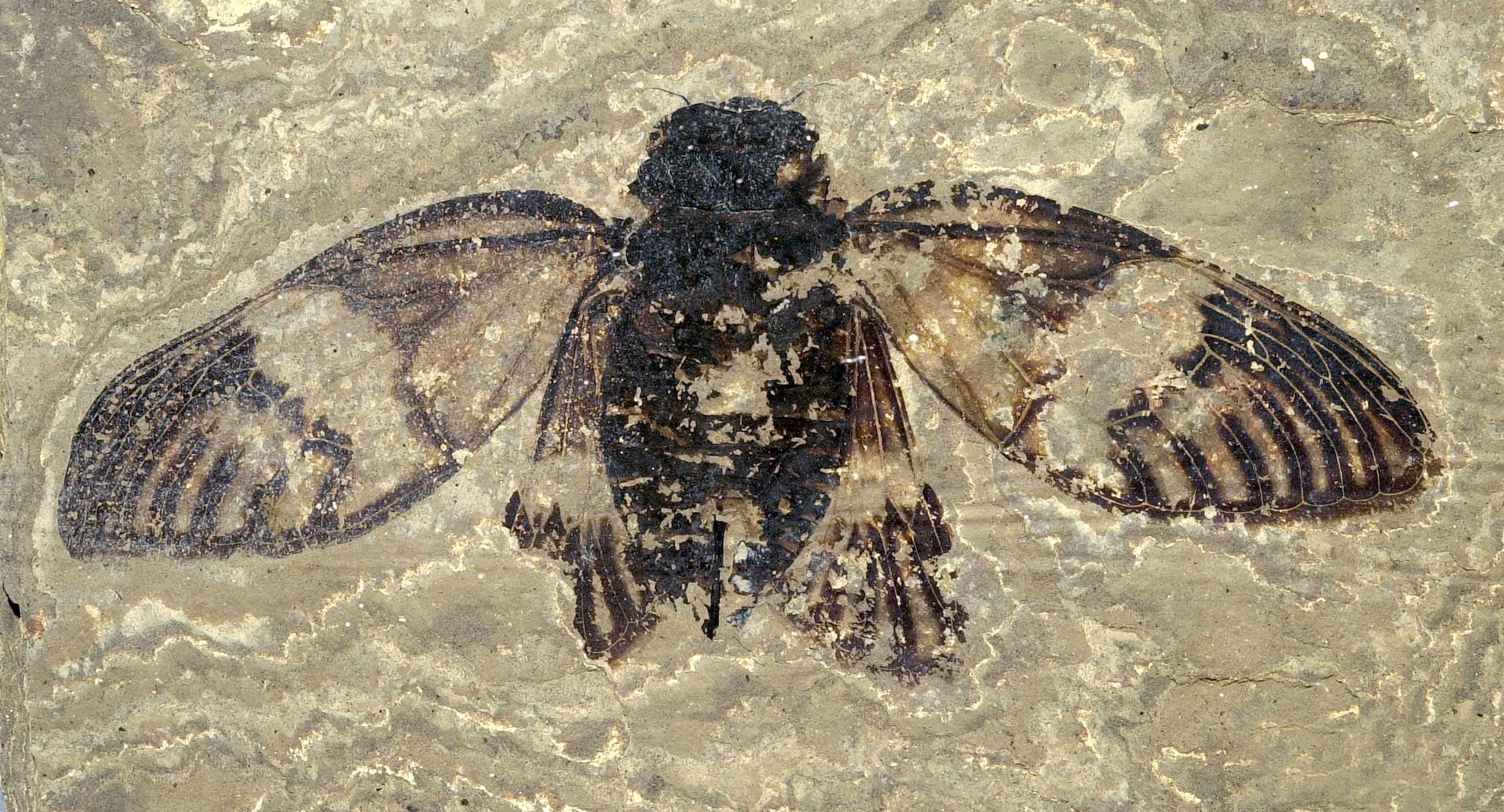
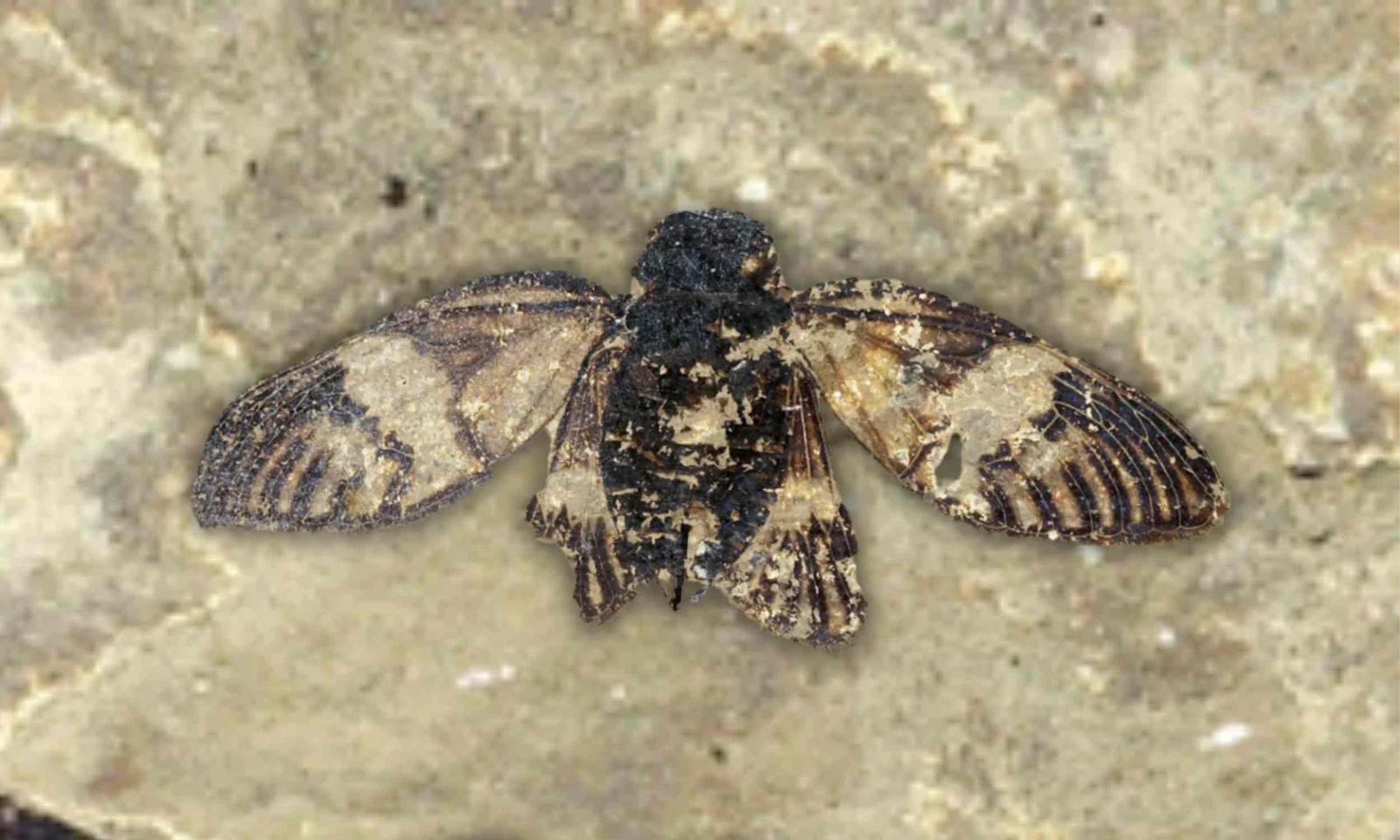
Scientists discovered a 47-million-year-old cicada fossil at the Messel Pit in Germany, remarkably preserved with detailed wings, providing new insights into the evolution and distribution of cicadas, especially their presence outside Africa and Asia during the Eocene period. This find helps refine the timeline of cicada evolution and suggests ancient European populations were more diverse than today, with potential implications for understanding how climate change influenced their migration and extinction.

"2024 Cicada Emergence: Hotspots, Timing, and Impact on 16 States"
environment2 years ago

"2024 Cicada Emergence: Hotspots, Timing, and Impact on 16 States"

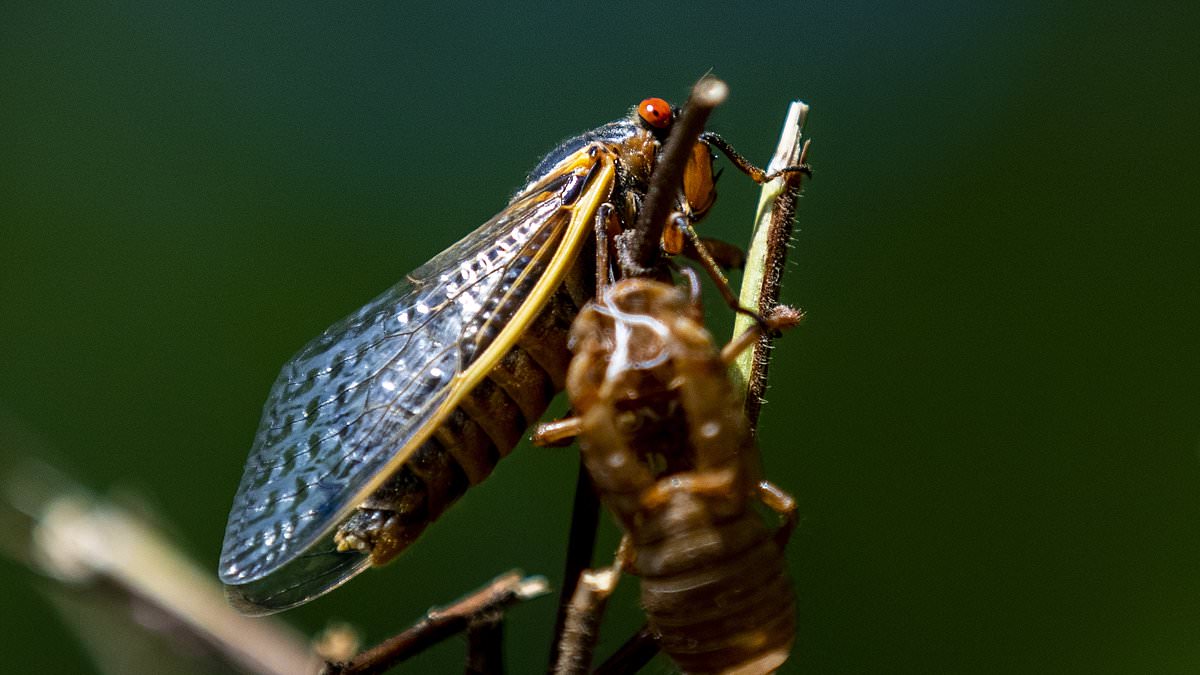
A rare cicada 'apocalypse' is set to occur in the US as more than one trillion of the red-eyed insects from two different broods emerge in a 200-year event, infesting 16 states. The infestation, expected to last for about six weeks, will likely damage trees, particularly young ones, as the insects lay eggs in branches. While the cicadas are not harmful to humans, they are known for their loud mating calls and can create an unpleasant odor as they die. The emergence of both broods together is a rare event, occurring for the first time since 1803, and is expected to have a significant impact on forested areas and urban green spaces.