Hidden Organelle in Cow Gut Reveals Methane Link
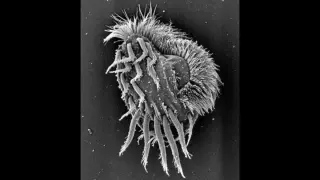
A Science study reveals a new organelle in rumen ciliates, the hydrogenobody, that produces hydrogen used by methanogens to generate methane; cows with more hydrogenobodies emit more methane, linking the gut microbe ecosystem to atmospheric warming and suggesting targeted ways to curb emissions by adjusting ciliates or hydrogen flow.