Oxford pond protist reveals genetic code where stop signals encode two distinct amino acids
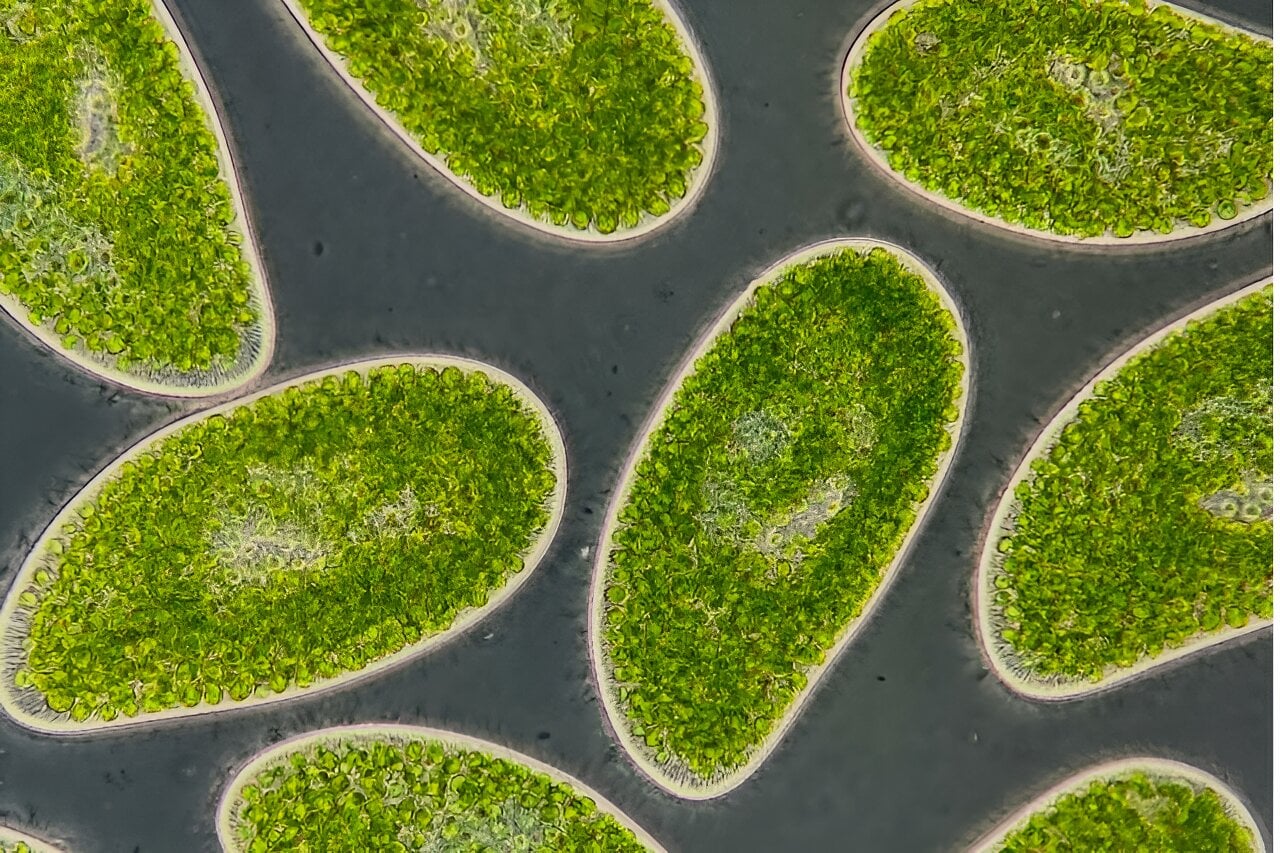
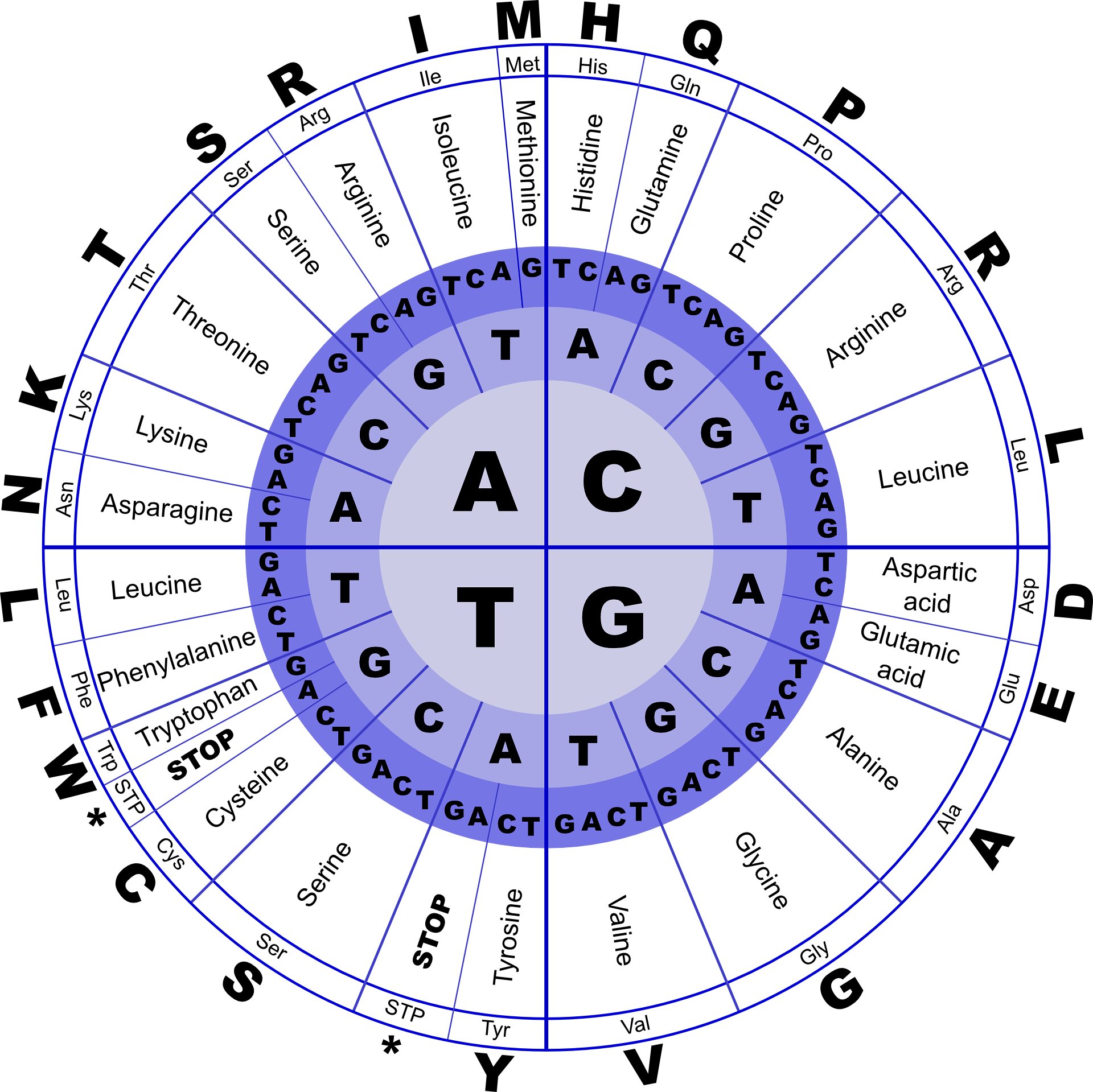
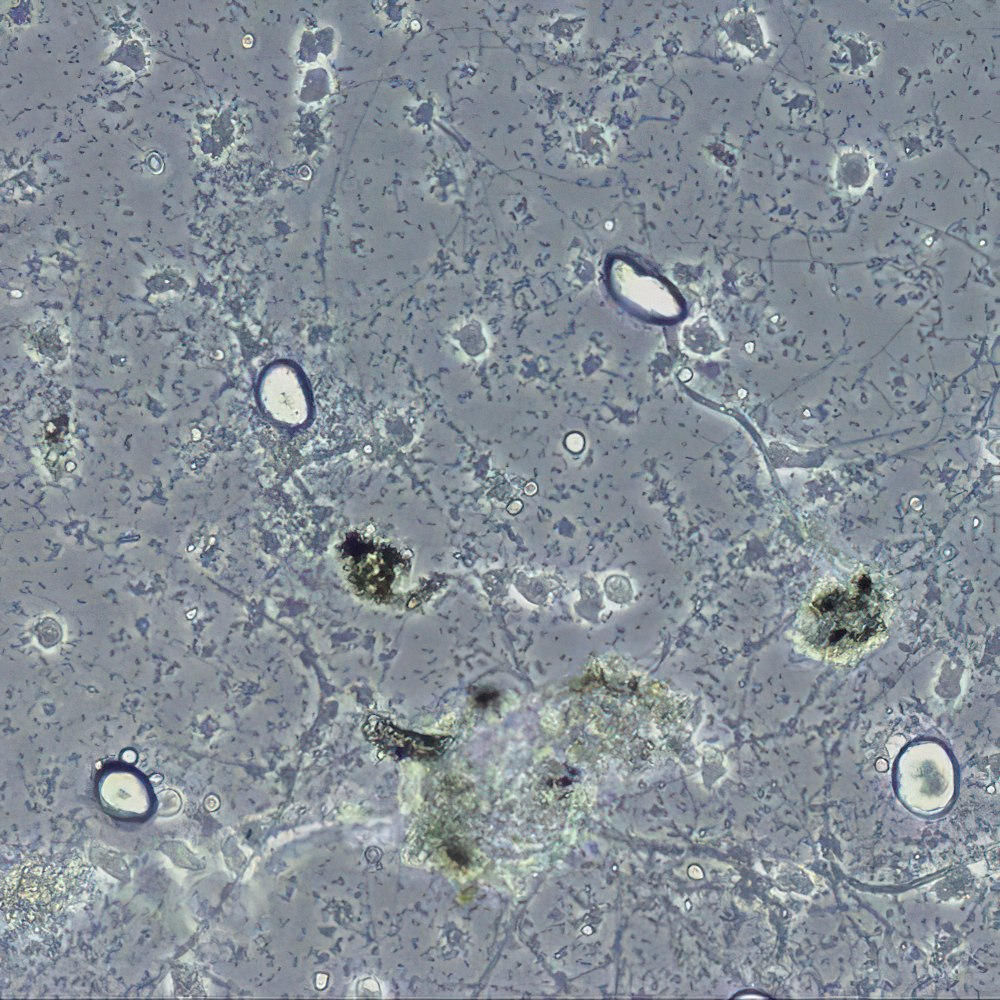
A routine DNA sequencing test on a freshwater protist from an Oxford pond revealed a genetic code that defies standard biological assumptions. The organism, Oligohymenophorea sp. PL0344, uses two conventional stop codons to encode different amino acids instead of terminating protein synthesis. This discovery, published in PLOS Genetics, challenges the belief that these codons always evolve together and highlights the flexibility of genetic rules in microscopic life.