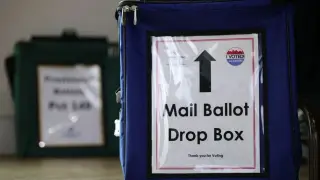
A National News Desk poll asks whether the federal government should require citizenship verification before mail-in ballots are mailed to voters, highlighting a national debate over voter eligibility and election integrity as the U.S. approaches elections.
The White House claims a software glitch in New Jersey registered about 6,600 noncitizens to vote between 2023 and 2024, with hundreds actually casting ballots. It argues this outcome stems from policies that don’t require citizenship checks and calls on Congress to pass the SAVE America Act to mandate citizenship verification via the DHS SAVE system and voter ID for federal elections.
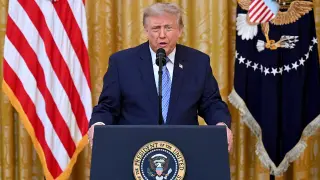
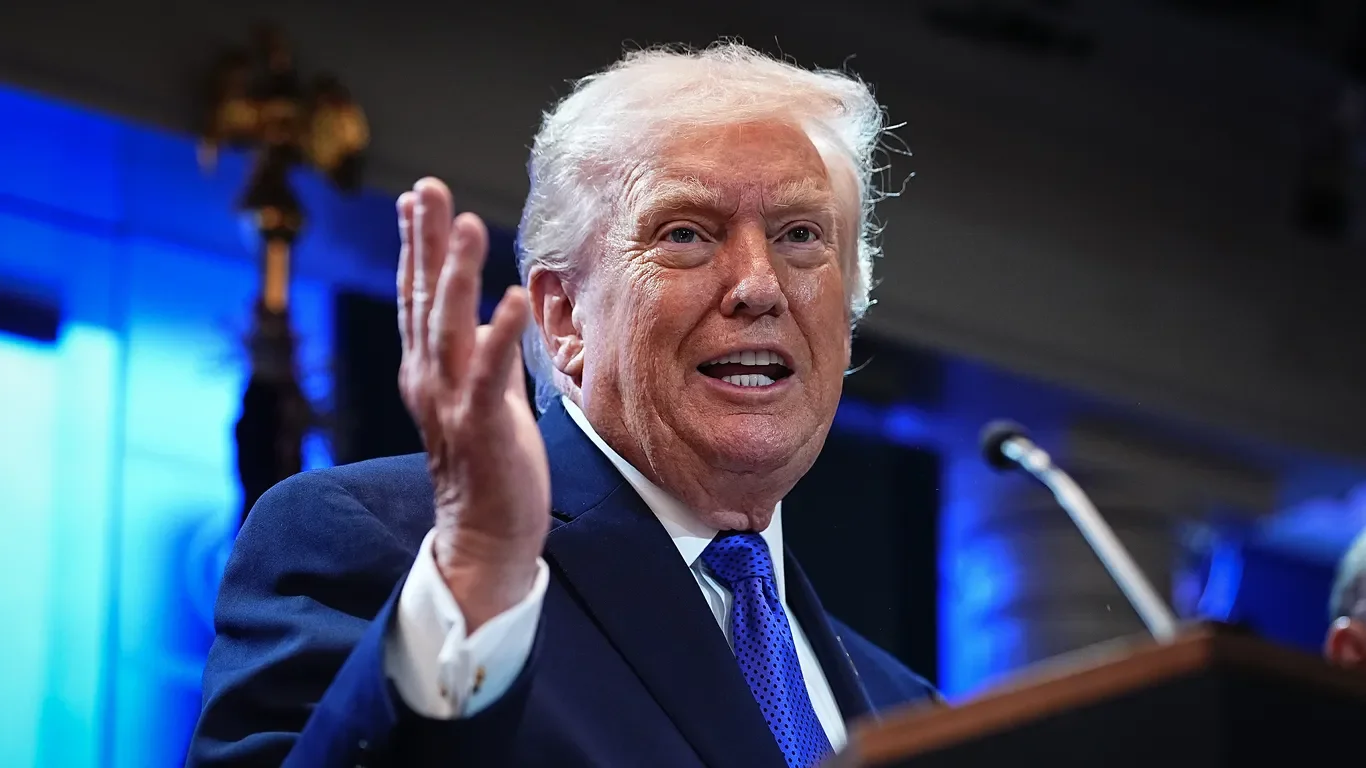
Trump declassified intelligence claiming vulnerabilities in U.S. election infrastructure and urged Congress to pass the SAVE America Act, which would require proof of citizenship and universal voter ID; Republicans back the measure as Democrats call it voter suppression, and Senate filibuster rules remain a hurdle to passage.
FactCheck.org explains the SAVE America Act: a GOP bill that would require documentary proof of U.S. citizenship to register for federal elections, impose a nationwide photo ID to vote (including by mail), and require states to use the DHS SAVE system to identify and remove noncitizens from voter rolls; it also addresses name changes and would impose penalties on election officials for verification failures. Experts say noncitizen voting is rare, but critics warn the rules could raise costs and create access barriers, while supporters call it a safeguard; the bill faces Senate opposition despite Trump’s push to broaden it, and public polling shows mixed support for individual provisions.
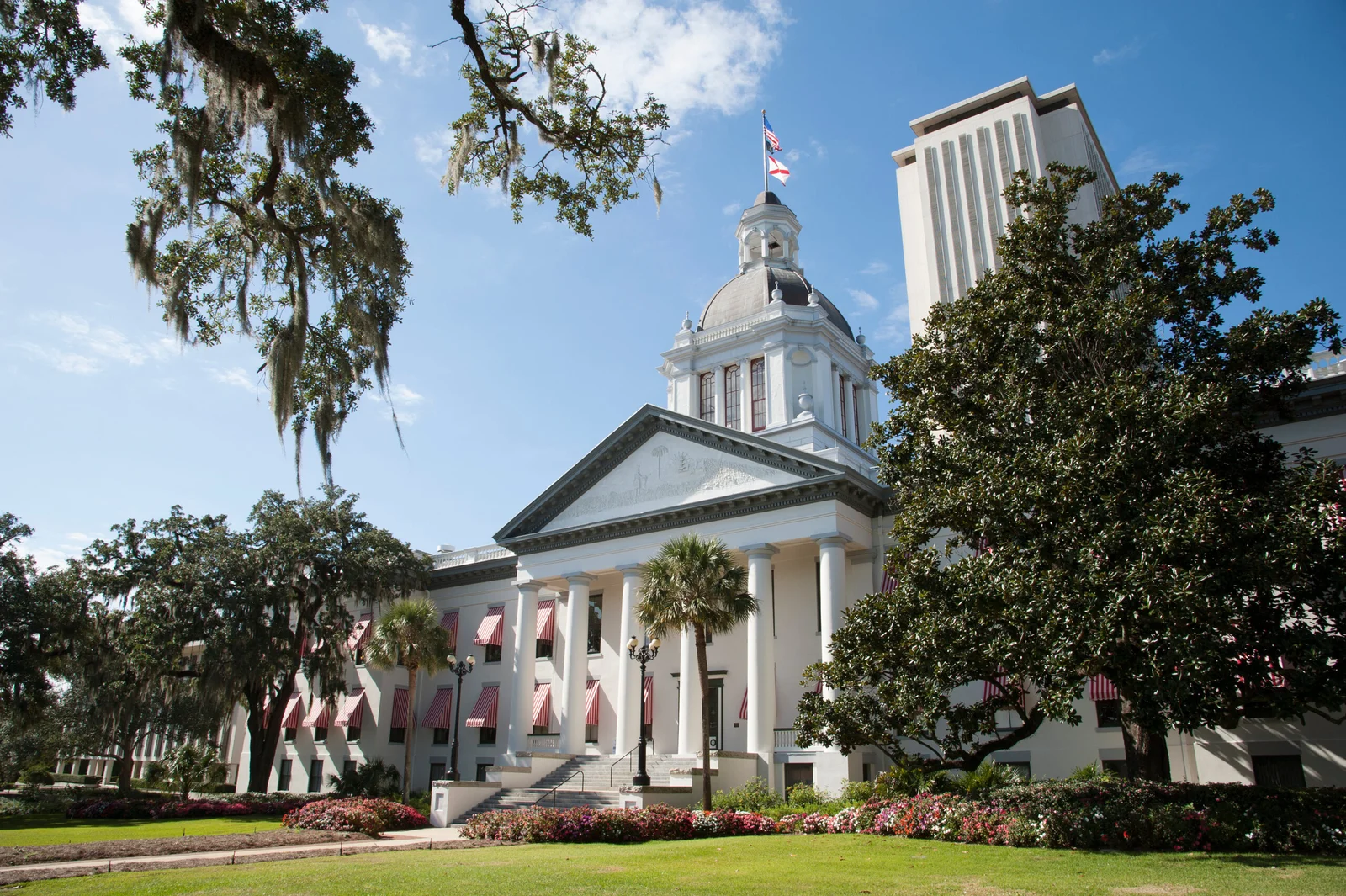
Florida lawmakers approved the state’s version of the SAVE America Act, requiring citizenship verification for voters and removing student IDs as valid identification, with provisional ballots issued if citizenship cannot be verified. Gov. DeSantis is expected to sign the measure. Democrats and civil‑rights groups argue it creates voting hurdles and suppresses participation, citing concerns about barriers for students, seniors and naturalized citizens. The bill would apply verification to all registered voters not yet confirmed as citizens, as Florida’s election security posture comes under renewed national scrutiny.
Trump’s Save America Act would overhaul voting with documentary citizenship proofs, strict voter-ID requirements for in-person and mail voting, criminal penalties for officials and a private right of action, and a mandate for states to share voter rolls with DHS, raising fears of roll purges and privacy risks. It would take effect immediately upon signing, potentially disenfranchising millions and causing midterm chaos, but the Senate lacks 60 votes to pass, making its passage unlikely; even so, it will shape campaign messaging around election integrity.
The Florida House voted 83-31 to move forward a sweeping voting bill that would require proof of U.S. citizenship to register and would verify the citizenship status of all existing registered voters not yet verified, potentially disenfranchising tens of thousands. The measure would take effect in January 2027 (a Senate version would take effect in July), mirrors a pending federal proposal, and would remove several commonly used IDs at the polls, drawing criticism as disenfranchisement and support as security.
The Trump administration is reportedly weighing an executive-order-style move to require banks to collect citizenship documentation from customers, potentially barring some noncitizens from opening or maintaining accounts; however, experts say unilateral action is unlikely and any policy would likely require Congress or APA rulemaking, with broader implications as part of a series of moves restricting financial access for noncitizens.
The Trump administration is reportedly weighing a retroactive mandate for banks to collect proof of citizenship from all current and new customers, excluding REAL IDs; the policy would likely be pursued via executive action rather than legislation, and White House/ Treasury positions are unclear. Industry groups warn the move would be costly and logistically unworkable, raising concerns about nationwide implementation and potential GOP pushback.
Republicans in Congress push the SAVE America Act, a Trump-backed measure that would require proof of U.S. citizenship to register for federal elections and standardize photo-ID for ballots, among other provisions. Advocates say it could sharply limit turnout by affecting naturalized citizens, name-changed spouses, students, rural residents, and overseas voters, while election officials warn it would impose new costs and training burdens. Though it passed the House previously, Senate approval is uncertain and many Republicans and Democrats alike worry about implementation and potential disenfranchisement.
Republicans are fast-tracking the Safeguard American Voter Eligibility Act, which would require documentary proof of citizenship to register and a citizenship-based photo ID to vote, effectively forcing many voters to show passports or birth certificates at polling places. Analysts say up to about 21 million Americans could be disenfranchised, given that many lack passports or readily available birth certificates, and roll-cleaning could inadvertently purge eligible voters. The bill faces a difficult path in the Senate amid Democratic opposition and filibuster concerns, while a companion MEGA Act would roll back mail voting and other practices. President Trump and GOP leaders back the effort as a safeguard against noncitizen voting, but critics warn it would constitute a major voting-rights rollback.
Texas officials found that 11 registered voters in Travis County flagged as potential noncitizens had already provided proof of citizenship, raising questions about the accuracy of the federal database (SAVE) used to identify noncitizens on voter rolls, and highlighting ongoing concerns about voter eligibility verification processes.
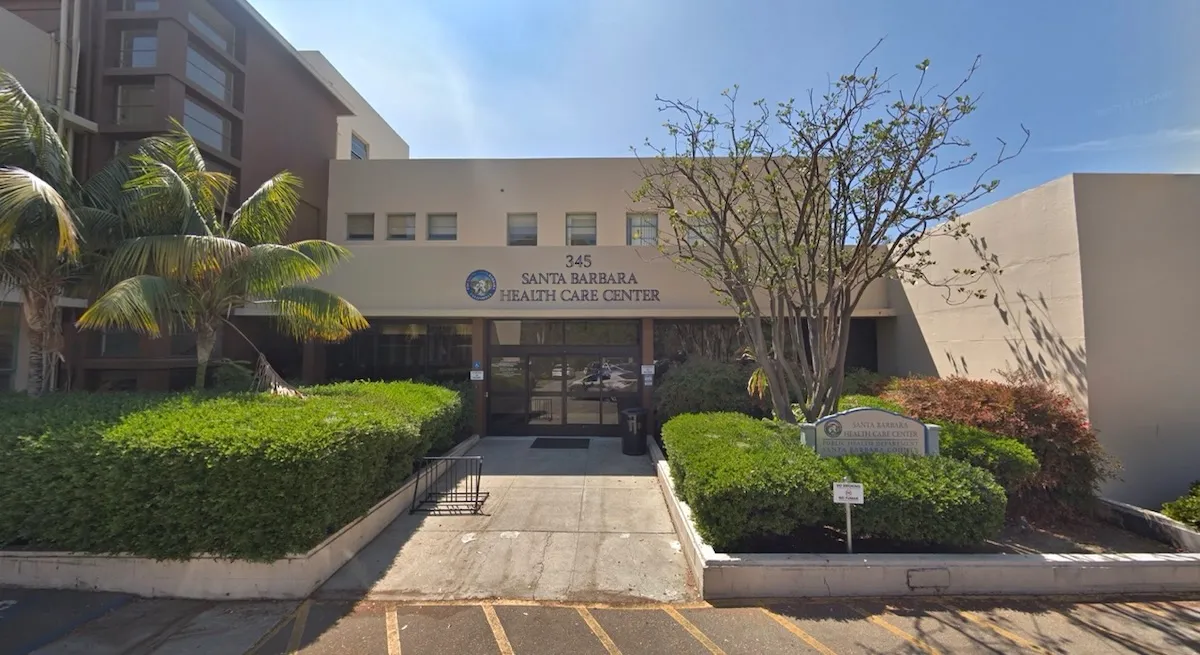
The federal government has mandated that low-income health clinics in Santa Barbara verify patients' citizenship to continue receiving reimbursements, potentially affecting around 55,000 undocumented residents and leading to increased burdens on clinics and patients, with concerns about reduced access to preventive care and increased emergency room visits.
A study by Just Facts warns that up to 2.7 million noncitizens could illegally vote in the upcoming November elections, potentially altering results. The study highlights lax enforcement of citizenship verification in voter registration, with experts expressing concerns over the impact on election integrity. House Republicans have introduced a bill to require proof of citizenship for voter registration, but its passage is uncertain.