Clonal expansion unmasks hidden mtDNA mutations as blood ages
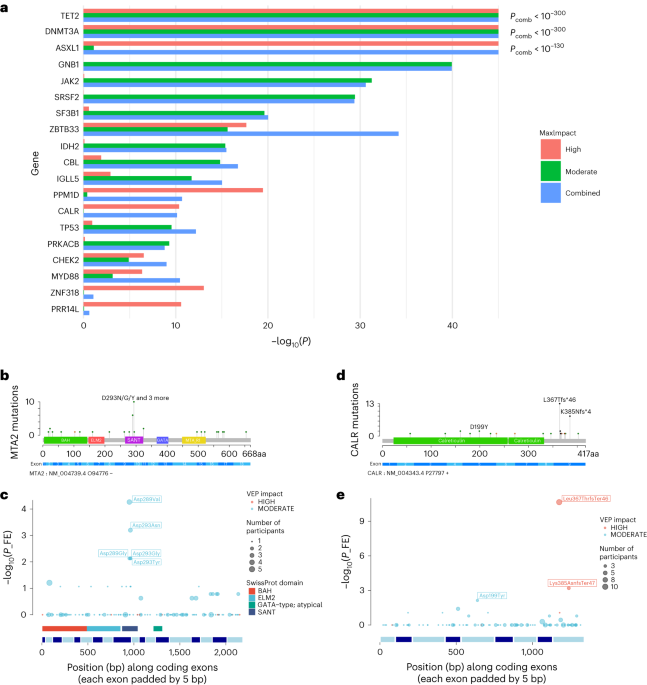
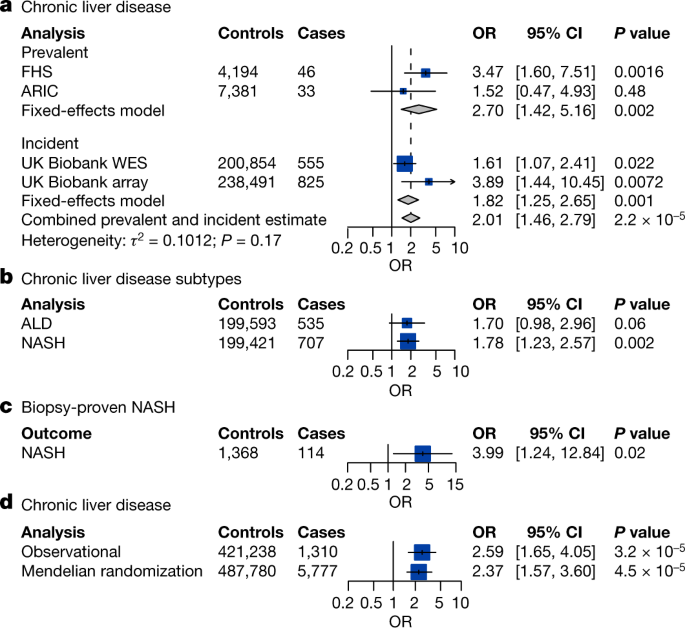
Analysis of ~736,000 UK Biobank and All of Us genomes shows that age-related mtDNA mutations in blood mainly arise from replication-errors that create low-level, cryptic heteroplasmy, which becomes detectable as people age due to clonal hematopoiesis (CH) expanding certain blood cell clones. The mutations are heavy-strand biased (C>T and A>G), occur at low heteroplasmy, and appear neutral with little evidence of positive selection. GWAS highlight CH-linked loci near TERT, TCL1A and SMC4, and rare-variant analyses implicate CH driver genes; Mendelian randomization indicates CH increases mtSNV burden, not vice versa. CH carriers have more age-accumulating mtSNVs and higher risk of hematologic cancers, suggesting mtSNV burden is a marker of somatic mosaicism. The study proposes a two-step model: random replication errors generate cryptic mtDNA variation, which becomes detectable when CH-driven clonal expansion reveals these variants with age.